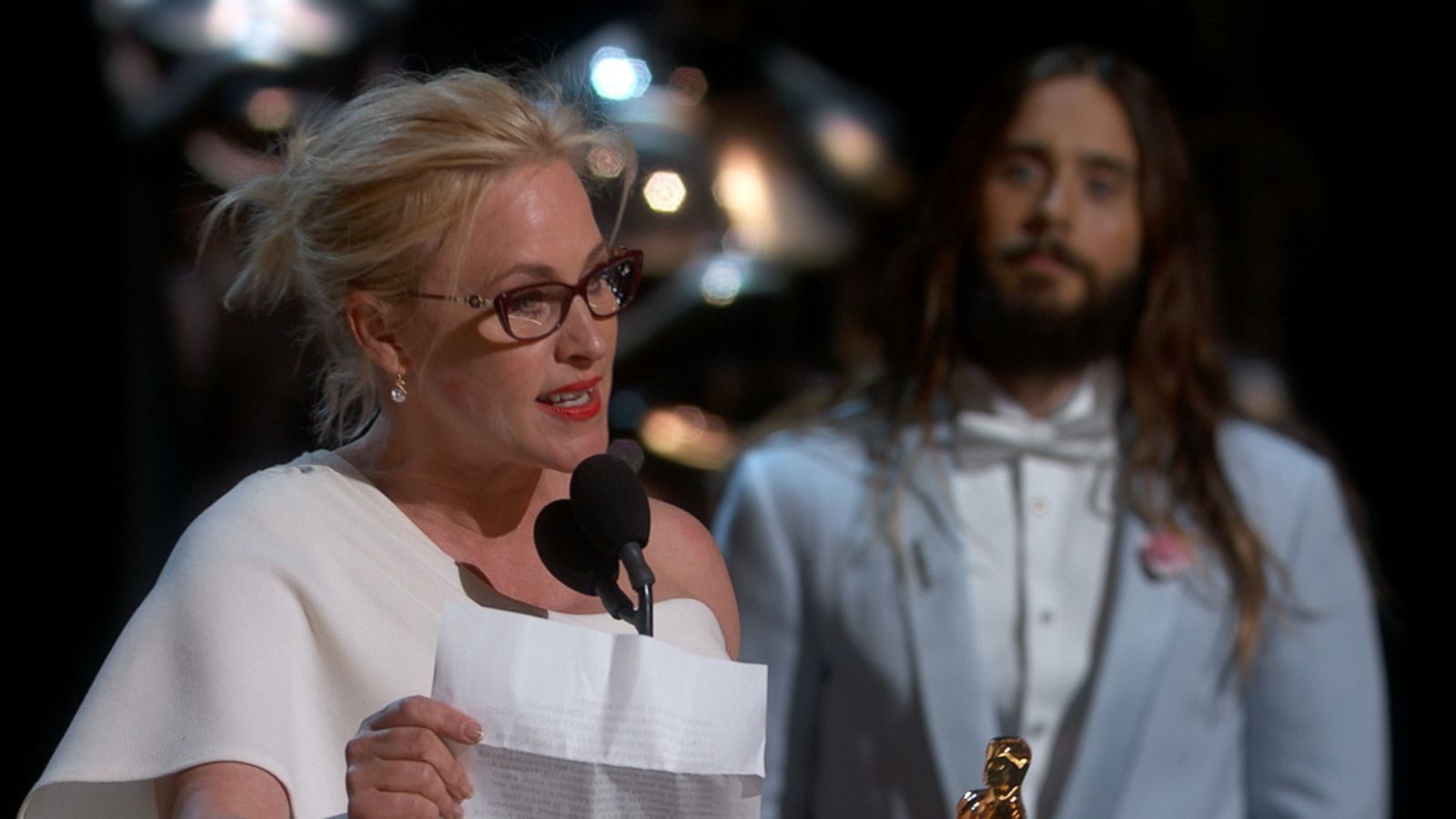
The 87th Academy Awards, commonly known as the 2015 Oscars, celebrated the finest cinematic achievements of 2014. Held on February 22, 2015, at the Dolby Theatre in Hollywood, Los Angeles, the ceremony was hosted by actor and comedian Neil Patrick Harris and broadcast live by ABC. The night was defined by critical darlings Birdman and The Grand Budapest Hotel, both of which dominated the technical and major categories, alongside historic wins for individual performers and filmmakers.
Historical Context and Background of the 87th Academy Awards
The road to the 87th Academy Awards began with a diverse and competitive slate of films released throughout calendar year 2014. The Academy of Motion Picture Arts and Sciences (AMPAS) faced intense scrutiny in the preceding months regarding the diversity of its voting body and the nominees selected. While the ceremony itself went on to honor a wide array of international and independent productions, the underlying conversations about representation laid the groundwork for industry-wide reforms in subsequent years.
The eligibility period for the 2015 Oscars closed on December 31, 2014. To qualify, feature films had to open in a commercial motion picture theater in Los Angeles County for a run of at least seven consecutive days during the 2014 calendar year. Nominations were announced on January 15, 2015, by directors J.J. Abrams and Alfonso Cuarón alongside Academy President Cheryl Boone Isaacs. The nominations immediately sparked intense public debate, particularly regarding major box-office hits and critically acclaimed independent films that were omitted from top categories.
Major Winners and Nominees Analysis
The 2015 Oscars featured a fierce battle for Best Picture, ultimately won by Alejandro G. Iñárritu’s black comedy-drama Birdman or (The Unexpected Virtue of Ignorance). The film chronicled a washed-up Hollywood actor trying to reclaim his glory on Broadway. Birdman secured four major awards out of its nine nominations, including Best Director for Iñárritu, Best Original Screenplay, and Best Cinematography for master cinematographer Emmanuel Lubezki, who captured consecutive wins following his 2014 victory for Gravity.
Tied with Birdman for the most total Oscars of the evening was Wes Anderson’s whimsical caper The Grand Budapest Hotel, which also took home four awards. These victories were largely concentrated in the technical and artistic design categories, recognizing the film's meticulous production design, costume design, makeup and hairstyling, and original score.
Below is a comparison of the major competitive categories and their respective winners at the 87th Academy Awards:
| Category | Winner | Nominated Films / Contenders |
|---|---|---|
| Best Picture | Birdman | American Sniper, Boyhood, The Grand Budapest Hotel, The Imitation Game, Selma, The Theory of Everything, Whiplash |
| Best Director | Alejandro G. Iñárritu (Birdman) | Richard Linklater (Boyhood), Wes Anderson (The Grand Budapest Hotel), Morten Tyldum (The Imitation Game), Bennett Miller (Foxcatcher) |
| Best Actor | Eddie Redmayne (The Theory of Everything) | Michael Keaton (Birdman), Benedict Cumberbatch (The Imitation Game), Steve Carell (Foxcatcher), Bradley Cooper (American Sniper) |
| Best Actress | Julianne Moore (Still Alice) | Rosamund Pike (Gone Girl), Reese Witherspoon (Wild), Felicity Jones (The Theory of Everything), Marion Cotillard (Two Days, One Night) |
| Best Supporting Actor | J.K. Simmons (Whiplash) | Edward Norton (Birdman), Ethan Hawke (Boyhood), Mark Ruffalo (Foxcatcher), Robert Duvall (The Judge) |
| Best Supporting Actress | Patricia Arquette (Boyhood) | Emma Stone (Birdman), Keira Knightley (The Imitation Game), Laura Dern (Wild), Meryl Streep (Into the Woods) |
Acting Categories: Historic Triumphs and Breakout Performances
The acting categories at the 2015 Oscars celebrated a mix of long-overdue recognitions and powerhouse performances. Julianne Moore claimed the Academy Award for Best Actress for her emotionally devastating portrayal of a linguistics professor suffering from early-onset Alzheimer's disease in Still Alice. This win completed Moore's sweep of the major precursor awards, cementing her status as one of the preeminent dramatic actresses of her generation.
In the Best Actor category, British actor Eddie Redmayne won for his transformative portrayal of physicist Stephen Hawking in The Theory of Everything. Redmayne triumphed over strong competition, including Michael Keaton, whose meta-textual performance in Birdman had been a frontrunner throughout the awards season.
The supporting categories provided some of the most memorable moments of the night. J.K. Simmons dominated the awards circuit for his blistering portrayal of a tyrannical jazz conservatory instructor in Damien Chazelle’s Whiplash, taking home Best Supporting Actor. In his acceptance speech, Simmons delivered a widely praised plea for audience members to call their parents. Meanwhile, Patricia Arquette won Best Supporting Actress for her 12-year chronicle of motherhood in Richard Linklater’s groundbreaking coming-of-age epic Boyhood. Arquette used her platform to advocate for wage equality for women in the United States.
Craft and Technical Achievements
While the top categories garnered mainstream attention, the 2015 Oscars also celebrated extraordinary triumphs in technical filmmaking. Emmanuel Lubezki's win for Best Cinematography for Birdman highlighted the film's innovative illusion of a continuous, single-shot take throughout its runtime. Lubezki's fluid camera movements redefined how spatial continuity was handled in modern fiction filmmaking.
Sound design and editing played a massive role in shaping the cinematic landscape of 2014. Whiplash secured three Academy Awards, including Best Film Editing for Tom Cross and Best Sound Mixing. The rhythmic precision required to edit the musical sequences and dialogue exchanges in Whiplash set a high benchmark for editorial timing.
In the international feature film arena, Poland secured its first-ever victory in the category with Ida, directed by Pawel Pawlikowski. Shot in stark, beautiful black-and-white 4:3 academy ratio, the film explored identity and religious trauma in post-World War II Poland, standing out among a competitive international field.
Critical Reception, Controversy, and Cultural Impact
The 2015 Oscars generated significant cultural discourse both during and after the broadcast. Host Neil Patrick Harris opened the show with a musical number celebrating the magic of movies and famously appeared on stage in his underwear in a nod to a scene from Birdman. While praised for his theatrical versatility, Harris faced mixed reviews for his comedic pacing and a recurring, sealed-prediction stunt that concluded near the end of the broadcast.
Beyond the stage, the ceremony faced a wave of criticism regarding systemic representation. All twenty acting nominees selected by the Academy were white, sparking widespread social media backlash under the hashtag #OscarsSoWhite. This public outcry catalyzed intense internal discussions within AMPAS, leading to membership diversification initiatives and structural voting reforms enacted in subsequent years to broaden the demographic makeup of the voting body.
Despite these controversies, the 2015 Oscars cemented several cinematic milestones. Films like Boyhood, which filmed its actors over a 12-year span, challenged traditional production models, while independent and mid-budget dramas proved they could still capture the Academy's highest honors over massive studio blockbusters.
Frequently Asked Questions
Which film won Best Picture at the 2015 Oscars?
Birdman or (The Unexpected Virtue of Ignorance) won the Academy Award for Best Picture at the 87th Academy Awards. Directed by Alejandro G. Iñárritu, the film beat out seven other nominees, including Boyhood, The Grand Budapest Hotel, and American Sniper.
Who hosted the 87th Academy Awards in 2015?
Actor, writer, and comedian Neil Patrick Harris hosted the ceremony. It marked his first time hosting the Academy Awards, following multiple successful stints hosting the Tony Awards and the Emmy Awards.
How many Oscars did The Grand Budapest Hotel win?
The Grand Budapest Hotel tied with Birdman for the most awards of the night, winning four Oscars. Its victories were in the categories of Best Costume Design, Best Makeup and Hairstyling, Best Production Design, and Best Original Score.
What was the controversy surrounding the 2015 Oscars nominations?
The 2015 Oscars faced heavy criticism, notably under the #OscarsSoWhite hashtag, because all twenty acting nominees selected by the Academy were white. This lack of diversity prompted ongoing efforts by the Academy to reform its membership voting procedures.
Who won Best Actor and Best Actress in 2015?
Eddie Redmayne won Best Actor for his role as Stephen Hawking in The Theory of Everything, and Julianne Moore won Best Actress for her performance as an Alzheimer's patient in Still Alice.
Conclusion and Legacy
The 87th Academy Awards captured a transitional moment for the film industry, balancing traditional Hollywood prestige with innovative storytelling techniques and mounting calls for cultural inclusivity. From the technical wizardry of Birdman and The Grand Budapest Hotel to career-defining performances by Julianne Moore, J.K. Simmons, and Eddie Redmayne, the 2015 Oscars remain a heavily referenced milestone in modern cinematic history. Understanding the wins, snubs, and controversies of this ceremony provides valuable context for how contemporary film culture and awards governance continue to evolve.