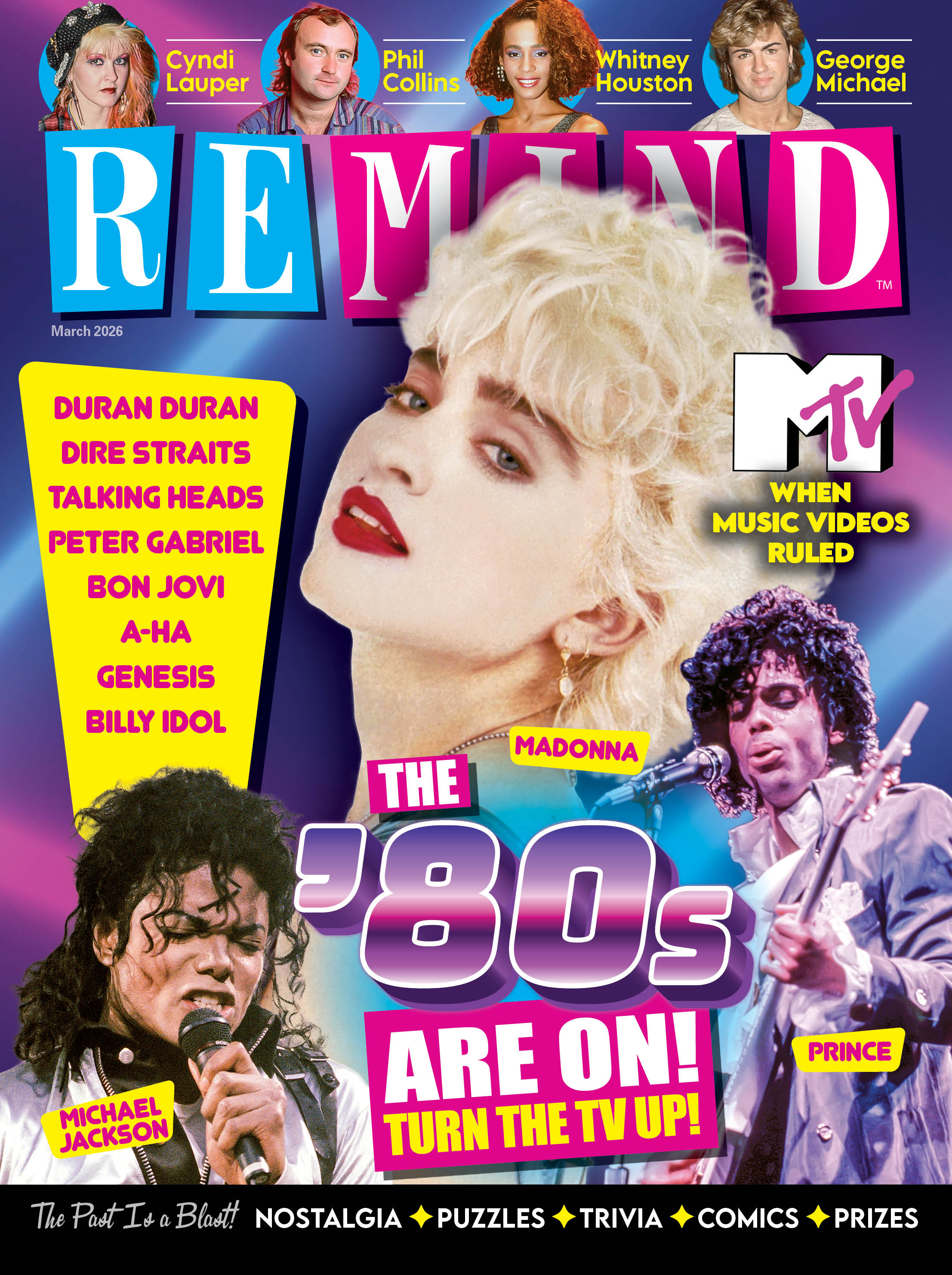
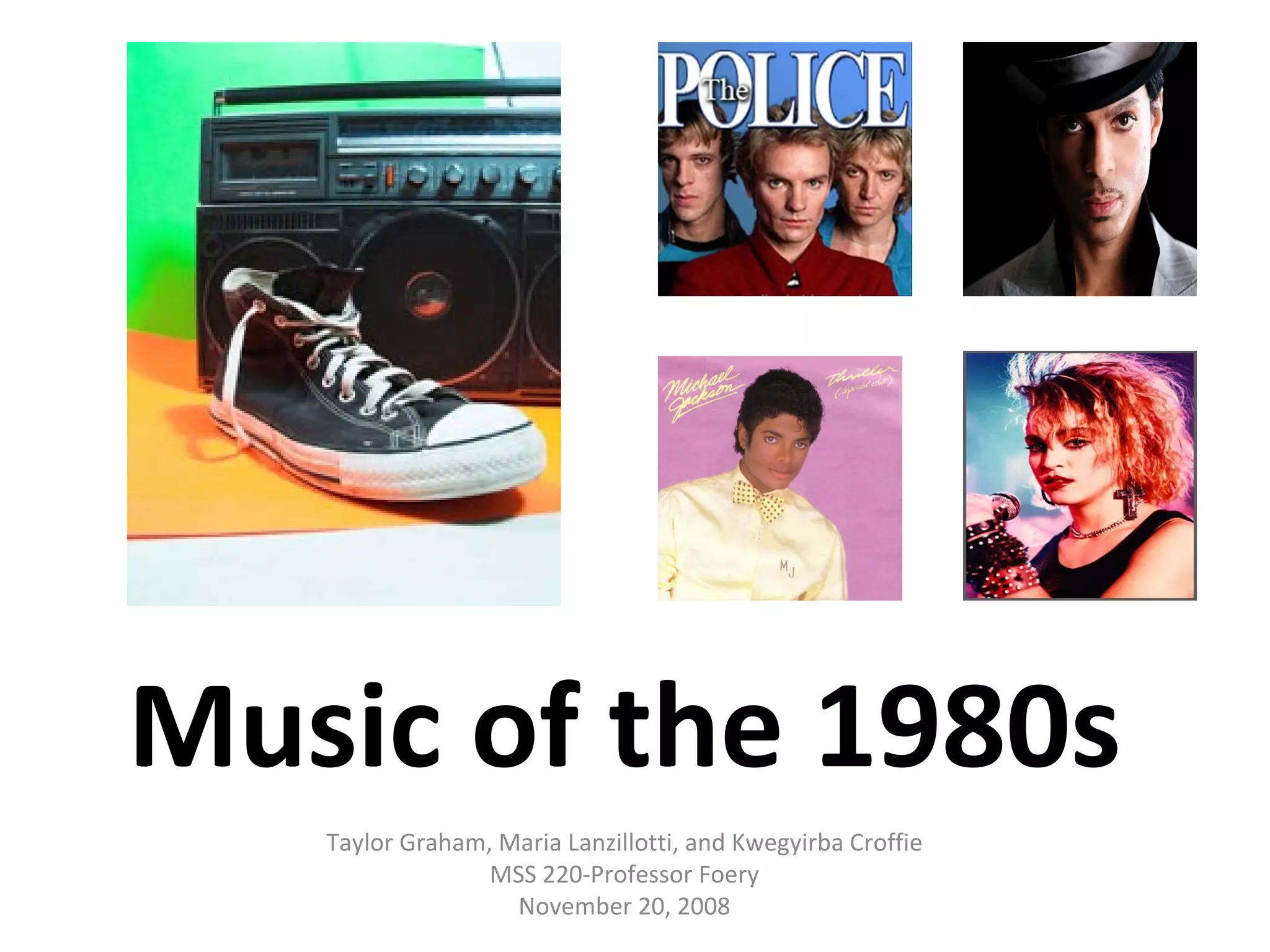
1980s music represents a defining era characterized by the mass commercialization of synthesizers, the rise of MTV, and a stylistic explosion that spanned synth-pop, post-punk, heavy metal, and hip-hop. This decade transformed the recording industry through digital audio technology while shaping modern pop culture, fashion, and media production standards.
The Technological Shift: Synthesizers and Digital Production
The foundation of 1980s music was built upon a radical transition from analog gear to digital technology. At the start of the decade, analog synthesizers like the Minimoog and Prophet-5 dominated progressive rock, new wave, and electronic experimentation. However, the introduction of MIDI (Musical Instrument Digital Interface) in 1983 standardized communication between electronic instruments, drum machines, and computers, forever changing how arrangements were written and produced.
The release of the Yamaha DX7 in 1983 marked a watershed moment. Utilizing frequency modulation (FM) synthesis, the DX7 provided bright, glassy electric piano tones, punchy brass hits, and metallic pads that became the sonic signature of the era. Producers no longer relied entirely on traditional acoustic ensembles or bulky analog modular setups to fill the frequency spectrum. Instead, workstations and samplers—such as the Fairlight CMI and the E-mu Emulator—allowed artists to capture acoustic sounds digitally, manipulate them, and sequence them with mathematical precision.
Concurrently, drum machines like the Roland TR-808 and TR-909 redefined rhythm sections. While initially adopted slowly by mainstream rock acts, the 808’s deep sub-bass and crisp, artificial percussion became the heartbeat of early electronic music, electro, and nascent hip-hop culture emerging from New York and Miami. The reliance on drum machines introduced a rigid, driving tempo to pop music that contrasted sharply with the organic, fluctuating tempos of 1970s disco and rock.
The MTV Phenomenon and Visual Storytelling
The launch of MTV (Music Television) on August 1, 1981, fundamentally altered how music was consumed, marketed, and evaluated. Prior to the 1980s, promotional films existed—often called promo clips or promotional videos—but they were secondary to radio airplay and live touring. MTV turned the music video into primary art, creating a visual ecosystem where an artist's image, fashion sense, and narrative concept were just as important as their vocal performance.
| Pre-1980s Music Promotion | 1980s MTV Era Promotion |
|---|---|
| Radio airplay and live touring | Music videos as primary medium |
| Album-oriented rock structures | 3-to-4-minute single-driven cuts |
| Focus on audio fidelity | Integration of fashion and visual |
| Limited visual branding | Global synchronized debuts |
This visual shift favored artists who understood cinematic presentation and choreography. Michael Jackson's mini-movie video for "Thriller" (1983) and Madonna's provocative imagery set new benchmarks for production value and cultural ubiquity. Record labels quickly recognized that heavy rotation on MTV could instantly propel an unknown track to the top of the Billboard charts. Consequently, the 3-to-4-minute single became hyper-optimized for visual storytelling, dramatic bridges, and memorable hooks.
Definitive Genres and Subcultures
The 1980s were fiercely fragmented yet commercially cohesive. Multiple countercultural movements successfully crossed over into mainstream charts without losing their core identities.
Synth-Pop and New Wave
Emerging from the remnants of punk rock, new wave and synth-pop stripped away traditional guitar solos in favor of interlocking synthesizer hooks and deadpan vocal deliveries. Acts like Depeche Mode, Human League, Soft Cell, and New Order utilized affordable commercial synthesizers to craft melancholic yet danceable electronic pop. This subgenre laid the groundwork for modern indie-pop, electronic dance music (EDM), and industrial rock.
Arena Rock and Hair Metal
While synthesizers dominated commercial pop and dance charts, rock music experienced its own theatrical renaissance. Hair metal—characterized by flamboyant clothing, teased hair, makeup, and virtuosic guitar solos—dominated the mid-to-late 1980s. Bands like Mötley Crüe, Bon Jovi, Poison, and Def Leppard packed massive arenas by combining heavy metal aggression with glossy, stadium-ready pop hooks and soaring power ballads.
The Birth and Golden Age of Hip-Hop
The 1980s witnessed the commercial birth and rapid evolution of hip-hop. Transitioning from park jams and block parties in the Bronx, artists like Run-D.M.C., LL Cool J, Public Enemy, and the Beastie Boys brought turntablism, beatboxing, and rhythmic rapping to national prominence. The introduction of sampling technology allowed producers like Rick Rubin and Hank Shocklee to build dense, aggressive sonic collages from funk records, rock drums, and spoken-word audio, establishing hip-hop as a dominant cultural force.
Production Techniques: Gated Reverb and Over-Compression
The sonic signature of 1980s pop and rock is instantly recognizable due to specific recording techniques designed to make tracks sound massive on small radio speakers and car stereos.
The most iconic production tool of the decade was the gated reverb effect, famously popularized by producer Phil Collins and engineer Hugh Padgham on the song "In the Air Tonight" (1981). By routing a drum kit’s ambient microphone signal through a noise gate that abruptly cut off the reverb tail as soon as the signal dropped below a certain threshold, producers achieved an explosive, punchy snare drum sound that echoed intensely before disappearing into absolute silence. This technique was replicated on countless records throughout the decade, defining the rhythm sections of artists ranging from Peter Gabriel to Bruce Springsteen.
Additionally, studios began experimenting heavily with digital multi-tracking and early digital delay units. Vocals were often tracked with tight compression and doubled or tripled to create a thick, omnipresent texture. Guitars were heavily processed with chorus and flange effects, adding a shimmering, watery depth that filled out the stereo field.
Commercial Impact and Chart Dynamics
The commercial architecture of the music industry shifted dramatically in the 1980s. The introduction of the Compact Disc (CD) in 1982 initiated a format war that eventually replaced vinyl LPs and audio cassettes as the premium consumer format. The CD offered pristine, noise-free sound reproduction and encouraged consumers to re-buy their entire music libraries in digital format, resulting in unprecedented profit margins for major record labels.
Chart dominance during this era was characterized by blockbuster albums that produced an exceptional number of hit singles. Michael Jackson's Thriller (1982) spent 37 non-consecutive weeks at number one on the Billboard 200 and yielded seven top-ten Billboard Hot 100 singles. Similarly, Bruce Springsteen’s Born in the U.S.A. (1984) generated seven top-ten singles, proving that traditional rock instrumentation could achieve the same market saturation as synth-driven pop.
Frequently Asked Questions
What caused the distinct sound of 1980s music?
The distinct sound of 1980s music was driven by the commercial adoption of digital synthesizers like the Yamaha DX7, programmable drum machines like the Roland TR-808, and studio processing techniques such as gated reverb. These tools replaced organic, unpredictable instrumentation with precise electronic sequencing and expansive, artificial acoustics.
How did MTV change the music industry in the 1980s?
MTV transformed music from an audio-only medium into an audiovisual product. The network made promotional music videos a mandatory marketing tool for record labels, elevating artists with strong visual identities, cinematic concepts, and choreography while reshaping how radio singles were promoted and consumed globally.
Which synth-pop bands defined the early 1980s electronic sound?
Pioneering synth-pop and new wave acts such as Depeche Mode, Human League, Orchestral Manoeuvres in the Dark (OMD), Gary Numan, and Soft Cell established the genre. They used monophonic and polyphonic synthesizers to replace traditional guitar-led arrangements with cold, melodic electronic textures.
What is gated reverb and who made it famous?
Gated reverb is a studio effect where a drum microphone's ambient reverb tail is abruptly cut off by a noise gate. Drummer and singer Phil Collins, along with producer Hugh Padgham, popularized the technique on the 1981 track "In the Air Tonight," making it a standard production staple for 1980s rock and pop drums.
When did CDs replace vinyl and cassettes in the 1980s?
The Compact Disc was introduced commercially in late 1982. Throughout the mid-to-late 1980s, CD sales grew rapidly due to superior durability and sound clarity, though vinyl and cassettes remained major commercial formats until the early 1990s when digital optical discs achieved market dominance.
Conclusion and Legacy
The music of the 1980s remains a cornerstone of modern popular culture, continuing to influence contemporary production styles, fashion trends, and sample-based genres. By successfully merging advanced digital production technology with aggressive visual marketing through television, the decade established a commercial template that the global recording industry follows to this day. Exploring this era offers essential context for understanding the technological and artistic foundations of today's digital music landscape.