The 12th man refers to the collective body of fans and spectators whose intense support and vocal presence act as a metaphorical additional player on the field. Primarily associated with American football and association football (soccer), the concept highlights the psychological and physical impact that home-field advantage provides through crowd noise, momentum, and intimidating atmosphere.
The Birth of a Legend: E. King Gill and the 1922 Dixie Classic
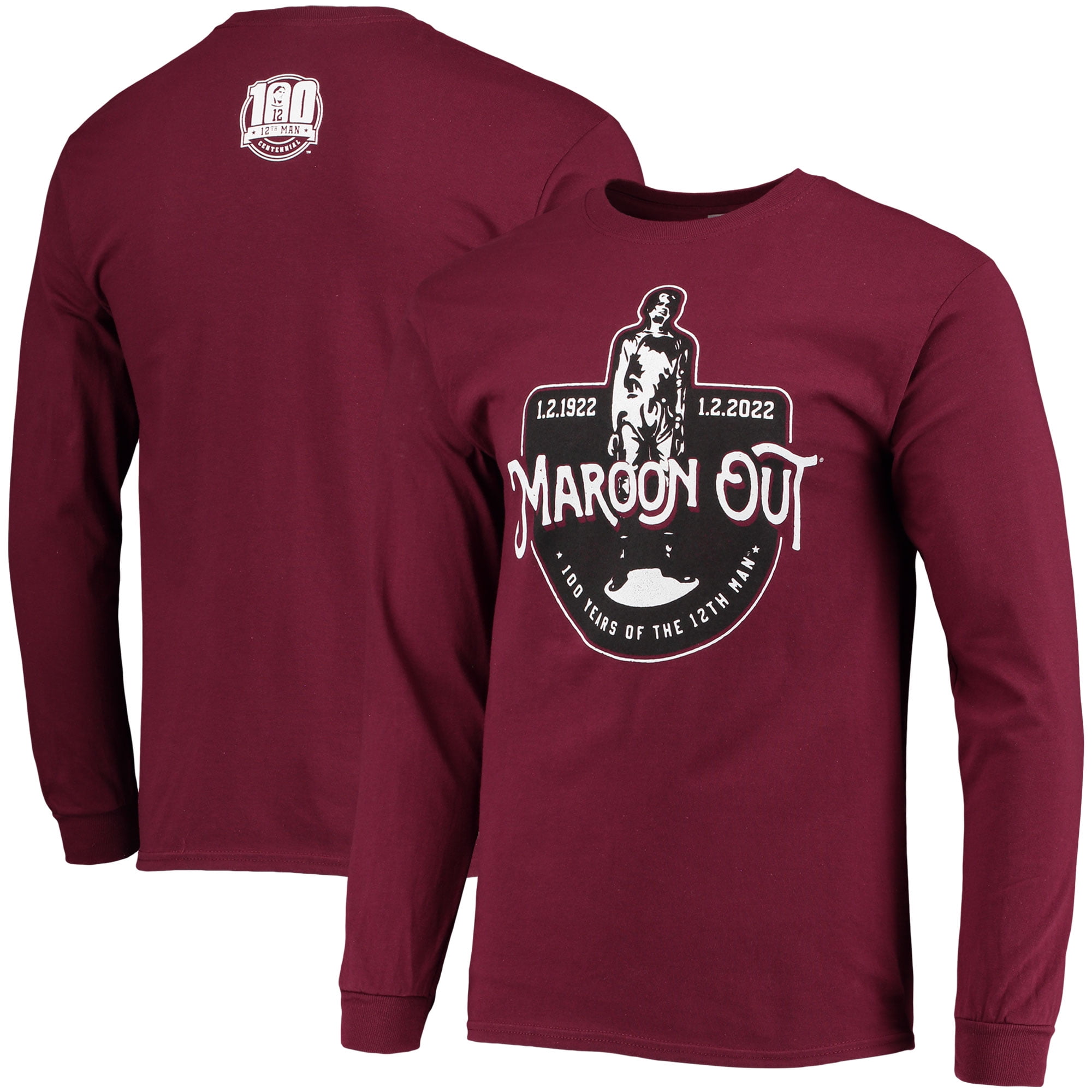
The most enduring and historically significant origin of the "12th Man" title belongs to Texas A&M University. The story dates back to January 2, 1922, during the Dixie Classic in Dallas, Texas. The Texas A&M Aggies were facing the heavily favored Centre College Praying Colonels. As the game progressed, the Aggies suffered a series of injuries, depleting their bench to the point where coach Dana X. Bible feared he would not have enough players to finish the contest.
Coach Bible remembered a former squad member, E. King Gill, who was in the press box helping identify players for reporters. Gill was called down to the sidelines, went under the bleachers to put on the uniform of an injured player, and stood ready to enter the game if needed. Although Gill never actually took the field, his willingness to serve his team became the foundation of one of the most storied traditions in collegiate sports.
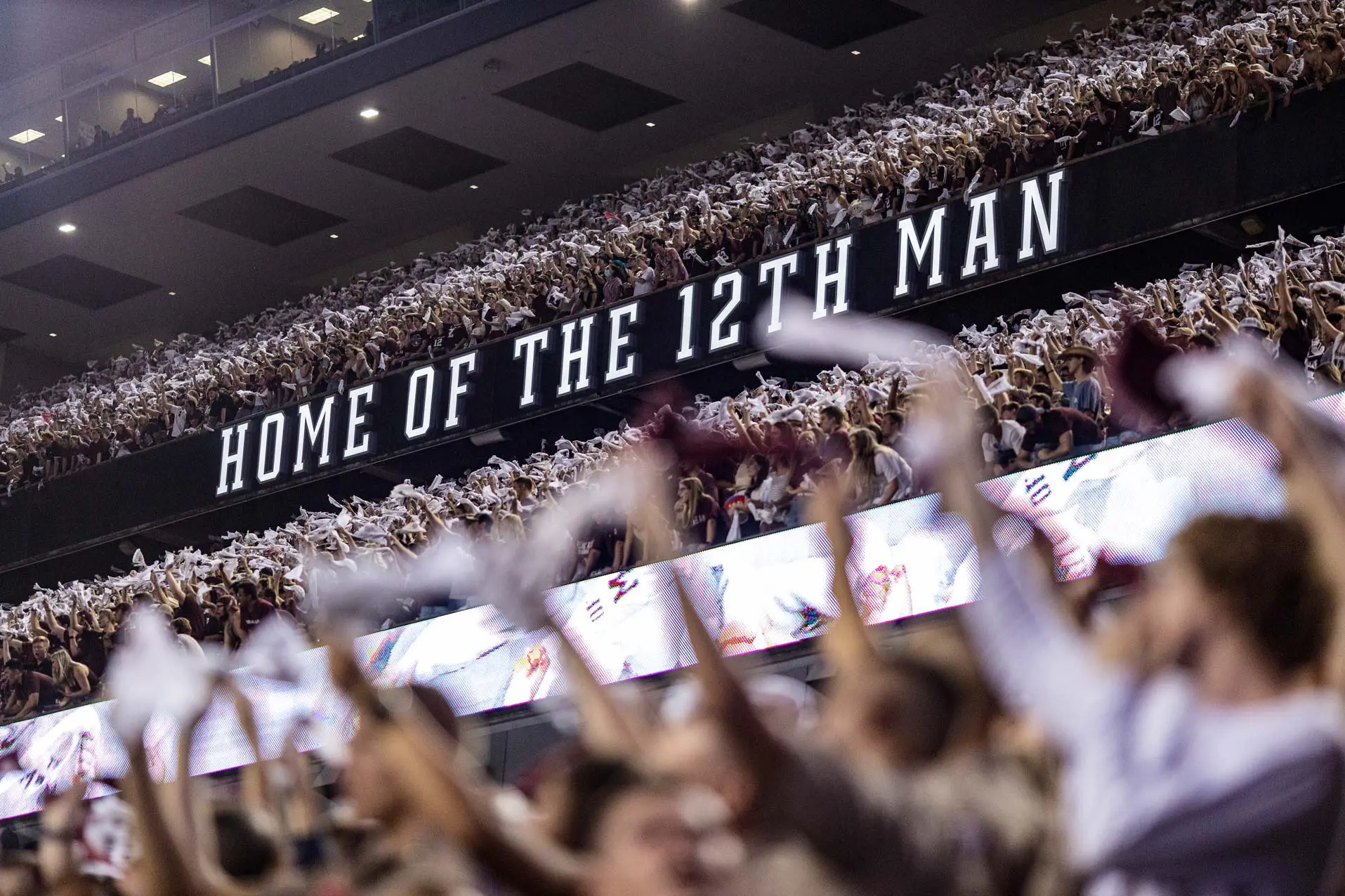
By 2026, the legacy of E. King Gill remains the bedrock of Texas A&M’s identity. It is why the entire student body at Kyle Field stands throughout the duration of every game—symbolizing their readiness to step onto the field if their team requires them. This tradition has evolved into a massive organizational framework, including the "Midnight Yell Practice," where tens of thousands of fans gather the night before a game to synchronize their support.
The Professional Evolution: The Seattle Seahawks and "The 12s"
In the National Football League (NFL), the concept of the 12th man found a professional home with the Seattle Seahawks. While the term was used by several teams in the mid-20th century, the Seahawks were the first to formalize it as a central pillar of their brand identity. In 1984, under the leadership of President Mike McCormack, the Seahawks retired the number 12 jersey as a tribute to their fans.
The impact of the 12th man in Seattle is more than just symbolic; it is measurable. The architecture of Lumen Field (formerly CenturyLink Field) was intentionally designed with overhanging roofs that reflect crowd noise back onto the field. This creates a deafening environment that frequently leads to "false start" penalties for opposing offenses.
In 2013 and 2014, Seahawks fans twice broke the Guinness World Record for the loudest crowd roar at an outdoor stadium, reaching a peak of 137.6 decibels. This level of noise is comparable to standing 50 feet away from a jet engine taking off. In 2026, the Seahawks continue to celebrate this tradition by having a prominent local figure or celebrity "Raise the 12 Flag" at the stadium before kickoff, a ritual that has become a hallmark of the Seattle sports experience.
Trademark Wars: Protecting the "12th Man" Brand
While many teams use the phrase colloquially, the legal ownership of the "12th Man" trademark is a point of significant technical and legal importance. Texas A&M University filed for and received federal trademark registrations for the term in 1990. Since then, the university has been aggressive in defending its intellectual property to prevent the term from becoming generic.
The most notable legal conflict occurred in 2006 when Texas A&M sued the Seattle Seahawks for trademark infringement. The two parties eventually reached a settlement that allowed the Seahawks to continue using the term under a licensing agreement. Key aspects of this and subsequent agreements included:
- Financial Compensation: The Seahawks paid an initial fee and annual royalties to Texas A&M for the right to use the mark.
- Usage Restrictions: The Seahawks were restricted from using the term on merchandise for sale and were required to acknowledge Texas A&M’s ownership in certain contexts.
- The Shift to "The 12s": As the licensing agreements evolved toward 2026, the Seahawks moved toward branding their fanbase as "The 12s" and using the "12" logo rather than the full phrase "12th Man," allowing them greater freedom in merchandising and global branding without infringing on Texas A&M's primary mark.
Other organizations, such as the Buffalo Bills and Indianapolis Colts, have also had to navigate these trademark waters. The Bills previously used the "12th Man" for their "Wall of Fame" but reached an agreement with Texas A&M to use the term "Buffalo Bills 12th Man" in a limited capacity before eventually transitioning to other fan-centric branding.
The 12th Man in Association Football (Soccer)
The concept of the 12th man is equally prevalent in global soccer, though it rarely carries the same legal trademark baggage found in the United States. In Europe, South America, and Asia, fans are often referred to as the "12th man" to emphasize their role in driving the team’s energy through songs, "tifo" displays, and rhythmic chanting.
Many prominent soccer clubs have retired the number 12 jersey as a permanent tribute to their supporters. These include:
- FC Bayern Munich (Germany): One of the most successful clubs in the world, Bayern has long reserved the number 12 for its fans.
- Lazio (Italy): Known for their passionate and sometimes controversial "Ultras," Lazio officially retired the number in 2003.
- Rangers FC (Scotland): The Glasgow-based club utilizes the 12th man concept to foster a deep sense of community and loyalty among its massive following.
- Feyenoord (Netherlands): The fans at De Kuip are legendary for their intensity, and the club treats the number 12 as a sacred fan asset.
In these contexts, the "12th man" is often synonymous with the most organized fan groups, who coordinate atmosphere-building activities for the entire 90 minutes of a match. This is considered a vital component of "Home-Field Advantage," particularly in two-legged knockout tournaments where "away goals" or aggregate scores are at stake.
The Anatomy of Home-Field Advantage
The effectiveness of the 12th man is rooted in both psychological and physiological factors. Statistical analysis of professional sports consistently shows that home teams win more than 50% of the time, and the 12th man is a primary driver of this phenomenon.
1. Communication Breakdown
In American football, the quarterback uses verbal commands (cadence) to signal the start of a play. When crowd noise exceeds 100 decibels, these commands become inaudible. This forces the offense to use a "silent count," which relies on visual cues (like the center tapping his leg). This slight delay in reaction time gives the defensive line a massive advantage, leading to sacks and tackles for loss.
2. Referee Bias
Research in sports psychology suggests that intense crowd pressure can unconsciously influence officiating. Referees are human, and the collective roar of 70,000 people protesting a call or demanding a penalty can create a cognitive bias toward the home team. While modern technology like VAR (Video Assistant Referee) and hawkeye systems in 2026 have mitigated some of this, the human element remains a factor.
3. Adrenaline and Fatigue
For the home players, the rhythmic chanting and cheering of the 12th man trigger the release of adrenaline. This can mask physical fatigue and improve focus during the high-stakes "clutch" moments of a game. Conversely, for the visiting team, the hostile environment increases cortisol levels, which can impair fine motor skills and decision-making.
Comparison of Iconic 12th Man Traditions
| Organization | Key Ritual | Legal Status of "12th Man" | Primary Impact |
|---|---|---|---|
| Texas A&M University | Standing for the entire game | Registered Trademark Owner | Institutional identity and student unity |
| Seattle Seahawks | Raising the "12" Flag | Licensed/Transitioned to "The 12s" | Strategic noise and false start penalties |
| Bayern Munich | Retired #12 Jersey | General/Cultural Usage | Global fan loyalty and branding |
| Portsmouth FC | The "Pompey Chimes" chant | General/Cultural Usage | Constant vocal pressure on opponents |
| Lazio | Curva Nord Ultras displays | General/Cultural Usage | Intense, intimidating stadium atmosphere |
Practical Guidance for Fans: Embodying the 12th Man
Being an effective 12th man requires more than just attending a game; it involves active participation in the strategic environment of the stadium. In 2026, many stadiums have integrated digital tools to enhance this participation.
- Timing the Noise: For football fans, the most critical time to be loud is when the opposing team is in the "huddle" or approaching the line of scrimmage. Noise during the home team's offensive possession is counter-productive, as it hinders the home quarterback’s communication.
- Synchronized Chants: Whether it’s the "A-G-G-I-E-S" yell or a traditional soccer anthem, synchronization increases the perceived volume and psychological impact compared to scattered shouting.
- Visual Intimidation: The use of "12th Man Towels," flags, and color-coordinated clothing (e.g., the "White Out" at Penn State or the "Sea of Blue" at Manchester City) creates a visual wall that can be disorienting for opponents.
- Digital Engagement: As of 2026, many teams use official apps to coordinate light shows or synchronized vibrations on fans' mobile devices, creating a multi-sensory 12th man experience.
FAQ
Does anyone besides Texas A&M own the "12th Man" trademark?
Texas A&M University is the primary owner of the federally registered trademark for "12th Man" in the United States. Other teams that use the term generally do so under a licensing agreement or have transitioned to different phrasing, such as "The 12s," to avoid legal disputes. Outside the U.S., trademark laws differ, and the term is often used freely as a cultural descriptor.
How loud does a crowd have to be to be considered a "12th Man" factor?
While any level of support is beneficial, the "12th Man" factor becomes a tactical advantage in American football when noise levels exceed 100-110 decibels. At this level, verbal communication on the field becomes nearly impossible. For context, the Seattle Seahawks' record of 137.6 decibels is loud enough to cause physical pain and immediate ear damage without protection.
Why do Texas A&M students stand during games?
The tradition of standing symbolizes the story of E. King Gill, who stood ready on the sidelines in 1922 to enter the game if his team ran out of players. By standing, the "12th Man" (the student body) shows they are always ready to support their team and will not rest until the job is done.
Can the 12th man actually cause a team to lose?
Indirectly, yes. If the crowd noise is loud enough to cause multiple "false start" or "delay of game" penalties, it can change the field position and momentum of a game. Statistically, teams with strong "12th man" environments have higher winning percentages at home than the league average.
Is the number 12 always retired for fans?
No, it varies by club. While many soccer clubs like Bayern Munich and Feyenoord have retired it, other teams still assign the number 12 to active players. In the NFL, the Seahawks are the most notable team to have retired the number specifically for the fans.
Next Steps for Fans and Researchers
To truly understand the 12th man, one must experience the atmosphere of a live event at a venue like Kyle Field or Lumen Field. For those looking to dive deeper into the business and legal aspects, researching the United States Patent and Trademark Office (USPTO) records for "12th Man" provides a fascinating look at how sports branding is protected.
If you are a fan looking to maximize your impact, download your team's official stadium app to stay updated on 2026's latest synchronized "12th Man" rituals and noise-making guidelines. Remember that the 12th man is a responsibility—one that requires preparation, timing, and unwavering loyalty regardless of the score on the board.