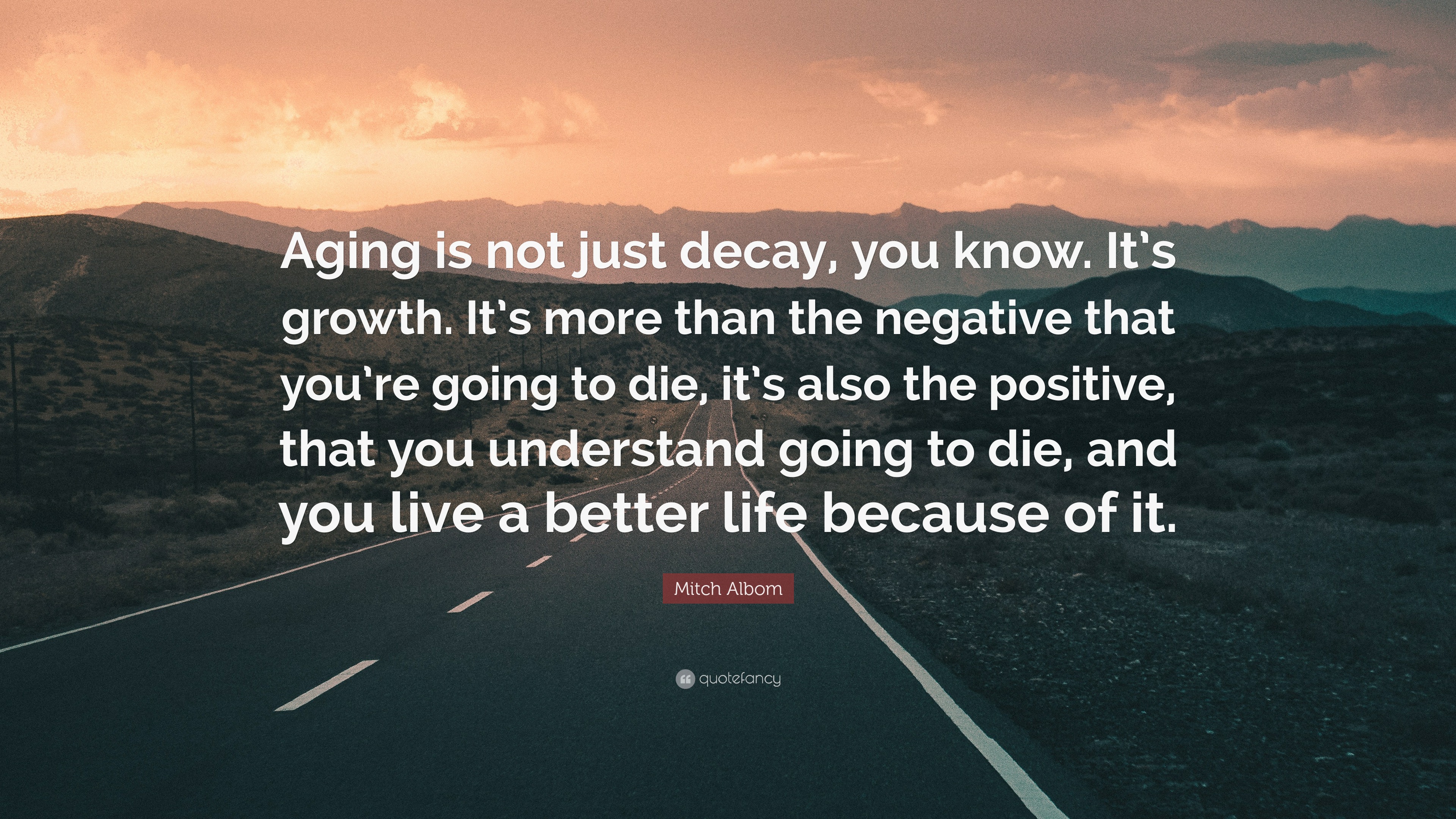
Mitch Albom is widely recognized as a titan of contemporary inspirational literature, yet his career trajectory spans far beyond the pages of his bestselling memoirs. From his unlikely start as a semi-professional musician and nightclub pianist to his influential tenure as a sports journalist and philanthropist, Albom’s life is defined by a unique intersection of media, music, and profound social advocacy.
1. A Musician Before a Writer
Long before he became a household name for his explorations of life and death, Mitch Albom harbored dreams of a career in the music industry. During his early twenties, Albom lived in Europe, where he survived primarily by playing piano in nightclubs and hotels. His musical background was not merely a hobby; he was a serious student of the craft and played in various bands. This period of his life instilled in him a rhythmic sensibility that arguably influences his prose style today. While he eventually pivoted toward journalism, music remained a constant, and he has often incorporated songs into his stage productions and charity work.
2. The Sports Journalism Foundation
While many readers associate Albom with the philosophical themes of Tuesdays with Morrie, his primary professional identity for decades was that of a hard-hitting sports columnist. Based in Detroit for most of his career, Albom became one of the most widely read sports journalists in the United States. He held a long-standing position at the Detroit Free Press, where he was named the best sports columnist in America by the Associated Press Sports Editors an unprecedented number of times. His ability to find the human narrative within the competitive, data-driven world of professional sports established the template for his later storytelling career.
3. The "Tuesdays with Morrie" Phenomenon
Perhaps the most surprising aspect of Albom’s breakout success is how accidental it was. Albom did not set out to write a bestseller when he began visiting his former sociology professor, Morrie Schwartz, who was dying of Amyotrophic Lateral Sclerosis (ALS). He started these weekly visits as a way to reconnect with a mentor. He only began writing down their conversations to raise money to cover Morrie’s medical bills. The manuscript was rejected by numerous publishers who believed a book about a dying man would not sell. When it was finally published, it spent hundreds of weeks on the New York Times Bestseller list, becoming a cultural phenomenon that changed the trajectory of his life.
4. An Active Humanitarian in Detroit
Albom is not a distant celebrity who uses his influence for passive causes; he is deeply embedded in the civic fabric of Detroit. He has founded or helped operate numerous charities in the city, including A Time to Help, S.A.Y. Detroit, and the A Hole in the Roof Foundation. These organizations address critical gaps in the city's social safety net, providing everything from medical clinics for uninsured children to housing for homeless women and their families. His commitment to these projects is hands-on, often involving his own time and personal fundraising efforts, which distinguishes him from many authors who limit their philanthropy to financial donations.
5. The "Rock Bottom Remainders" Band
Proving that he never truly left his musical roots behind, Mitch Albom is a member of the Rock Bottom Remainders. This unique band consists of a group of famous authors, including Stephen King, Amy Tan, and Dave Barry. The group performs at book fairs and charity events, primarily playing classic rock and roll covers. For Albom, this is more than just a novelty act; it is a way to bridge the gap between the solitary work of writing and the communal, high-energy environment of live performance. The band has raised significant funds for literacy programs over the years.
6. Television and Radio Presence
Albom has maintained a dual career in broadcast media for nearly as long as he has been a writer. He hosts a long-running radio show on WJR in Detroit, which provides him with a daily platform to discuss everything from local politics to national news. Additionally, he has been a frequent contributor to ESPN’s The Sports Reporters and other television programs. His ability to synthesize complex stories into concise segments for television and radio sharpened his skill in creating the lean, punchy chapters that define his fictional and non-fictional books.
7. The Philosophical Depth of His Fiction
While Albom is best known for his true-life memoirs, his fictional works, such as The Five People You Meet in Heaven and The First Phone Call from Heaven, are deeply rooted in his personal theology. He often explores the concept of the afterlife as a means to resolve the "unfinished business" of earthly life. Unlike typical fantasy or speculative fiction, Albom’s novels act as an extension of his journalistic inquiry into human behavior. He uses his fiction to ask questions that he cannot fully answer through reporting, effectively using the novel as a laboratory for ethical and moral thought experiments.
8. A Prolific Stage Playwright
Beyond books, radio, and journalism, Albom has become an accomplished playwright. He has adapted Tuesdays with Morrie for the stage (co-written with Jeffrey Hatcher) and has produced several original plays. His work on stage reflects his obsession with dialogue; he is a master of the "two-hander," a play featuring only two characters, which allows him to focus intensely on the chemistry and intellectual tension between personalities. This transition to theater was a natural evolution for an author whose most famous work is essentially a series of long-form conversations.
9. His Relationship with His Subjects
A recurring criticism or point of fascination regarding Albom is the blurred line between subject and observer. In his journalism and memoir writing, Albom rarely remains a fly on the wall. He is a participant in the stories he writes. Whether he is the student returning to the professor or the journalist investigating the life of a dying child, he inserts his own reactions and emotional shifts into the narrative. This subjective approach has become his signature, polarizing some critics who prefer traditional journalistic distance while winning over millions of readers who feel he serves as their proxy within the story.
10. The 2026 Status of His "S.A.Y. Detroit" Initiatives
As of 2026, Albom’s commitment to Detroit remains the central focus of his daily life. The S.A.Y. (Super All Year) Detroit project has evolved into a massive, multi-faceted organization that operates, among other things, a family health clinic that provides free care to those without insurance. By 2026, his model of "charity as a local institution" has been cited by various civic leaders as a blueprint for how high-profile figures can effectively revitalize urban centers. He continues to write, but he often notes in interviews that his professional identity is now more akin to that of a social entrepreneur who uses writing as a primary fundraising tool.
Comparison of Key Career Pillars
| Career Pillar | Primary Function | Impact |
|---|---|---|
| Journalism | Reporting & Commentary | Established his voice and professional reputation. |
| Literature | Storytelling & Philosophy | Provided global reach and cultural influence. |
| Philanthropy | Service & Infrastructure | Created sustainable local change in Detroit. |
| Music | Expression & Fundraising | Provided a creative outlet and community connection. |
Frequently Asked Questions (FAQ)
1. Is Mitch Albom still writing sports columns? While he occasionally contributes commentary, his focus has shifted significantly toward his novels, plays, and philanthropic endeavors. His primary media presence is now concentrated in his radio show and his various charitable board roles.
2. Where can I find information on Mitch Albom’s current charities? His primary organization, S.A.Y. Detroit, maintains an official website that lists all current initiatives, volunteer opportunities, and donation guidelines for the 2026 calendar year.
3. Are all of Mitch Albom’s books autobiographical? No. While his most famous works, such as Tuesdays with Morrie and The Five People You Meet in Heaven, draw heavily from personal experience and spiritual contemplation, he has written several works of pure fiction that explore different narrative themes.
4. Does Mitch Albom still play with the Rock Bottom Remainders? Yes, the band continues to perform sporadically for charity events, though their tour schedule is irregular, depending on the availability of the various authors involved.
5. How has his writing changed over time? Early in his career, his writing was characterized by the sharp, deadline-driven style of sports journalism. As he moved into long-form literature, his prose became more meditative and metaphorical, focusing increasingly on existential themes.
6. Is his work appropriate for all age groups? His books are generally written for an adult audience, though many of his works are frequently assigned in high school literature or sociology courses due to their focus on ethics, death, and human connection.
Final Recommendation
To truly understand the depth of Mitch Albom’s career, move beyond his most famous bestsellers. Readers interested in his growth should explore his earlier sports journalism collections, which reveal the development of his journalistic voice, and contrast those with his recent plays. If you are in the Detroit area, consider volunteering for one of his S.A.Y. Detroit initiatives to witness firsthand how his philosophy on "giving back" is implemented in real-world, service-based environments.