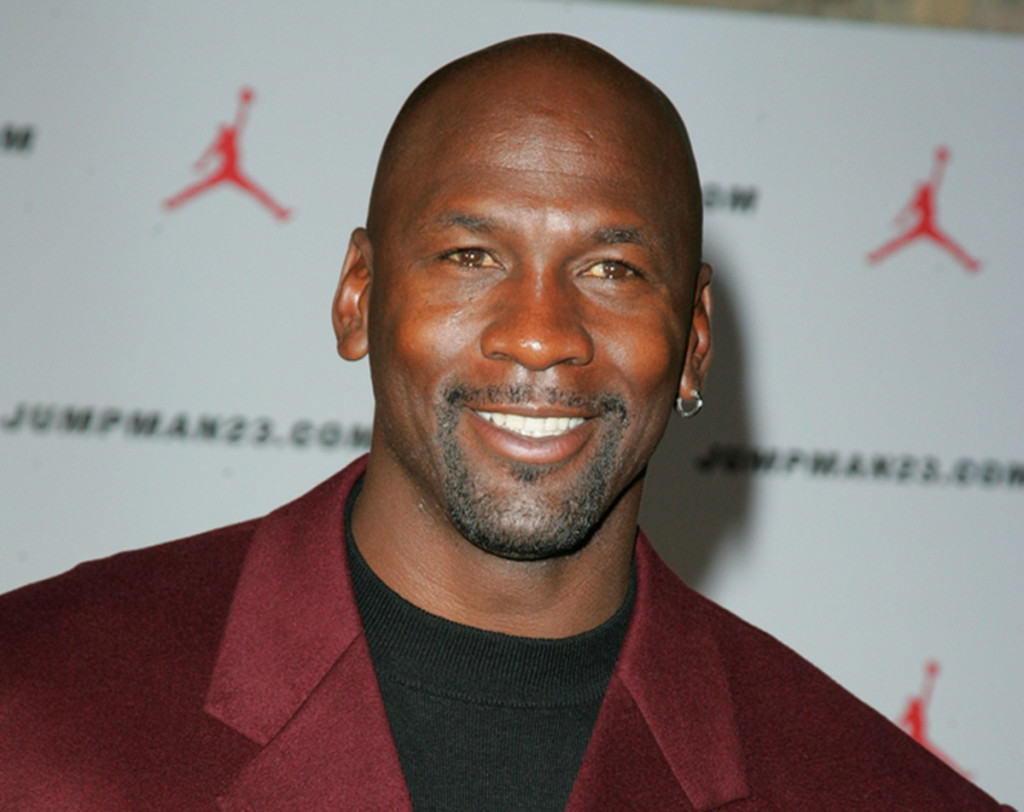
Michael B. Jordan has firmly established himself as one of the most versatile and influential actors of his generation, transitioning from child modeling to iconic roles in critically acclaimed films and high-stakes blockbusters. His career is marked by a deep commitment to storytelling, physical discipline, and behind-the-scenes production, making him a central figure in modern Hollywood as both a performer and a visionary creator.
Early Life and The Path to Acting
Born Michael Bakari Jordan on February 9, 1987, in Santa Ana, California, he was named by his mother, Donna, a high school counselor. His middle name, Bakari, is Swahili for "noble promise." He grew up in Newark, New Jersey, which he considers his true hometown. Interestingly, his parents did not initially push him into acting. He began his career by accident; while at a doctor’s office with his mother, an office staffer noticed him and suggested he try modeling.
He soon appeared in print advertisements for retailers like Modell’s Sporting Goods and Toys "R" Us. These early experiences in front of the camera helped him develop the comfort and charisma that would eventually define his screen presence. His transition to acting was fueled by a natural curiosity, landing his first professional role in 1999 as a small part in an episode of The Sopranos.
Breaking Through: Television Origins
Before he became a cinematic powerhouse, Jordan cut his teeth on television. His breakout role came in 2002 when he played the tragic, young drug dealer Wallace in the seminal HBO series The Wire. Despite his character’s early exit, his performance was widely praised for its emotional depth and realism.
Following The Wire, he continued to build his reputation with roles in All My Children, where he replaced Chadwick Boseman, and the football drama Friday Night Lights. Playing quarterback Vince Howard in Friday Night Lights required intense athletic preparation, a theme that would recur throughout his professional life. His time on Parenthood further demonstrated his ability to play nuanced, relatable characters, solidifying his status as a reliable and compelling dramatic actor.
The Ryan Coogler Partnership
Perhaps the most significant professional relationship in Jordan’s career is his collaboration with director Ryan Coogler. Their synergy began with Fruitvale Station (2013), where Jordan’s portrayal of Oscar Grant III earned him immense critical acclaim and served as a manifesto for his range as an actor.
This partnership continued with the Creed franchise, where Jordan took on the mantle of Adonis Creed. To prepare for these roles, Jordan underwent rigorous boxing training, often pushing his body to the limit to ensure his portrayal of a professional athlete was authentic. This dedication to physical accuracy is a hallmark of his process. Their creative union reached a global peak with Black Panther (2018), where Jordan’s performance as Erik Killmonger introduced one of the most compelling and empathetic antagonists in the history of the Marvel Cinematic Universe.
Notable Filmography and Career Milestones
Jordan’s film career is characterized by both dramatic weight and commercial ambition. The following table highlights key projects that define his trajectory.
| Film/Series | Year | Role | Significance |
|---|---|---|---|
| The Wire | 2002 | Wallace | Early critical recognition for raw talent |
| Fruitvale Station | 2013 | Oscar Grant | First major lead, cemented dramatic acclaim |
| Creed | 2015 | Adonis Creed | Global stardom and physical transformation |
| Black Panther | 2018 | Erik Killmonger | Iconic villain performance, cultural impact |
| Just Mercy | 2019 | Bryan Stevenson | Advocacy-driven performance; production debut |
| Creed III | 2023 | Adonis Creed | Directorial debut; franchise expansion |
Directorial Ambitions and Production Work
Jordan’s interest in cinema extends beyond acting. Through his production company, Outlier Society, he has actively pushed for inclusive hiring practices in Hollywood. He famously included an "inclusion rider" in his contracts, a clause that mandates a diverse production crew.
His directorial debut in Creed III (2023) signaled a shift toward total creative control. By directing himself, he was able to shape the narrative of Adonis Creed's legacy, exploring themes of family, rivalry, and trauma. This transition from talent to filmmaker is part of a broader strategy to influence the industry standards regarding representation and storytelling equity.
Physicality and Training Regimes
The physical transformation required for roles like Adonis Creed is legendary. Jordan works closely with trainers to achieve a body composition that is both aesthetically intimidating and functionally athletic. His training typically involves high-intensity interval training (HIIT), heavy weightlifting, and specialized boxing technique work.
He maintains strict nutritional standards during filming, often citing the mental discipline required to sustain such a regime as being as important as the physical exertion itself. This dedication extends to his personal life; he is an avid fan of anime and pop culture, which he has integrated into his brand, even collaborating on a manga-inspired clothing collection.
FAQs: Understanding Michael B. Jordan
1. Is Michael B. Jordan related to Michael Jordan the basketball player? No, there is no biological relation. The shared name is purely coincidental, though he has often joked about the confusion caused by his name during his youth.
2. Why did he start the "inclusion rider"? He championed the inclusion rider to ensure that film sets reflect the diversity of the stories being told. It is a contractual tool to improve diversity in hiring for both on-screen and behind-the-scenes staff.
3. What was his directorial debut? His directorial debut was Creed III (2023), where he also starred in the titular role of Adonis Creed.
4. How does he prepare for physically demanding roles? He utilizes a combination of periodized strength training, caloric surplus for muscle building, and sport-specific training (such as boxing) to build functional, lean muscle mass.
5. What is his production company called? His company is called Outlier Society. It focuses on producing diverse, high-quality content across various genres.
6. Did he play sports in real life? While he was not a professional athlete, he played basketball in his youth and has gained significant expertise in boxing and football through his film roles, often training under professional athletes.
Professional Advocacy and Legacy
Beyond his film work, Jordan uses his platform to address social issues. His involvement in the Black Lives Matter movement and his work on films like Just Mercy—which examines systemic inequalities in the judicial system—reflect his commitment to social justice. By choosing projects that highlight the human condition, particularly within marginalized communities, he ensures his legacy is tied not just to his box office performance, but to his contributions to cultural discourse.
As of 2026, Jordan continues to balance big-budget studio projects with passion-driven independent work. His strategy involves building a library of work that spans genres—from action and comic book epics to intimate biopics—ensuring his longevity in an industry that often typecasts actors.
Next Steps for Fans and Researchers
For those interested in following his ongoing career, focusing on his production output through Outlier Society provides the best insight into his future creative direction. He is currently focused on developing projects that leverage his experience in both front-of-camera performance and executive production. Keeping an eye on his industry interviews and panel discussions at events like the Academy of Motion Picture Arts and Sciences remains the most accurate way to verify his upcoming projects and personal advocacy goals.