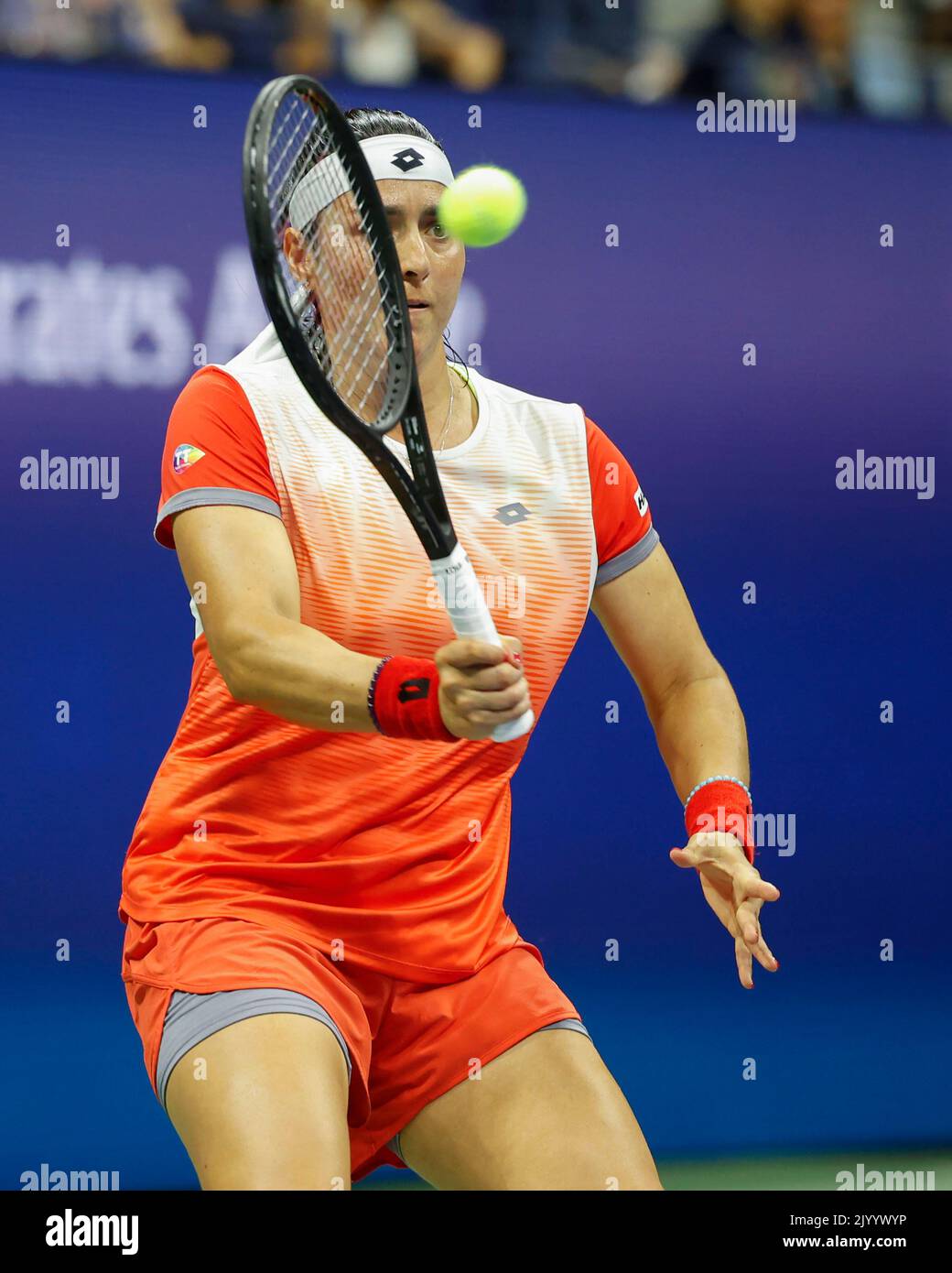
Ons Jabeur is from Tunisia, specifically born in the coastal town of Ksar Hellal and raised in the nearby city of Sousse. She represents her home country on the global tennis stage, making history as the first Arab and North African woman to reach a Grand Slam singles final and achieve a career-high ranking of world number two.
Understanding an elite athlete's background offers essential context for their sporting achievements, cultural impact, and professional trajectory. For professional tennis players, geographic origins influence training pathways, national sports infrastructure support, regional fan bases, and representation on the international Women's Tennis Association (WTA) tour. Ons Jabeur's origin story is deeply intertwined with her pioneering status in African and Arab tennis, shaping her role as a sports icon across multiple continents.
The Geographic and Cultural Roots of Ons Jabeur
Ons Jabeur was born on August 28, 1994, in Ksar Hellal, a town located in the Monastir Governorate of northeastern Tunisia. Shortly after her birth, her family relocated to Sousse, a major coastal city and a historic hub known for its Mediterranean climate, tourism, and vibrant local community. Growing up in Sousse provided Jabeur with her initial exposure to sports and the foundational environment necessary to develop her athletic coordination.
Tunisia, situated in North Africa between Algeria and Libya with a northern coastline along the Mediterranean Sea, possesses a rich cultural heritage that blends Arab, Islamic, Mediterranean, and African influences. While football (soccer) remains the undisputed national sport in Tunisia, Jabeur’s introduction to tennis at a young age deviated from the standard athletic pathways typical of her home country. Her mother, Samira, played recreational tennis and introduced her to the sport at a local club when she was just three years old.
Early Development and Training Infrastructure in Tunisia
Developing a world-class tennis player in a nation without a deeply established tradition of producing elite Grand Slam singles champions requires immense dedication, resourcefulness, and early institutional support. Jabeur’s initial training took place within Tunisian tennis clubs, where she quickly demonstrated exceptional racquet skills, touch, and tactical creativity.
At age 12, recognizing her prodigious talent and the limitations of domestic training facilities for an aspiring global professional, Jabeur moved to the capital city of Tunis. There, she enrolled at the Sport lumineux, a specialized sports boarding school designed to foster elite athletic talent while accommodating academic schedules. This move allowed her to access higher-level coaching, structured physical conditioning programs, and competitive junior circuits.
To contextualize the framework of Tunisian tennis development compared to traditional powerhouse nations, the following breakdown outlines key infrastructural factors:
| Factor | Tunisian Development Context (Ons Jabeur's Pathway) | Traditional Tennis Powerhouses (e.g., USA, Spain, France) |
|---|---|---|
| Domestic Infrastructure | Limited professional-grade hard and clay court complexes; reliance on multi-sport clubs. | Extensive national training centers, private academies, and regional federated structures. |
| Funding & Sponsorship | Initial reliance on family sacrifices, regional sports ministry backing, and early private sponsorships. | Robust corporate sponsorship networks, university athletic scholarships, and federation grants. |
| Competition Access | Required frequent, costly international travel to Europe for competitive junior and ITF tournaments. | Domestic circuits allow high-level competition with reduced travel expenses during early developmental years. |
| Coaching Expertise | Transitioned to European coaching bases (France/Belgium) during teenage years to access specialized elite mentorship. | Abundant local availability of former tour-level coaches and specialized hitting partners. |
Transition to International Training and Professional Breakthrough
While Tunisia provided the emotional anchor and initial proving ground for Jabeur, realizing her potential as a top-tier WTA competitor necessitated a move to European training environments. During her teenage years, she spent significant time training in France and Belgium, immersing herself in rigorous professional training camps that exposed her to the physical demands, tactical discipline, and mental resilience required on the international circuit.
Her junior career culminated in a historic victory at the 2011 French Open girls' singles tournament, where she defeated Monica Puig in the final. This triumph made her the first North African woman to win a junior Grand Slam title since 1964, signaling to the global tennis community that a major talent from Tunisia was emerging. Transitioning to the senior WTA tour presented standard hurdles, including physical conditioning adjustments, injury management, and financial strains, but her distinct style—characterized by deft drop shots, varied spins, and strategic variety—gradually earned her recognition among peers and analysts alike.
Historic Milestones and National Representation
Jabeur's professional career is defined by groundbreaking achievements that transcend standard athletic statistics. Representing Tunisia on the international stage, she carries the hopes of millions of fans across the Arab world and the African continent. Her breakthrough season arrived in 2021 when she won her first WTA singles title at the Birmingham Classic, becoming the first Arab woman to win a WTA tour-level title.
Subsequent years cemented her status among the elite. She reached consecutive Wimbledon singles finals in 2022 and 2023, as well as the US Open final in 2022. These runs made her the first African and Arab woman to contest a major singles final in the Open Era. Her peak ranking of world number two, achieved in September 2022, represents the highest ranking ever attained by an African or Arab tennis player in WTA or ATP history.
Despite splitting time between international tournament hubs and training bases in Europe, Jabeur maintains deep personal and cultural ties to Tunisia. She frequently expresses pride in her heritage, often speaking in Arabic during on-court interviews after major victories and serving as a prominent cultural ambassador for her country.
Frequently Asked Questions About Ons Jabeur's Background
What is Ons Jabeur's nationality?
Ons Jabeur is Tunisian. She holds Tunisian citizenship and proudly represents Tunisia in international tennis competitions, including the Fed Cup (now Billie Jean King Cup) and the Olympic Games.
Where was Ons Jabeur born?
She was born in Ksar Hellal, a town in the Monastir Governorate of Tunisia, and was raised primarily in the nearby coastal city of Sousse.
Where does Ons Jabeur currently live and train?
While her primary home and cultural roots remain in Tunisia, Jabeur spends a significant portion of the year traveling for the WTA tour and utilizing specialized training facilities in Europe, notably in France, to optimize her conditioning and surface preparation.
Has Ons Jabeur won any Grand Slam titles?
As of 2026, Jabeur has reached three Grand Slam singles finals (Wimbledon in 2022 and 2023, and the US Open in 2022), finishing as the runner-up in all three instances. She also won the 2011 French Open girls' singles title during her junior career.
What language does Ons Jabeur speak?
Jabeur is multilingual. She is fluent in Arabic (her native language), French, and English, allowing her to communicate effectively with international media, fans, and tournament officials across the globe.
Next Actions and Further Exploration
For readers interested in following Ons Jabeur's ongoing career or exploring tennis development in emerging regions, reviewing the official Women's Tennis Association (WTA) player profiles provides up-to-date match statistics, rankings, and tournament schedules. Additionally, examining regional sports development programs across North Africa offers deeper insight into how modern athletes navigate infrastructural challenges to reach the pinnacle of global sport.