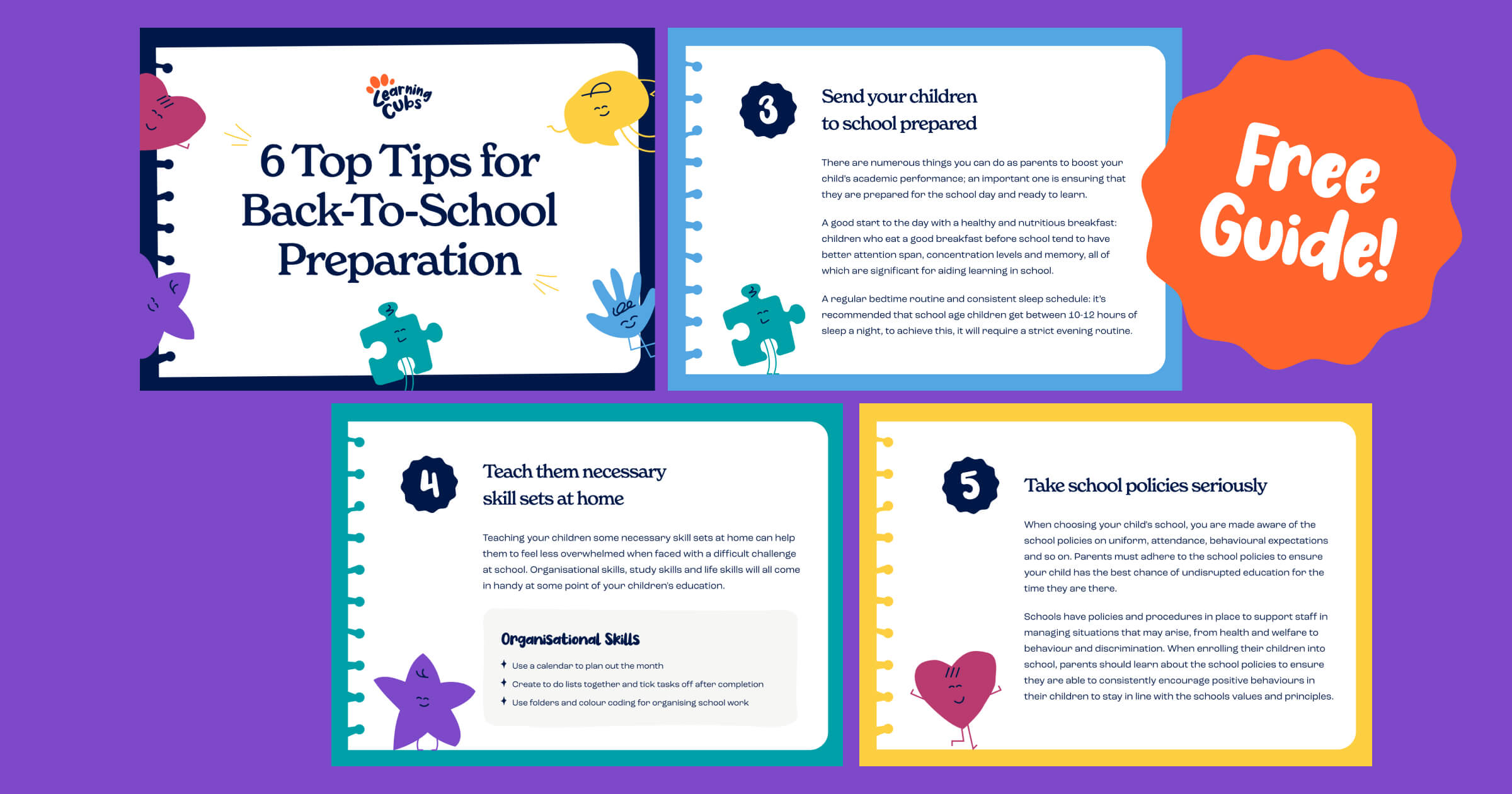
Transitioning back to the academic environment requires intentional planning, emotional readiness, and systematic time management to balance coursework, professional responsibilities, and personal obligations effectively. Whether you are returning to higher education after a multi-year hiatus, entering a professional certification program, or simply preparing for a new academic term, the shift from routine life to rigorous study demands a structured approach. Success depends less on raw talent and more on building sustainable habits, optimizing your physical study environment, and mastering cognitive strategies that enhance information retention and academic performance.
1. Define Clear, Realistic Academic Goals
Before diving into syllabi and textbooks, establish what you want to achieve during the term. Vague aspirations like "doing well" or "getting good grades" lack the operational clarity needed to guide daily decisions. Instead, set specific, measurable objectives for each course and your overall academic standing.
Breaking large objectives into manageable milestones reduces the psychological weight of a heavy course load. For example, rather than focusing on passing a final examination months away, target weekly reading completions, chapter summaries, and assignment drafts. Aligning your daily tasks with long-term goals ensures that every hour spent studying directly contributes to your academic progression, preventing burnout and maintaining motivational momentum.
2. Master Advanced Time Management and Scheduling
Time is the most finite resource for returning students, many of whom juggle families, full-time jobs, and social commitments. Effective time management begins with auditing your weekly schedule to identify open blocks of time suitable for deep, uninterrupted study.
Adopt digital calendar applications or traditional paper planners to map out commitments down to the hour. Utilize strategies like time-blocking, where specific blocks are dedicated exclusively to reading, writing, or attending lectures. Furthermore, apply the Pareto Principle—the 80/20 rule—by identifying the 20% of your study habits that yield 80% of your academic results, allowing you to focus your limited energy where it matters most.
- Block Scheduling: Dedicate contiguous blocks of 90 to 120 minutes for high-focus tasks like essay writing or complex problem-solving.
- Buffer Times: Insert 15-minute buffers between scheduled tasks to account for overruns and mental fatigue.
- Weekly Reviews: Spend 20 minutes every Sunday evening reviewing the upcoming week's deadlines and adjusting your schedule accordingly.
3. Design and Optimize Your Dedicated Study Environment
Your physical surroundings profoundly impact your cognitive focus and ability to retain information. Studying from a bed or a noisy kitchen table invites distractions and signals the brain to relax rather than engage in rigorous intellectual work.
Establish a dedicated workspace that is clean, well-lit, and ergonomically sound. Invest in a supportive chair, an adjustable desk, and adequate task lighting to minimize physical strain during long study sessions. Keep essential tools—such as highlighters, notebooks, charging cables, and reference materials—within arm's reach. Crucially, separate your study space from entertainment zones to condition your brain for deep work the moment you sit down.
4. Adopt Evidence-Based Learning and Note-Taking Techniques
Passive reading—such as highlighting text or rereading chapters—gives a false sense of mastery while yielding poor long-term retention. To succeed academically, transition to active learning methodologies backed by cognitive science.
Incorporate active recall, spaced repetition, and the Feynman Technique into your study routine. When taking notes during lectures or from readings, avoid transcribing words verbatim. Instead, synthesize concepts in your own language, draw diagrams to map relationships between ideas, and frame complex topics as if you were teaching them to a beginner.
| Learning Method | Description | Best Used For |
|---|---|---|
| Active Recall | Testing your memory through self-generated questions rather than passive review. | Memorizing definitions, formulas, and historical facts. |
| Spaced Repetition | Reviewing material at increasing intervals of time to combat the forgetting curve. | Long-term vocabulary acquisition and complex concept retention. |
| Feynman Technique | Explaining a complex topic in simple, jargon-free terms to identify knowledge gaps. | Mastering abstract theories and multi-step processes. |
5. Leverage Digital Tools and Academic Software
Technology can either be a catastrophic distraction or a powerful productivity multiplier. Modern students have access to sophisticated software ecosystems designed to streamline research, organization, and collaboration.
Integrate reference management tools to organize citations and bibliographies effortlessly. Utilize cloud storage solutions to ensure your coursework is backed up across multiple devices, preventing catastrophic data loss. Finally, minimize digital distractions during study blocks by employing website blockers and turning off non-essential notifications on your smartphone and computer.
6. Build a Support Network and Engage with Instructors
Academic success is rarely a solitary endeavor. Building a robust support system—comprising classmates, family members, mentors, and instructors—provides essential emotional encouragement and academic troubleshooting.
Introduce yourself to peers in your classes early in the term to form study groups. Collaborative learning exposes you to alternative perspectives and helps clarify challenging concepts. Furthermore, do not hesitate to utilize your instructors' office hours. Faculty members are valuable resources who can clarify grading criteria, recommend supplemental reading, and offer guidance on professional development within your field of study.
7. Prioritize Mental Health and Physical Well-being
It is a common mistake for returning students to sacrifice sleep, nutrition, and exercise in pursuit of academic perfection. However, chronic sleep deprivation and physical neglect impair cognitive function, memory consolidation, and emotional regulation.
Maintain a consistent sleep schedule that allows for seven to nine hours of quality rest each night. Incorporate regular physical activity into your weekly routine, even if it is only a brisk daily walk, to reduce stress hormones and enhance neuroplasticity. Remember that taking intentional breaks is an investment in your cognitive stamina, not a waste of time.
8. Develop Financial Literacy and Resource Management
Going back to school involves significant financial considerations, including tuition, textbooks, software licenses, and potential income reduction if you reduce work hours. Proactive financial management prevents money-related stress from derailing your studies.
Create a detailed academic budget at the beginning of the term. Explore cost-saving strategies such as renting textbooks, purchasing used editions, utilizing open-source educational resources, and investigating institutional scholarships or employer tuition-assistance programs. Keeping your financial obligations organized allows you to focus your mental energy entirely on your coursework.
9. Practice Proactive Problem-Solving and Troubleshooting
Obstacles are inevitable during an academic term. You may encounter a difficult professor, a confusing module, or an unexpected personal emergency that disrupts your schedule. The hallmark of a successful student is resilience and adaptability when faced with setbacks.
When you begin struggling with a concept, address it immediately rather than letting it compound. Utilize campus tutoring centers, online academic forums, and office hours at the first sign of difficulty. If an external crisis forces you to fall behind, communicate proactively with your instructors to negotiate extensions or alternative arrangements before deadlines pass.
10. Reflect, Adapt, and Maintain Continuous Improvement
Academic success is an iterative process. What works during the first week of the term may require adjustment by midterm examinations. Regularly evaluate your academic performance and study habits to identify areas for improvement.
After receiving graded assignments or exam results, conduct a post-mortem review. Analyze where you lost points: Was it a lack of conceptual understanding, poor time management during the exam, or careless errors? Use these insights to refine your approach for subsequent assignments, ensuring that you continually evolve throughout your educational journey.
Frequently Asked Questions
How can I balance a full-time job while going back to school?
Balancing work and school requires rigorous time management and boundary setting. Treat your study blocks with the same non-negotiable professionalism as work meetings. Communicate with your employer about your educational goals, as some companies offer flexible hours or remote work options. Prioritize high-impact tasks and learn to say no to non-essential commitments during the academic term.
What are the best methods for retaining complex information quickly?
To retain complex information efficiently, combine active recall with spaced repetition. Instead of rereading textbooks, test your understanding by answering end-of-chapter questions or creating flashcards using software like Anki. Breaking study sessions into 25-to-50-minute focused intervals (such as the Pomodoro Technique) also prevents cognitive fatigue and improves encoding into long-term memory.
How do I deal with academic burnout when returning to school?
Academic burnout stems from prolonged stress without adequate recovery. Combat it by establishing clear boundaries between work, school, and rest. Ensure you are getting adequate sleep, eating nutritious meals, and scheduling downtime for hobbies and socialization. If burnout persists, consider reducing your course load for the following term or speaking with a campus counselor.
Are physical textbooks better than digital textbooks for learning?
Research suggests that print materials often facilitate deeper comprehension and retention compared to digital screens, primarily due to reduced eye strain and fewer digital distractions. However, digital textbooks offer advantages such as portability, searchability, and lower cost. The best format depends on your personal learning style, budget, and access to devices.
Next Actions for Success
To turn these strategies into concrete results, choose two or three tips from this guide to implement immediately this week—such as establishing a dedicated study schedule or setting up your physical workspace. Review your course syllabi, map out major deadlines on your digital calendar, and take the first step toward achieving your educational objectives with confidence and clarity.