Hosting a memorable gathering relies heavily on setting the right tone from the moment your guests walk through the door, making a well-chosen starter course essential for a successful dinner party or casual get-together. Appetisers bridge the gap between arrival and the main meal, sparking conversation and whetting appetites without leaving guests too full before the primary dishes are served. Selecting the right bites requires balancing flavors, textures, temperatures, and preparation logistics so that you can spend time with your visitors rather than being trapped in the kitchen.
To help you curate a standout menu, this guide explores ten irresistible appetiser ideas ranging from elegant canapés to comforting warm bites. Each option is designed to impress through thoughtful presentation, balanced flavor profiles, and approachable execution, ensuring your next hosting event runs seamlessly.
Understanding the Anatomy of a Great Appetiser Menu
Before diving into specific recipes, successful hosting starts with understanding what makes an appetiser genuinely effective. A great starter should never mirror your main course; instead, it should offer a distinct culinary profile that awakens the palate. When planning a spread for a dinner party, cocktail hour, or holiday celebration, balance is the foundational principle you must master.
Balancing Flavors, Textures, and Temperatures
A well-rounded appetiser selection features a mix of contrasting elements. If you serve a rich, creamy cheese-based bite, pair it with something acidic, crisp, or bright, such as a quick-pickled vegetable or a citrus-infused vinaigrette drizzle. Similarly, incorporate a mix of textures: the crunch of toasted bread, the velvety smoothness of a puréed dip, and the tender bite of roasted protein.
Temperature management is equally critical for kitchen workflow. Try to divide your menu into three distinct categories:
- Room Temperature Items: Items like marinated olives, spiced nuts, or cured meat platters that can be prepared hours in advance and sit out safely.
- Cold Items: Salads, ceviche, or cold canapés that require refrigeration until the final minute of plating.
- Warm Items: Baked dips, pastries, or seared skewers that need oven space or stovetop attention just before serving.
Limiting yourself to no more than one or two items requiring last-minute stovetop cooking ensures you remain a relaxed host.
1. Fig, Goat Cheese, and Prosciutto Crostini
Combining sweet, savory, and creamy elements, this elegant crostini offers a sophisticated start to any meal while requiring minimal actual cooking time. The crispness of toasted baguette slices provides a sturdy structural base for rich, tangy goat cheese, sweet fresh figs (or fig jam when figs are out of season), and delicate folds of salty prosciutto di Parma.
To execute this properly, slice a sturdy French baguette on a bias, brush lightly with extra virgin olive oil, and bake at 200°C (400°F) until golden and crisp. Spread a generous layer of whipped goat cheese—softened with a splash of heavy cream or lemon zest—onto each slice. Top with a quarter of a fresh fig or a dollop of high-quality fig preserves, drape a small ribbon of prosciutto over the top, and finish with a micro-plane grating of fresh black pepper and a delicate drizzle of aged balsamic glaze.
2. Crispy Coconut Shrimp with Sweet Chili-Lime Dipping Sauce
For a crowd-pleasing finger food that introduces tropical warmth and satisfying crunch, crispy coconut shrimp remains an enduring favorite. Unlike standard breaded shrimp, this version uses a double-dip technique involving cornstarch, beaten egg, and a mixture of panko breadcrumbs and unsweetened shredded coconut.
Maintain high quality by purchasing raw, peeled, and deveined shrimp (around 16/20 or 21/25 count per pound) rather than pre-cooked shrimp, which easily turns rubbery when fried or baked. Dredge the shrimp lightly in seasoned cornstarch, dip in egg wash, and press firmly into the coconut-panko blend. Fry in neutral oil at 180°C (350°F) for two to three minutes until golden brown, or bake on a wire rack set inside a rimmed baking sheet at 220°C (425°F) for twelve minutes, flipping halfway through. Serve alongside a vibrant dipping sauce made from sweet chili sauce, freshly squeezed lime juice, and finely minced cilantro.
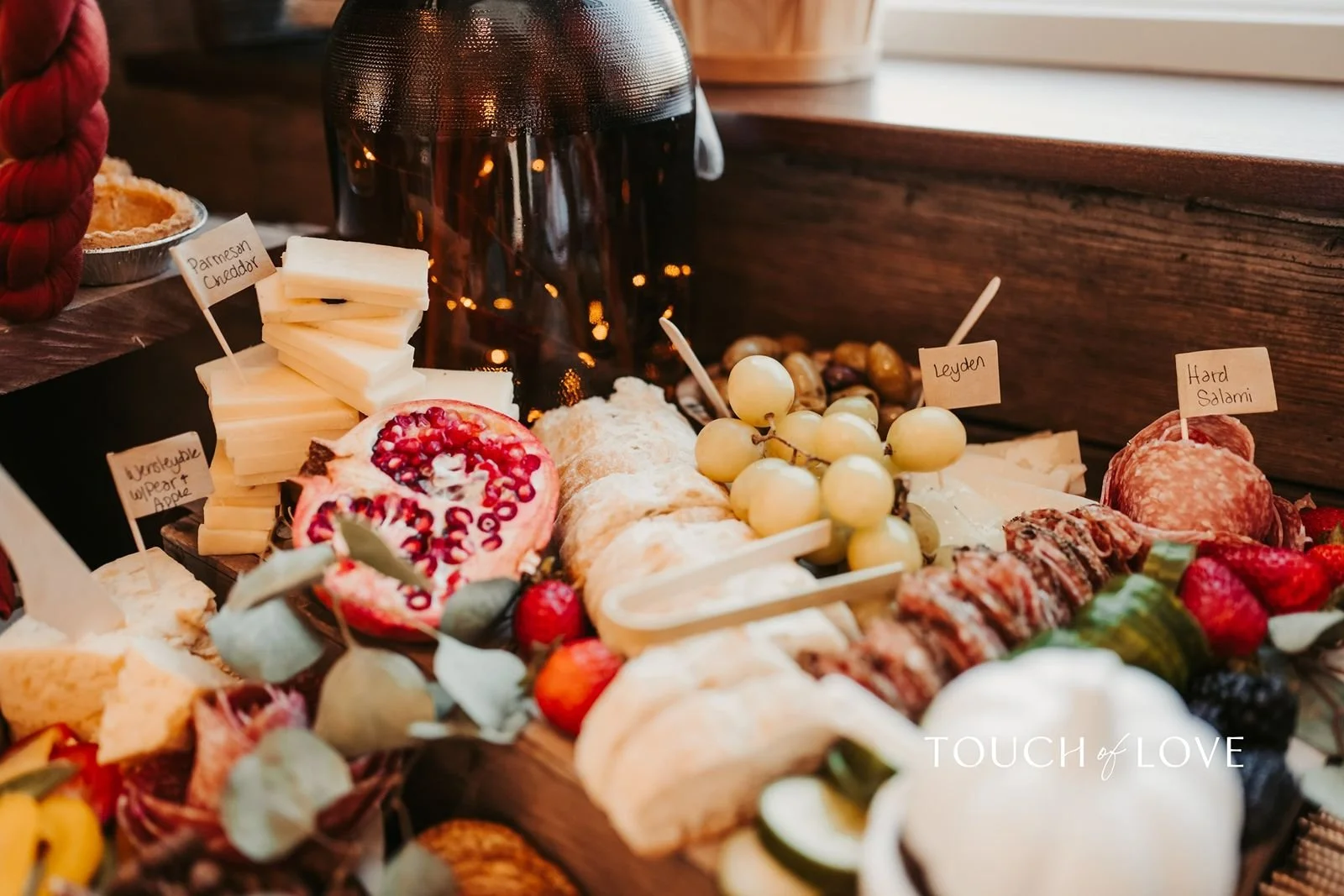
3. Artisanal Charcuterie and Crudité Board
A sprawling, visually stunning grazing board acts as both a centerpiece and a self-serve appetiser station that accommodates various dietary preferences effortlessly. The key to a professional-looking board is curation rather than overcrowding, focusing on a balance of flavors, colors, and heights.
| Element Category | Recommended Options | Purpose on the Board |
|---|---|---|
| Cured Meats | Prosciutto, Salami, Soppressata | Rich, savory proteins that pair well with wine |
| Cheeses | Aged Cheddar, Brie, Goat Cheese, Gorgonzola | Mix of firm, soft, and blue varieties for texture |
| Accompaniments | Marinated olives, cornichons, roasted nuts | Briny, acidic, and crunchy counterpoints |
| Carbohydrates | Sourdough crackers, baguette crisps, grissini | Neutral vehicles for cheeses and spreads |
Arrange the cheeses and meats first, folding the charcuterie into ribbons or loose piles to create dimension. Fill the gaps with clusters of fresh grapes, dried apricots, honeycomb, and bowls of grainy mustard or fig jam.
4. Baked Brie en Croûte with Pecans and Honey
Few culinary presentations elicit as much excitement as slicing into a golden, flaky puff pastry shell to reveal a warm, molten wheel of French Brie cheese. This classic French-inspired appetiser looks intensely intricate but relies on commercial convenience items to come together in under thirty minutes.
Start with a chilled round of Brie (approximately 200 to 400 grams). You can leave the rind intact, as it holds the cheese together while baking. Place the wheel in the center of a thawed sheet of puff pastry. Spoon a generous amount of toasted chopped pecans and a drizzle of wildflower honey or maple syrup directly onto the top of the cheese. Bring the corners of the puff pastry up and over the top, pinching and pleating the dough to seal it securely. Brush the pastry with an egg wash (one beaten egg mixed with a splash of milk) to ensure a glossy, golden-brown finish. Bake at 200°C (400°F) for twenty to twenty-five minutes until the pastry is puffed and deeply browned. Let it rest for ten minutes before serving with sliced apples, pears, and artisanal crackers.
5. Caramelized Onion and Goat Cheese Tartlets
Individual tartlets provide an upscale dining experience at home, allowing guests to enjoy a composed, single-serve pastry without needing to crowd around a communal platter. The star of this dish is deeply caramelized onions, which require patience to develop their natural sugars without burning.
Slice yellow onions thinly and cook them slowly in a heavy-bottomed skillet over medium-low heat with butter, a pinch of salt, and a splash of thyme, stirring occasionally for forty-five minutes until deeply golden brown and jammy. Press rounds of puff pastry or shortcrust pastry into a mini muffin tin. Fill each cavity with a spoonful of the caramelized onions, crumble fresh goat cheese over the top, and bake at 190°C (375°F) until the pastry edges are flaky and golden. Garnish with fresh thyme leaves just before serving.
6. Prosciutto-Wrapped Melon Skewers
When you want an appetiser that is refreshing, effortlessly elegant, and requires zero cooking, prosciutto-wrapped melon skewers offer a masterclass in the culinary principle of sweet-and-salty flavor pairing. This classic Italian combination gets a modern, party-friendly update by transforming it into handheld bites.
Cut cantaloupe or honeydew melon into neat, bite-sized cubes using a chef's knife or a melon baller. Wrap a small, neatly folded strip of prosciutto tightly around each melon cube, and thread them onto wooden cocktail picks or short metal skewers. To elevate the presentation, intersperse fresh basil leaves and mini bocconcini (fresh mozzarella balls) between the melon and prosciutto. Finish with a drizzle of thick balsamic glaze and a crack of white pepper right before guests arrive.
7. Spanish Garlic Shrimp (Gambas al Ajillo)
Transport your guests to a coastal tapas bar in Spain with sizzling, garlicky shrimp served directly from a hot earthenware cazuela or heavy skillet. This dish is remarkably simple, relying on the quality of just a few ingredients: fresh shrimp, good olive oil, lots of garlic, and a hint of heat from red pepper flakes.
Heat a generous amount of extra-virgin olive oil in a skillet over medium heat. Add thinly sliced garlic cloves and a pinch of dried red pepper flakes, cooking gently until the garlic turns lightly golden and fragrant—taking care not to let it burn, which turns it bitter. Turn the heat to high, add peeled raw shrimp, season with sea salt, and toss continuously for one to two minutes until the shrimp turn pink and opaque. Remove from heat immediately, stir in a handful of freshly chopped flat-leaf parsley, and serve piping hot with crusty bread for soaking up the rich, garlic-infused oil.
8. Stuffed Mini Bell Peppers with Herbed Ricotta
For a vibrant, vegetarian, and gluten-friendly option that adds bright color to your table, stuffed mini sweet peppers are an exceptional choice. Sweet mini peppers retain a slight crunch when roasted, contrasting pleasantly with a cool, creamy, herbed cheese filling.
Slice colorful mini bell peppers in half lengthwise and remove the seeds and membranes, keeping the stems intact for a rustic presentation. Drizzle lightly with olive oil, sprinkle with sea salt, and roast at 200°C (400°F) for fifteen minutes until tender and slightly blistered. Allow them to cool to room temperature. Meanwhile, prepare the filling by whipping whole-milk ricotta cheese with finely minced chives, fresh dill, lemon zest, minced garlic, salt, and pepper. Pipe or spoon the herbed ricotta mixture into the cooled pepper halves, and garnish with toasted pine nuts or a drizzle of chili oil for an extra layer of flavor.
9. Caprese Skewers with Balsamic Glaze Reduction
Caprese salads are beloved for their simplicity, but plating them as individual skewers eliminates the messy cutting and serving logistics of a traditional platter. This bite-sized variation highlights peak summer flavors, though it can be enjoyed year-round with reliable cherry tomatoes.
Thread ingredients onto wooden skewers in a specific, alternating pattern to ensure structural stability and aesthetic appeal: a folded basil leaf, a cherry tomato, a marinated mini bocconcini cheese ball, and another folded basil leaf. Lay the skewers flat on a serving platter and drizzle generously with a thick, syrupy balsamic reduction and extra-virgin olive oil. Season with flaky sea salt and cracked black pepper immediately before service so the salt does not draw out excess moisture from the tomatoes too early.
10. Crispy Polenta Bites with Wild Mushroom Ragù
To conclude your appetiser menu with something hearty, earthy, and deeply satisfying, crispy polenta cakes topped with a savory wild mushroom ragù offer an upscale vegetarian option that even dedicated meat-eaters will adore.
Cook instant polenta according to package directions with vegetable stock, a pat of butter, and grated Parmesan cheese. Pour the hot polenta into an oiled rimmed baking sheet to a thickness of two centimeters (three-quarters of an inch) and chill in the refrigerator until completely set and firm. Cut into neat squares, circles, or triangles, and pan-fry in a mixture of olive oil and butter over medium-high heat until golden brown and crispy on the outside while remaining creamy on the inside.
While the polenta cooks, sauté a mix of wild mushrooms (such as cremini, shiitake, and chanterelles) with shallots, garlic, thyme, and a splash of dry white wine until reduced and rich. Spoon the warm mushroom ragù generously over the crispy polenta cakes, garnish with freshly grated Parmesan and chopped parsley, and serve immediately.
Common Appetiser Preparation Mistakes to Avoid
Even experienced home cooks can run into pitfalls when preparing multi-component appetiser menus. Avoiding these frequent missteps ensures your gathering goes off without a hitch:
- Overcomplicating Last-Minute Assembly: Avoid choosing recipes that require frying, searing, or heavy assembly the exact moment your guests arrive. Prioritize items that can be baked ahead, served at room temperature, or assembled in advance.
- Neglecting Dietary Restrictions: Always check in with your guests regarding allergies or dietary preferences. Ensure your menu features at least two vegetarian, gluten-free, or dairy-free options that feel just as luxurious as the rest of the spread.
- Ignoring Plate Architecture: Ensure your guests have access to small plates, cocktail napkins, and appropriate cutlery if you are serving items that cannot be eaten in a single, clean bite.
Frequently Asked Questions About Hosting with Appetisers
How many appetiser pieces should I plan per person?
As a general rule of thumb, plan for four to six bites per person if you are serving an appetiser spread right before a full sit-down dinner. If you are hosting a cocktail party or open house where appetisers serve as the primary food source, increase your estimate to ten to twelve pieces per person for a two-hour event, scaling up slightly for longer gatherings.
Can I prepare these appetisers the day before?
Many components can be prepped in advance, but final assembly should happen close to serving time. For instance, you can bake polenta blocks, caramelize onions, and chop vegetables twenty-four hours ahead. However, crisp items like crostini, fried shrimp, and pastry-wrapped items should be toasted or baked just before guests arrive to maintain optimal textures.
What is the best way to keep warm appetisers hot during a party?
For items like baked brie or stuffed peppers, use insulated chafing dishes, slow cookers set to the "warm" function for dips, or keep your oven on its lowest warming setting (around 80°C / 175°F) with items resting on wire racks inside baking sheets. Avoid stacking warm, crispy items, as steam will quickly soften their crusts.
How do I balance hot and cold appetisers for a small gathering?
Aim for a 50/50 split between warm and cold items if you are serving four to six distinct dishes. This prevents your oven and stovetop from becoming a bottleneck during the party, allowing you to enjoy your own event alongside your guests.
Final Recommendations for Seamless Hosting
Creating a memorable appetiser experience is less about culinary complexity and more about thoughtful planning, textural contrast, and relaxed execution. Choose three to four recipes from this list that utilize different cooking methods—perhaps one baked item, one cold grazing board, one fresh skewer, and one warm stovetop bite. Prep your ingredients in advance, keep your presentation clean and inviting, and focus on enjoying the company of your guests as you kick off your gathering in style.