Navigating the vast market for dry skin treatments requires understanding how specific ingredients restore compromised moisture barriers. The 10 best moisturizers for dry skin deliver hydrating, long-lasting relief by combining humectants that draw water into the epidermis with occlusal agents that prevent transepidermal water loss.
Dry skin is more than a temporary cosmetic concern; it is often characterized by a compromised stratum corneum, the outermost layer of the epidermis. When this protective barrier lacks sufficient lipids—such as ceramides, cholesterol, and free fatty acids—moisture escapes rapidly into the environment. This results in flaking, tightness, itching, and micro-fissures that can cause irritation. Achieving true, long-lasting relief requires more than a temporary surge of surface hydration. It demands a sophisticated formulation capable of repairing the lipid matrix and binding water molecules within cellular layers over extended periods.
Evaluating the top moisturizers for dry skin involves analyzing formulation science, active ingredients, texture, and dermatological efficacy. The following sections examine the critical components of dry skin care, present a comparative overview of top-tier products, detail individual product profiles, outline common application mistakes, and provide a comprehensive FAQ section to guide your skincare regimen.
Understanding Dry Skin Science and Moisturizer Mechanics
To select an effective moisturizer, one must first understand the structural mechanics of dry skin. The epidermis relies on a delicate balance of water and natural moisturizing factors (NMFs). When environmental stressors, genetic predispositions, aging, or harsh cleansers deplete these components, the skin barrier fails.
Modern dermatological science categorizes effective moisturizers into three primary functional classes:
- Humectants: Ingredients such as glycerin, hyaluronic acid, sodium hyaluronate, urea, and alpha-hydroxy acids draw moisture from the dermis and the surrounding atmosphere into the stratum corneum. For a detailed breakdown of how these molecules function, refer to the American Academy of Dermatology guide on dry skin relief.
- Emollients: Lipids, ceramides, squalane, and plant-based oils fill the microscopic gaps between skin cells, smoothing rough textures and restoring flexibility to rigid, cracked tissue.
- Occlusives: Petrolatum, dimethicone, shea butter, and beeswax form a hydrophobic protective seal over the skin's surface. This barrier physically blocks transepidermal water loss (TEWL), ensuring that humectants and emollients remain locked within the epidermis for hours.
The most successful formulations for chronically dry skin integrate all three mechanisms into a single emulsion. Understanding this triumvirate allows consumers to look past marketing claims and evaluate ingredient decks with clinical precision.
Comparison of Leading Dry Skin Moisturizers
Different formulations cater to varying degrees of dryness, climate conditions, and personal preferences regarding texture—ranging from lightweight lotions to heavy, protective ointments. The following table compares ten widely recognized moisturizers for dry skin based on their primary active ingredients, texture profile, and ideal use case.
| Product Name | Primary Active Ingredients | Texture Profile | Best Suited For |
|---|---|---|---|
| CeraVe Moisturizing Cream | Ceramides 1, 3, 6-II, Hyaluronic Acid | Rich Cream | Daily face and body barrier repair |
| Cetaphil Rich Night Cream | Hyaluronic Acid, Pro-Vitamin B5, Olive Extract | Nourishing Cream | Overnight facial hydration |
| La Roche-Posay Lipikar Balm AP+ | Shea Butter, Glycerin, Niacinamide, Aqua Posae Filiformis | Rich Balm | Severely dry, eczema-prone skin |
| Vanicream Moisturizing Cream | Petrolatum, Sorbitol | Dense Cream | Sensitive skin avoiding common chemical irritants |
| Neutrogena Hydro Boost Water Gel | Hyaluronic Acid, Glycerin | Lightweight Gel-Cream | Dehydrated skin preferring non-greasy finishes |
| First Aid Beauty Ultra Repair Cream | Colloidal Oatmeal, Shea Butter, Allantoin | Whipped Cream | Red, irritated, and flaky skin patches |
| Kiehl's Ultra Facial Cream | Squalane, Glacial Glycoprotein, Olive-Derived Lipids | Lightweight Cream | Normal to dry skin requiring 24-hour hydration |
| Eucerin Advanced Repair Cream | Urea, Ceramide-3, Natural Moisturizing Factors | Rich Cream | Extremely rough, scaly, and thickened skin |
| Aveeno Daily Moisturizing Lotion | Colloidal Oatmeal, Dimethicone | Fast-Absorbing Lotion | Large-surface body application |
| Clinique Moisture Surge 100H | Auto-Replenishing Technology, Aloe Bio-Ferment, Hyaluronic Acid | Gel-Cream | Deep facial hydration under makeup |
Detailed Review of the 10 Best Moisturizers for Dry Skin
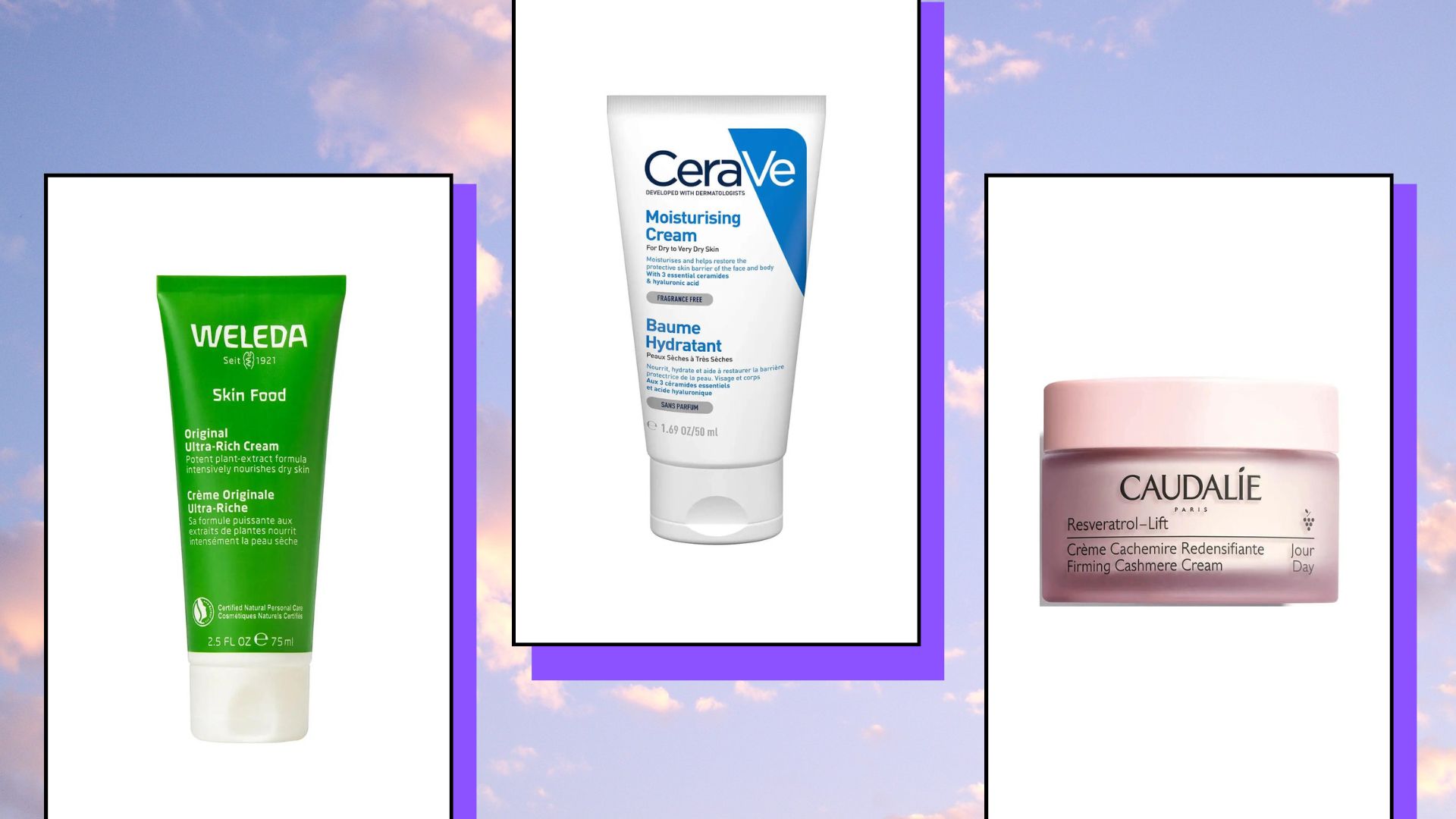
1. CeraVe Moisturizing Cream
Developed with dermatologists, CeraVe Moisturizing Cream is a cornerstone recommendation for compromised skin barriers. Its formulation features three essential ceramides (1, 3, and 6-II) that mirror the lipid composition naturally found in the skin.
The inclusion of hyaluronic acid ensures continuous moisture retention throughout the day. Utilizing MVE (MultiVesicular Emulsion) Technology, the product releases ingredients slowly over time, providing sustained hydration rather than a single surface burst. It is fragrance-free, non-comedogenic, and suitable for both face and body application on sensitive skin types.
2. Cetaphil Rich Night Cream
Designed specifically to target overnight moisture depletion, Cetaphil Rich Night Cream works while the body undergoes natural cellular repair processes. It combines hyaluronic acid with pro-vitamin B5 and olive extract to deeply nourish dry, sensitive facial skin.
The texture is deeply nourishing without feeling suffocating or clogging pores. Clinical testing consistently demonstrates that it helps restore the skin barrier overnight, reducing morning tightness and flaking.
3. La Roche-Posay Lipikar Balm AP+ Intense Repair Moisturizing Cream
For severely dry, itchy, or eczema-prone skin, La Roche-Posay Lipikar Balm AP+ offers intensive, lipid-replenishing care. It features high concentrations of shea butter and glycerin, complemented by niacinamide for its soothing properties.
A breakthrough component of this formulation is Aqua Posae Filiformis, a prebiotic thermal water extract that helps support the skin microbiome. It absorbs relatively quickly for such a rich balm, immediately relieving persistent itching and irritation.
4. Vanicream Moisturizing Cream
Vanicream stands out for its minimalist, highly tolerated formulation. Free of dyes, fragrance, masking fragrance, lanolin, parabens, and formaldehyde releasers, it is designed for individuals with extreme chemical sensitivities or allergic contact dermatitis.
Anchored by petrolatum and sorbitol, it creates a robust occlusive seal that locks in moisture and protects against harsh environmental elements. Its thick, cushiony consistency makes it ideal for chronic dry skin conditions on both face and body.
5. Neutrogena Hydro Boost Water Gel
While many dry skin formulas rely on heavy oils and waxes, Neutrogena Hydro Boost Water Gel proves that hydration can come in a featherlight format. Powered by purified hyaluronic acid, it acts as a moisture sponge, drawing up to 1,000 times its weight in water into the skin cells.
The oil-free gel-cream texture is ideal for individuals who experience dehydration—often characterized by tightness and fine lines—yet dislike the heavy residue associated with traditional heavy creams.
6. First Aid Beauty Ultra Repair Cream
First Aid Beauty Ultra Repair Cream is a targeted treatment designed to rescue distressed, flaky, and irritated skin. Its star active ingredient is colloidal oatmeal, an FDA-approved skin protectant known for relieving itching and minor skin irritations caused by eczema.
The whipped texture absorbs rapidly, delivering immediate comfort alongside shea butter and allantoin. It is versatile enough to be used from head to toe, making it a reliable staple during harsh winter months or after intensive dermatological procedures.
7. Kiehl's Ultra Facial Cream
Kiehl's Ultra Facial Cream is a multi-award-winning formula prized for its lightweight yet deeply hydrating performance. The formulation utilizes squalane, a highly refined botanical lipid that mimics the skin's natural sebum, alongside glacial glycoprotein derived from sea glaciers to help protect and deeply hydrate the skin.
It maintains moisture balance even in extreme weather conditions, making it a favorite for outdoor enthusiasts and those living in arid climates.
8. Eucerin Advanced Repair Cream
When dry skin progresses to roughness, scaling, and thickening, standard moisturizers often fall short. Eucerin Advanced Repair Cream utilizes urea—a natural moisturizing factor—alongside ceramide-3 to actively exfoliate dead surface cells while simultaneously binding deep moisture.
Urea breaks down the bonds holding dry, dead skin cells together, smoothing rough patches while repairing the underlying moisture barrier. It is unscented and clinically proven to significantly improve dry skin with daily use.
9. Aveeno Daily Moisturizing Lotion
For daily, full-body maintenance, Aveeno Daily Moisturizing Lotion offers a lightweight, fast-absorbing solution powered by active naturals colloidal oatmeal. Dimethicone acts as the primary skin protectant, sealing in moisture without leaving a greasy film on clothing.
It is clinically proven to improve the health of dry skin in just one day, with significant improvements continuing over a two-week period. Its pump bottle packaging makes it convenient for daily post-shower application.
10. Clinique Moisture Surge 100H Auto-Replenishing Hydrator
Clinique Moisture Surge 100H employs advanced bio-ferment technology and hyaluronic acid to penetrate deep into the skin's surface. Its auto-replenishing technology helps the skin create its own internal water source to continually rehydrate itself.
The gel-cream formulation delivers 100 hours of hydration that persists even after washing your face. It serves as an excellent smoothing base for makeup, preventing foundation from clinging to dry patches throughout the day.
How to Apply Moisturizer for Maximum Efficacy
Even the most advanced moisturizer will underperform if applied incorrectly. Dermatologists recommend adhering to specific application protocols to maximize absorption and moisture retention.
- Apply to Damp Skin: The single most effective adjustment you can make is applying your moisturizer within three minutes of stepping out of the shower or washing your face. Applying product to slightly damp skin traps ambient water molecules directly into the epidermis before they can evaporate.
- Use the Right Amount: Skimping on product reduces barrier protection. For the face and neck, a nickel-sized amount is generally required; for the entire body, an amount equivalent to a shot glass (approximately one ounce) ensures complete coverage.
- Layer Correctly: If your routine includes treatment serums (such as vitamin C, niacinamide, or hyaluronic acid serums), apply them from thinnest to thickest, reserving your heavy cream or ointment as the final sealing step.
- Consistency is Key: Repairing a damaged stratum corneum takes time. Consistent daily application—ideally twice a day—is necessary to rebuild lipid reserves and prevent recurrent moisture loss.
Common Mistakes When Treating Dry Skin
Avoid these frequent pitfalls to ensure your skincare routine delivers optimal results:
- Using Water That is Too Hot: Long, steaming hot showers strip the skin of its remaining natural lipid barrier, exacerbating dryness and inflammation. Opt for lukewarm water instead.
- Over-Exfoliating: While removing dead skin cells is beneficial, physical scrubs or excessive chemical exfoliation (AHAs and BHAs) can create micro-tears and worsen a compromised barrier. Limit exfoliation to once or twice a week.
- Ignoring Environmental Factors: Indoor heating and air conditioning drastically reduce ambient humidity. Utilizing a cool-mist humidifier in your bedroom can significantly reduce overnight moisture loss.
- Choosing Fragranced Products: Artificial fragrances and essential oils are among the leading causes of contact dermatitis and irritation in dry, compromised skin. Always patch-test new products or select fragrance-free alternatives.
Frequently Asked Questions
What is the difference between dry skin and dehydrated skin?
Dry skin is a skin type characterized by an inadequate production of natural oils and lipids. Dehydrated skin is a temporary skin condition caused by a lack of water rather than oil, and it can affect any skin type—including oily skin—due to weather, diet, or harsh skincare products.
Can I use a facial moisturizer on my body?
Yes, facial moisturizers are generally formulated with higher-quality ingredients and can be used on the body. However, doing so can become expensive. Conversely, heavy body creams may be too thick or pore-clogging for delicate facial skin, so check labels for non-comedogenic ratings before applying body products to the face.
How long does it take to repair a damaged skin barrier?
With consistent use of a barrier-repair moisturizer containing ceramides and occlusives, significant improvements are typically observed within one to two weeks. Complete functional recovery of a severely compromised stratum corneum can take anywhere from four to six weeks.
Should I apply moisturizer in the morning and at night?
Yes. Morning application protects your skin barrier against environmental stressors and UV radiation (when paired with sunscreen). Nighttime application supports the skin's natural nocturnal repair cycle, during which transepidermal water loss naturally increases.
Is petroleum jelly a good moisturizer for dry skin?
Petroleum jelly is an exceptional occlusive agent that blocks up to 99% of transepidermal water loss. However, because it contains no humectants or water, it should be applied over a damp skin or a hydrating serum to lock in moisture rather than used as a standalone hydrator.
Conclusion and Next Actions
Selecting the right moisturizer depends on your specific skin type, environmental conditions, and textural preferences. If you struggle with severe flaking, eczema, or persistent irritation, prioritize fragrance-free barrier creams containing ceramides, colloidal oatmeal, or urea, such as CeraVe Moisturizing Cream or La Roche-Posay Lipikar Balm AP+. For lightweight, daily facial hydration without heavy oils, gel-creams containing hyaluronic acid offer an effective alternative. Begin by assessing your skin's unique needs, adopt a consistent twice-daily application routine on damp skin, and consult a board-certified dermatologist if persistent dryness does not improve after several weeks of targeted care.