Africa’s urban landscape is experiencing a profound economic transformation, driven by rapid urbanization, technological innovation, natural resource wealth, and expanding financial services sectors. Understanding where private wealth is concentrated provides critical insight into the continent's macroeconomic trajectory, investment destinations, and emerging consumer markets. Financial analytics and wealth intelligence reports published by firms such as Henley & Partners and New World Wealth highlight a shifting geography of affluence, pointing to specific metropolitan areas that serve as major financial hubs, billionaire residences, and centers of corporate headquarters.
Examining the wealthiest cities in Africa involves looking beyond standard gross domestic product (GDP) metrics to evaluate total private wealth held by individuals living within these urban boundaries. Private wealth encompasses all assets—including property, cash, equities, and business interests—less any liabilities. Major urban centers like Johannesburg, Cape Town, Cairo, Nairobi, and Lagos consistently anchor these rankings, though each exhibits a distinct economic profile, industrial specialization, and billionaire density. Analyzing these hubs requires understanding the structural drivers of wealth creation, the distribution of high-net-worth individuals, and the economic hurdles these cities must clear to sustain long-term prosperity.
Understanding Private Wealth Metrics in African Economies
Measuring urban wealth requires distinct methodologies that separate municipal economic output from individual asset concentration. While GDP measures the total value of goods and services produced within a city, total private wealth measures the cumulative net worth of all high-net-worth individuals (HNWIs) residing there. Analysts typically define an HNWI as an individual with a net worth of USD 1 million or more, while centi-millionaires hold USD 100 million or more, and dollar billionaires represent the apex of private affluence.
The concentration of wealth in major African cities is rarely uniform; rather, it clusters in specific neighborhoods, financial districts, and coastal enclaves. For instance, financial services, telecommunications, and mining drive the wealth concentrated in South African hubs, whereas real estate, trade, and diversified industrial conglomerates underpin North and West African centers. Evaluating these metrics helps investors, policymakers, and researchers gauge purchasing power parity, luxury market viability, and capital availability for venture financing or infrastructure projects.
Furthermore, economic volatility, currency fluctuations, and inflation significantly impact these rankings. Because international wealth reports standardize metrics in US dollars, local currency depreciations against the dollar can temporarily depress a city's reported wealth ranking even when local economic activity remains robust. Consequently, longitudinal data tracking HNWI migration, business formation, and stock exchange capitalization offers a more stable indicator of a city's underlying economic health.
Top Wealthiest Cities in Africa: Comparative Overview
A small group of metropolitan areas dominates the upper echelon of African wealth accumulation. South Africa hosts multiple cities in the top tier, bolstered by sophisticated banking systems and deep capital markets. Meanwhile, North Africa's historical trade centers and East and West Africa's burgeoning commercial capitals continue to climb the rankings.
| City | Country | Estimated Total Private Wealth | Primary Economic Drivers | Key Billionaire & HNWI Hubs |
|---|---|---|---|---|
| Johannesburg | South Africa | USD 200B+ | Financial services, professional services, mining | Sandton, Rosebank, Hyde Park |
| Cape Town | South Africa | USD 130B+ | Tourism, tech startups, asset management, real estate | Camps Bay, Clifton, Bishopscourt |
| Cairo | Egypt | USD 140B+ | Banking, retail, construction, manufacturing | Zamalek, New Cairo, Giza |
| Nairobi | Kenya | USD 60B+ | Technology, financial services, logistics, agriculture | Karen, Muthaiga, Westlands |
| Lagos | Nigeria | USD 95B+ | Energy, fintech, telecommunications, commerce | Ikoyi, Victoria Island, Lekki |
(Note: Wealth figures represent rounded baseline estimates derived from recent multi-year consensus data published by wealth intelligence organizations tracking liquid assets, equities, and residential property values.)
Johannesburg: The Financial Engine of Southern Africa
Johannesburg, frequently referred to as the economic powerhouse of the continent, consistently ranks as Africa's wealthiest city. Home to the Johannesburg Stock Exchange (JSE)—the largest on the continent by market capitalization—the city serves as the corporate headquarters for major mining houses, financial institutions, and legal firms.
The wealth of Johannesburg is highly concentrated in its northern suburbs. Areas like Sandton, often styled as Africa's richest square mile, house the headquarters of multinational corporations, luxury shopping complexes, and major banking towers. Despite facing municipal infrastructure challenges and high socio-economic inequality, Johannesburg's deep integration into global financial networks ensures its status as a primary destination for institutional capital and private wealth management.
Cape Town: The Lifestyle and Tech Capital
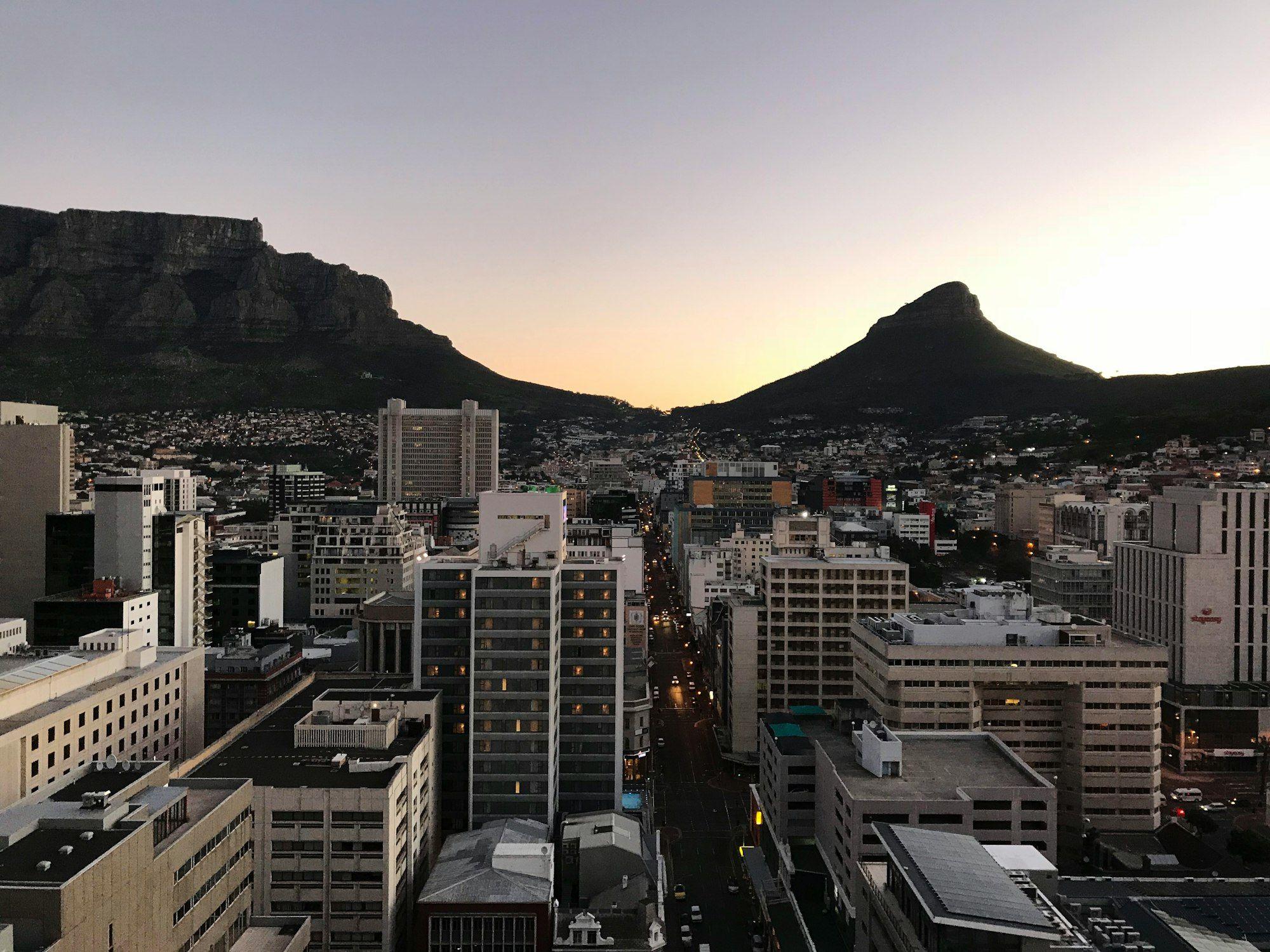
Cape Town combines natural beauty with a booming entrepreneurial ecosystem, making it South Africa's second-wealthiest city and a rapidly growing hub for centi-millionaires. Unlike Johannesburg's heavy corporate and industrial focus, Cape Town's economy thrives on asset management, real estate, tourism, and a burgeoning tech sector often dubbed "Silicon Cape."
The Atlantic Seaboard and southern suburbs—including Clifton, Camps Bay, and Bishopscourt—host some of the most expensive real estate on the African continent. High-net-worth individuals, including international retirees and remote technology entrepreneurs, frequently relocate to Cape Town, drawn by its quality of life, robust private schooling infrastructure, and vibrant cultural economy.
Cairo: North Africa's Historic Commercial Giant
Cairo stands as the financial and cultural anchor of North Africa, boasting a massive urban economy driven by construction, retail, basic manufacturing, and financial services. The city's wealth accumulation spans generations, supported by a large domestic market and deep historical trade links across the Middle East and the Mediterranean.
Affluent districts such as Zamalek, Garden City, and newer urban expansions like New Cairo and Sheikh Zayed City concentrate the city's highest net-worth brackets. Cairo benefits from large-scale state infrastructure investments and a resilient banking sector, though currency devaluations in recent years have required local wealth holders to adapt their asset allocation strategies toward hard currencies and real estate.
Lagos: West Africa's Entrepreneurial Hub
Lagos is a dynamic commercial megalopolis driving Nigeria's economic output. While Abuja serves as the political capital, Lagos remains the undisputed financial, media, and tech capital of West Africa. The city's wealth is largely self-made, generated through energy, telecommunications, fast-moving consumer goods, and a rapidly expanding fintech sector.
Islands such as Ikoyi and Victoria Island, alongside the planned luxury developments in Eko Atlantic, form the epicenter of Lagosian wealth. These districts feature high-end residential towers, private marinas, and exclusive country clubs. Lagos faces distinct infrastructural hurdles, including severe traffic congestion and power grid instability, yet its entrepreneurial drive continues to attract significant venture capital and private equity investment.
Nairobi: East Africa's Silicon Savannah
Nairobi anchors East Africa as a premier diplomatic, financial, and technological hub. Often recognized for its leadership in mobile money and digital innovation, Nairobi hosts regional headquarters for numerous multinational corporations and United Nations agencies.
Wealth in Nairobi is predominantly distributed across leafy suburbs such as Karen, Muthaiga, and Runda, alongside the commercial hub of Westlands. The city's economic resilience stems from a diversified service sector, strong agricultural supply chains, and robust inflows of foreign direct investment. Nairobi's burgeoning middle and upper classes continue to drive luxury retail expansion and upscale residential real estate development.
Structural Drivers of Wealth Concentration
The accumulation and preservation of wealth in these major African cities rely on several macroeconomic and structural factors:
- Financial Market Depth: Cities with active stock exchanges and sophisticated banking regulations, such as Johannesburg and Cairo, provide efficient mechanisms for capital deployment and corporate growth.
- Real Estate Appreciation: Prime residential and commercial real estate serves as a primary store of value for African HNWIs, particularly in cities with geographical constraints like Cape Town and Lagos.
- Technological Innovation: The rise of tech ecosystems in Nairobi, Lagos, and Cape Town has minted a new generation of younger entrepreneurs and venture-backed founders.
- Natural Resources and Corporate Conglomerates: Extractive industries, heavy manufacturing, and diversified family-owned conglomerates remain foundational pillars for traditional billionaire wealth in countries like South Africa, Nigeria, and Egypt.
Challenges Impacting African Wealth Centers
While these urban centers showcase immense private wealth, they also confront systemic challenges that influence long-term economic stability. High levels of income inequality persist across almost every major African city, creating stark spatial divides between ultra-wealthy enclaves and under-resourced informal settlements.
Infrastructure deficits—including unreliable electricity grids, congested transport networks, and water scarcity in cities like Cape Town and Johannesburg—impose operational costs on businesses and residents alike. Furthermore, political instability, regulatory shifts, and currency volatility can trigger capital flight, prompting wealthy individuals to diversify their asset portfolios offshore into European, North American, or Middle Eastern markets. Addressing these structural bottlenecks is essential for ensuring that urban wealth generation translates into broader economic mobility and sustainable municipal development.
Frequently Asked Questions
Which city has the highest concentration of billionaires in Africa?
Johannesburg and Cairo consistently vie for the highest number of dollar billionaires in Africa. Johannesburg benefits from a mature financial sector and mining legacy, while Cairo draws its billionaire count from diversified industrial conglomerates, real estate, and retail empires.
How is private wealth measured in these urban rankings?
Private wealth intelligence firms measure total private wealth by calculating the net worth of all individuals residing in a specific city. This includes all their assets—property, cash, equities, and business interests—minus any liabilities, utilizing standardized US dollar conversions to enable cross-country comparisons.
Why do South African cities dominate the top wealth rankings?
South Africa features the continent's most developed financial architecture, deep capital markets, advanced legal frameworks, and a long-established corporate sector. These structural advantages have historically allowed local businesses to scale rapidly and accumulate substantial private capital.
Are tech entrepreneurs contributing significantly to new wealth in African cities?
Yes. Cities like Lagos, Nairobi, and Cape Town have seen a significant rise in HNWIs generated through the technology sector, particularly fintech, software development, and e-commerce ventures that have successfully attracted international venture capital.
What impact do currency fluctuations have on African wealth reports?
Because global wealth reports convert local asset valuations into US dollars, sharp currency depreciations in countries like Nigeria, Egypt, or South Africa can reduce a city's total reported dollar-denominated wealth, even if local asset prices and economic output remain stable.
Conclusion and Next Steps
Tracking the wealthiest cities in Africa reveals an economic landscape defined by resilience, rapid digital transformation, and diverse wealth-creation models. For investors, entrepreneurs, and researchers, analyzing these urban hubs offers vital intelligence on consumer markets, high-end real estate demand, and corporate expansion opportunities. To leverage these insights effectively, stakeholders should monitor ongoing regulatory reforms, infrastructure developments, and currency stabilization policies across South Africa, Egypt, Nigeria, and Kenya to identify emerging investment entry points.