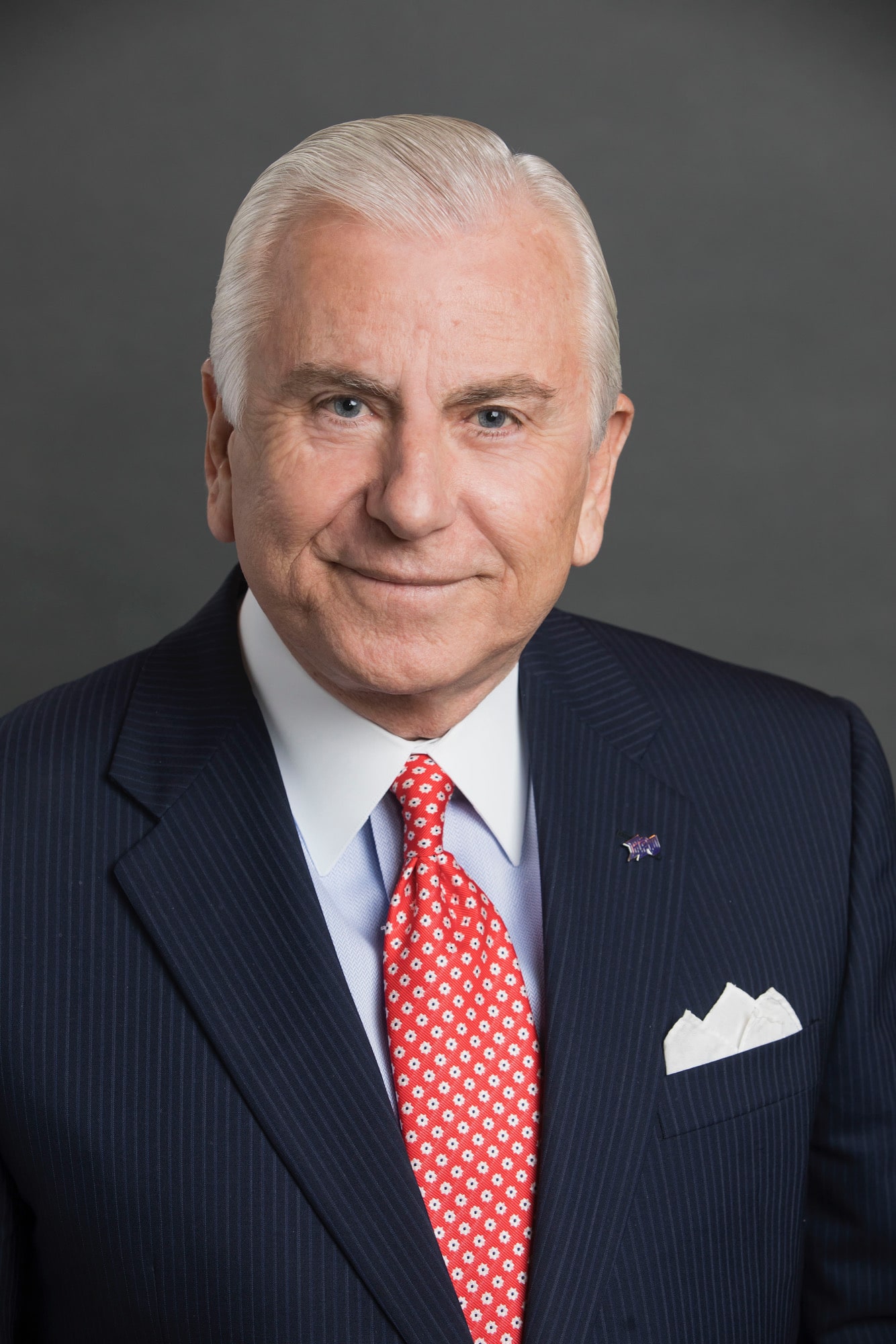
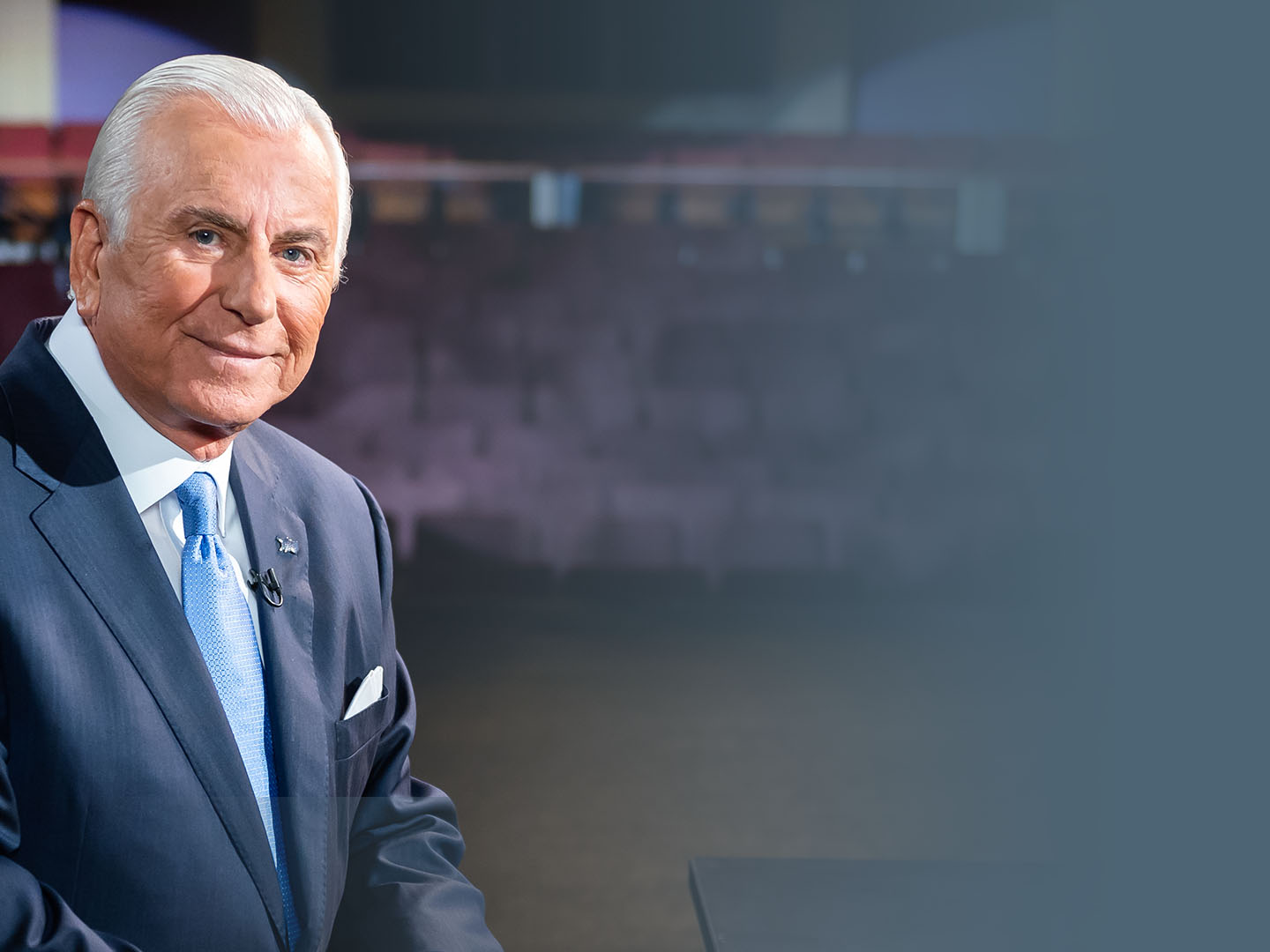
Nido Qubein has built a multifaceted career spanning higher education leadership, corporate governance, entrepreneurial ventures, and professional speaking, accumulating a notable net worth over several decades. While private individuals and educators are rarely subject to the exact asset disclosure requirements of publicly traded corporate executives, public records, board memberships, corporate disclosures, and university filings provide a comprehensive picture of his financial standing and economic impact.
Introduction to Nido Qubein and His Financial Profile
Dr. Nido R. Qubein is best recognized for his transformative leadership as the president of High Point University (HPU) in North Carolina, a position he has held since 2005. Beyond academia, his financial portfolio is diversified across multiple high-value sectors. He has served on the board of directors for prominent Fortune 500 corporations such as Truist Financial Corporation (formerly BB&T) and La-Z-Boy, owned several businesses, authored numerous books on success and leadership, and commanded significant fees as a professional keynote speaker.
Estimating the net worth of an individual with such a diverse portfolio requires examining distinct revenue streams, equity holdings, real estate investments, and institutional compensation structures. Rather than a single windfall, Qubein’s wealth reflects a lifetime of enterprise building, corporate stewardship, and strategic investments. Understanding this financial overview involves looking past sensationalized internet figures and analyzing the verified economic pillars of his career.
Career Milestones and Primary Wealth Generators
To understand how Nido Qubein accumulated his wealth, it is essential to trace the primary professional engines that have driven his financial growth. His career can be divided into four major pillars: corporate leadership, higher education administration, entrepreneurial ventures, and professional communication.
Corporate Board Memberships and Equity Holdings
Public company directorships are traditionally lucrative positions, providing a combination of annual retainer fees, stock options, and restricted stock units (RSUs). Qubein has maintained long-standing relationships with major corporate entities:
- Truist Financial Corporation: Having served on the board of directors for decades (originating through his service with BB&T prior to its merger with SunTrust), Qubein accumulated substantial institutional knowledge and equity stakes. Bank director compensation packages typically include six-figure annual retainers paid in a mix of cash and stock.
- La-Z-Boy Incorporated: Qubein served on the board of directors for the furniture giant La-Z-Boy for many years, contributing to corporate governance and strategic marketing initiatives. Furniture industry directorships involve significant compensation tied to the long-term performance of the enterprise.
- Great Harvest Bread Co. and Other Ventures: Early in his career, Qubein held ownership stakes and advisory roles in various retail, manufacturing, and service sector businesses.
Professional Speaking and Authorship
Before taking the helm at High Point University, Qubein achieved international renown as a professional speaker and author. He was inducted into the Speaker Hall of Fame and awarded the Cavett Award, the highest honor bestowed by the National Speakers Association.
During the height of his speaking career, Qubein commanded premium five-figure speaking fees per engagement, delivering keynotes to Fortune 500 companies worldwide. Furthermore, he has authored over a dozen books on leadership, sales, communication, and personal finance, including How to Be a Great Communicator and Stairway to Success. These titles generated steady royalties and reinforced his personal brand as an authority on achievement.
Entrepreneurial Ventures
Qubein’s entrepreneurial journey began early. Arriving in the United States from Lebanon as a teenager with limited financial resources and minimal English proficiency, he founded creative services and marketing organizations. These early business enterprises allowed him to build initial capital, which he subsequently deployed into real estate and private equity investments.
High Point University Leadership and Economic Impact
When Nido Qubein assumed the presidency of High Point University in 2005, the institution was a struggling regional college with modest enrollment, limited financial endowments, and aging infrastructure. Under his leadership, HPU underwent a radical transformation, often cited as a case study in visionary academic administration.
| Metric | Pre-Qubein Era (Circa 2005) | Modern Status (Post-2020s) |
|---|---|---|
| Student Enrollment | Approximately 1,400 students | Over 5,800 undergraduate and graduate students |
| Campus Acreage | Roughly 90 acres | Expanded to over 500 acres |
| Endowment Value | Under $20 million | Exceeds $300 million (inclusive of capital investments) |
| Capital Investment | Minimal annual updates | Over $2.5 billion invested in campus infrastructure |
While presidential compensation at private universities is determined by the Board of Trustees based on market analyses and institutional performance, Qubein famously took a symbolic annual salary of $1 for much of his early tenure, demonstrating a philanthropic commitment to the university's financial turnaround. Over time, structured compensation models have aligned with standard executive packages for major private research and comprehensive universities, though his personal philanthropy—pledging millions of his own dollars back to HPU scholarship funds and capital projects—remains a cornerstone of his institutional legacy.
Real Estate Holdings and Asset Diversification
Real estate represents a foundational component of Nido Qubein’s net worth portfolio. Over decades of successful business operations and personal investing, he has acquired and developed residential and commercial properties, primarily centered around North Carolina and the Piedmont Triad region (High Point, Greensboro, and Winston-Salem).
- Commercial Investments: Through private investment vehicles, Qubein has held stakes in commercial real estate developments that benefited from the revitalization of downtown High Point and surrounding economic zones.
- Residential Properties: Prudent property management and long-term asset appreciation have contributed significantly to his overall net worth baseline.
Philanthropy and Wealth Distribution
An accurate overview of Nido Qubein’s financial profile must account for capital outflow through organized philanthropy. Wealth accumulation is only one side of the ledger; the Qubein family has consistently directed significant portions of their earnings toward educational advancement, community development, and healthcare initiatives.
- The Qubein family has donated millions of dollars to High Point University for student scholarships, academic buildings, and the grand transformation of the campus community.
- Through the Nido and Mariana Qubein Foundation, support is regularly funneled to civic organizations, non-profit institutions, and youth empowerment programs across North Carolina.
Comparing Estimates and Fact-Checking Online Wealth Figures
Internet searches regarding celebrity and executive net worth frequently yield speculative figures ranging from $10 million to over $50 million. Financial analysts caution that third-party biographical websites rely on algorithmic estimates rather than verified tax returns, securities filings, or estate disclosures.
Because Qubein operates primarily within private corporate boards, private enterprise, and private higher education, his exact net worth is not a matter of public record. However, verified income streams—ranging from multi-decade board retainers at public companies like Truist and La-Z-Boy to historical speaking fees, royalty streams, and real estate appreciation—place his financial standing firmly within the upper tier of institutional leaders and successful entrepreneurs.
Frequently Asked Questions
What is Nido Qubein's primary source of wealth?
Nido Qubein accumulated his wealth through a combination of successful entrepreneurial ventures, long-term corporate board service for major companies like Truist Financial and La-Z-Boy, a lucrative career as a professional keynote speaker and author, and strategic real estate investments.
How much does Nido Qubein make as President of High Point University?
While standard executive compensation packages for private university presidents are substantial, Qubein notably accepted a salary of $1 per year for a significant portion of his early tenure at High Point University to help the institution build its financial foundation. Current compensation reflects standard board-approved structures for private university leadership.
What companies has Nido Qubein served as a board member for?
Qubein has served on the board of directors for major corporations, most notably Truist Financial Corporation (and its predecessor BB&T) and La-Z-Boy Incorporated, alongside various regional business and non-profit boards.
Is Nido Qubein a billionaire?
No credible financial data or public filing suggests that Nido Qubein is a billionaire. While he is a wealthy individual with a multi-million-dollar net worth derived from corporate governance, business ownership, and investments, internet rumors claiming billionaire status are unsubstantiated.
What are Nido Qubein's most notable contributions to High Point University?
Under his leadership since 2005, High Point University has expanded from 90 to over 500 acres, increased enrollment to nearly 6,000 students, raised its endowment significantly, and invested over $2.5 billion into state-of-the-art campus facilities and academic programs.
Conclusion and Strategic Takeaways
Nido Qubein’s financial profile exemplifies wealth built through diversification, institutional leadership, and entrepreneurial resilience. Rather than relying on a single volatile asset, his net worth is anchored by steady corporate board remuneration, historical business successes, intellectual property from books and speaking engagements, and long-term real estate holdings. For observers examining leadership economics, Qubein’s career demonstrates how professional versatility and strategic enterprise building translate into lasting economic security and institutional influence.