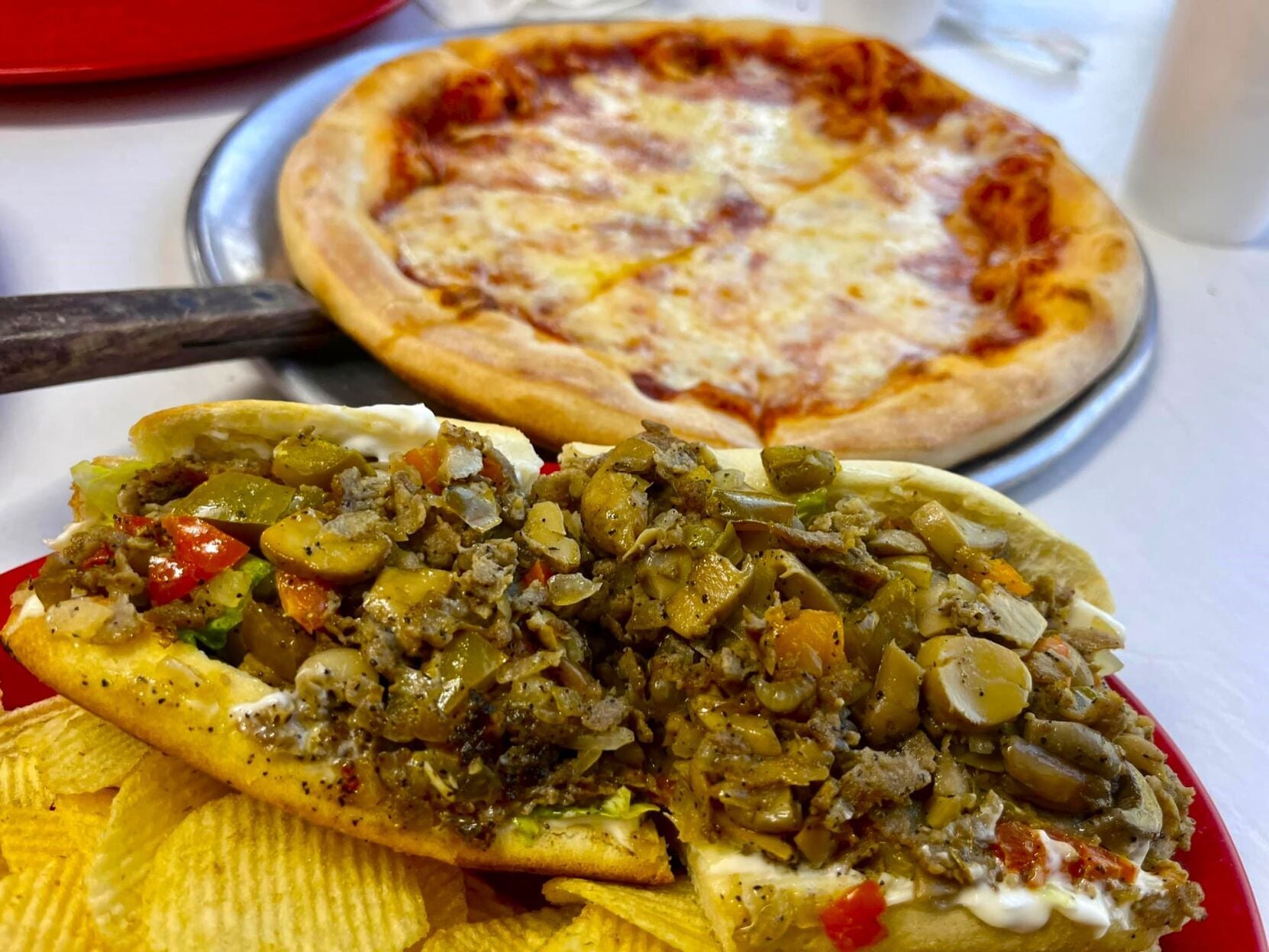
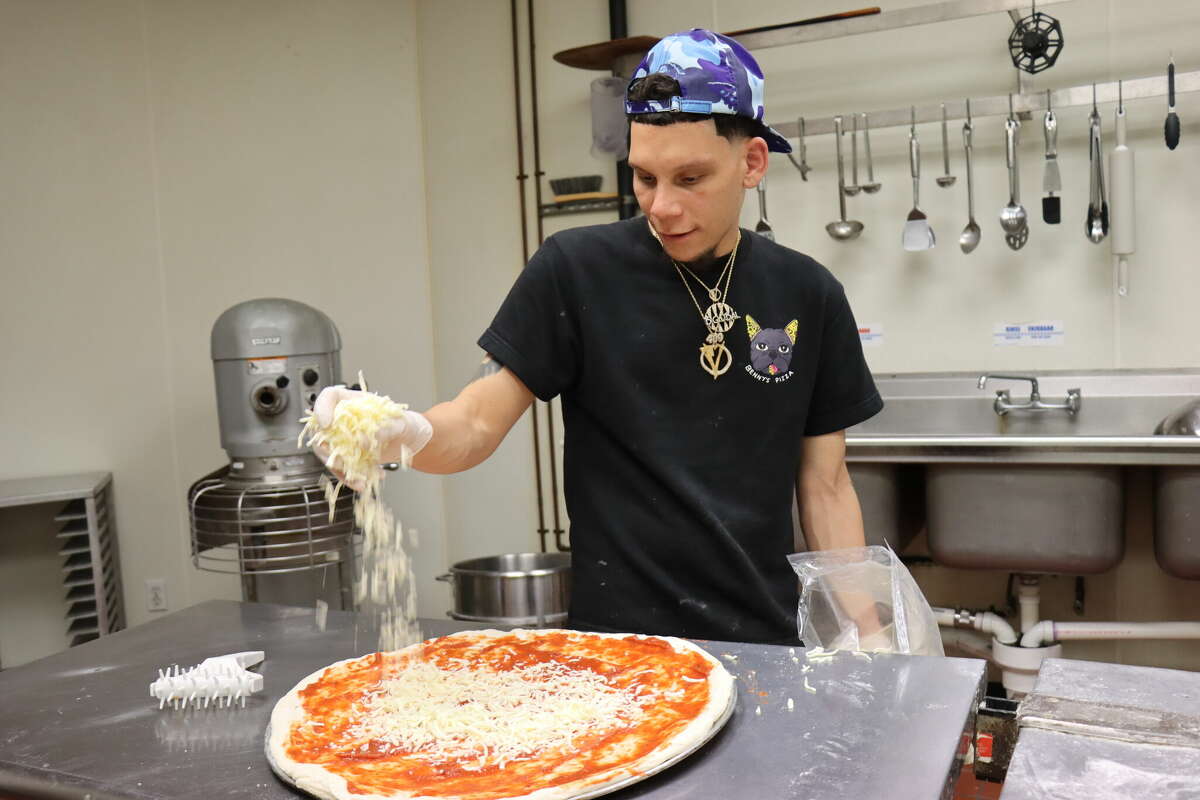
Pizza ownership encompasses the legal, financial, and operational frameworks required to establish, run, and scale a pizza enterprise, ranging from independent neighborhood pizzerias to massive multinational franchise locations. Navigating this sector demands a clear grasp of business structures, startup capital, supply chain dynamics, and regulatory compliance to ensure long-term viability in a competitive culinary market.
Establishing and maintaining pizza ownership requires balancing culinary consistency with rigorous financial management. Whether an entrepreneur chooses to build a brand from scratch or acquire an established franchise territory, success depends on understanding equipment overhead, labor regulations, real estate selection, and effective inventory control. This guide explores the multifaceted requirements of owning and operating a pizza business.
Defining Pizza Ownership: Independent vs. Franchise Models
When entering the pizza industry, prospective owners must first decide between establishing an independent brand or investing in a franchise system. Each path offers distinct advantages, operational controls, and financial commitments that shape the long-term trajectory of the business.
Independent Pizzerias
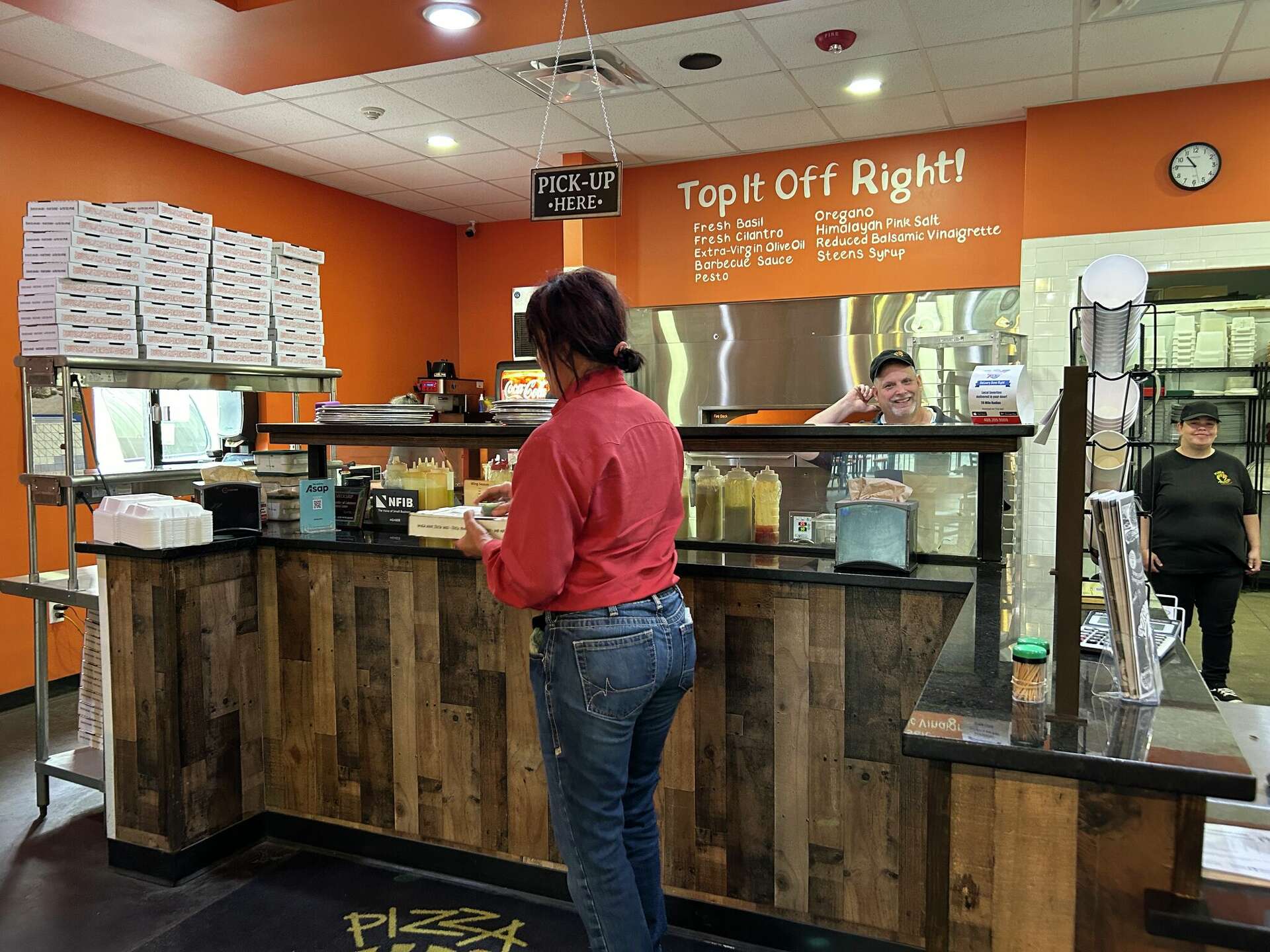
Independent pizza ownership provides total creative freedom. Owners can design unique recipes, source specialized ingredients from local purveyors, and tailor their menus to local preferences without corporate oversight.
- Creative Autonomy: Complete control over menu items, dough fermentation styles, baking temperatures, and brand identity.
- Financial Independence: No royalty fees or mandatory advertising fund contributions paid to a parent corporation.
- Higher Initial Risk: Absence of a proven operational playbook, established brand recognition, or national supply chain agreements.
Franchise Operations
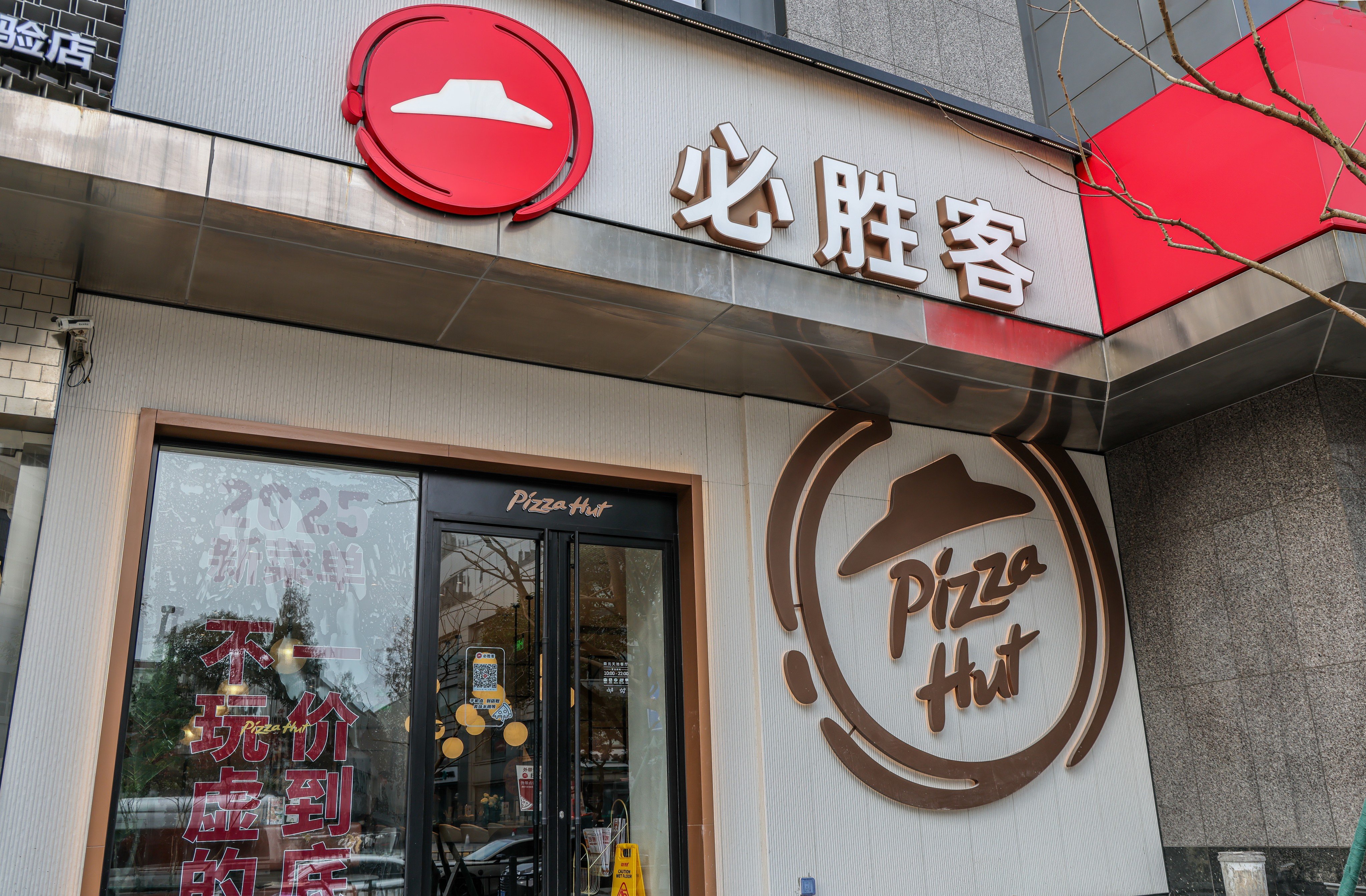
Franchise ownership involves purchasing the rights to operate a proven business model under an established brand name. Companies like Domino's, Pizza Hut, and Little Caesars provide comprehensive training, marketing support, and standardized operational procedures.
- Built-In Brand Recognition: Customers recognize the name, menu items, and pricing structures immediately upon opening.
- Standardized Systems: Detailed manuals cover everything from dough management and oven maintenance to point-of-sale (POS) software configuration.
- Ongoing Financial Obligations: Franchisees must pay initial franchise fees, ongoing royalty percentages (typically 4% to 8% of gross sales), and mandatory regional or national advertising fees.
Legal Structures and Licensing Requirements
Operating a commercial food establishment requires strict adherence to local, state, and federal laws. Choosing the appropriate legal entity protects personal assets and dictates tax obligations.
Choosing a Business Entity
Most restaurant owners choose a Limited Liability Company (LLC) or a Corporation (such as a C-Corp or S-Corp). An LLC shields personal assets from business liabilities, such as slip-and-fall lawsuits or vendor disputes, while offering flexible pass-through taxation. Corporations offer robust structures for attracting outside investors but involve stricter internal record-keeping and potential double taxation on dividends.
Essential Permits and Licenses
Before turning on a commercial deck oven or conveyor oven, a pizza business must secure a comprehensive suite of permits. Failing to acquire these documents can result in heavy fines, delayed openings, or permanent closure.
- Health Department Permits: Local health authorities inspect kitchen layouts, refrigeration units, dishwashing stations, and food storage to ensure compliance with food safety codes.
- Food Handler and Manager Certifications: Staff members must hold valid food handler cards, and at least one manager on duty typically must possess a Certified Food Protection Manager (CFPM) credential.
- Building and Zoning Permits: Municipal zoning boards must approve the location for commercial food service, ensuring adequate parking, waste disposal, and adherence to fire safety codes.
- Liquor Licenses: If the pizzeria plans to sell beer, wine, or spirits, a specialized liquor license must be procured from the state or local alcoholic beverage control board.
Financial Planning, Capital Requirements, and Equipment Costs
Capital requirements for pizza ownership vary widely based on square footage, location, dine-in versus delivery-only formats, and the choice of new versus used equipment.
Startup Capital Breakdown
A modest take-out and delivery pizza shop typically requires between $100,000 and $300,000 to launch successfully, whereas a large dine-in restaurant with a full bar can easily exceed $500,000 in startup costs.
- Leasehold Improvements: Plumbing, electrical upgrades, ventilation hoods, and dining room remodeling.
- Working Capital: Sufficient cash reserves to cover payroll, rent, and food costs for the first six to twelve months while the business builds a loyal customer base.
- Marketing and Launch: Digital advertising, direct-mail flyers, local community outreach, and grand opening promotions.
Essential Commercial Pizza Equipment
Pizza baking relies on heavy-duty, specialized machinery designed to withstand high temperatures and high-volume production. The following table compares the primary types of commercial pizza ovens used in the industry.
| Oven Type | Baking Style | Cooking Time | Advantages | Disadvantages |
|---|---|---|---|---|
| Deck Oven | Artisan, New York, Neapolitan | 6 to 12 minutes | Superior crust texture, high heat retention, traditional aesthetic. | Requires skilled labor to rotate pies, slower throughput. |
| Conveyor Oven | Delivery, High-Volume, Chain | 4 to 7 minutes | Consistent results, low labor skill required, high volume output. | Less traditional crust characteristic, bulky footprint. |
| Wood-Fired Oven | Neapolitan, Artisan | 60 to 90 seconds | Extremely high heat (800°F+), unique smoky flavor profile. | High fuel costs, requires specialized artisan training, strict zoning rules. |
Beyond ovens, standard equipment packages include commercial dough mixers (spiral or planetary), dough rounders and proofing cabinets, refrigerated prep tables (makelines), walk-in coolers and freezers, and heavy-duty slicing and grating machinery.
Supply Chain Management and Ingredient Quality
The core product of any pizzeria is the pizza itself, making ingredient sourcing and inventory management critical components of daily operations.
Sourcing Quality Components
Consistency drives customer retention. Pizzeria owners must establish reliable relationships with broadline distributors and specialized local purveyors to maintain a steady supply of high-grade ingredients:
- Flour: High-protein bread flour or specialized "00" Italian wheat flour for elasticity and fermentation stability.
- Cheese: Low-moisture, part-skim mozzarella for optimal melting characteristics, browning, and stretch.
- Tomatoes: Peeled plum tomatoes (such as San Marzano varieties) for balanced acidity and moisture in house-made sauces.
Inventory Control and Food Cost
Food cost percentages typically range from 25% to 35% of total gross sales. Owners must track inventory turnover weekly, minimize food waste through precise forecasting, and account for dough scrap, over-portioning of cheese, and expired ingredients. Utilizing modern POS systems with integrated inventory modules allows owners to monitor ingredient usage in real-time.
Operations, Labor Management, and Delivery Logistics
Running a pizzeria is a fast-paced, high-pressure logistical challenge. Labor management and delivery execution dictate customer satisfaction and profit margins.
Staffing Structure
A functioning pizzeria relies on specialized roles working in synchronized harmony:
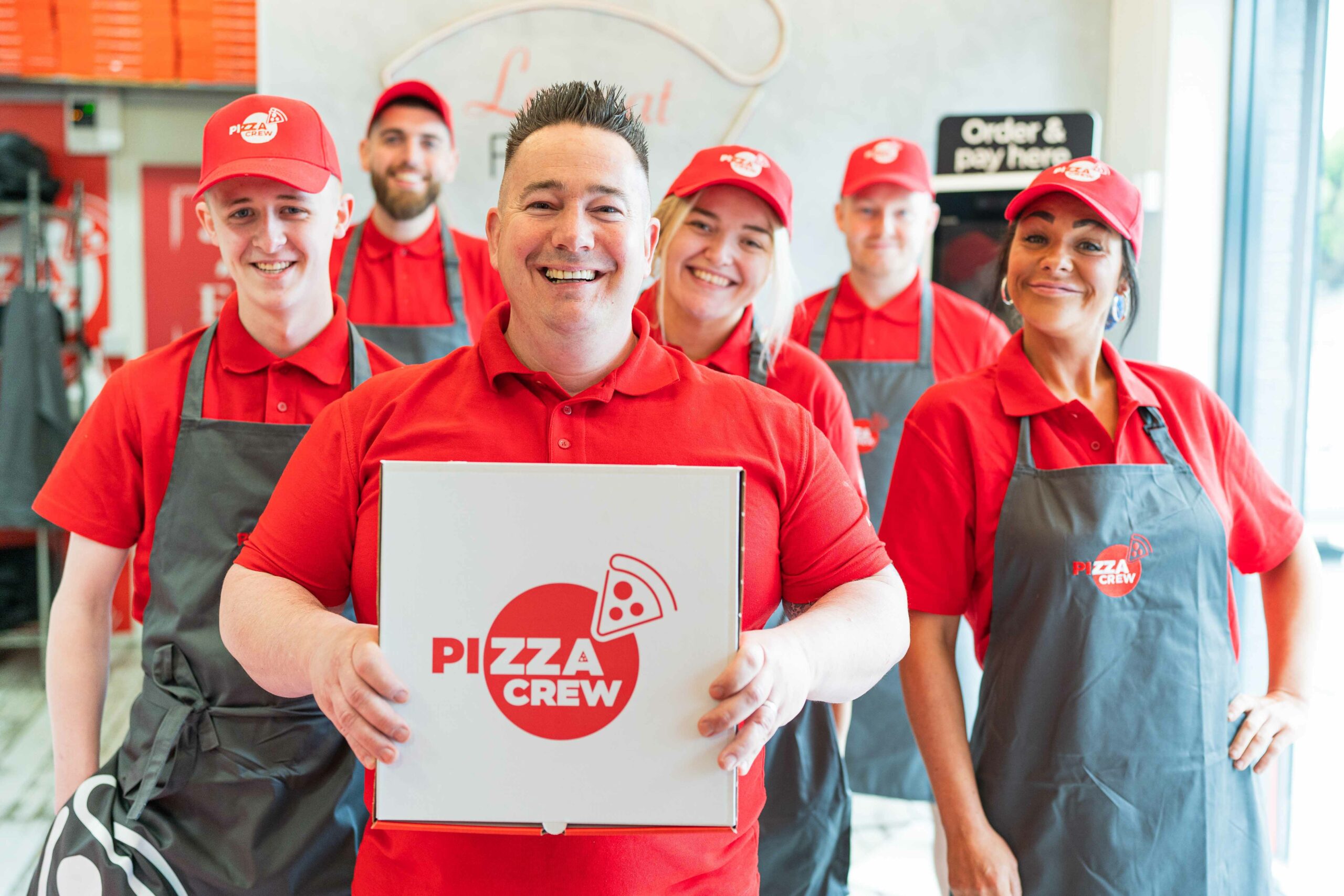
- Pizzaiolo / Line Cooks: Responsible for dough stretching, sauce application, topping distribution, and oven management.
- Prep Cooks: Handle early-morning dough batching, vegetable slicing, and sauce preparation.
- Front-of-House / Cashiers: Manage phone orders, counter service, and customer inquiries.
- Delivery Drivers: Execute timely order delivery, maintaining food temperature while representing the brand on the road.
Delivery and Takeout Optimization
With digital ordering dominating food service, efficient takeout and delivery infrastructure is mandatory. Pizzerias must invest in reliable thermal delivery bags to ensure pies arrive hot and crisp. Furthermore, owners must evaluate whether to utilize in-house drivers—who require liability insurance, hourly wages, and vehicle reimbursement—or partner with third-party delivery marketplaces like DoorDash or Uber Eats, which charge substantial commission fees per transaction.
Frequently Asked Questions
How much does it cost to open a pizza shop?
Startup costs generally range from $100,000 for a small take-out storefront to over $500,000 for a large dine-in restaurant with a liquor license. Franchise operations often require higher upfront liquid capital and net worth qualifications set by the parent corporation.
What is the average profit margin for a pizzeria?
Net profit margins for pizzerias typically range between 10% and 15%, assuming efficient labor management, strict food cost controls, and consistent sales volume. Pizza ingredients carry high markup potential, contributing to favorable gross margins.
Do I need restaurant experience to own a pizza franchise?
While prior restaurant management experience is highly beneficial and often preferred by franchisors, many major pizza chains offer comprehensive training programs that teach operations, financial management, and marketing to incoming franchisees.
What is the most critical equipment in a pizza kitchen?
The pizza oven is the single most critical asset. Selecting the right oven—whether deck, conveyor, or wood-fired—determines the cooking style, labor requirements, speed of service, and ultimate culinary identity of the brand.
How can a new pizzeria compete with national chains?
Independent pizzerias compete effectively by focusing on superior ingredient quality, localized community engagement, unique regional crust styles (such as Detroit-style, tavern-style, or sourdough), and exceptional customer service that mass-market chains cannot replicate.
Conclusion and Next Actions
Achieving successful pizza ownership requires meticulous planning, sufficient capitalization, and a deep respect for operational discipline. Aspiring owners should begin by drafting a comprehensive business plan, conducting thorough market research within their target geography, and consulting with legal and financial professionals to select the appropriate entity structure and secure necessary permits.