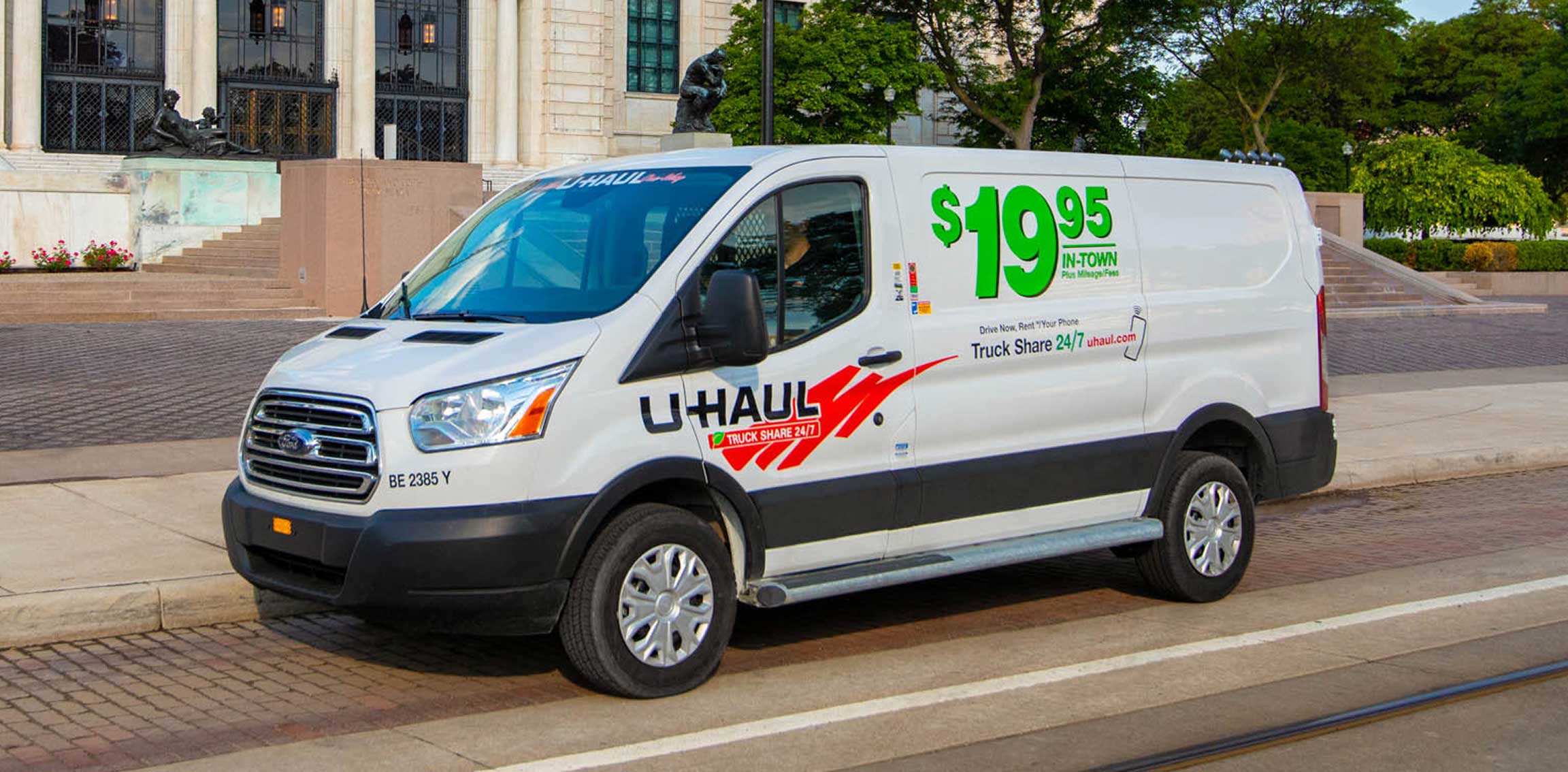
Planning a residential move or hauling bulky cargo requires navigating truck sizes, equipment add-ons, and reservation policies. Renting a U-Haul in 2026 involves a streamlined digital reservation process combined with localized neighborhood dealer pickups. Whether managing a local cross-town relocation or executing a complex one-way cross-country move, understanding the technical specifications of equipment, accurate cost structures, and operational requirements ensures a frictionless experience.
Understanding U-Haul Vehicle Classifications and Cargo Capacities
Selecting the appropriate equipment prevents multiple trips and structural overloading. U-Haul maintains a standardized fleet ranging from lightweight pickup trucks to heavy-duty 26-foot moving vans. Reviewing precise cubic capacities and payload limits prevents common moving-day complications.
| Equipment Type | Length / Dimensions | Cubic Capacity (Cu. Ft.) | Maximum Recommended Load | Best Suited For |
|---|---|---|---|---|
| Cargo Van | 9 ft. interior load length | 245 cu. ft. | 3,810 lbs. | Studio apartments, dorm moves, or transporting bulky furniture pieces. |
| 10-Foot Box Truck | 10 ft. x 6 ft. 2 in. x 6 ft. 2 in. | 402 cu. ft. | 2,810 lbs. | Studio to 1-bedroom apartments; fits a queen-sized mattress and a sofa. |
| 15-Foot Box Truck | 15 ft. x 7 ft. 8 in. x 7 ft. 2 in. | 762 cu. ft. | 6,385 lbs. | 2 to 3-bedroom residences; features a low-profile loading ramp. |
| 20-Foot Box Truck | 20 ft. x 7 ft. 8 in. x 7 ft. 2 in. | 1,016 cu. ft. | 5,740 lbs. | 3 to 4-bedroom homes; accommodates larger multi-room household goods. |
| 26-Foot Box Truck | 26 ft. x 8 ft. 2 in. x 8 ft. 4 in. | 1,682 cu. ft. | 8,295 lbs. | 4+ bedroom homes or large corporate relocations; requires wide-turn awareness. |
Cargo vans and 10-foot trucks utilize standard automotive chassis dynamics, making them accessible for drivers unaccustomed to heavy commercial vehicles. Larger units (15-foot through 26-foot) require significantly wider turning radiuses, extended braking distances, and careful adherence to overhead clearance warnings at bridges and drive-thrus.
Step-by-Step Guide to Reserving and Picking Up Your Equipment
Securing equipment requires matching your timeline with inventory availability at independent neighborhood dealers or corporate U-Haul centers. Follow this operational workflow to execute your reservation efficiently.
- Digital Booking Initiation: Access the U-Haul online platform or mobile application. Enter your pickup location, drop-off location (for one-way rentals), and the exact moving date to inspect real-time inventory.
- Select Equipment and Protection Plans: Choose the specific box truck size or trailer. Opt-in or decline damage coverage packages (Safe15, SafeTrove, or Safemove Plus) depending on your personal auto insurance policy or credit card terms.
- Add Cargo Accessories: Secure moving blankets, utility dollies, appliance hand trucks, and packing supplies during the checkout phase to guarantee inventory allocation at pickup.
- Identity and License Verification: Ensure the primary driver possesses a valid, unexpired government-issued driver's license. U-Haul does not require a commercial driver's license (CDL) for any of their standard consumer trucks.
- The Pick-Up Process: Arrive at the designated facility. If utilizing the 24/7 Truck Share program, use the mobile app to verify your identity via smartphone photo upload and license scan, retrieve the lockbox key, and conduct your pre-trip inspection.
Operational Pre-Trip Inspection Warning
Mandatory Walkaround: Before driving off the lot, physically inspect the truck exterior for pre-existing scratches, dents, or windshield cracks. Document every imperfection on your mobile check-in app or paper contract. Verify tire inflation levels, brake lights, and turn signals to avoid liability for prior damage and ensure highway safety.
Financial Structures: Local vs. One-Way Rentals
Budgeting for a truck rental involves distinguishing between local (round-trip) and one-way pricing models. Understanding these financial structures prevents surprise fees upon vehicle return.
- Local Rentals: These are billed using a base access fee plus an established rate per mile driven. Fuel must be replenished to the exact level marked on the gauge at checkout, or a refueling surcharge will apply.
- One-Way Rentals: These include a guaranteed number of allowed miles and days to travel between origin and destination cities. The flat rate factors in the logistics of returning the equipment to regional inventory pools. Additional miles or days exceeding the contract parameters incur strict per-unit penalty fees.
- Environmental and State Fees: Depending on municipal regulations and state statutes, environmental recycling fees, local transit taxes, and highway surcharges may appear on the final invoice.
Pros and Cons of Renting with U-Haul
Evaluating the advantages and limitations of the service helps align expectations with operational realities during moving peak seasons.
- Pros:
- Ubiquitous Network: Thousands of neighborhood dealers and corporate locations provide extensive coverage in suburban and rural areas.
- Fleet Variety: Diverse vehicle classes accommodate everything from a single sofa to a multi-story home.
- 24/7 Flexibility: Mobile app-enabled truck sharing allows pickup and drop-off outside standard operating business hours.
- Towing Ecosystem: Integrated hitch installations and specialized auto transport trailers simplify vehicle towing.
- Cons:
- Reservation Guarantee Limitations: High-demand periods (such as month-end peaks or college move-in weekends) can occasionally result in equipment substitutions or modified pickup locations.
- Mileage and Fuel Costs: Local rental mileage charges accumulate rapidly on sprawling suburban routes.
- Aged Fleet Variance: While heavily maintained, individual vehicle conditions within the massive national fleet can vary from brand-new cabs to older high-mileage units.
Frequently Asked Questions
What are the age requirements to rent a U-Haul truck?
The minimum age to rent any U-Haul truck or towing equipment is 18 years old, provided you hold a valid, unexpired driver's license. Unlike traditional car rental companies, U-Haul does not add young driver surcharges for customers aged 18 to 24.
Can I tow my personal car behind a U-Haul truck?
Yes, U-Haul offers tow dollies (which lift the front wheels of the vehicle) and full auto transport trailers (which elevate all four wheels). You must verify that your chosen truck model possesses sufficient towing capacity and a properly rated hitch receiver to haul your specific towed vehicle's weight.
What happens if my reserved truck is not available at pickup?
U-Haul maintains a reservation guarantee policy; however, inventory fluctuations can occur due to late returns by previous customers. If an issue arises, regional dispatchers work to substitute an alternative vehicle size or redirect you to a nearby facility, often providing upgrade accommodations or credits.
Is fuel included in the rental price?
No, fuel is never included in the base rental rate. You must return the truck with the exact level of gasoline shown on the inspection sheet at the time of your initial pickup.
Do I need special commercial insurance to drive a U-Haul?
No special commercial license or commercial insurance policy is required to drive a U-Haul. Your standard personal auto insurance policy or credit card benefits may cover rental trucks, though purchasing U-Haul's optional Safemove protection provides primary coverage to avoid claims against your personal insurance rates in the event of an accident.
How do I drop off the truck after hours?
The 24/7 Truck Share program enables after-hours drop-off by parking the vehicle in the designated return area, placing the keys inside the secure drop box, and completing the digital return questionnaire via the mobile app.