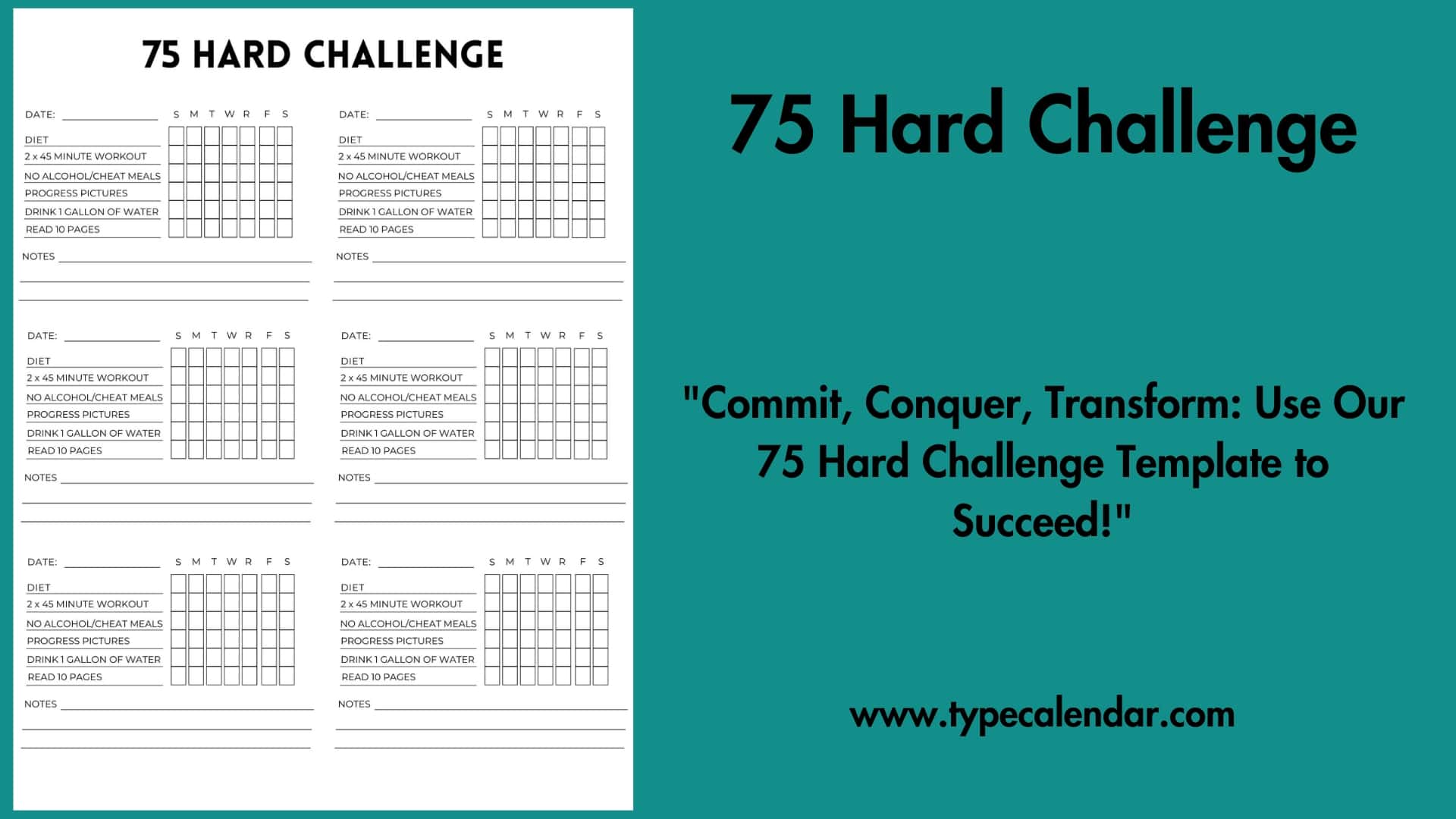
The 75 Hard challenge diet rule requires choosing any structured, clean-eating framework aligned with your physical goals and adhering to it strictly for 75 consecutive days with zero cheat meals and zero alcohol. Success relies on selecting a sustainable, goal-oriented plan—such as macronutrient tracking, clean eating, or the Mediterranean diet—that properly fuels double daily workouts without causing physical exhaustion or burnout.
Understanding the 75 Hard Diet Rules and Core Philosophy
Created by entrepreneur and podcaster Andy Frisella, the 75 Hard program is explicitly designed as a mental toughness program rather than a simple physical fitness challenge. While the program includes physical components—such as two 45-minute workouts per day, drinking a gallon of water, reading 10 pages of self-development literature, and taking a daily progress photo—the diet component serves as the primary test of executive discipline and self-restraint.
Unlike commercial fitness programs that mandate a specific meal plan, 75 Hard allows you to select any diet that aligns with your personal health, performance, or body composition goals. However, the rule governing that diet is absolute: you must follow your chosen diet with 100% compliance for 75 consecutive days, with zero cheat meals and zero alcohol.
75 HARD DIET MANDATES
- Select a structured, goal-aligned diet framework.
- ZERO cheat meals of any kind for 75 straight days.
- ZERO alcohol consumption (no exceptions for events or holidays).
- Drink 1 gallon (3.78 liters) of water every day.
- Any single slip-up requires an immediate restart at Day 1.
The flexibility of choosing your own dietary framework is both an advantage and a potential trap. If you define your dietary rules vaguely—such as "eating healthy"—you create ambiguity that makes it easy to rationalise small compromises. To succeed, you must establish unambiguous, objective rules before Day 1.
Note: 75 Hard is a physically demanding regimen. Consult a physician or registered dietitian before starting any intensive dietary or exercise program, particularly if you have underlying medical conditions.
How to Select the Right Diet Plan for Your Goals
Because 75 Hard mandates two daily 45-minute workouts (one of which must be outdoors), your diet must provide sufficient energy for muscular recovery, tissue repair, and hormonal stability. Choosing an excessively restrictive diet often leads to severe fatigue, elevated cortisol levels, or injury mid-way through the challenge.
When evaluating potential diet plans, select a framework based on your primary physiological objective:
1. Calorie and Macronutrient Tracking (IIFYM / Clean Flexible Dieting)
Macronutrient tracking involves calculating your daily intake of carbohydrates, proteins, and fats based on your Total Daily Energy Expenditure (TDEE). To satisfy the "clean eating" spirit of 75 Hard, this strategy must be paired with strict food-quality standards.
- Best for: Body recomposition, athletic performance, and systematic weight loss.
- Core Rule Example: Eat 2,200 calories per day with a macronutrient split of 40% protein, 35% carbohydrates, and 25% fats. All foods must come from whole, unrefined sources.
- Pros: Highly customisable; ensures adequate protein intake to rebuild muscle tissue damaged during double workouts.
- Cons: Requires precise food weighing and logging via tracking applications.
2. Whole Food / Clean Eating Diet
A clean-eating approach eliminates ultra-processed foods, refined sugars, artificial additives, and fried foods. It focuses entirely on single-ingredient, nutrient-dense foods.
- Best for: Improving gut health, reducing inflammation, and building sustainable long-term eating habits.
- Core Rule Example: Eat exclusively whole vegetables, fruits, grass-fed meats, wild seafood, whole grains, nuts, and seeds. Zero added sugars or artificial sweeteners.
- Pros: Easy to understand without complex calorie counting; highly effective for digestive recovery.
- Cons: Can be challenging when dining out or traveling due to hidden seed oils and food additives.
3. Mediterranean Diet Framework
Recognised by the Harvard T.H. Chan School of Public Health for its cardiovascular and metabolic benefits, the Mediterranean framework prioritises healthy fats, lean proteins, and complex carbohydrates.
- Best for: Sustainable weight management, cardiovascular endurance, and long-term vitality.
- Core Rule Example: Focus daily meals around extra virgin olive oil, wild-caught fish, legumes, fresh vegetables, and whole grains while restricting red meat to once per week.
- Pros: Highly sustainable and anti-inflammatory; supports joint health during high workout volumes.
- Cons: Lower protein density unless consciously managing legume and seafood intake.
4. Whole30 or Paleo Diet
The Paleo and Whole30 frameworks eliminate grains, legumes, dairy, and refined sugars, focusing on foods available to pre-agricultural humans.
- Best for: Identifying food intolerances, resetting metabolic health, and rapid fat loss.
- Core Rule Example: Eat only meat, fish, eggs, vegetables, fruits, and healthy fats (avocado, coconut oil). Strict elimination of grains, dairy, legumes, and processed sugar.
- Pros: Removes decision fatigue through clear, binary food lists.
- Cons: Low carbohydrate availability can hinder performance during high-intensity aerobic workouts.
Comparing Top 75 Hard Diet Strategies
Selecting the wrong framework can jeopardize your challenge. Use the table below to compare the operational rules, physiological focus, and sustainability of popular 75 Hard diet choices.
| Diet Strategy | Physiological Focus | Primary Rules & Constraints | Burnout Risk | Best Suited For |
|---|---|---|---|---|
| Clean Macro Tracking | Body Recomposition / Muscle Retention | Track exact grams of Protein/Carb/Fat daily; 95%+ whole food sources; zero artificial snacks. | Low to Moderate | Athletes, lifters, and data-driven individuals. |
| Strict Clean Eating | General Wellness & Metabolic Reset | Zero processed foods, added sugars, or fried items; focus on single-ingredient foods. | Low | Beginners seeking simplicity without calorie counting. |
| Whole30 / Strict Paleo | Elimination & Inflammation Reduction | Zero grains, dairy, legumes, alcohol, or added sugar; focus on meat, produce, and healthy fats. | High | Those needing a complete reset from processed foods. |
| Low-Carb / Ketogenic | Fat Adaptation & Glycemic Control | Under 20–50g net carbs per day; high healthy fat intake; moderate protein. | High | Individuals focused primarily on rapid fat loss and blood sugar stability. |
| Whole-Food Plant-Based | Cardiovascular Health & Digestion | Zero animal products; focus on legumes, whole grains, vegetables, nuts, and seeds; no processed vegan junk food. | Moderate | Vegetarians and vegans committed to unrefined, plant-rich nutrition. |
Step-by-Step Guide: Building Your 75 Hard Meal Plan
Executing your diet for 75 consecutive days requires structure. Without a system, fatigue and unexpected schedule shifts will lead to simple errors that trigger an immediate restart.
DAILY NUTRITION EXECUTION FLOW
- Calculate TDEE & Fuel Needs
- Define Strict Compliance Boundaries
- Batch Meal Preparation (Twice/Week)
- Consume High-Protein Post-Workout Fuel
- Balance Water & Electrolyte Levels
- Track Daily Adherence Rigidly
Step 1: Calculate Your Energy Requirements
Because 75 Hard adds 90 minutes of daily physical activity, your baseline energy expenditure increases significantly. Skimping on calories leads to muscle breakdown, sleep disturbance, and systemic fatigue.
- Determine Baseline TDEE: Calculate your Basal Metabolic Rate (BMR) and multiply it by an activity factor that reflects double workouts (typically 1.55 to 1.75).
- Set Protein Targets: Aim for 1.6 to 2.2 grams of protein per kilogram of body weight to support muscle repair. The National Institutes of Health highlights the role of adequate dietary protein in preserving lean mass during periods of high physical effort.
- Establish Carbohydrate and Fat Ratios: Ensure carbohydrates are scheduled around your two daily workouts to optimize glycogen replenishment.
Step 2: Define "Cheat Meals" and Compliance Rules
The official 75 Hard protocol permits zero cheat meals. Because a "cheat" can be subjective, write down explicit definitions before starting.
- Clear Rule: "A cheat meal is defined as any food containing added refined sugar, deep-fried ingredients, commercial pastries, or foods eaten outside my designated calorie target."
- Avoid Ambiguity: Do not use loose rules like "I will eat clean most of the time." Ambiguity is the most common reason participants fail the diet portion of the challenge.
Step 3: Implement Batch Meal Preparation
Preparing meals in advance eliminates daily decision-making when fatigue sets in.
- Prep Days: Select two dedicated days per week (e.g., Sunday and Wednesday) to cook bulk protein and complex carbohydrates.
- Proteins: Cook large batches of chicken breast, lean ground turkey, wild salmon, or baked tofu.
- Carbohydrates: Steam sweet potatoes, boil quinoa, or cook brown rice in bulk.
- Vegetables: Roast broccoli, asparagus, bell peppers, and zucchini on sheet pans.
Step 4: Manage the Daily Gallon Water Mandate
Drinking 1 gallon (3.78 liters) of water daily is a non-negotiable 75 Hard rule. However, consuming large quantities of plain water flushes essential minerals out of your system, which can cause electrolyte imbalance, muscle cramping, or hyponatremia.
- Pacing: Consume 25% of your daily water intake upon waking, 50% throughout your workouts and afternoon, and the final 25% by early evening to avoid disrupted sleep.
- Electrolyte Replenishment: Add unrefined sea salt or a sugar-free electrolyte powder to your water to maintain sodium, potassium, and magnesium balances.
Sample 7-Day Meal Plan Framework
The sample plan below illustrates a Clean Macro-Based Diet designed for an active individual weighing approximately 175 lbs (80 kg) targeting 2,400 calories per day with a high-protein focus.
Daily Structure Overview
- Meal 1 (Post-Workout 1): Fast-digesting carbohydrates and lean protein.
- Meal 2 (Lunch): Sustained complex carbohydrates, fiber, and lean protein.
- Meal 3 (Mid-Afternoon Fuel): Healthy fats, protein, and micro-nutrients.
- Meal 4 (Post-Workout 2 / Dinner): High-protein, nutrient-rich dinner to support overnight recovery.
DAILY MEAL SCHEDULE
- 06:30 AM: Workout 1 (Outdoor 45-min Run or Ruck)
- 07:45 AM: Meal 1: Oats, Whey Protein, Berries, Egg Whites
- 12:30 PM: Meal 2: Grilled Chicken, Sweet Potato, Broccoli, Olive Oil
- 04:30 PM: Meal 3: Greek Yogurt, Almonds, Chia Seeds
- 06:00 PM: Workout 2 (Indoor Strength Training)
- 07:30 PM: Meal 4: Wild Salmon, Quinoa, Asparagus, Avocado
Weekly Meal Rotation Plan
Day 1 (Monday)
- Breakfast: 4 egg whites, 2 whole eggs scrambled with spinach; 1 cup cooked steel-cut oats topped with 1/2 cup blueberries.
- Lunch: 6 oz grilled chicken breast; 1 medium baked sweet potato; 1.5 cups steamed broccoli topped with 1 tbsp extra virgin olive oil.
- Snack: 1 cup plain non-fat Greek yogurt mixed with 1 scoop unflavored protein powder and 1 oz raw almonds.
- Dinner: 6 oz baked wild salmon; 1 cup cooked quinoa; 10 spears roasted asparagus.
Day 2 (Tuesday)
- Breakfast: Smoothie made with 1.5 scoops whey protein isolate, 1 cup unsweetened almond milk, 1 banana, 1 tbsp chia seeds, and 1 cup kale.
- Lunch: 6 oz extra-lean ground turkey (93/7) sautéed with bell peppers and onions; 1 cup cooked brown rice; 1/2 avocado.
- Snack: 3 hard-boiled eggs; 1 medium apple; 1 tbsp almond butter.
- Dinner: 6 oz sirloin steak (trimmed of fat); 1 medium roasted Russet potato; large green salad with lemon juice and olive oil dressing.
Day 3 (Wednesday)
- Breakfast: 1 cup cottage cheese (2%); 1/2 cup fresh raspberries; 1/4 cup walnuts; 2 slices of sprouted whole-grain toast.
- Lunch: 6 oz baked cod; 1 cup wild rice; 1.5 cups roasted Brussels sprouts tossed in olive oil.
- Snack: Rice cakes (2) topped with 2 tbsp natural peanut butter and a sprinkle of hemp seeds.
- Dinner: 6 oz grilled chicken thigh (skinless); 1 cup cooked farro; 1.5 cups steamed green beans.
Day 4 (Thursday)
- Breakfast: Omelet made with 4 egg whites, 1 whole egg, diced turkey breast, tomatoes, and mushrooms; 1 cup roasted red potatoes.
- Lunch: Meal-prep bowl: 6 oz grilled chicken breast, 1/2 cup black beans, 1/2 cup corn, diced tomatoes, 1 cup brown rice, and fresh cilantro.
- Snack: Protein bowl: 1 cup Greek yogurt, 1 tbsp flaxseeds, and 1/2 cup sliced strawberries.
- Dinner: 6 oz pan-seared halibut or tilapia; 1 medium baked sweet potato; 1.5 cups sautéed zucchini and yellow squash.
Day 5 (Friday)
- Breakfast: 1 cup overnight oats made with chia seeds, protein powder, almond milk, and 1/2 chopped apple with cinnamon.
- Lunch: 6 oz lean ground beef (90/10) over a bed of 1.5 cups mixed greens, cucumbers, cherry tomatoes, 1/2 cup quinoa, and balsamic vinaigrette.
- Snack: 2 hard-boiled eggs; 1 oz pumpkin seeds; 1 cup carrot sticks.
- Dinner: 6 oz grilled turkey burgers (no bun); 1 cup roasted butternut squash; 1.5 cups steamed cauliflower.
Day 6 (Saturday)
- Breakfast: 3 whole eggs scrambled with smoked salmon and fresh dill; 1 slice sprouted grain bread; 1/2 grapefruit.
- Lunch: 6 oz grilled chicken breast; 1 cup cooked brown rice; 1.5 cups roasted carrots and parsnips.
- Snack: Whey protein shake; 1 oz raw cashews; 1 clementine.
- Dinner: 6 oz baked pork tenderloin; 1 medium sweet potato mash; 1.5 cups steamed broccoli.
Day 7 (Sunday)
- Breakfast: Whole-grain protein pancakes (made from oats, egg whites, and protein powder); topped with 1/2 cup warm blueberries (no syrup).
- Lunch: 6 oz canned tuna in water mixed with 1 tbsp olive oil mayonnaise, celery, and mustard; wrapped in large romaine lettuce leaves; 1 cup cooked quinoa.
- Snack: 1 cup cottage cheese; 1 tbsp chia seeds; 1/2 cup pineapple chunks.
- Dinner: 6 oz grilled shrimp skewer; 1 cup wild rice pilaf; large spinach salad with olive oil and apple cider vinegar.
Navigating Social Situations and Common Pitfalls
The psychological difficulty of 75 Hard stems from navigating real-world scenarios while holding yourself to zero-tolerance rules.
| Challenge Scenario | Primary Risk | Solution Strategy |
|---|---|---|
| Business Dinners & Social Events | Accidental ingestion of butter, oils, or sugars | Review menu in advance; order dry grilled protein & steamed vegetables. |
| Traveling & Flight Schedules | Lack of compliant food options at airports | Pack pre-weighed whole foods, nuts, and protein powders in carry-on. |
| Severe Muscle Soreness & Low Energy | Inadequate glycogen & systemic overtraining | Increase targeted complex carbs & ensure electrolyte balance daily. |
Dining Out Without Breaking Compliance
Eating at restaurants poses a direct threat to your 75 Hard diet due to hidden sugars, marinades, commercial dressings, and cooking oils.
- Inspect Menus in Advance: Choose restaurants that offer simple, un-marinated grilled meats and steamed vegetables.
- Communicate Explicitly: Request that your protein be cooked "dry" (without butter, oil, or seasoning salts containing additives). Ask for steamed greens and plain potatoes.
- Bring Your Own Dressings: Avoid restaurant dressings. Request fresh lemon wedges, extra virgin olive oil, or vinegar on the side.
Managing Social Pressure and Alcohol Abstinence
Alcohol is strictly prohibited on 75 Hard—not even a single glass of wine at a dinner party or a low-calorie hard seltzer is allowed.
- Establish Boundaries Early: Inform friends, family, and colleagues upfront that you are completing a 75-day discipline challenge.
- Order Compliant Alternatives: At bars or events, order sparkling water with a squeeze of fresh lime in a rocks glass. This avoids constant questions from peers while keeping you 100% compliant.
What Happens If You Slip Up?
The defining characteristic of 75 Hard is its absolute zero-tolerance policy. If you eat a single jellybean, consume a sauce containing added refined sugar (if your diet bans sugar), or drink a bite of food deemed uncompliant under your rules, you must reset your counter back to Day 1, Segment 1.
There are no adjustments, make-up workouts, or extra cardio sessions that can compensate for a dietary failure.
Frequently Asked Questions (FAQ)
What qualifies as a "cheat meal" on 75 Hard?
A cheat meal is any food item, snack, or ingredient that violates the explicit boundaries of the diet framework you defined before starting Day 1. This includes commercial candy, baked goods, fried foods, fast food, snacks with added refined sugar, or exceeding your calculated daily macronutrient limits.
Can I change my diet plan mid-challenge on 75 Hard?
No. The core purpose of 75 Hard is to build mental toughness through consistent execution of a single set of rules. Changing your diet mid-way—such as switching from Keto to a High-Carb Macro strategy because you feel fatigued—violates the psychological integrity of the program. Select a realistic, sustainable diet before Day 1 and stick to it throughout all 75 days.
Is drinking 1 gallon of water a day safe for everyone?
For most healthy adults engaging in two 45-minute workouts per day, drinking 1 gallon (3.78 liters) of water is safe. However, consuming excessive amounts of plain water without adequate electrolyte intake can lead to hyponatremia (low blood sodium). Sip water gradually throughout the day rather than chugging large amounts at once, and ensure adequate salt and electrolyte intake. Individuals with kidney issues or heart conditions should consult a physician before increasing fluid intake to this level.
Can I consume protein powders and supplements on 75 Hard?
Yes, provided the supplements fit within your defined dietary framework. Protein powders, creatine, multi-vitamins, and pre-workout formulas are generally permitted as long as they do not contain added sugars, banned substances, or ingredients that violate your chosen diet rules. Always select high-quality third-party tested supplements.
How do I adjust my calories for two 45-minute workouts a day?
Calculate your baseline Total Daily Energy Expenditure (TDEE) incorporating an active multiplier (1.55 to 1.75). Ensure you eat enough complex carbohydrates (like oats, sweet potatoes, and brown rice) and lean proteins to support recovery. If you experience chronic fatigue, dizziness, or poor sleep, increase your whole-food calorie intake while remaining within your clean-eating dietary rules.
Final Strategy: Preparing for Day 1
To maximize your chances of completing 75 Hard without breaking your diet plan, take these practical preparation steps before starting:
- Write Down Your Rules: Clearly document your exact dietary rules, calorie targets, macro splits, and food exclusions on paper or in a digital notebook.
- Clear Out Temptation: Remove uncompliant snacks, alcohol, processed foods, and sugary drinks from your kitchen and pantry.
- Perform a Full Grocery Run: Stock up on lean proteins, complex carbohydrates, healthy fats, fresh vegetables, and sugar-free electrolytes.
- Set Up Daily Reminders: Establish recurring reminders for meal prep, water consumption pacing, and logging your food.
By removing ambiguity and treating your diet as an absolute commitment, you remove the internal debate that leads to failure. Select a plan grounded in whole-food nutrition, fuel your body for performance, and execute your rules every single day.