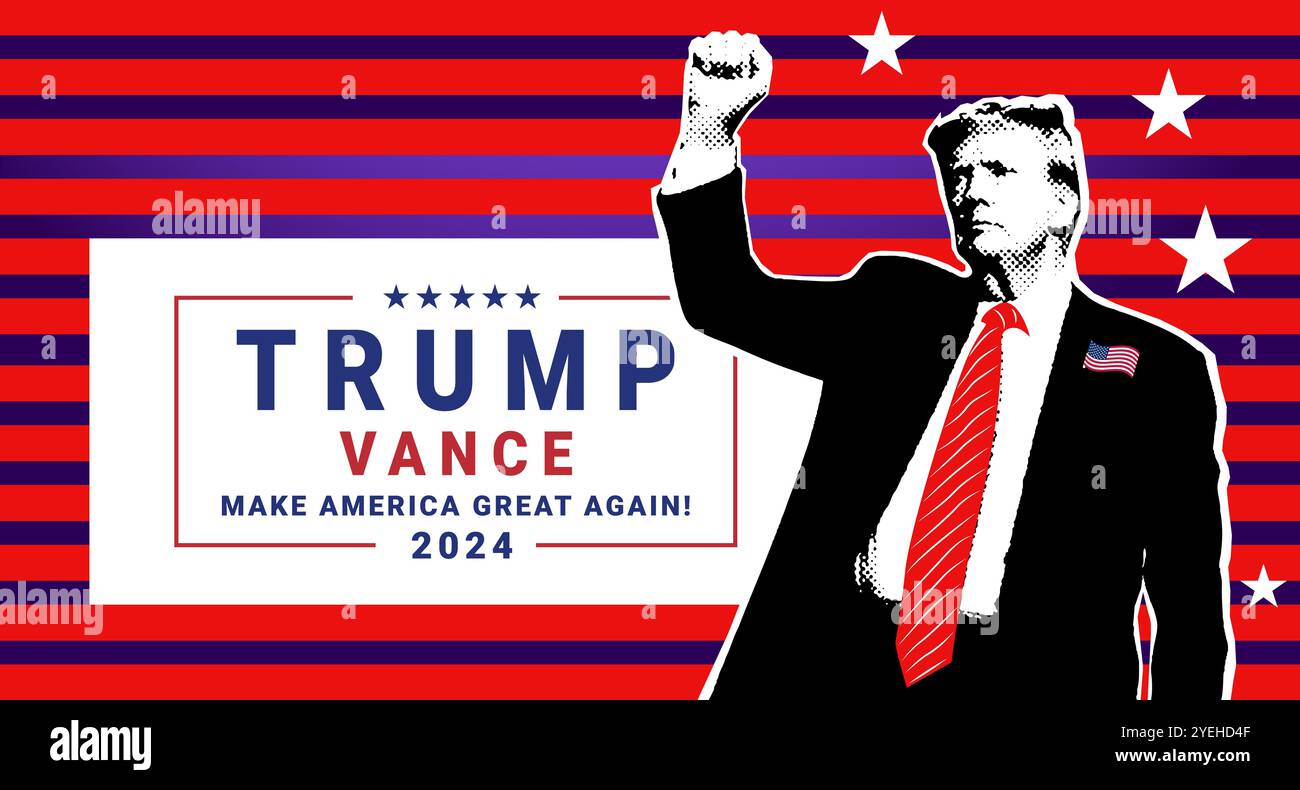
The 2024 presidential campaign was a transformative period in American politics, characterized by an unprecedented candidate swap, significant shifts in voter demographics, and a focus on economic and border security issues. Culminating in the election of Donald Trump to a second, non-consecutive term, the cycle fundamentally altered the traditional political map and established new precedents for future electoral strategies.
The Pre-Election Landscape: Incumbency and Insurgency
As the 2024 campaign cycle began in earnest, the political environment was defined by a rematch that many voters initially expressed exhaustion over: the incumbent President Joe Biden versus the former President Donald Trump. This "rematch" dynamic dominated the early primary season, where both candidates cruised to their respective nominations with minimal resistance from intra-party challengers.
For President Biden, the early campaign focused on "Bidenomics"—an attempt to highlight job growth and infrastructure investments—while simultaneously framing the election as a "battle for the soul of the nation." His strategy relied heavily on the coalition that won in 2020, focusing on suburban voters, African Americans, and organized labor. However, the campaign faced significant headwinds from persistent inflation and high interest rates, which soured the public’s perception of the economy despite positive macroeconomic indicators.
On the Republican side, Donald Trump’s campaign was uniquely intertwined with his legal proceedings. Rather than hindering his momentum, his various indictments served as a powerful fundraising and mobilization tool during the GOP primaries. His "Make America Great Again" (MAGA) base remained fiercely loyal, viewing the legal challenges as politically motivated "lawfare." This allowed Trump to consolidate the party faster than many analysts expected, effectively turning the Republican National Committee (RNC) into an extension of his campaign infrastructure by the spring of 2024.
The Summer of Volatility: Two Months That Redefined American Politics
The 2024 campaign will be remembered most for a roughly 60-day window in the summer of 2024 that featured events virtually unseen in modern political history. These events shifted the trajectory of the race and forced both parties to undergo massive strategic pivots.
The June 27 Debate and the Biden Withdrawal
The decision by the Biden campaign to hold a debate as early as June was a calculated risk intended to reset the race and quiet concerns about the President’s age. Instead, the performance had the opposite effect. Biden’s struggling appearance sparked an immediate crisis within the Democratic Party. For the next three weeks, a growing chorus of lawmakers, donors, and party elders publicly and privately called for him to step aside.
On July 21, 2024, in a move that shocked the global political community, Joe Biden announced via social media that he would withdraw from the race. He quickly endorsed his Vice President, Kamala Harris. This was the first time an incumbent president had withdrawn so late in the cycle since Lyndon B. Johnson in 1968, though the timing in 2024 was significantly closer to the actual election.
The Butler Assassination Attempt
Only eight days before Biden’s withdrawal, the campaign was touched by political violence. During a rally in Butler, Pennsylvania, on July 13, 2024, Donald Trump survived an assassination attempt. The image of a bloodied Trump pumping his fist in front of the American flag became the defining visual of the Republican National Convention (RNC) in Milwaukee, which began just days later. This event momentarily unified the country in condemnation of violence and appeared to give Trump a significant "sympathy bump" in the polls as he officially accepted the GOP nomination alongside his running mate, Senator JD Vance of Ohio.
The Rise of the Harris-Walz Ticket
The transition from the Biden-Harris ticket to the Harris-Walz ticket happened with remarkable speed. Within 48 hours of Biden’s exit, Kamala Harris had secured enough delegate pledges to become the presumptive nominee, avoiding a chaotic "open convention."
Vice President Harris selected Minnesota Governor Tim Walz as her running mate, aiming to appeal to "Blue Wall" voters in the Midwest. The campaign transitioned from a defensive posture to one focused on "Joy" and "The Future." This shift initially paid dividends; the Harris campaign broke fundraising records, raising over $1 billion in a matter of months, and closed the polling gap that had widened during the final weeks of the Biden campaign.
However, the Harris campaign faced a difficult "incumbency trap." As Vice President, she struggled to distance herself from the unpopular aspects of the Biden administration—specifically the rising cost of living and the influx of migrants at the southern border—while still taking credit for the administration's successes.
Core Issues and Voter Sentiment
While personalities dominated the headlines, the 2024 campaign was ultimately decided by a narrow set of issues that resonated across the "swing states" of Pennsylvania, Michigan, Wisconsin, Arizona, Georgia, North Carolina, and Nevada.
The Economy and Inflation
Despite the Federal Reserve's success in lowering inflation from its 2022 peaks, the cumulative "price level" remained the top concern for voters. The 2024 campaign saw a significant "cost of living" election. The Trump campaign successfully messaged that everyday goods—gas, groceries, and housing—were significantly cheaper during his first term. The Democratic counter-argument, focusing on corporate price-gouging and lower unemployment, failed to resonate with the "kitchen table" realities of many undecided voters.
Immigration and Border Security
Border security reached a boiling point during the 2024 cycle. The Trump campaign leaned heavily into "Mass Deportations" as a core promise, linking illegal immigration to both economic strain and public safety concerns. The Harris campaign attempted to pivot by supporting a bipartisan border security bill that Trump had previously urged Republicans to kill, but polling consistently showed that voters trusted the Republican platform more on this specific issue.
Reproductive Rights and Democracy
The Democratic strategy relied heavily on the issue of abortion access following the overturning of Roe v. Wade. This strategy had been successful in the 2022 midterms and several state-level referendums. While reproductive rights did drive high turnout among women and younger voters, it was ultimately overshadowed by economic concerns in the final weeks of the campaign. Similarly, the "threat to democracy" narrative, while central to the Harris campaign’s closing argument, appeared to have less salience than it did in previous years.
Battleground Dynamics: The Collapse of the "Blue Wall"
The 2024 campaign was decided in the "Blue Wall" states of the Great Lakes region. For decades, Pennsylvania, Michigan, and Wisconsin were the bedrock of Democratic presidential victories. In 2024, these states shifted toward Donald Trump, reflecting a deeper realignment of the American electorate.
| State | 2020 Margin | 2024 Result | Key Factor in 2024 |
|---|---|---|---|
| Pennsylvania | Biden +1.17% | Trump Won | Shift in working-class voters in the "T" and Latino areas like Reading/Allentown. |
| Michigan | Biden +2.78% | Trump Won | High frustration in Dearborn over foreign policy; lower turnout in Detroit. |
| Wisconsin | Biden +0.63% | Trump Won | Increased Republican margins in the "WOW" counties and rural stagnation for Dems. |
| Georgia | Biden +0.23% | Trump Won | Republican consolidation of rural areas and slight shifts in Black male voters. |
| Arizona | Biden +0.30% | Trump Won | High salience of border security and economic concerns among Hispanic men. |
| North Carolina | Trump +1.35% | Trump Won | Continued GOP dominance in rural districts despite urban growth in Charlotte/Raleigh. |
The Republican strategy focused on high-propensity rural voters while making significant inroads into traditional Democratic constituencies. Conversely, the Democratic strategy of maximizing urban turnout and winning over "moderate" Republicans in the suburbs proved insufficient to offset the losses among working-class voters.
Data and Demographics: The 2024 Realignment
The 2024 campaign highlighted a major demographic shift that is still being analyzed by sociologists and political scientists in 2026. The traditional "demographics is destiny" mantra of the early 2010s was largely upended.
- The Hispanic Shift: One of the most significant stories of the 2024 campaign was the movement of Hispanic voters—particularly Hispanic men—toward the Republican Party. Concerns over the economy and social conservatism led to Trump winning several majority-Latino counties in South Texas and making double-digit gains in Florida and the Southwest.
- The Gender Gap: The 2024 election saw one of the widest gender gaps in American history. Women leaned heavily toward Harris, driven by reproductive rights and a distaste for Trump’s rhetoric. However, men, particularly those under 30, moved toward Trump in record numbers, influenced by a new "manosphere" media ecosystem of podcasts and social media influencers.
- Educational Polarization: The divide between college-educated and non-college-educated voters reached new heights. The Democratic Party continued its transformation into a party of the "professional class," while the Republican Party cemented its status as a multi-ethnic, working-class coalition.
Campaign Finance and Modern Strategy
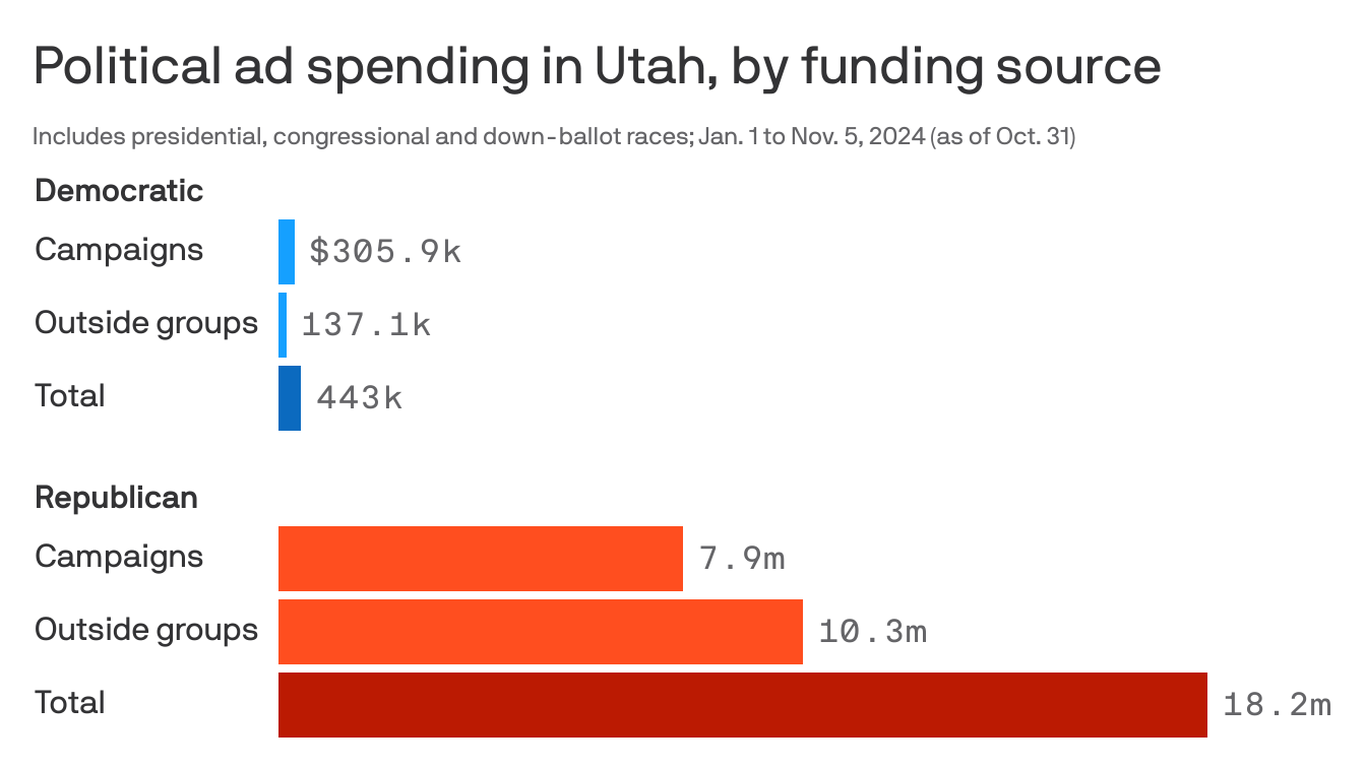
The 2024 cycle was the most expensive in human history, with total spending exceeding $15 billion across all races. However, the 2024 campaign proved that money does not always equate to victory. Despite the Harris campaign outspending the Trump campaign in the final months, the Republican side utilized a decentralized "ground game."
A significant change in 2024 was the role of "Super PACs" and outside groups. Following new FEC clarifications, campaigns were allowed to coordinate more closely with outside groups on canvassing efforts. The Trump campaign effectively "outsourced" much of its get-out-the-vote (GOTV) operation to organizations like Elon Musk’s America PAC and Turning Point Action. This allowed the campaign to focus its limited hard-dollar resources on high-impact television and digital advertising.
Furthermore, the 2024 campaign saw the decline of traditional media dominance. Both candidates prioritized "alternative media" over mainstream news outlets. Donald Trump and JD Vance appeared on numerous high-reach podcasts, such as The Joe Rogan Experience, to reach low-propensity voters who do not consume traditional political news. Kamala Harris also engaged in this strategy, appearing on podcasts like Call Her Daddy, though her late start in the race limited the total reach of this "earned media" strategy.
2026 Perspective: The Lasting Impact
Looking back from 2026, the 2024 campaign serves as a case study in the volatility of modern politics. It demonstrated that incumbency can be a liability in an era of global populism and that traditional party coalitions are in a state of flux. The "Trump 2.0" administration, currently in its second year, has focused heavily on the core promises made during the 2024 campaign: deregulation, border enforcement, and trade protectionism.
The Democratic Party, meanwhile, remains in a period of soul-searching. The loss in 2024 triggered a debate between the progressive wing, which argues the party didn't offer a bold enough economic alternative, and the moderate wing, which believes the party has become too focused on cultural issues that alienate the working class.
Frequently Asked Questions
What was the official voter turnout for the 2024 election?
The 2024 election saw a robust turnout, though it slightly trailed the record-breaking numbers of 2020 in some jurisdictions. Total turnout was approximately 64-66% of the voting-eligible population. While the raw number of votes cast was higher due to population growth, the percentage reflected a highly motivated electorate on both sides, particularly in the seven key swing states where turnout often exceeded 70%.
How did the legal cases against Donald Trump affect the 2024 campaign?
The legal cases had a dual effect. During the Republican primary, they served to "rally the base" around Trump, effectively ending the candidacies of challengers like Ron DeSantis and Nikki Haley. In the general election, the impact was more nuanced. While the conviction in the New York hush-money case led to a slight, temporary dip in polling among independents, the subsequent Supreme Court ruling on presidential immunity and the dismissal of the classified documents case in Florida by Judge Aileen Cannon blunted the "convicted felon" narrative used by the Harris campaign.
Why did Joe Biden wait until July to withdraw from the race?
President Biden and his inner circle initially believed that his legislative record and the threat of a second Trump term would outweigh concerns about his age. It was only after the June 27 debate—and the subsequent drop in fundraising and polling—that the pressure from congressional leaders like Hakeem Jeffries and Nancy Pelosi became insurmountable. The delay limited the time Kamala Harris had to introduce herself to the national electorate as the top of the ticket.
What role did Elon Musk play in the 2024 campaign?
Elon Musk became one of the most influential non-candidate figures in the 2024 cycle. Beyond his financial contributions to America PAC, his ownership of the social media platform X (formerly Twitter) allowed him to promote "Pro-MAGA" content and engage directly in political discourse. His "America PAC" also took over a large portion of the GOP's ground game in swing states, focusing specifically on registering and turning out infrequent voters.
How did the 2024 campaign change the use of Artificial Intelligence (AI) in politics?
The 2024 campaign was the first to see widespread use of "deepfake" technology and AI-generated content. While most major campaigns signed pledges to avoid deceptive AI, third-party groups and foreign actors used AI to create viral memes and misleading videos. This led to a push for new federal regulations and state-level "disclosure" laws regarding AI in political advertising, many of which are being debated or implemented now in 2026.
Final Recommendation for Researchers
For those studying the 2024 campaign, it is essential to look beyond national polling and focus on county-level shifts in the Rust Belt and the Sun Belt. The 2024 results suggest that the "urban-rural divide" is no longer the only story; the "educational divide" and the "ethnic realignment" are now the primary drivers of American electoral outcomes. Analysts should consult the Federal Election Commission (FEC) for final campaign finance disclosures and the U.S. Census Bureau for post-election demographic surveys to understand the full scope of this historic transition.