The 2024 elections represented a watershed moment in modern democratic history, featuring national elections across more than 60 countries representing over four billion citizens. In the United States, Republican candidate Donald Trump secured a second non-consecutive presidential term alongside Congressional majorities, while major elections in India, the United Kingdom, Mexico, South Africa, and the European Union reshaped global governance, trade dynamics, and international security frameworks.
The United States 2024 General Election: Outcomes and Shift in Power
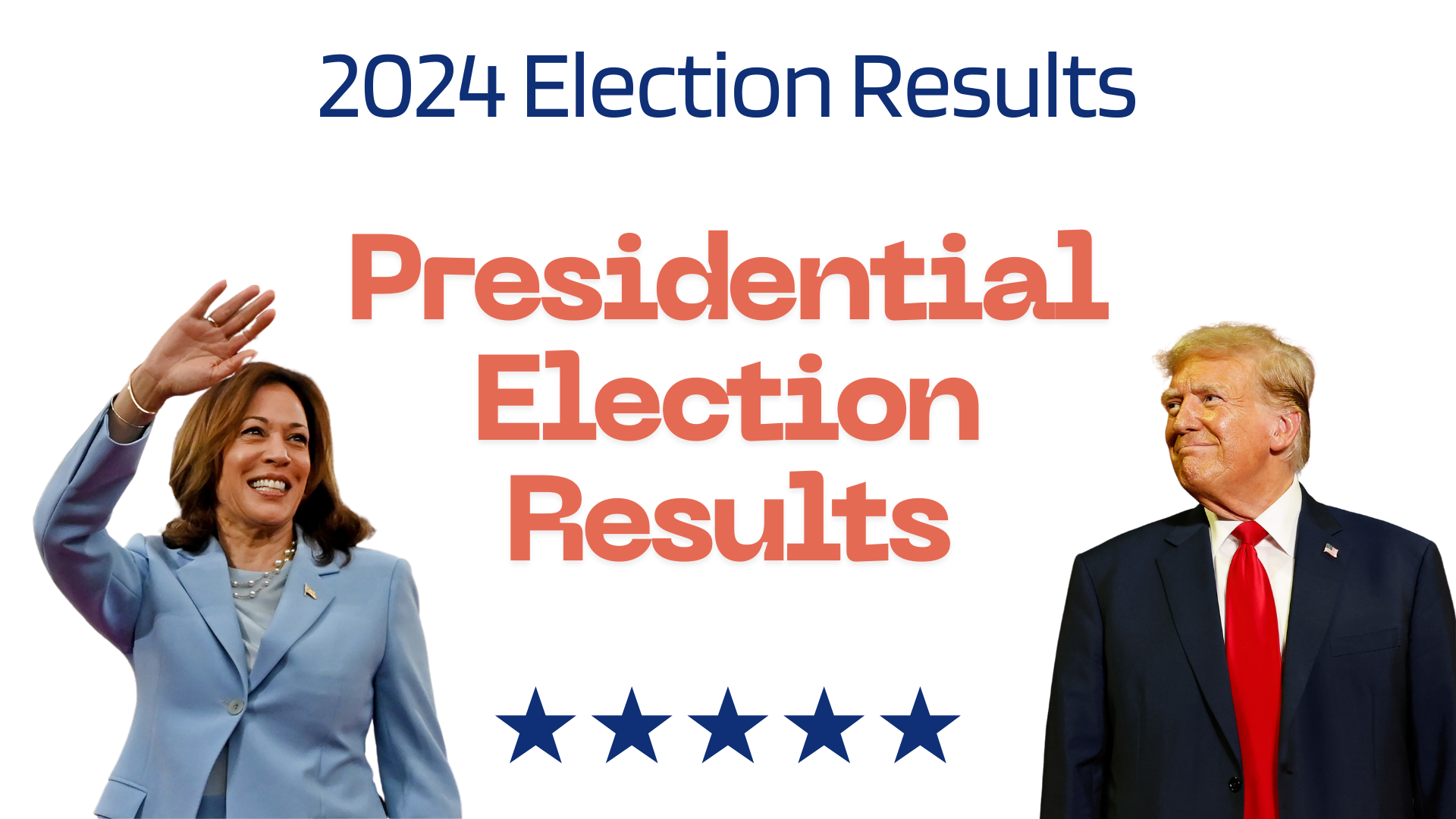
The 2024 U.S. presidential election took place on November 5, 2024, culminating an intense campaigns season shaped by economic pressures, immigration concerns, foreign policy crises, and debates over constitutional norms. Former President Donald Trump, running alongside Senator JD Vance of Ohio, achieved a decisive victory over Democratic nominee Vice President Kamala Harris, who had joined the top of the ticket following President Joe Biden’s withdrawal from the race in July 2024.
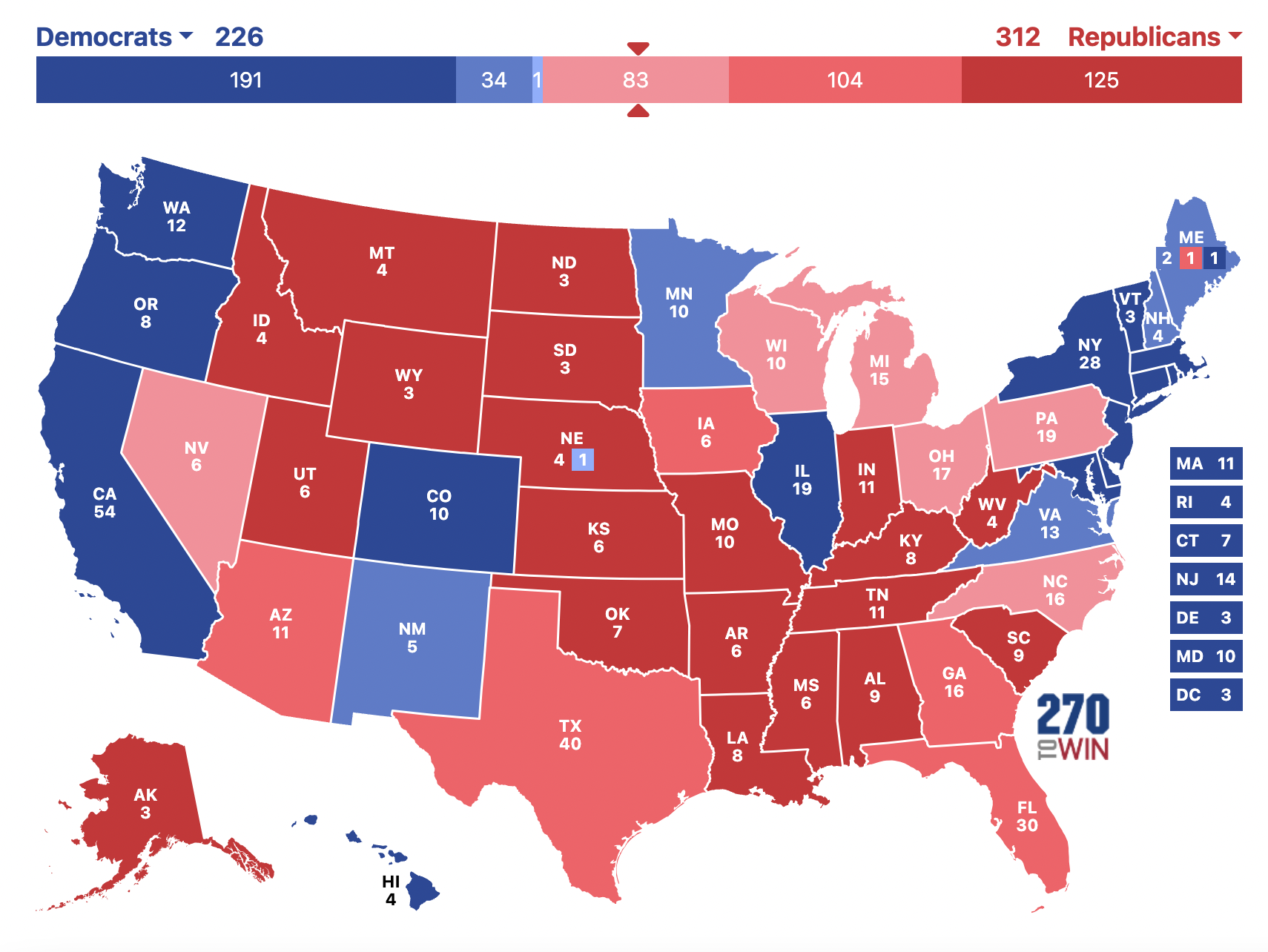
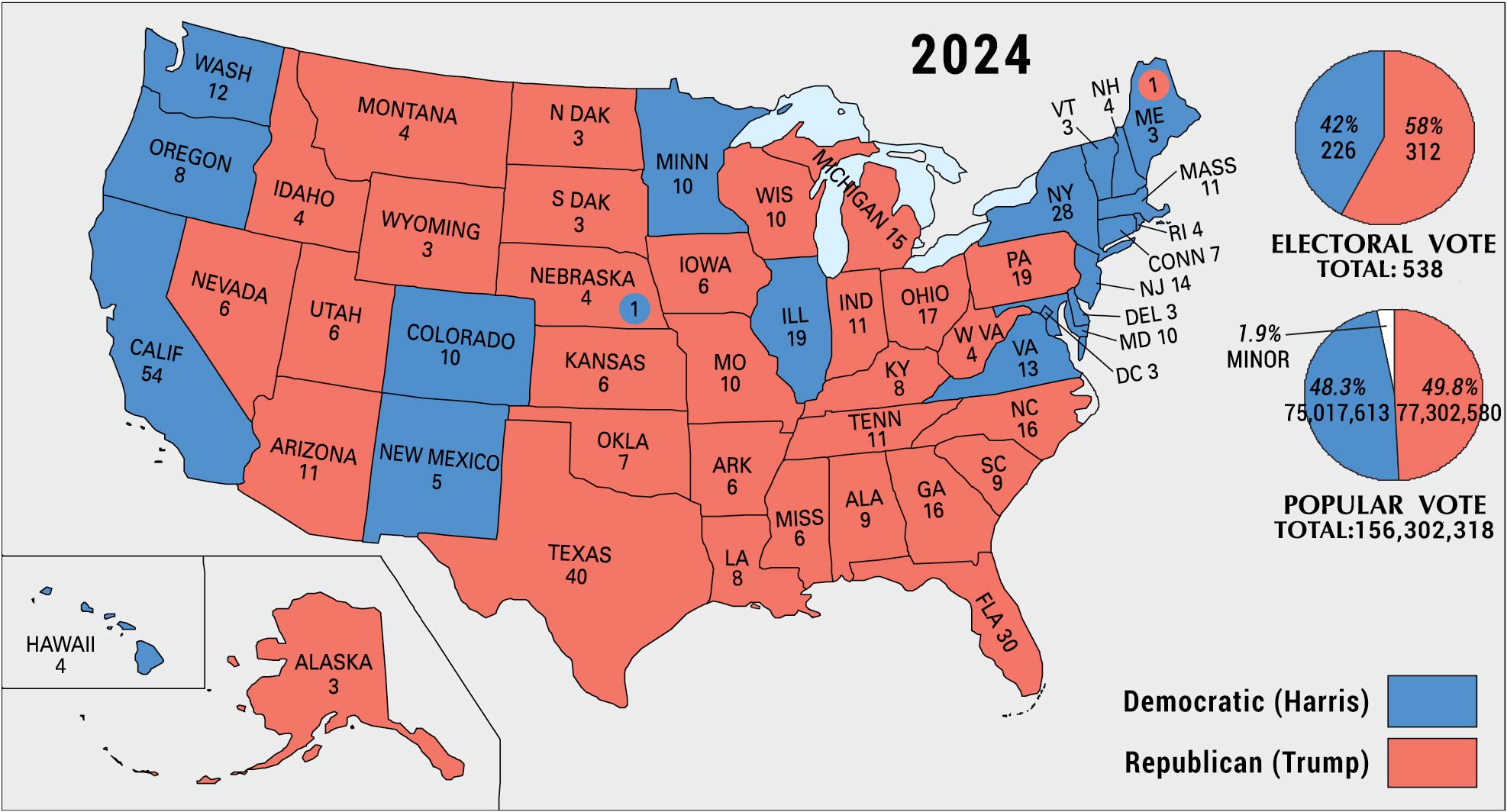
Trump secured both a majority in the Electoral College—winning 312 electoral votes to Harris’s 226—and a victory in the national popular vote. This marked the first time a Republican presidential candidate won the national popular vote since 2004. Trump swept all seven primary competitive battleground states: Pennsylvania, Michigan, Wisconsin, Georgia, North Carolina, Arizona, and Nevada.
2024 U.S. Electoral College Map Summary ====================================== Donald Trump (R): 312 Electoral Votes (50.1% Popular Vote) Kamala Harris (D): 226 Electoral Votes (48.3% Popular Vote) Battleground Sweep: PA, MI, WI, GA, NC, AZ, NV -> Republican
The Presidential Race: Swing State Analysis
The outcome of the presidential race hinged on rapid vote shifts across the Rust Belt and Sun Belt states. In previous election cycles, the "Blue Wall" states of Pennsylvania, Michigan, and Wisconsin had served as a firewall for Democratic presidential candidates. In 2024, economic fatigue caused by sustained post-pandemic inflation, combined with shifting working-class alignment, flipped these states back to the Republican column.
- Pennsylvania: Trump secured the state by roughly 1.7 percentage points, buoyed by increased margins in rural counties and reduced Democratic advantages in Philadelphia and Allegheny (Pittsburgh) counties.
- Michigan and Wisconsin: Margins remained narrow, with Trump winning Michigan by approximately 1.4 percentage points and Wisconsin by less than 1 percentage point. High turnout in non-metropolitan areas offset suburban Democratic gains around Milwaukee and Detroit.
- Sun Belt (Georgia, North Carolina, Arizona, Nevada): Trump expanded on his 2020 performance across the Sun Belt. High inflation, rapid regional cost-of-living increases, and concerns over southern border management drove significant swings toward the Republican ticket, notably among Hispanic and male working-class voters in Nevada and Arizona.
Detailed official vote counts and state-level statistics are maintained by the U.S. Federal Election Commission.
Congressional Realignment: Senate and House Results
Alongside the presidential contest, control of both chambers of the U.S. Congress was at stake, determining the legislative capacity of the incoming administration.
- The U.S. Senate: Republicans reclaimed the Senate majority, expanding their seat count from 49 to 53 seats. Key flipped seats occurred in West Virginia (where retired Independent/Democrat Joe Manchin’s seat was won by Republican Jim Justice), Ohio (where Bernie Moreno defeated incumbent Democrat Sherrod Brown), and Montana (where Tim Sheehy defeated incumbent Democrat Jon Tester). Democrats successfully defended competitive seats in Nevada, Arizona, Michigan, and Wisconsin, preventing a larger Republican supermajority.
- The U.S. House of Representatives: Control of the House of Representatives was decided by narrow margins across a small number of suburban districts in California, New York, Pennsylvania, and Virginia. Republicans maintained their narrow operational majority, winning 220 seats to the Democrats' 215 seats. This unified federal government—holding the White House, Senate, and House—provided Republicans with a mandate to utilize budget reconciliation rules for tax and regulatory legislation.
Demographic Shifts and Coalition Realignment
The 2024 election highlighted long-term shifts in American political coalitions. Traditional political alignments based strictly on education level, geography, and ethnicity underwent notable shifts:
- The Working-Class Realignment: The educational attainment gap widened further. Voters without a four-year college degree swung toward the Republican party by significant margins across white, Black, and Hispanic demographics.
- Hispanic and Latino Voters: Donald Trump made historic inroads with Hispanic voters nationwide, winning approximately 46% of the Hispanic vote nationally—a record high for a Republican presidential nominee in modern polling history—with particularly pronounced gains among Hispanic men in Texas border counties and Florida.
- Urban-Suburban Margins: While suburban voters in major metropolitan areas retained a slight Democratic preference, urban centers recorded notable shifts toward Republicans. New York City, Chicago, and Los Angeles saw low-to-moderate shifts in presidential vote margins compared to 2020 baseline levels.
Comparative Breakdown of Major 2024 Global Elections
The year 2024 was historically distinct as a global "Super Election Year." Beyond the United States, landmark national elections occurred across key geopolitical hubs, fundamentally altering parliament structure, coalition mathematics, and economic alliances.
| Country / Region | Election Type | Primary Outcome / Winning Party | key Coalition or Institutional Shift |
|---|---|---|---|
| United States | Presidential & Legislative | Republican Party (Unified Control) | Re-election of Donald Trump; GOP flips U.S. Senate and retains House. |
| India | Parliamentary (Lok Sabha) | National Democratic Alliance (BJP-led) | Narendra Modi secures 3rd term; BJP loses single-party majority, relies on coalition. |
| United Kingdom | General Election | Labour Party (Keir Starmer) | Labour wins 412 of 650 seats; ends 14 years of Conservative Party rule. |
| Mexico | Presidential & Legislative | MORENA (Claudia Sheinbaum) | First female President elected in Mexico; MORENA achieves near-supermajorities. |
| South Africa | National Assembly | Coalition Government (ANC / DA / others) | African National Congress (ANC) loses absolute majority for first time since 1994. |
| European Union | European Parliament | EPP / Progressive Alliance / Renew (Center) | Centrist majority holds, but right-wing and sovereignist factions gain seats. |
India: Coalition Dynamics in the Lok Sabha
In April and May 2024, India conducted the world's largest democratic exercise, with nearly 1 billion eligible voters participating over seven phases. The Bharatiya Janata Party (BJP), led by Prime Minister Narendra Modi, sought a third consecutive single-party majority.
While the BJP-led National Democratic Alliance (NDA) secured enough seats (293 of 543) to form a government and re-elect Modi for a historic third term, the BJP itself fell short of the 272-seat threshold for an absolute majority, winning 240 seats. The opposition coalition, the Indian National Developmental Inclusive Alliance (INDIA), outperformed pre-election polling by winning 234 seats. This outcome forced the BJP to rely on regional coalition partners, such as the Telugu Desam Party (TDP) and Janata Dal (United), introducing new institutional checks on legislative policy. Official details can be accessed via the Election Commission of India.
United Kingdom: Political Reversal and Labour’s Majority
On July 4, 2024, the United Kingdom held its general election, resulting in a sweeping political realignment after 14 years of Conservative Party governance. The Labour Party, led by Sir Keir Starmer, achieved a decisive parliamentary majority by winning 412 out of 650 seats in the House of Commons.
2024 U.K. House of Commons Seat Distribution ============================================ Labour Party: 412 seats (+214) Conservative Party: 121 seats (-251) Liberal Democrats: 72 seats (+61) Scottish National Party: 9 seats (-39) Reform UK: 5 seats (+5) Green Party: 4 seats (+3) Others / Independents: 27 seats
The Conservative Party suffered its worst electoral defeat in modern history, reduced to 121 seats amid public discontent over public service performance, healthcare waiting lists, economic stagnation, and political instability following Brexit. The election also featured significant seat gains for the Liberal Democrats (72 seats) and the entry of the right-wing Reform UK party (5 seats), which captured a substantial portion of the popular vote.
Mexico and South Africa: Historic Institutional Firsts
- Mexico: On June 2, 2024, Mexico held its largest election in national history. Claudia Sheinbaum, representing the ruling MORENA party and a former Head of Government of Mexico City, was elected as Mexico’s first female President with over 59% of the popular vote. MORENA and its allies secured sweeping majorities in the Chamber of Deputies and Senate, giving them the constitutional power to enact major judicial and regulatory reform programs.
- South Africa: South Africa’s May 29, 2024 general election marked a critical turning point in the nation's post-apartheid political landscape. The African National Congress (ANC), which had governed continuously with an absolute majority since 1994, received 40.2% of the vote, dropping below 50% for the first time. To maintain governance, President Cyril Ramaphosa negotiated a historic Government of National Unity (GNU), forming a working coalition with the market-friendly Democratic Alliance (DA), the Inkatha Freedom Party (IFP), and smaller political organizations.
European Parliament: Political Realignment Across the EU
Between June 6 and 9, 2024, voters across the 27 member states of the European Union elected 720 members of the European Parliament (MEPs). The center-right European People's Party (EPP) remained the largest political group, increasing its seat count and securing a second term for European Commission President Ursula von der Leyen.
However, the elections demonstrated a notable rightward shift across several founding EU states. Right-wing, sovereignist, and nationalist parties made substantial gains, particularly in France (National Rally) and Germany (Alternative für Deutschland), prompting French President Emmanuel Macron to dissolve the National Assembly and call snap national parliamentary elections. Despite these shifts, the core grand coalition of center-right, center-left, and liberal parties retained a functional working majority to direct EU legislative policies.
Voter Administration, Security, and Turnout Metrics
Managing the logistics of the 2024 election season required extensive administrative preparations across local, state, and national jurisdictions. Administrative procedures faced rigorous examination regarding processing speeds, voter registration databases, early voting protocols, and chain-of-custody rules.
Turnout Patterns and Mail-In Tabulation
In the United States, total voter turnout for the 2024 presidential election reached approximately 63.5% of the eligible voting-age population. While slightly below the historic peak of 66.6% recorded during the 2020 election, 2024 represented one of the highest turnout figures in modern American electoral history.
U.S. National Voter Turnout Trends (2008–2024) ============================================== 2008: 61.6% 2012: 58.0% 2016: 59.2% 2020: 66.6% 2024: 63.5%
A key operational development in 2024 was the shift in vote-by-mail and early voting dynamics:
- Bipartisan Adoption of Early Voting: Unlike 2020, where mail-in voting was overwhelmingly utilized by Democratic voters due to pandemic concerns, 2024 saw aggressive campaign efforts by the Republican National Committee encouraging voters to utilize early in-person voting and mail-in options. This reduced the traditional "red mirage" or "blue shift" observed in post-election night tabulations.
- State Legislative Rule Changes: States such as Georgia and North Carolina operated under updated voting regulations enacted between 2021 and 2023. These updates instituted strict photo identification requirements for both in-person voting and absentee ballot verification, standardized drop-box availability, and set deadlines for mail ballot retrieval.
- Tabulation Velocity: Improved processing protocols in critical jurisdictions, including signature verification pre-processing before Election Day in states like Arizona and Pennsylvania, resulted in faster official results calls relative to the multi-day delays experienced during the 2020 election cycle. For detailed security frameworks and operational guidelines, consult the U.S. Cybersecurity and Infrastructure Security Agency (CISA).
Cybersecurity, Misinformation, and Election Integrity Frameworks
Elections worldwide in 2024 confronted new technological challenges, particularly regarding foreign information operations and generative artificial intelligence (AI).
- Generative AI and Deepfakes: Election officials and intelligence agencies monitored the potential deployment of synthetic audio and video intended to mislead voters regarding polling station locations, ballot procedures, or candidate statements. While isolated incidents occurred—such as a robocall deepfake preceding the New Hampshire primary—coordinated defense measures by non-partisan watchdog groups and technology companies prevented systemic operational disruption to election infrastructure.
- Foreign Interference Threats: Joint assessments issued by federal intelligence agencies highlighted persistent attempts by foreign state-aligned actors (primarily from Russia, Iran, and China) to amplify political polarization, execute distributed denial-of-service (DDoS) attacks on state web portals, and circulate fake news sites targeting battleground voter segments.
- Physical Security for Poll Workers: State legislatures across the U.S. enacted enhanced legal protections for election administrators and volunteer poll workers, upgrading physical security measures at county tabulation facilities, instituting panic buttons, and establishing clear criminal penalties for intimidation tactics directed at election staff.
Long-Term Policy and Economic Implications
The structural shifts resulting from the 2024 election cycle initiated substantial pivots in public policy, fiscal priority, and international economic strategy that took effect through 2025 and 2026.
Trade, Tariffs, and Industrial Policy
The re-election of Donald Trump signaled a return to economic nationalism and protective trade frameworks:
- Tariff Policies: The incoming administration prioritized baseline universal tariffs on imported goods, combined with targeted higher tariffs on Chinese manufacturing imports. This marked a departure from multilateral free-trade conventions, driving domestic supply-chain reshoring and reshaping trade relationships with North American partners under the United States-Mexico-Canada Agreement (USMCA).
- Tax Code Adjustments: With Republicans holding both the House and Senate, legislative focus turned immediately toward extending and modifying provisions of the 2017 Tax Cuts and Jobs Act (TCJA), which were scheduled to expire at the end of 2025. Key provisions included preserving corporate tax rates at 21%, increasing state and local tax (SALT) deduction limits, and introducing targeted deductions for domestic manufacturing activities.
- Energy and Climate Deregulation: The transition led to immediate changes in federal energy policy. Executive actions prioritized expanding domestic oil, natural gas, and mineral leasing on public lands while dialing back regulatory mandates on automotive tailpipe emissions enforced under the Clean Air Act.
Foreign Relations and Global Alliances
The shift in federal leadership initiated recalibrations across critical foreign policy theaters:
Global Policy Re-alignment Vectors ================================== U.S. Strategy: Protectionist tariffs, bilateral negotiations, focus on border security. NATO Dynamics: Increased European defense expenditure demands; revised burden-sharing. Indo-Pacific: Continued focus on bilateral defense pacts (AUKUS, Quad) to counter regional posture. European Union: Focus on strategic autonomy, supply chain security, economic competitiveness.
- NATO and European Security: The Trump administration renewed demands for European NATO members to meet or exceed the benchmark of spending 2% of their Gross Domestic Product (GDP) on national defense. This pressure accelerated European efforts toward "strategic autonomy," with countries like Germany, Poland, and France increasing direct procurement for national defense.
- The Ukraine War: U.S. strategy transitioned toward pressing for a negotiated settlement to end the Russia-Ukraine war, using leverage over bilateral financial and military assistance packages to push both parties toward ceasefire talks.
- Middle East Dynamics: The administration reinforced strong support for Israel while re-instating a "maximum pressure" diplomatic and economic strategy against Iran, focusing on choking off Iranian crude oil exports and reinforcing the Abraham Accords framework to expand normalization between Israel and Arab states.
Frequently Asked Questions About the 2024 Elections
What was the final Electoral College vote tally in the 2024 U.S. presidential election?
Donald Trump won 312 electoral votes, while Kamala Harris secured 226 electoral votes. To win the U.S. presidency, a candidate must secure at least 270 out of the total 538 electoral votes. Trump successfully flipped seven states that had voted Democratic in 2020: Pennsylvania, Michigan, Wisconsin, Georgia, Arizona, Nevada, and North Carolina.
How did voter turnout in 2024 compare to previous election years?
National voter turnout in the U.S. for 2024 was estimated at approximately 63.5% of the voting-eligible population. While lower than the modern record of 66.6% set in 2020, it surpassed the turnout rates of the 2016 (59.2%), 2012 (58.0%), and 2008 (61.6%) presidential elections, indicating sustained high levels of political mobilization.
Which political party won control of the U.S. Congress in 2024?
The Republican Party won control of both chambers of Congress in 2024. Republicans flipped three Senate seats to gain a 53-47 majority in the U.S. Senate. In the House of Representatives, Republicans retained their majority by winning 220 seats compared to 215 seats for Democrats, granting the party unified control of the federal government.
Why was 2024 described as a global "Super Election Year"?
The year 2024 was referred to as a "Super Election Year" because national, parliamentary, or presidential elections were held in over 60 sovereign nations, representing approximately 4.2 billion people—more than half of the world's total population. Major global powers, including the United States, India, the United Kingdom, Mexico, South Africa, and the European Union, all held elections within this single calendar year.
What were the major demographic shifts observed in the 2024 election results?
The 2024 U.S. election featured significant political realignments, particularly among working-class voters without a four-year college degree across all ethnic groups. Donald Trump made historic gains with Hispanic voters, particularly Hispanic men, and expanded his margins in non-metropolitan and rural counties nationwide, while Democratic strength remained concentrated in major suburban and urban university areas.
Tracking Civic Outcomes Moving Forward
Understanding the full scope of the 2024 election cycle requires monitoring both immediate legislative actions and long-term institutional execution. With shifting legislative majorities domestically and altered parliamentary dynamics globally, citizens and policy analysts should track several critical metrics:
- Federal Legislative Agendas: Track key budget reconciliation bills, tax reform packages, and judicial nominations processed through the U.S. Senate. Official legislative text and roll-call votes can be verified via Congress.gov.
- State Level Policy Shifts: Monitor state legislative sessions to evaluate modifications to state voter eligibility standards, district redistricting maps, and local tax structures.
- Global Coalition Implementations: Follow government coalition dynamics in key international democracies, particularly how India's NDA coalition, South Africa's Government of National Unity, and the UK's Labour majority navigate fiscal challenges and trade negotiations.
Maintaining active engagement with primary documentation, verified vote counts, and neutral legal repositories ensures an accurate understanding of how democratic mandates translate into practical public governance.