The 2021 revival refers to the massive global economic and social recovery following the peak of the COVID-19 pandemic. Characterized by aggressive fiscal stimulus, the "Great Reopening" of international borders, and a resurgence in live entertainment and manufacturing, it marked a pivotal transition toward the hybrid-digital landscape we navigate today in 2026.
The Macroeconomic Landscape of 2021: A Global "Restart"
The 2021 revival was primarily defined by an unprecedented economic rebound. Following the sharpest contraction in modern history in 2020, the global economy staged a dramatic comeback, fueled by low interest rates, government intervention, and the rapid rollout of vaccines. In the United States, the Bureau of Economic Analysis reported a real GDP increase of 5.7% for the year, the strongest growth seen since 1984.
This revival was not a passive occurrence but a heavily engineered outcome. Central banks, including the Federal Reserve and the European Central Bank, maintained near-zero interest rates for much of the year, while fiscal packages like the $1.9 trillion American Rescue Plan injected liquidity directly into households. This "revenge spending" phenomenon saw consumers, who had accumulated record savings during lockdowns, flood the market with demand for goods, electronics, and travel.
However, this rapid revival came with structural friction. The "bullwhip effect" in supply chains—where small fluctuations in demand at the retail level cause massive swings in wholesale and manufacturing orders—led to significant bottlenecks. This was the year that the term "supply chain" entered common parlance, as the global shipping infrastructure struggled to keep pace with the 2021 revival of consumer appetite.
The Labor Market and the "Great Resignation"
A critical component of the 2021 revival was the fundamental shift in the relationship between employers and employees. As businesses reopened their doors, they encountered a phenomenon dubbed the "Great Resignation" or the "Great Reshuffle." Millions of workers, having re-evaluated their priorities during the 2020 lockdowns, exited their jobs in search of better pay, flexibility, or remote work options.
According to data from the U.S. Bureau of Labor Statistics, quit rates reached record highs in late 2021. This was a revival of labor power that had not been seen in decades. Employers were forced to respond with signing bonuses, increased wages, and the permanent adoption of hybrid work models—shifts that remain the standard in 2026.
The 2021 revival of the labor market also saw a significant surge in entrepreneurship. With more time and access to capital, new business applications in the U.S. reached a record 5.4 million in 2021. This "startup revival" laid the groundwork for many of the tech-driven service industries that dominate the current market.
Industrial and Product Revivals: Reimagining Icons
In the industrial sector, 2021 was a year of "revival" in the literal sense, as manufacturers brought back storied names and iconic designs to capture a nostalgic but tech-forward consumer base. This trend was most visible in the automotive and luxury sectors.
The Automotive Resurgence
2021 marked the revival of several legendary nameplates. Ford successfully reintroduced the Bronco, tapping into the burgeoning demand for outdoor lifestyle vehicles. Simultaneously, Lamborghini celebrated the 50th anniversary of its most famous model by unveiling the Countach LPI 800-4. This "revival" model combined the wedge-shaped aesthetics of the 1970s with a modern hybrid powertrain, signaling the industry's shift toward electrification.
The Semiconductor Crisis
While demand was high, the industrial revival of 2021 was hampered by the "chip shortage." The resurgence in demand for consumer electronics and vehicles collided with pandemic-related factory closures in Southeast Asia. This created a paradox: while the 2021 revival was characterized by high demand, it was equally defined by "out of stock" notices and inflated prices for second-hand goods.
The Return of Live Entertainment and Cultural Institutions
Culturally, the 2021 revival was synonymous with the return of "The Room Where It Happens." After more than a year of digital-only interactions, the physical world began to reopen in earnest.
- Broadway and West End: After an 18-month hiatus, Broadway theaters in New York City officially reopened in September 2021. Shows like Hamilton, The Lion King, and Wicked led the charge, symbolizing the return of tourism and the arts to urban centers.
- The Cinematic Experience: While streaming services dominated 2020, 2021 saw a massive revival of the box office. The release of Spider-Man: No Way Home in December 2021 proved that audiences were willing to return to theaters in record numbers, with the film becoming a multi-billion dollar success.
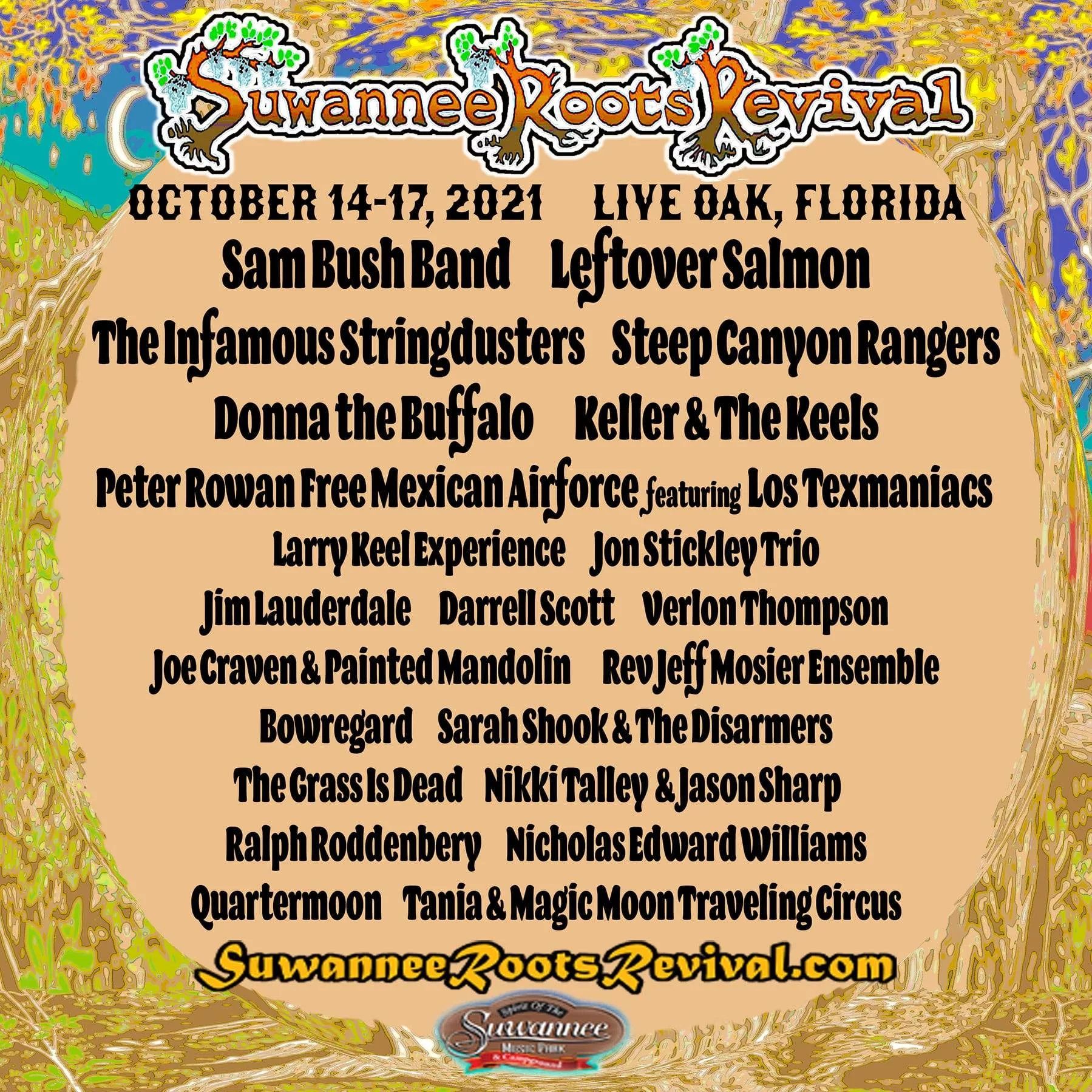
- Music Festivals: Large-scale events like Lollapalooza and the return of stadium tours marked the revival of the live music industry. These events served as "stress tests" for public health protocols, paving the way for the unrestricted touring schedules of the mid-2020s.
The Digital Transition: Hybridity as the New Normal
It is a common misconception that the 2021 revival was a "return to 2019." In reality, it was a revival of activity through a digital lens. The technologies that were adopted out of necessity in 2020—Zoom, Slack, and e-commerce platforms—were refined and integrated permanently into the economy during 2021.
This "Digital Revival" saw the maturation of the "Creator Economy." Platforms like Patreon, Substack, and TikTok saw exponential growth as individuals moved away from traditional media structures. The 2021 revival was less about returning to old offices and more about reviving the economy through decentralized, internet-native work.
Analyzing the Impact: 2020 vs. 2021 vs. 2022
To understand the scale of the 2021 revival, it is helpful to compare the key metrics of the recovery year against the year of the crash and the year of stabilization.
| Metric | 2020 (The Contraction) | 2021 (The Revival) | 2022 (The Adjustment) |
|---|---|---|---|
| Global GDP Growth | -3.1% | +5.9% | +3.2% |
| US Unemployment (Peak) | 14.7% | 3.9% (Year-end) | 3.5% |
| Consumer Price Index (US) | 1.4% | 7.0% | 6.5% |
| S&P 500 Annual Return | +16.3% | +26.9% | -19.4% |
| Remote Work Adoption | Forced/Universal | Hybrid Transition | Standardized |
| Live Event Attendance | Minimal/Digital | Partial Resurgence | Full Capacity |
Environmental and Geopolitical Revivals
The 2021 revival also extended to global diplomacy and environmental policy. After the isolationist trends and pandemic-driven border closures of 2020, 2021 saw a revival of international cooperation, most notably through the COP26 UN Climate Change Conference in Glasgow.
This summit represented a "revival" of the Paris Agreement's goals, with nations committing to more aggressive carbon reduction targets. The 2021 revival of environmental focus led to the massive influx of green energy investment that has come to fruition in 2026, particularly in the sectors of green hydrogen and solid-state batteries.
From a geopolitical standpoint, 2021 saw a revival of traditional alliances, but also the emergence of new tensions. The "Great Reopening" allowed for the resumption of physical summits, such as the G7 and G20, where leaders addressed the unequal distribution of vaccines—a challenge known as "vaccine nationalism" that complicated the revival in developing nations.
Common Obstacles During the 2021 Revival
Despite the overall upward trajectory, the 2021 revival was not a smooth process. Individuals and businesses faced several recurring challenges:
- Inflationary Pressure: The combination of high demand and supply constraints led to the revival of inflation, reaching levels not seen in 40 years.
- Labor Mismatches: While many jobs were available, there was a disconnect between the skills workers possessed and the requirements of the "new economy."
- Health Uncertainty: The emergence of the Delta and Omicron variants caused "stop-start" economic activity, where a revival in the summer would be met with renewed restrictions in the winter.
- Mental Health and Burnout: The 2021 revival was exhausting. After the trauma of 2020, the rapid "restart" of the world led to widespread burnout, prompting a revival of interest in mental health services and work-life balance.
Expert Guidance: Lessons for a Post-Revival World
Looking back from 2026, the 2021 revival taught us that resilience is not about returning to the past, but about adapting to a new baseline. For those analyzing these trends, several key takeaways remain relevant:
- Diversification is Mandatory: The supply chain crisis of 2021 proved that relying on a single geographic source for manufacturing is a critical vulnerability.
- Flexibility is a Retention Tool: The Great Resignation showed that the 2021 revival of labor power was permanent; workers in 2026 now prioritize autonomy over traditional office perks.
- Digital Debt Must Be Managed: The rapid tech adoption in 2021 led to "digital debt"—unstructured data and overlapping software. The most successful organizations today are those that spent the years following the revival streamlining those systems.
Frequently Asked Questions
What was the main driver of the 2021 economic revival?
The primary driver was a combination of massive government stimulus spending, historically low interest rates, and the reopening of the service economy (travel, dining, entertainment) as COVID-19 vaccines became widely available. This created a "perfect storm" of high consumer demand and high liquidity.
How did the 2021 revival affect the housing market?
The 2021 revival saw a historic boom in the housing market. Low mortgage rates and the shift to remote work caused a surge in demand for larger homes in suburban and rural areas. This led to record-high home price appreciation, which eventually contributed to the affordability challenges seen in the years following.
Did the 2021 revival happen at the same time globally?
No. The revival was "K-shaped" and geographically staggered. Advanced economies with high vaccine access and large stimulus budgets (like the US and parts of Europe) saw a rapid revival in early to mid-2021. Many developing nations, particularly in Southeast Asia and Africa, faced a delayed revival due to slower vaccine rollouts and less fiscal capacity.
What industries benefited most from the 2021 revival?
The travel and hospitality sectors saw the most dramatic "revival" from their 2020 lows. Additionally, the technology sector (software, semiconductors), e-commerce, and logistics industries saw massive growth as the world transitioned to a more digital-centric lifestyle.
Was the 2021 revival sustainable?
The 2021 revival was "overheated" in some respects. While it successfully prevented a long-term depression, the speed of the recovery contributed to the high inflation and subsequent interest rate hikes of 2022 and 2023. It was a necessary but volatile transition period.
How did 2021 change the way we work in 2026?
The 2021 revival was the "tipping point" for hybrid work. Before 2021, remote work was often seen as a temporary measure; during the revival, it became a permanent expectation for the global workforce. This has led to the reimagining of urban centers and commercial real estate that we see today.
Practical Recommendation
If you are a business owner or a student of economic history looking to apply the lessons of the 2021 revival, the most critical action is to audit your operational flexibility. The 2021 revival proved that the global economy can shift from a "freeze" to a "boil" in a matter of months. Ensure your supply chains are diversified, your labor contracts offer competitive flexibility, and your digital infrastructure is capable of handling rapid spikes in demand. Understanding the volatility of the 2021 recovery is the best way to prepare for the market fluctuations of the late 2020s.