The iPhone X officially launched on November 3, 2017, but it dominated the smartphone market throughout 2018 as Apple’s premier flagship. With an initial starting price of $999 for the 64GB model, it introduced Face ID, the notch design, and the Super Retina OLED display, setting the hardware standard for the next decade of mobile technology.
The Historical Context of the iPhone X Launch
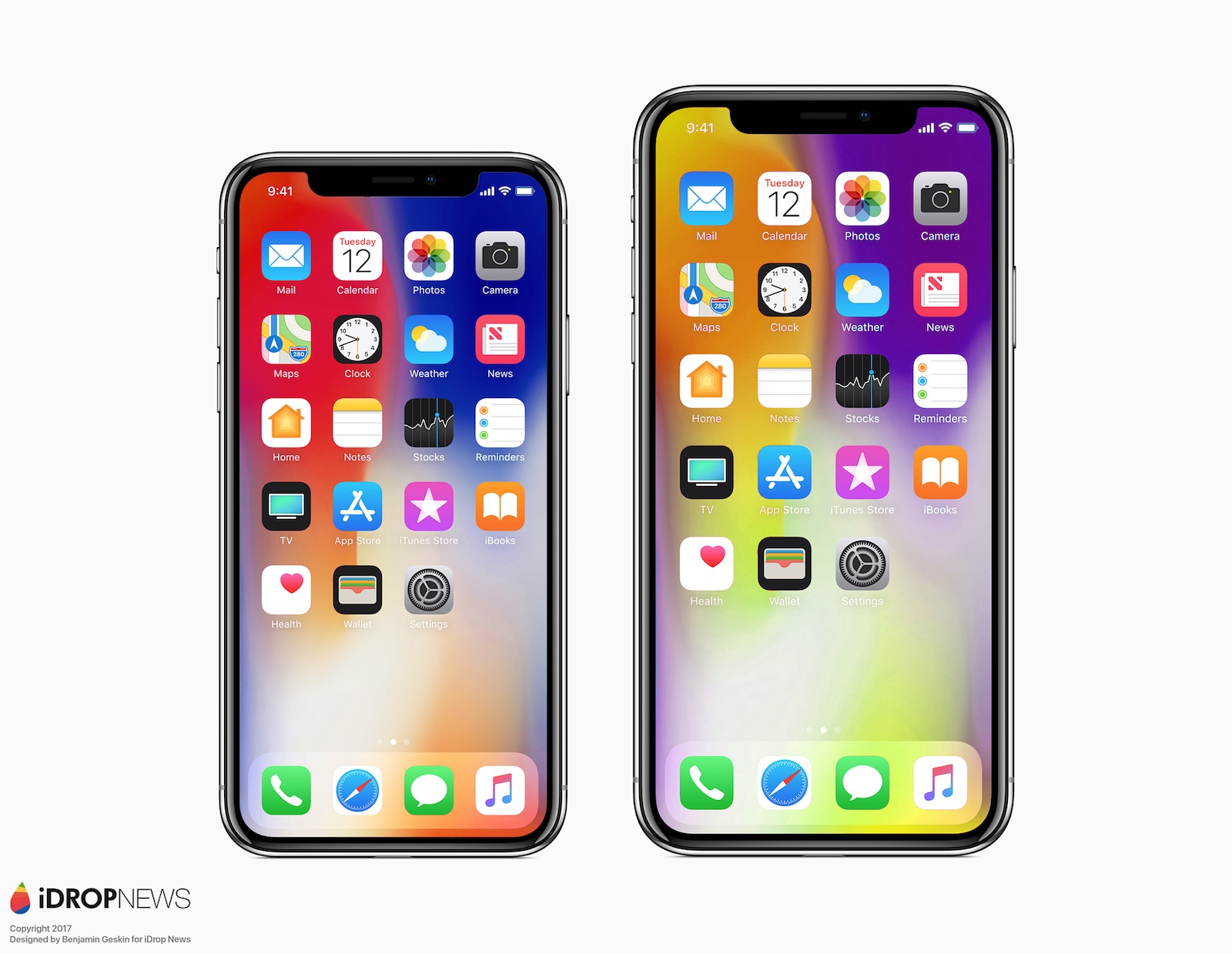
The iPhone X (pronounced "Ten") represented the most significant architectural shift in the history of the iPhone lineup. Announced in September 2017 alongside the iPhone 8 and 8 Plus, the iPhone X was positioned as a "futuristic" device, celebrating the tenth anniversary of the original iPhone. While the iPhone 8 maintained the classic design with a Home button and large bezels, the iPhone X was the first to implement an edge-to-edge screen.
By the start of 2018, the iPhone X had become a cultural phenomenon. It was the device that forced the industry to move away from capacitive fingerprint sensors toward facial recognition and gesture-based navigation. For consumers in 2018, the iPhone X was the primary choice for those seeking the pinnacle of mobile photography and display technology. However, its lifecycle as the "current" flagship was relatively short; Apple officially discontinued the iPhone X on September 12, 2018, following the announcement of the iPhone XS, XS Max, and XR. This makes the 2018 window a unique period where the phone was both a market leader and a rapidly maturing legacy device.
Release Date and Global Availability
The rollout of the iPhone X was marked by significant supply chain challenges, primarily due to the complexity of the TrueDepth camera system and the new OLED panels.
- Pre-order Date: October 27, 2017.
- Official Launch Date: November 3, 2017.
- 2018 Market Presence: Throughout the first three quarters of 2018, the iPhone X was available through all major carriers (Verizon, AT&T, T-Mobile, and Sprint) and the Apple Store.
During the early months of 2018, shipping estimates finally stabilized. At launch, many users faced 5-6 week wait times, but by February 2018, the device reached "in-stock" status globally. This availability allowed the iPhone X to capture a massive share of the premium smartphone market before its successor arrived.
Launch Pricing and Storage Configurations
The iPhone X was the first "mainstream" smartphone to break the $1,000 price barrier, a move that was initially met with skepticism by analysts but ultimately proved successful for Apple’s bottom line. The pricing structure was straightforward, offering only two storage tiers.
| Storage Capacity | Launch Price (USD) | 2018 Market Position |
|---|---|---|
| 64 GB | $999 | Standard flagship entry point |
| 256 GB | $1,149 | Aimed at power users and 4K video creators |
These prices did not include taxes or carrier activation fees. In 2018, most consumers purchased the device through installment plans, which typically ranged from $41.62 to $47.87 per month over a 24-month period. Apple also offered the iPhone Upgrade Program, which included AppleCare+ and the option to trade in the device after 12 payments.
Technical Specifications: A Deep Dive
The iPhone X was a "Pro" device before the "Pro" naming convention existed. Its internals were designed to handle the high demands of augmented reality (AR) and computational photography.
The Super Retina Display
The iPhone X featured Apple’s first OLED (Organic Light-Emitting Diode) panel. Branded as the Super Retina HD Display, it was a 5.8-inch (diagonal) screen with a resolution of 2436-by-1125 pixels at 458 ppi.
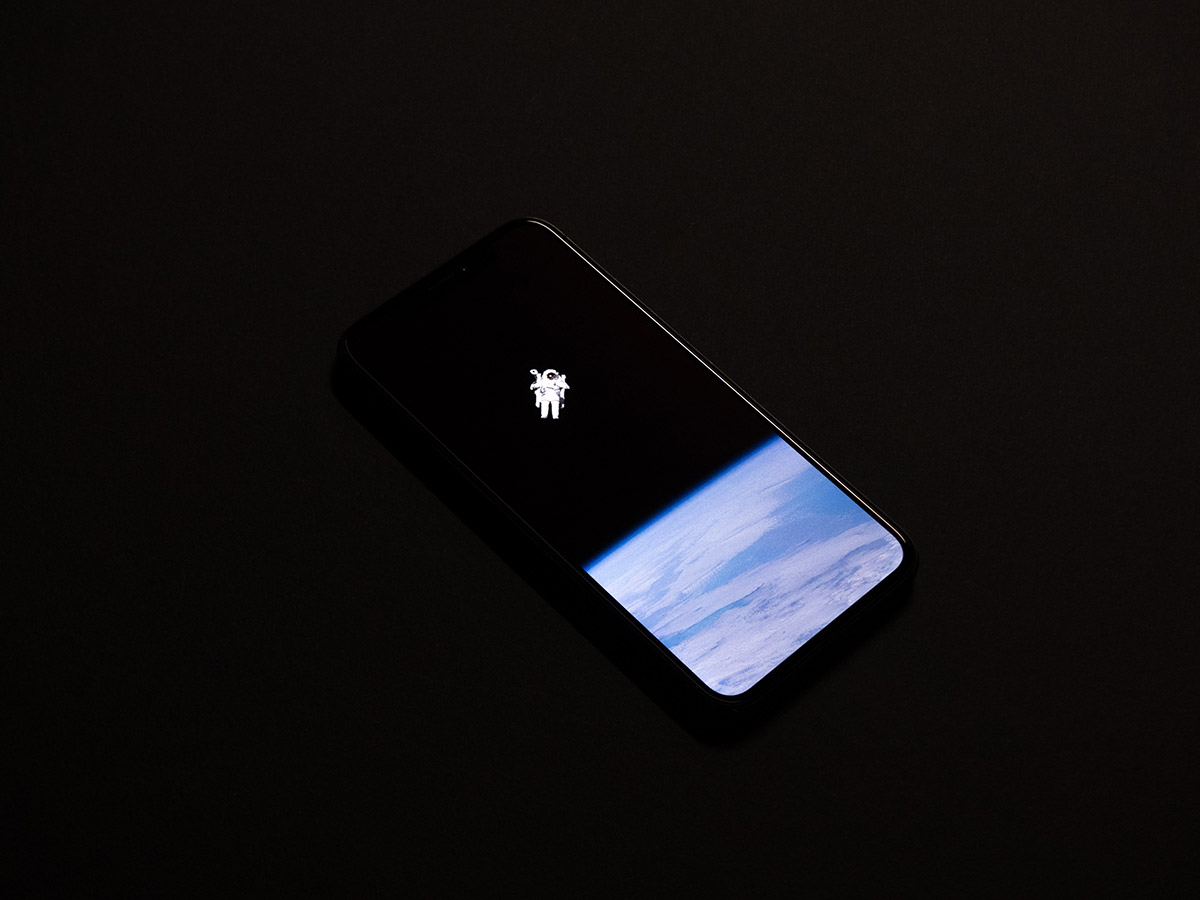
Unlike the LCD screens found on the iPhone 8, the OLED panel provided a 1,000,000:1 contrast ratio. This allowed for "true blacks," as the pixels could completely turn off, and support for HDR10 and Dolby Vision. The display also featured True Tone technology, which used a four-channel ambient light sensor to adjust the white balance of the screen to match the color temperature of the light around the user.
A11 Bionic Chip and Neural Engine
Under the hood, the iPhone X was powered by the A11 Bionic chip. This processor featured a six-core CPU design with two performance cores that were 25 percent faster than the previous A10 Fusion, and four efficiency cores that were 70 percent faster.
The standout feature of the A11 was the Neural Engine. This was a dual-core hardware component specifically designed for machine learning tasks. It handled the massive computational load required for Face ID and the processing of Portrait Lighting effects in the camera app. In 2018, this chip was the benchmark leader, consistently outperforming contemporary Android flagship processors in both single-core and multi-core tasks.
Camera Systems: Dual 12MP Setup
The rear camera system consisted of dual 12MP sensors:
- Wide-angle: f/1.8 aperture.
- Telephoto: f/2.4 aperture.
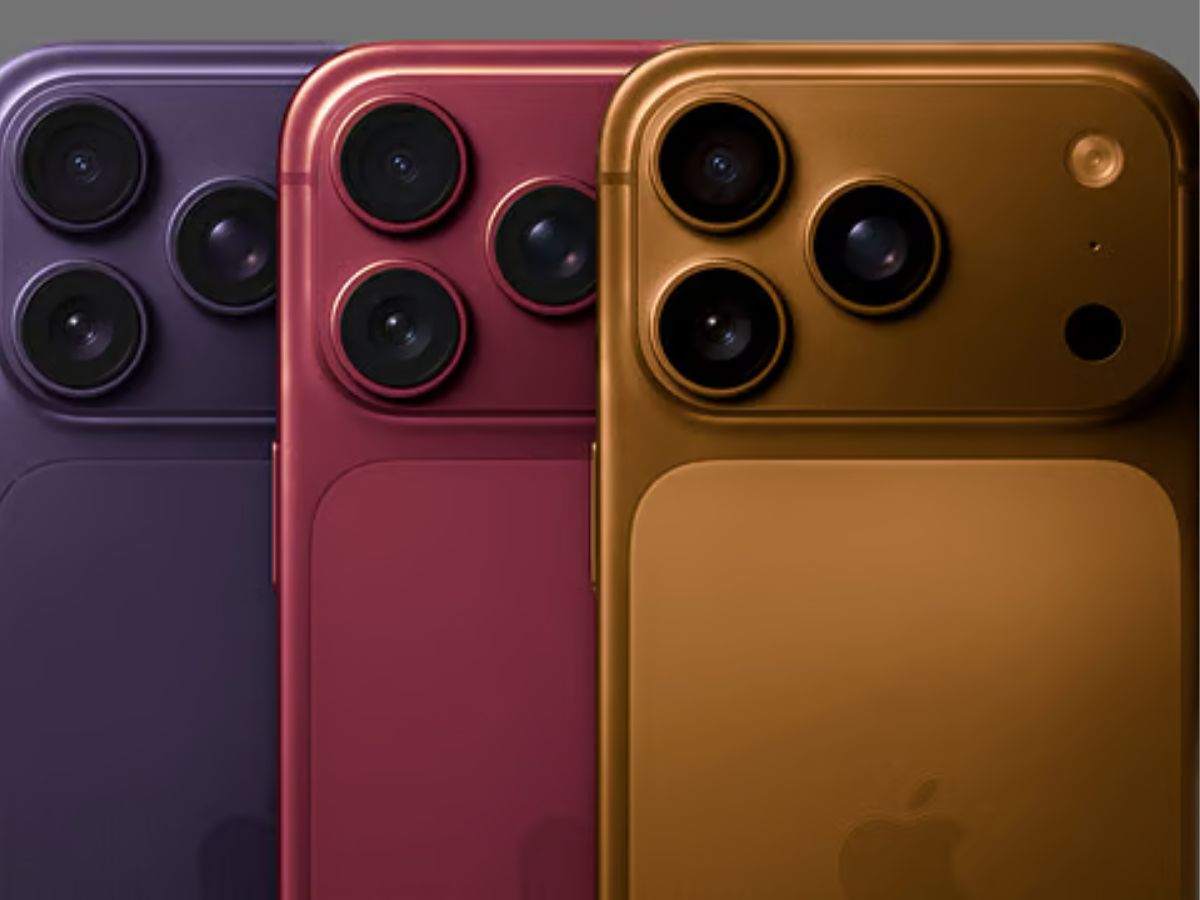
A key upgrade over the iPhone 8 Plus was that the iPhone X featured dual optical image stabilization (OIS). This meant that both lenses were stabilized, significantly improving low-light performance and video smoothness when using the 2x optical zoom.
On the front, the 7MP TrueDepth camera enabled Portrait Mode and Portrait Lighting for selfies, as well as Animoji, which utilized the sensors to map over 50 different facial muscle movements.
Design and Build Quality
The iPhone X moved away from the aluminum unibody design of the iPhone 7 and 8. Instead, it utilized a surgical-grade stainless steel frame sandwiched between two layers of reinforced glass. This return to glass was not purely aesthetic; it was required to enable Qi-standard wireless charging.
The removal of the Home button necessitated a new interaction model. Users had to learn a series of gestures: swiping up to go home, swiping up and holding for the app switcher, and swiping down from the right "ear" of the notch for the Control Center. This "Notch" housed the infrared camera, flood illuminator, proximity sensor, ambient light sensor, speaker, microphone, front camera, and dot projector.
Current Status and Longevity in 2026
As of 2026, the iPhone X is firmly categorized as a legacy device. While it was a powerhouse in 2018, technology has moved forward significantly.
Software Support
The iPhone X saw its final major software update with iOS 16. It is not compatible with iOS 17 or subsequent versions released between 2024 and 2026. This means the device no longer receives new features, though Apple occasionally releases critical security patches for older iOS versions. Users in 2026 will find that many modern apps now require iOS 17 or higher, limiting the device's utility as a primary phone.
Battery and Hardware Degradation
The 2,716 mAh battery was considered adequate in 2018, but by 2026, most original iPhone X units will have reached their maximum cycle count. Chemical aging of the battery leads to "throttling," where the A11 Bionic chip slows down to prevent unexpected shutdowns. For a used iPhone X to be functional in 2026, a battery replacement is almost certainly required.
Second-Hand Market Value
In 2026, the iPhone X has high value for collectors, especially units in "Mint" condition with original packaging. For general use, however, the price has dropped significantly. A refurbished iPhone X in 2026 typically retails for between $80 and $120, depending on the storage capacity and screen condition.
Summary of Specifications
The following table outlines the core technical specifications as they were published during the 2017-2018 lifecycle.
| Feature | Specification Details |
|---|---|
| Dimensions | 143.6 mm x 70.9 mm x 7.7 mm |
| Weight | 174 grams (6.14 ounces) |
| Water Resistance | IP67 (maximum depth of 1 meter up to 30 minutes) |
| RAM | 3GB LPDDR4X |
| Video Recording | 4K at 24, 30, or 60 fps; 1080p at 30 or 60 fps |
| Slo-mo Video | 1080p at 120 or 240 fps |
| Authentication | Face ID (TrueDepth camera system) |
| Battery Life | Up to 21 hours talk time; 12 hours internet use |
| Charging | Fast-charge capable (50% in 30 mins with 18W+ adapter) |
| Connectivity | 802.11ac Wi-Fi with MIMO; Bluetooth 5.0; NFC with reader mode |
Common Questions and Troubleshooting
Is the iPhone X still worth buying in 2026?
For most users, the answer is no. Because the iPhone X does not support iOS 17 or newer, it lacks essential security features and app compatibility. It is better suited as a secondary device, a dedicated music player, or a collector's item. If you need a budget iPhone in 2026, the iPhone 13 or iPhone SE (3rd Gen) offers much better value and software longevity.
How do I fix Face ID if it stops working on an iPhone X?
Face ID failure on the iPhone X is often a hardware issue related to the TrueDepth camera system. Because the components are cryptographically paired to the logic board, they cannot be easily swapped. Ensure the "Notch" area is clean. If a software reset (Settings > Face ID & Passcode > Reset Face ID) doesn't work, the device usually requires professional repair from Apple or a certified technician.
Can the iPhone X use 5G networks?
No, the iPhone X is limited to 4G LTE. 5G technology was not introduced to the iPhone lineup until the iPhone 12 in 2020. While it can still connect to 5G-enabled networks, it will only utilize the LTE bands, which may result in slower data speeds compared to modern devices in 2026.
Does the iPhone X support wireless charging?
Yes, the iPhone X supports Qi-standard wireless charging. However, it does not have the "MagSafe" magnetic alignment found on the iPhone 12 and later. You can use any standard Qi wireless pad, but it will charge at a maximum of 7.5W, which is significantly slower than wired charging.
What should I do if my iPhone X screen has "ghosting" or burn-in?
Because the iPhone X uses an OLED screen, "burn-in" can occur if a static image is left on the screen at high brightness for extended periods. This is a permanent hardware degradation. The only fix is a full screen replacement. To prevent this, users are advised to use Auto-Brightness and set a shorter Auto-Lock time.
Final Recommendations for Owners and Buyers
If you are currently holding an iPhone X in 2026, your primary concern should be data security and battery health. Since the device is no longer receiving the latest iOS updates, it is vulnerable to newer exploits that target older operating systems. It is highly recommended to use the device only for non-critical tasks or to trade it in while it still holds some residual value.
For those looking to buy an iPhone X for nostalgic reasons or collection purposes, prioritize finding a model with its original screen. Many third-party replacement screens for the iPhone X are LCD rather than OLED, which significantly degrades the visual experience and eliminates the "true black" contrast that made the phone famous during its 2018 peak.