1980s action fantasy represents a high-octane subgenre defined by muscle-bound heroes, practical special effects, synthesizer-heavy musical scores, and high-stakes sword-and-sorcery quests. This era combined gritty medieval settings with modern cinematic action choreography, creating an enduring aesthetic that continues to influence modern pop culture, tabletop role-playing games, and retro-inspired media.
The Genesis and Evolution of 1980s Action Fantasy
The cinematic landscape of the 1980s underwent a massive paradigm shift following advancements in practical creature design, optical effects, and the global box-office dominance of physical action stars. While traditional fantasy had long been dominated by literary works like J.R.R. Tolkien’s Middle-earth or classical mythological adaptations, the 1980s injected a distinct cinematic adrenaline into the genre. Filmmakers realized that audiences desired faster pacing, visceral combat, and larger-than-life protagonists who could conquer both supernatural monsters and tyrannical warlords through sheer physical prowess and martial training.
This evolution was catalyzed by landmark releases that discarded the pristine, high-noble tropes of earlier eras in favor of mud, blood, and sorcery. Directors utilized sweeping orchestral scores combined with early electronic synthesizers to build tension, setting a distinct sonic template. The transition from pure fairy-tale adaptations to action-heavy fantasy meant that characters relied as much on broadswords, battle axes, and explosive cunning as they did on magical artifacts. The subgenre carved out its own unique space by bridging the gap between gritty sword-and-sorcery pulp fiction and modern Hollywood blockbuster spectacle.
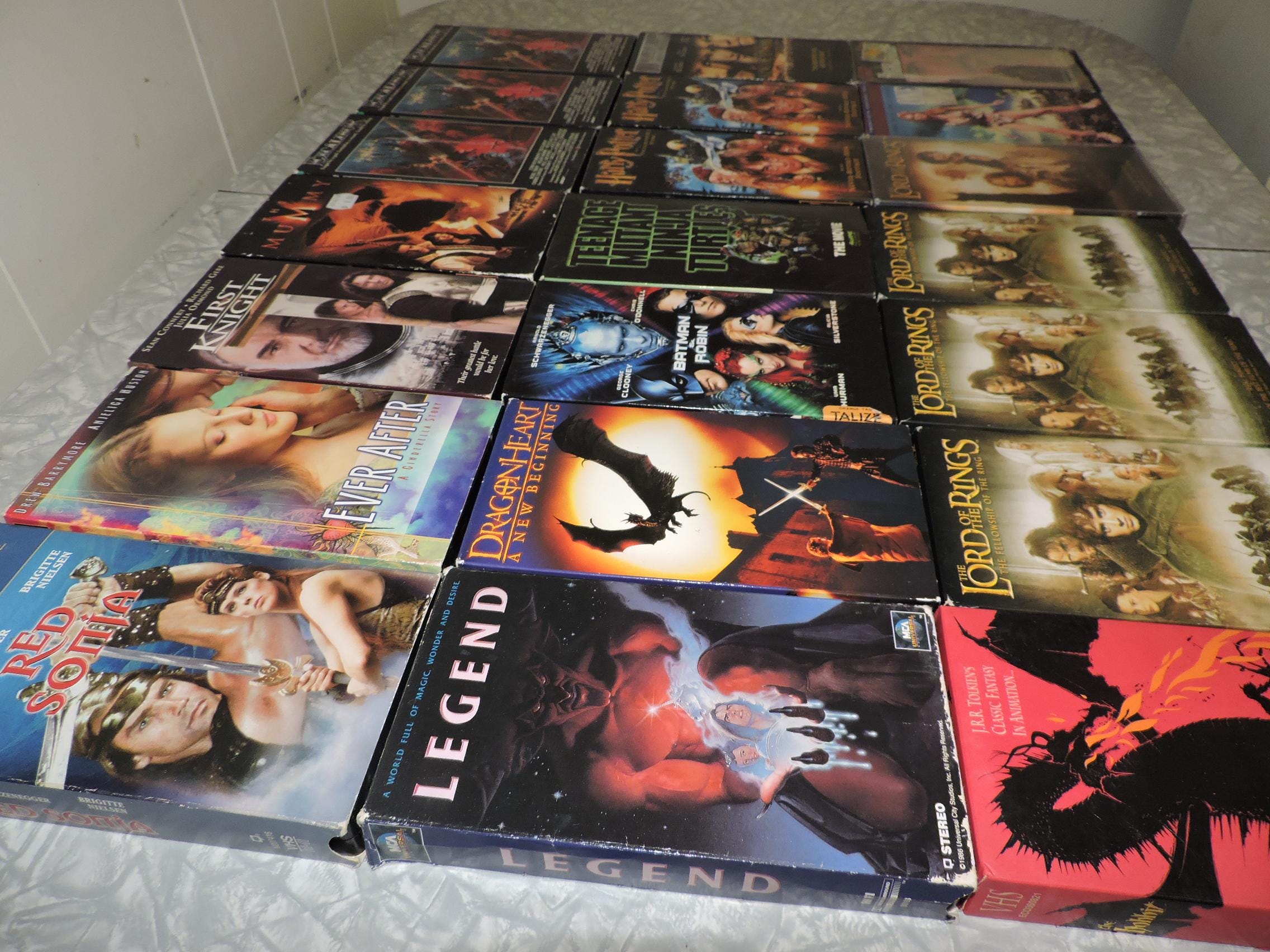
Furthermore, the rise of the home video market via VHS tapes in the early-to-mid 1980s allowed low-to-mid-budget international productions—particularly from Italy and the Philippines—to flood the global market. These regional homages and independent features adopted the core tenets of Hollywood action fantasy, ensuring that the visual style saturated pop culture. By the end of the decade, the aesthetic had expanded beyond cinema, heavily influencing Saturday morning cartoons, comic books, and the burgeoning tabletop role-playing hobby.
Core Characteristics and Aesthetic Pillars
To understand what constitutes 1980s action fantasy, one must examine its distinct aesthetic and narrative pillars. Unlike modern fantasy, which often prioritizes intricate political world-building or urban fantasy grit, the 1980s variant relied on striking visual contrasts, archetypal characters, and tactile, physical filmmaking techniques.
- Tactile Practical Effects: Before digital computer-generated imagery (CGI) became standard, monsters, transformations, and magical spells were brought to life through stop-motion animation, animatronics, elaborate prosthetics, and optical compositing. This gave every creature—from giant serpents to demonic lords—a tangible, menacing physical presence.
- Hyper-Muscular Protagonists: The typical hero of this era was heavily influenced by the bodybuilding boom of the time. Characters possessed immense physical strength, often solving problems through direct confrontation, martial training montages, and indomitable willpower rather than complex tactical strategy.
- Mythological and Pulp Syncretism: Stories frequently blended elements of Greek mythology, Norse sagas, Judeo-Christian apocalyptic imagery, and pulp sword-and-sorcery magazines like Weird Tales. Worlds featured sprawling wasteland realms, ruined ancient temples, and dystopian medieval cities.
- Minimalist Dialogue and Stoicism: Heroes were often men (and occasionally women) of few words. Emotional stakes were conveyed through intense close-ups, brooding stares, physical scars, and dramatic monologues delivered by scenery-chewing villains.
Iconic Cinematic Milestones
Several key films defined the trajectory of 1980s action fantasy, establishing tropes and visual signatures that remain instantly recognizable today.
Conan the Barbarian (1982)
Directed by John Milius and starring Arnold Schwarzenegger, Conan the Barbarian served as the cornerstone of the cinematic subgenre. Based loosely on Robert E. Howard’s pulp creations, the film combined a nihilistic, brutal prehistoric setting with a legendary musical score by Basil Poledouris. It established the template for the solitary warrior seeking vengeance against a cult leader or sorcerer, emphasizing physical endurance, survival, and a distinct philosophical code.
The Sword and the Sorcerer (1982)
Albert Pyun’s cult classic introduced audiences to Talon, a mercenary wielding a distinctive three-bladed sword capable of launching its side-blades as projectiles. While operating on a lower budget than studio releases, the film maximized its visual impact through practical gore, exotic set designs, and unabashed pulp energy, proving that independent productions could thrive within the subgenre.
Masters of the Universe (1987)
Cannon Films' live-action adaptation of the popular Mattel toy line brought cosmic fantasy directly into the mainstream. Featuring Dolph Lundgren as He-Man, the film transposed sword-and-sorcery tropes into a science-fantasy setting involving futuristic weaponry, dimensional portals, and an iconic depiction of Skeletor by Frank Langella. It demonstrated how toy merchandising and action fantasy intersected during the latter half of the decade.
Comparison of Defining 1980s Action Fantasy Films
| Film Title | Release Year | Primary Weapon/Tool | Antagonist Type | Notable Practical Effect |
|---|---|---|---|---|
| Conan the Barbarian | 1982 | Atlantean Broadsword | Thulsa Doom (Cult Leader/Sorcerer) | Giant snake animatronic and skeletal transformations |
| The Sword and the Sorcerer | 1982 | Three-bladed projectile sword | King Cromwell / Sorcerer Xusia | Practical impalements and ancient undead makeup |
| Krull | 1983 | The Glaive (five-bladed throwing star) | The Beast (Extraterrestrial/Demonic Tyrant) | Optical laser effects and fire-mare creature costumes |
| Legend | 1985 | Magical unicorn horn / Silver armor | Darkness (Satanic Lord of the Underworld) | Tim Curry’s elaborate demon prosthetics and horn construction |
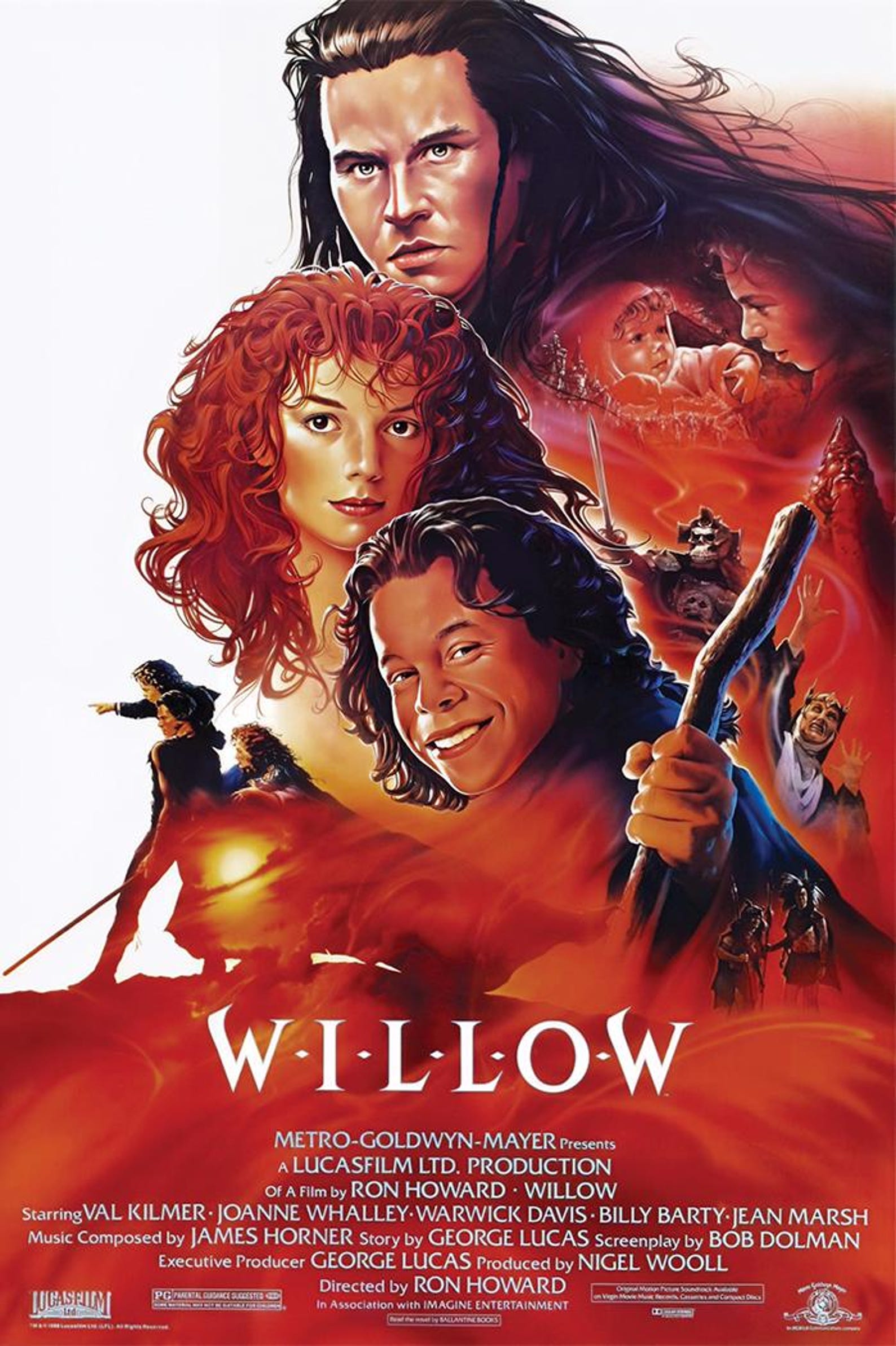
| Willow | 1988 | Magic wand / Traditional steel sword | Queen Bavmorda (Sorceress Dictator) | Early digital morphing technology alongside traditional stop-motion |
The Intersection with Tabletop Gaming and Animation
The cultural footprint of 1980s action fantasy extended far beyond movie theaters. The explosion of Dungeons & Dragons during this period created a massive demographic of consumers eager for media that mirrored their tabletop campaigns. This synergy resulted in properties that blurred the lines between high fantasy adventure and visceral action.
Animated series like He-Man and the Masters of the Universe and Thundercats introduced younger audiences to muscular heroes fighting technological-magical hybrids in exotic alien-fantasy landscapes. These shows maintained the physical aesthetics of adult action films while adapting the violence for Saturday morning television. Simultaneously, fantasy role-playing modules, game books (such as Fighting Fantasy), and collectible card art adopted the same dark, muscular, and high-contrast artistic style pioneered by fantasy illustrators like Frank Frazetta and Boris Vallejo.
Practical Limitations and the Production Landscape
Creating action fantasy in the 1980s presented distinct operational challenges that shaped the final product. Special effects budgets consumed significant portions of overall film financing, often forcing directors to rely on creative cinematography, shadow, and sound design to mask budgetary limitations.
- Location Shooting: Productions frequently utilized rugged, volcanic, or desolate landscapes in countries like Spain, Yugoslavia, Mexico, and Italy to simulate ancient, untamed worlds without costly set construction.
- Stunt Work and Safety: Before the widespread implementation of digital wire-removal and computer-generated safety nets, stunt performers engaged in high-risk physical feats, real swordplay (using dull steel or heavy aluminum props), and practical fire stunts.
- Sound Design and Musique Concrète: Because synchronous sound on location was often compromised by wind and heavy armor clatter, much of the dialogue and sound effects—including the wet crunches of combat and the ringing of steel—were entirely re-recorded in post-production via automated dialogue replacement (ADR) and Foley artistry.
Common Tropes and Narrative Formulae
The narrative structures of 1980s action fantasy films were typically streamlined to prioritize momentum and visual set pieces over complex exposition. Viewers can expect to encounter several recurring structural elements across almost every major entry in the subgenre:
- The Traumatic Inciting Incident: The hero’s village is destroyed, family is murdered, or kingdom is overthrown by an armored tyrant early in the runtime, establishing an unbreakable vow of vengeance.
- The Montage of Preparation: A sequence detailing the hero forging their signature weapon, undergoing harsh physical conditioning, or gathering a ragtag group of specialists (thieves, wizards, warriors).
- The Unlikely Fellowship: The solitary hero is joined by a colorful supporting cast—often featuring a cunning rogue, a wise or eccentric old mentor, and a warrior companion who provides comedic relief or tragic sacrifice.
- The Climactic Fortress Siege: The final third of the narrative invariably features a massive assault on a monolithic stronghold, volcano lair, or dark citadel, utilizing scaling ladders, improvised explosives, and hand-to-hand combat against overwhelming guards.
Legacy and Modern Revival
In the current era, 1980s action fantasy enjoys a passionate cult following and serves as a major touchstone for modern retro-futuristic and fantasy media. Contemporary indie filmmakers, video game developers, and comic artists frequently draw upon its signature grain, analog warmth, and unironic sincerity. Franchises that embrace synthwave-infused soundtracks, practical creature design, and unapologetically physical heroes owe a direct debt to the cinematic output of that decade. Understanding this era provides deep insight into how modern geek culture evolved from pulp origins into a dominant global entertainment force.
Frequently Asked Questions
What differentiates 1980s action fantasy from traditional high fantasy?
Traditional high fantasy, exemplified by works like The Lord of the Rings, often focuses on expansive geopolitical conflicts, large ensemble casts, and deeply detailed languages or lore. In contrast, 1980s action fantasy prioritizes physical action, muscular protagonists, visceral combat, sorcerous pulp villains, and fast-paced cinematic spectacle over intricate political world-building.
Were practical effects exclusively used for monsters in 1980s fantasy films?
No. Practical effects encompassed creature suits, animatronics, miniatures, matte paintings, and optical effects. Landscapes were frequently rendered using detailed glass paintings placed in front of the camera lens, while magical energy blasts and glowing eyes were hand-drawn directly onto the film stock frame by frame.
Why do 1980s action fantasy films feature such prominent musical scores?
Directors relied heavily on orchestral and synthesizer hybrid scores to compensate for minimalist dialogue and to drive the narrative pacing. Composers like Basil Poledouris and James Horner created sweeping, thematic motifs that gave emotional weight to physical confrontations and grand vistas.
How did the home video market impact the subgenre?
The proliferation of VHS tapes in the 1980s allowed international co-productions and low-budget independent studios to distribute fantasy films globally. This market demand created a boom of sword-and-sorcery cinema that may have struggled to secure wide theatrical distribution but found profitable, dedicated audiences on home video.
Are modern fantasy films influenced by 1980s action fantasy?
Yes. Modern filmmakers and game developers frequently cite 1980s aesthetics as core inspirations. Elements such as dark, tactile fantasy worlds, practical monster designs, and synth-driven or orchestral-heavy retro scores are regularly revived in contemporary indie games, dark fantasy television series, and high-budget features.
Practical Next Actions
If you want to explore or re-engage with 1980s action fantasy, start by watching foundational milestones such as Conan the Barbarian (1982) and Krull (1983) to observe the contrast between studio spectacles and independent pulp efforts. For deeper immersion, explore classic tabletop role-playing sourcebooks from the era, examine the fantasy art of Boris Vallejo and Frank Frazetta, or listen to original synthesizer and orchestral soundtracks from the subgenre's peak years.