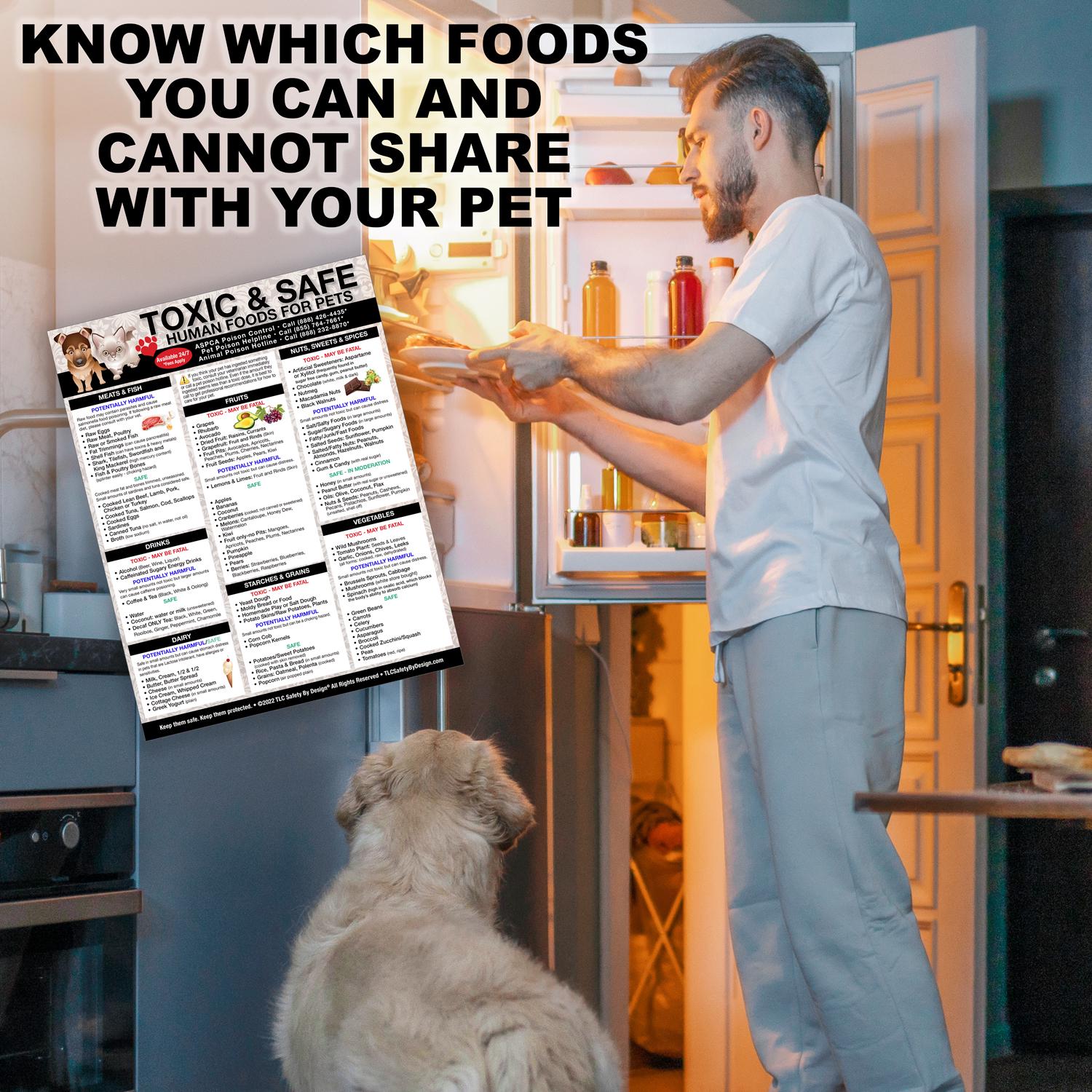
Protecting your dog from accidental poisoning requires constant vigilance, as many common household foods contain compounds that are biologically incompatible with canine physiology. While some items cause only mild gastrointestinal distress, others contain potent toxins that can lead to rapid organ failure, neurological damage, or fatal complications. Understanding which substances pose a risk and how to react in an emergency is a critical responsibility for every dog owner.
Understanding Canine Toxicity
Dogs process nutrients differently than humans. Their metabolism, liver function, and enzymatic pathways are not equipped to break down certain alkaloids, methylxanthines, and chemical compounds found in everyday foods. Toxicity is often dependent on the dog’s weight, age, and general health status, as well as the concentration of the toxin. A small quantity of a highly toxic substance—such as grapes—can be life-threatening to a small breed, while larger dogs might show symptoms only after consuming a significant amount.
The Comprehensive List of Toxic Foods
The following list categorizes substances by the nature of the risk they pose to canine health. Note that this list is not exhaustive, as new research continues to identify plant-based compounds that trigger adverse reactions in sensitive animals.
1. The Methylxanthine Group: Caffeine and Theobromine
- Chocolate: Contains both theobromine and caffeine. Darker chocolate and baking cocoa are significantly more dangerous than milk chocolate because they contain higher concentrations of these stimulants.
- Coffee Beans and Grounds: High concentrations of caffeine can cause heart arrhythmias, tremors, and seizures.
- Tea: Contains caffeine and tannins, which can be damaging to a dog’s internal systems.
- Energy Drinks: Often contain concentrated caffeine and high sugar levels, both of which are detrimental to canine health.
2. Allium Family Members: Onions, Garlic, and Chives
All plants in the Allium genus—including onions, garlic, shallots, leeks, and chives—contain N-propyl disulfide. This compound causes oxidative damage to red blood cells, leading to Heinz body anemia.
- Onions: Toxic in both raw and cooked forms, including onion powder found in many processed snacks.
- Garlic: Even in small amounts, garlic is roughly five times more potent than onions in its ability to damage red blood cells.
- Leeks and Chives: These can cause similar blood-related toxicity, often manifesting as lethargy, pale gums, and dark urine.
3. Fruit and Plant Hazards
- Grapes and Raisins: The exact toxic principle remains under investigation, but these fruits are known to cause sudden, acute kidney failure in many dogs. Even a single grape can be dangerous for smaller dogs.
- Macadamia Nuts: These cause "macadamia nut toxicosis," characterized by weakness, depression, vomiting, tremors, and hyperthermia.
- Stone Fruit Pits (Peaches, Plums, Cherries): The danger here is twofold: the physical obstruction risk and the presence of cyanide compounds, which can be released if the pit is crushed.
- Avocado: Contains persin, which can cause vomiting and diarrhea. While the flesh is less toxic than the skin and pit, it is generally discouraged.
4. Artificial Sweeteners and Additives
- Xylitol: Also known as birch sugar. This is perhaps the most dangerous household additive. It triggers a massive release of insulin, leading to life-threatening hypoglycemia (low blood sugar) and rapid liver necrosis. It is found in many "sugar-free" gums, peanut butters, and dental products.
- Alcohol: Even small amounts of ethanol can cause severe intoxication, respiratory failure, and metabolic acidosis.
- Hops: Used in home brewing, hops can induce malignant hyperthermia in dogs, where body temperature rises to fatal levels within minutes.
5. Common Kitchen and Pantry Items
- Raw Yeast Dough: If ingested, the yeast continues to ferment in the warm environment of the stomach, producing alcohol and causing the stomach to expand (bloat), which can be fatal.
- Fatty Trimmings: Can lead to pancreatitis, a painful and life-threatening inflammation of the pancreas.
- Salt: Large amounts can cause sodium ion poisoning, characterized by excessive thirst, urination, and in severe cases, tremors and seizures.
- Dairy (In Moderate to High Quantities): While not necessarily "toxic," many dogs are lactose intolerant and will suffer from severe gastrointestinal upset.
Comparison of Common Toxic Risks
| Substance | Primary Risk | Typical Clinical Signs |
|---|---|---|
| Xylitol | Hypoglycemia/Liver Failure | Lethargy, seizures, collapse |
| Chocolate | Heart/Neurological Stress | Panting, restlessness, tremors |
| Grapes/Raisins | Acute Kidney Failure | Vomiting, lack of appetite |
| Onion/Garlic | Anemia | Pale gums, lethargy, dark urine |
| Macadamia Nuts | Muscle Weakness/Tremors | Inability to walk, fever |
Clinical Signs of Poisoning
Recognition of symptoms is the first step in seeking life-saving treatment. If your dog exhibits any of the following, seek veterinary care immediately:
- Neurological: Seizures, tremors, loss of coordination (ataxia), or unusual agitation.
- Gastrointestinal: Persistent vomiting, diarrhea, or excessive drooling.
- Cardiovascular: Rapid heart rate, pale or blue-tinged gums, or signs of collapse.
- Systemic: Sudden refusal to eat, extreme lethargy, or frequent, strained urination.
Prerequisites for Household Safety
Maintaining a dog-safe home environment requires proactive management. First, never leave food scraps or bags of groceries on low surfaces where a curious dog can reach them. Second, strictly monitor the ingredient labels on any processed foods you share as treats; if "xylitol" or "birch sugar" is listed, do not provide it. Finally, store all medications, cleaning supplies, and pantry items in airtight, elevated, or child-proofed containers.
Emergency Procedures and Next Actions
If you suspect your dog has ingested a toxic substance, do not wait for symptoms to appear. Time is the most critical factor in successful intervention.
- Identify the Toxin: Locate the packaging or label of the item ingested. Knowing the quantity consumed and the exact ingredients can save valuable time at the clinic.
- Contact Veterinary Services: Call your local emergency animal hospital or a dedicated pet poison control hotline immediately. Do not attempt to induce vomiting unless explicitly directed to do so by a professional, as improper induction can lead to aspiration pneumonia.
- Prepare for Transport: Bring the packaging or a sample of the ingested substance with you to the clinic.
- Ongoing Observation: Once home, monitor your pet for any changes in behavior for at least 24–48 hours, as some toxic effects, particularly those affecting the kidneys or liver, may have a delayed onset.
Frequently Asked Questions
What should I do if my dog ate chocolate? Determine the type of chocolate (baking chocolate is more toxic than milk chocolate) and the dog's weight. Contact your veterinarian immediately with this information so they can calculate the dose of theobromine consumed and advise on whether decontamination, such as activated charcoal administration, is required.
Are there safe human foods for dogs? Yes, but they should be fed in moderation. Plain, cooked chicken (no seasoning), carrots, blueberries, and cooked pumpkin are generally safe. Always introduce new foods gradually and ensure they do not replace a balanced, complete canine diet.
Why is xylitol so dangerous compared to other sugars? Xylitol is a sugar alcohol that is processed differently by a dog's pancreas. While it is inert in humans, it tricks a dog's body into releasing an overwhelming amount of insulin, which rapidly depletes blood sugar levels, causing a dangerous crash and potential organ damage within minutes.
Can I use hydrogen peroxide to make my dog vomit? Only do so if a veterinarian explicitly instructs you to, and only with the correct dosage based on your dog's weight. Misuse can cause severe stomach ulcers or aspiration, which can be more dangerous than the original toxic ingestion.
How long does it take for symptoms of poisoning to start? The timeline varies significantly. Some toxins, like caffeine or chocolate, may show effects within an hour. Others, such as those causing kidney or liver failure, may show no outward signs for several hours or even days, making immediate veterinary consultation essential regardless of current appearance.
Expert Recommendation
The safest approach to canine nutrition is to provide a diet formulated specifically for dogs and to treat table scraps as non-essential, low-frequency rewards. When in doubt regarding the safety of a specific food item, always err on the side of caution. Before offering any human food, perform a quick search to ensure it is not on the prohibited list. By eliminating access to known toxins, you can significantly reduce the risk of emergency veterinary interventions.