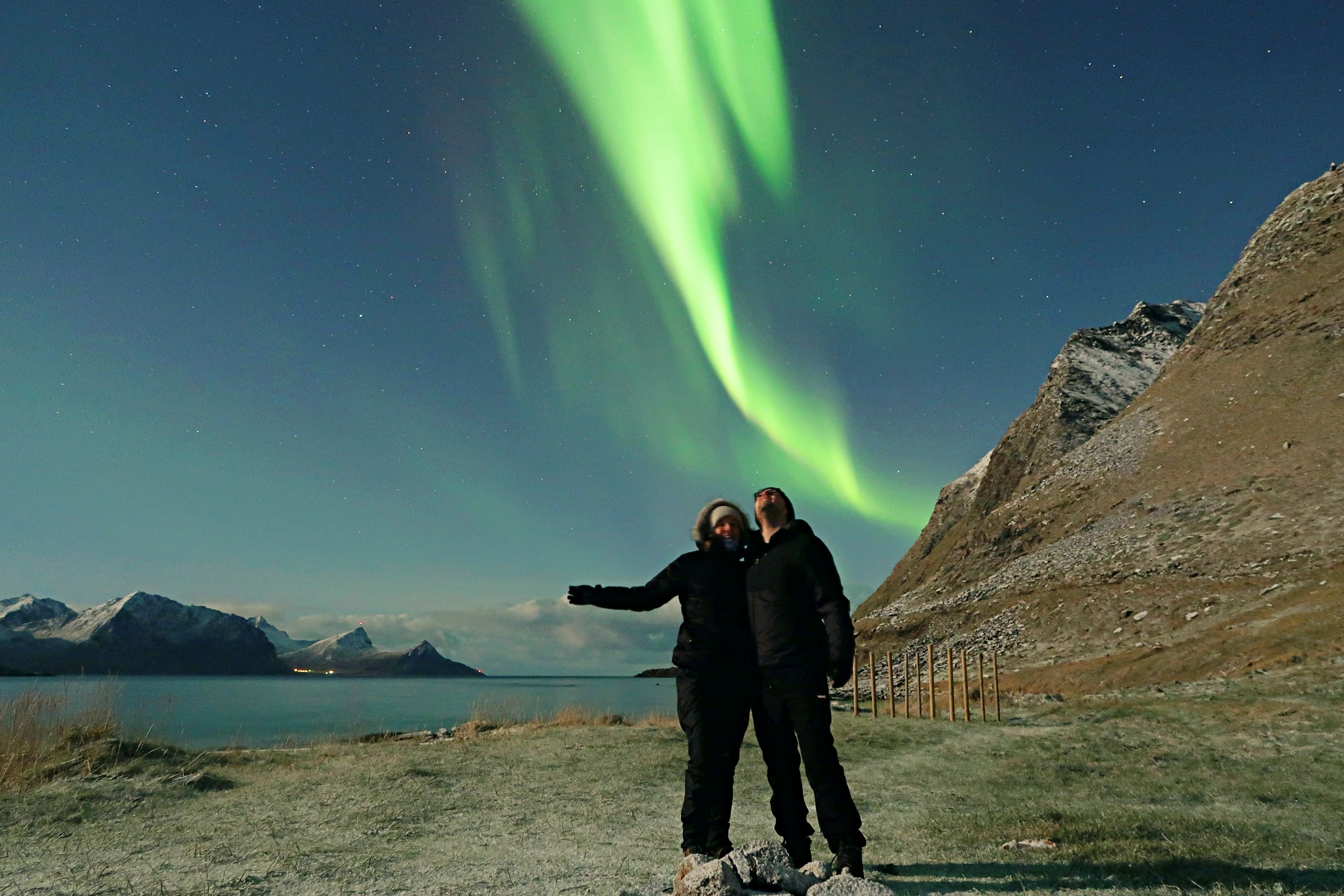
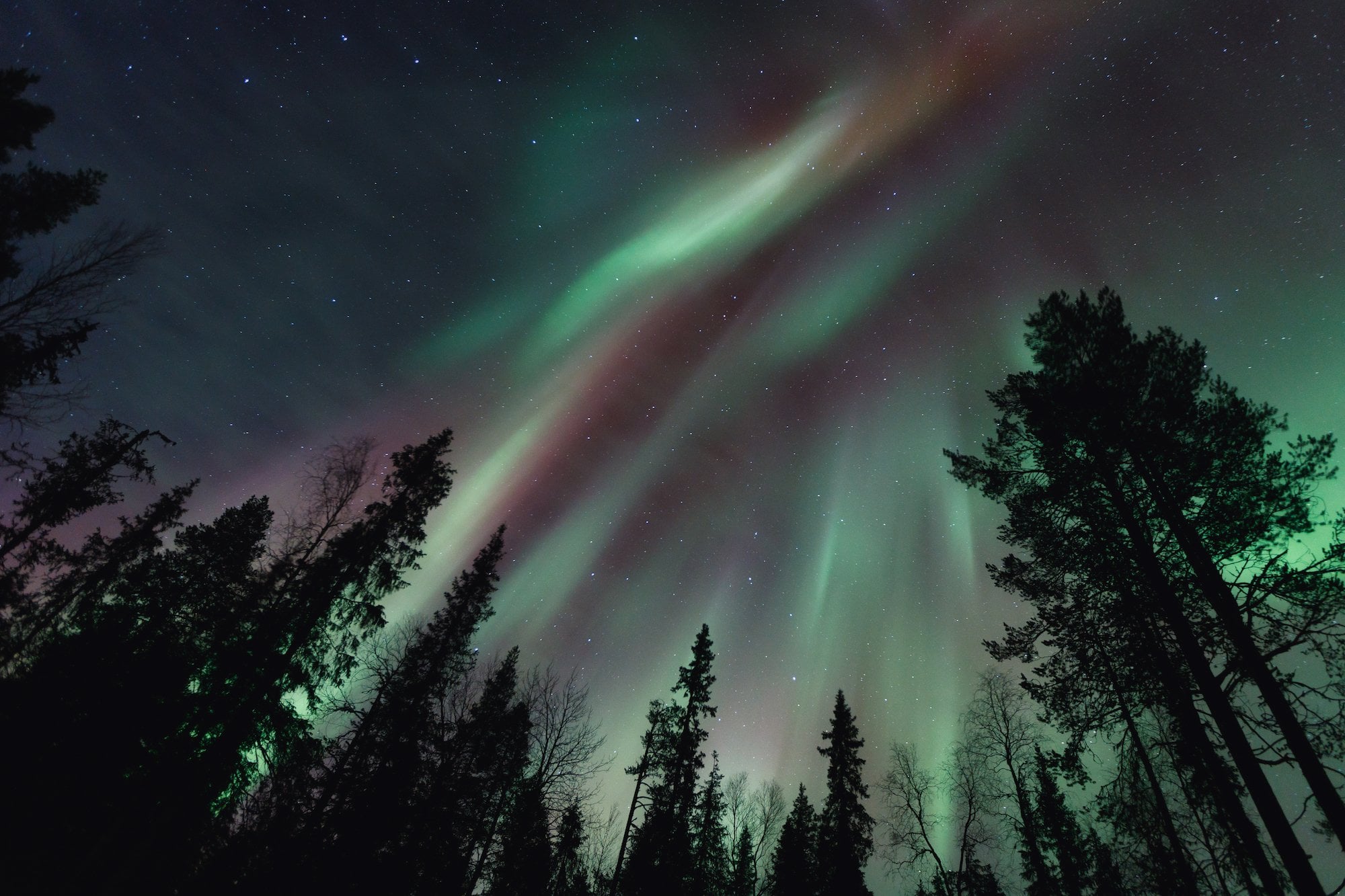
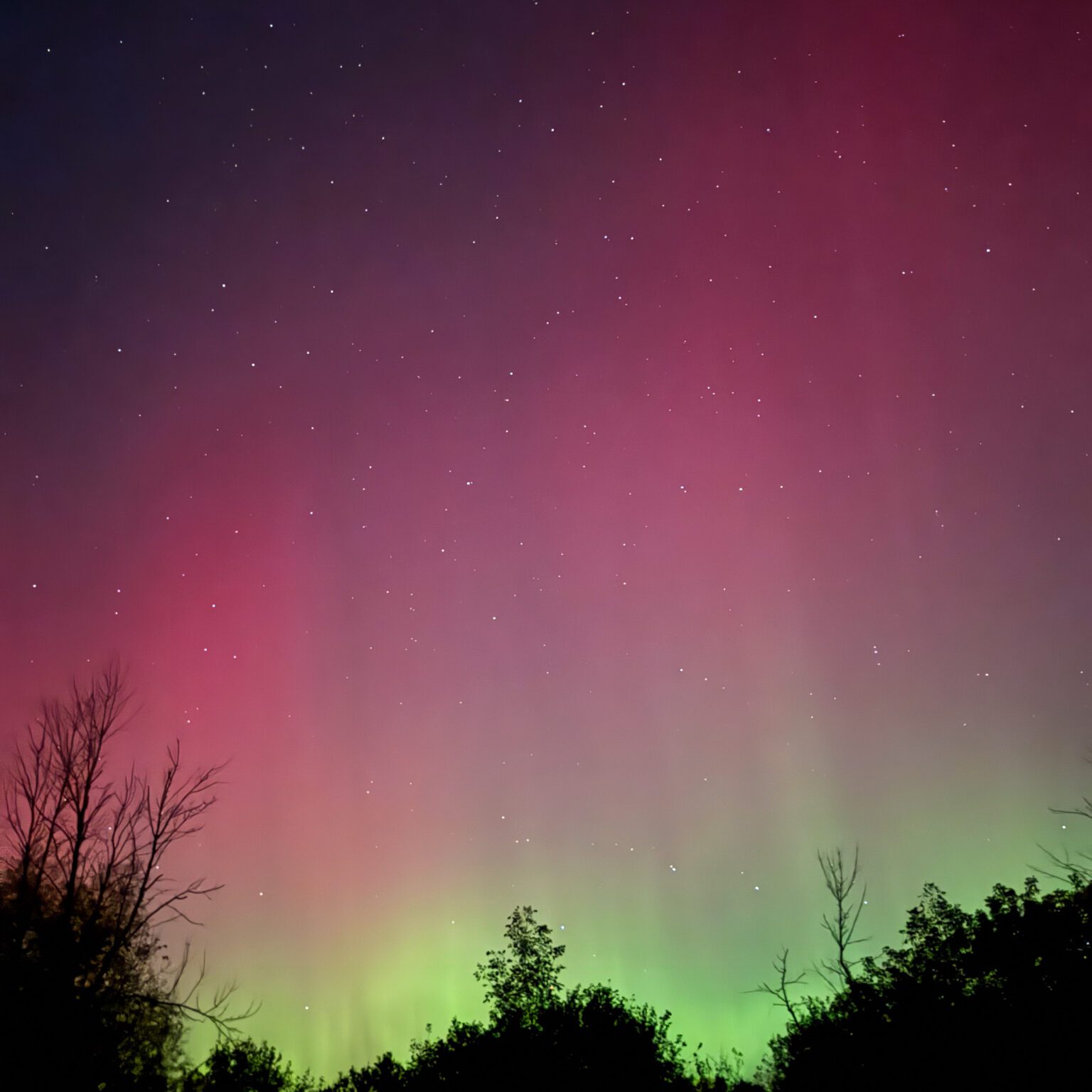
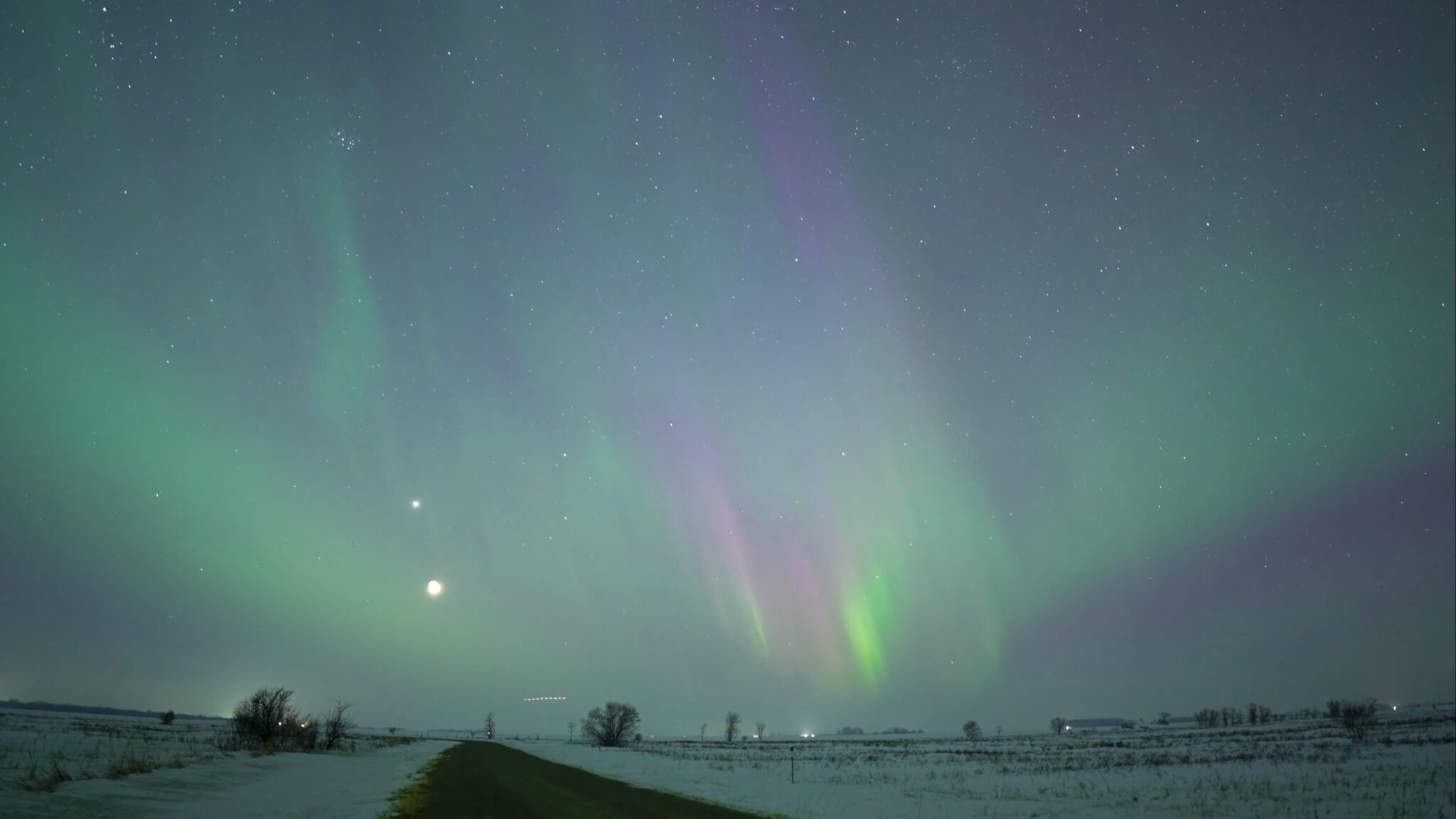
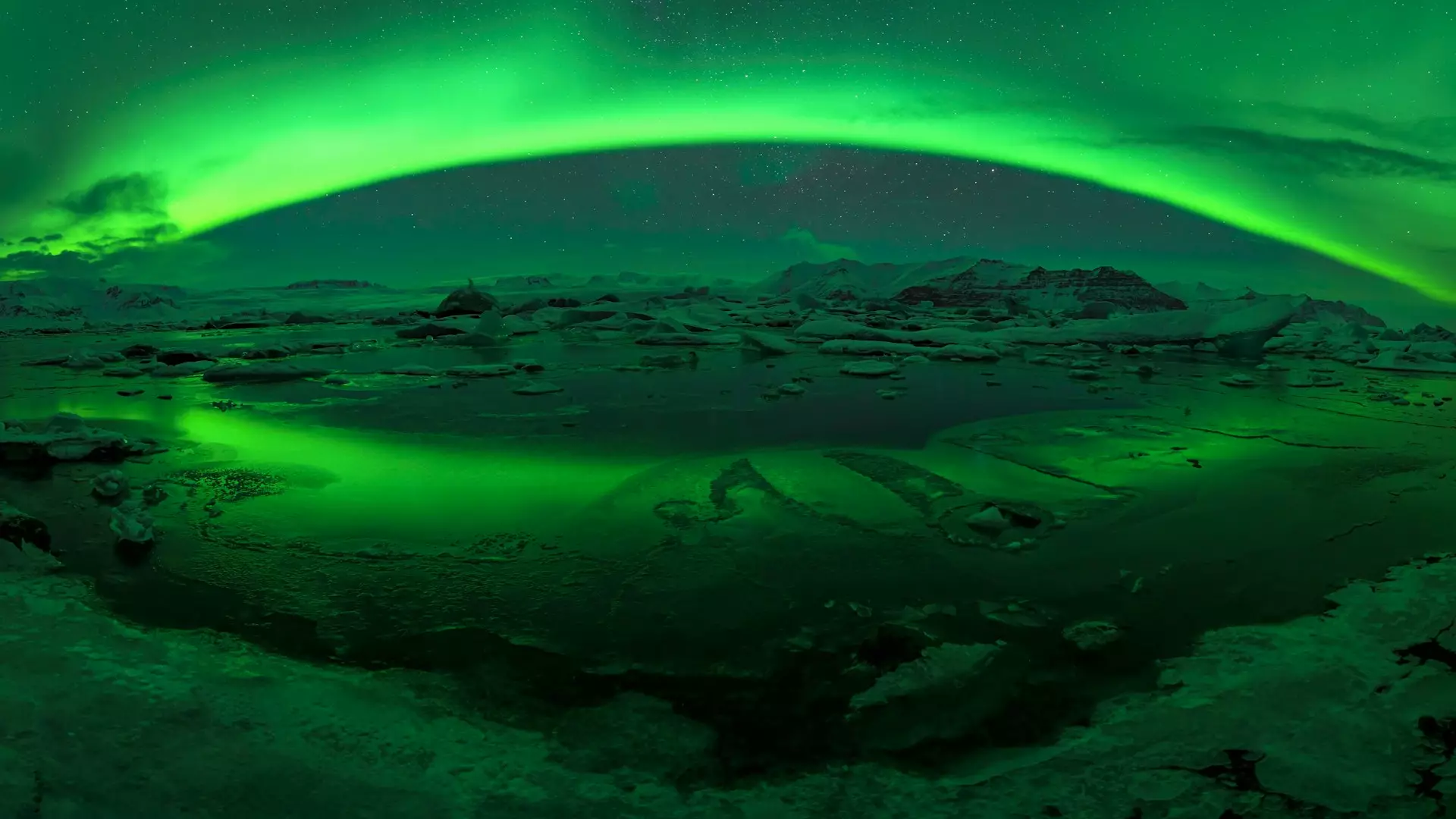
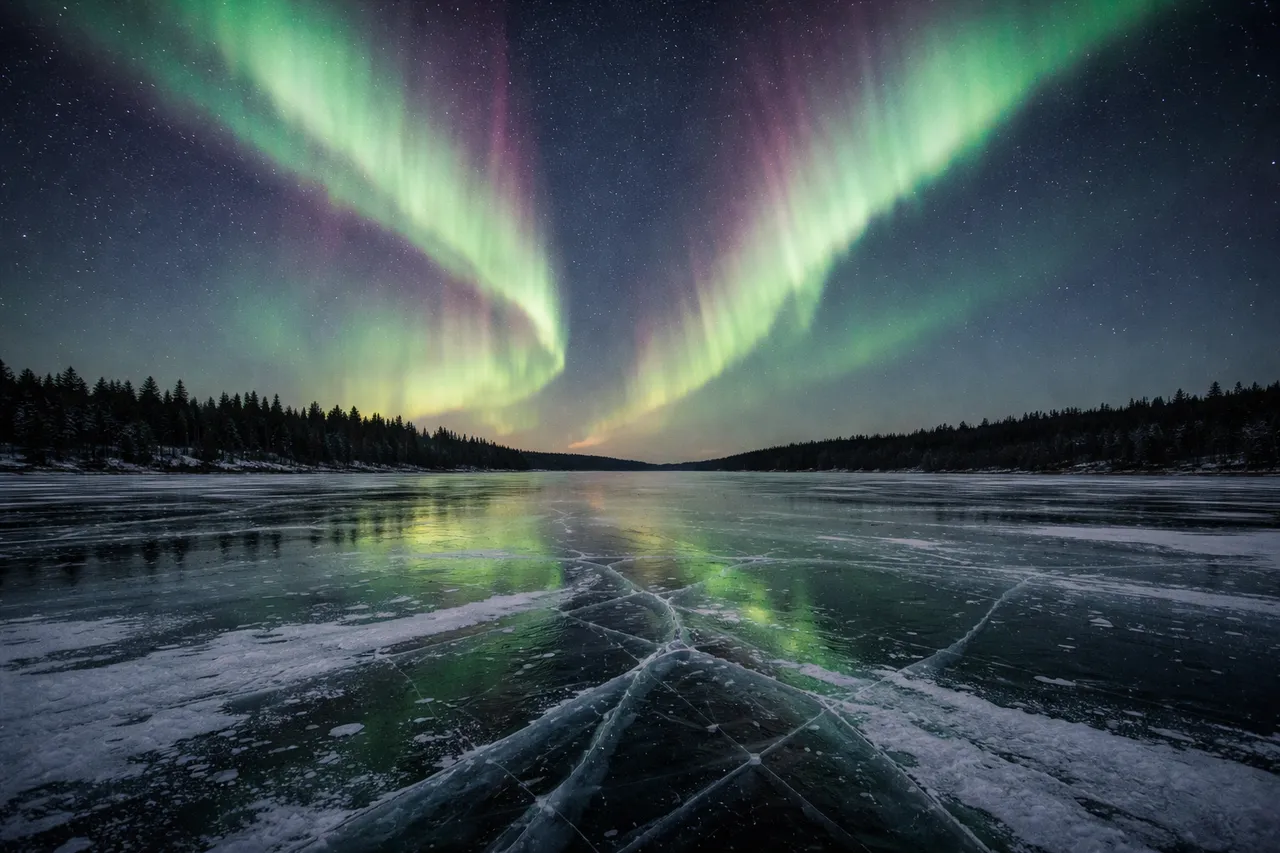
Planning a trip to witness the aurora borealis during the shoulder season offers unique advantages, combining milder autumn weather, fewer crowds, and the magical reflection of early snow and dark skies. October marks an exceptional window for aurora chasers because the equinox season brings elevated geomagnetic activity, while the nights lengthen rapidly across the high latitudes.
Catching the northern lights in October requires a strategic approach that blends geographical positioning, real-time meteorological monitoring, and proper equipment preparation. This guide explores the science of autumn auroras, highlights the premier viewing destinations worldwide, and provides actionable advice on forecasts, photography, and field safety.
The Science of Autumn Auroras: Why October is Prime Time
Many travelers mistakenly believe that the northern lights can only be seen during the dead of winter, but autumn offers distinct scientific and practical benefits. The phenomenon is driven by geomagnetic storms interacting with Earth's magnetosphere, and the equinox cycle plays a pivotal role in this process.
The Equinox Effect
Scientific research consistently demonstrates that geomagnetic activity peaks around the spring and autumn equinoxes (September and March). During these periods, the orientation of Earth's magnetic field cracks open pathways for solar wind particles to enter the upper atmosphere more efficiently. This phenomenon, known as the Russell-McPherron effect, means that October often experiences more frequent and intense geomagnetic storms than mid-winter months, increasing the probability of vibrant auroral displays even with moderate solar activity levels.
Weather and Accessibility Advantages
Unlike January or February, when temperatures in the Arctic Circle frequently plummet below -20°C (-4°F) and daylight is virtually nonexistent, October maintains relatively moderate autumn conditions.
- Liquid Water Reflections: Many northern lakes and fjords remain unfrozen in early to mid-October. This allows photographers to capture stunning mirror reflections of the aurora dancing over water—a composition impossible during frozen winter months.
- Road Infrastructure: Mountain passes and gravel access roads are often still clear of deep winter snow packs, making self-drive excursions safer and more accessible for travelers who might be inexperienced in extreme winter driving.
- Extended Darkness: By October, the Arctic nights are growing rapidly longer, providing hours of true darkness necessary for viewing faint aurora arcs, while still offering enough daylight to navigate unfamiliar terrain safely.
Best Global Locations for October Northern Lights Viewing
To maximize your chances of seeing the aurora borealis, you must travel within the "auroral oval"—a ring-shaped band hovering roughly 60 to 75 degrees geomagnetic latitude. Here are the top destinations suited for October travel.
1. Tromsø, Norway
Tromsø is widely regarded as one of the best base camps for northern lights exploration. Located at 69°N, it benefits from the warming effects of the Gulf Stream, keeping October temperatures relatively mild (averaging around 3°C to 7°C).
- The Landscape: Dramatic fjords, jagged peaks, and coastal islands offer breathtaking backdrops.
- Strategic Advantage: Tromsø’s robust infrastructure supports guided "chaser" tours that utilize buses and minivans to drive inland or across the border into Finland if the coastal skies are overcast.
2. The Golden Circle and Snæfellsnes Peninsula, Iceland
Iceland provides an entire country as a canvas for aurora hunting. In October, the island nation transitions into its moody autumn colors, and tourism crowds thin significantly after September.
- The Landscape: Black sand beaches, moss-covered lava fields, and towering waterfalls provide dramatic foregrounds for night photography.
- Strategic Advantage: Ring Road access remains largely open in October, allowing travelers to escape localized weather systems by driving to clearer microclimates on the southern or western coasts.
3. Finnish Lapland (Rovaniemi, Levi, and Inari)
Finland offers deep taiga forests, frozen-edge lakes, and a peaceful wilderness experience. October in Lapland frequently brings the first dusting of winter snow, transforming the landscape into a pristine white wonderland.
- The Landscape: Endless pine forests and glass-roofed igloos designed specifically for lying in bed while watching the sky.
- Strategic Advantage: Finland boasts world-class research infrastructure and reliable public forecasting services, alongside traditional Sámi cultural experiences.
4. Yukon and Northwest Territories, Canada
For North American travelers, Canada’s northern territories offer some of the clearest skies on the continent due to stable continental high-pressure systems.
- The Landscape: Expansive wilderness, pristine boreal forests, and rugged mountain ranges far removed from light pollution.
- Strategic Advantage: Destinations like Whitehorse and Yellowknife sit directly beneath the auroral oval, ensuring high sighting frequencies during active geomagnetic periods.
Global Destination Comparison for October Viewing
| Destination | Average October Temp (°C/°F) | Ease of Access | Primary Landscape Feature | Cloud Cover Risk |
|---|---|---|---|---|
| Tromsø, Norway | 0°C to 6°C (32°F - 43°F) | Excellent (Major airport) | Fjords, mountains, coastal waters | High (Coastal microclimate) |
| Iceland | 2°C to 7°C (36°F - 45°F) | Excellent (Keflavík International) | Waterfalls, glaciers, black sand | Moderate to High |
| Finnish Lapland | -3°C to 3°C (26°F - 37°F) | Good (Flights via Helsinki) | Boreal forests, lakes, snow dusting | Moderate |
| Yukon, Canada | -5°C to 4°C (23°F - 39°F) | Moderate (Flights via Vancouver) | Wilderness, lakes, mountains | Low to Moderate |
Interpreting Forecasts: Kp-Index and Advanced Metrics
Relying on luck alone often leads to disappointment. Understanding how to read aurora forecasts empowers you to make informed decisions about when and where to venture out.
The Kp-Index Explained
The Kp-index is a scale from 0 to 9 used to characterize the magnitude of geomagnetic storms.
- Kp 0–1: Quiet conditions. Auroras are typically restricted to high-latitude ovals and are faint to the naked eye.
- Kp 2–3: Unsettled to active. Good visibility within the auroral oval, with shifting arcs overhead.
- Kp 4–5: Minor to moderate storm. Displays become brighter, faster-moving, and expand southward into regions like southern Norway, Scotland, or northern US states.
- Kp 6+: Major storm. Rare and spectacular crimson and green curtains visible across much lower latitudes.
Beyond the Kp-Index: Solar Wind Data
Advanced chasers look beyond the Kp-index to real-time solar wind metrics provided by NOAA’s Space Weather Prediction Center.
- Bz Component: This is the interplanetary magnetic field vector pointing north or south. For a strong aurora, the Bz must be negative (southward). A negative Bz acts like an open gate, allowing solar particles to merge with Earth's magnetic field.
- Solar Wind Speed: Measured in kilometers per second (km/s). Speeds above 500 km/s indicate fast-moving solar streams that energize atmospheric particles more intensely, resulting in rapid, dancing aurora bursts (substorms).
- Cloud Cover Models: No matter how high the solar activity is, thick cloud cover will block your view. Always cross-reference your aurora app with local meteorological services (such as yr.no in Scandinavia or the local meteorological office) to check cloud stratification at low, medium, and high altitudes.
Essential Viewing Tips and Field Strategy
Success in aurora hunting requires patience, physical preparation, and technical readiness. Implement these proven strategies to make the most of your October expedition.
1. Escape Light Pollution
Even a modest amount of urban or roadside street lighting can wash out the subtle, milky green glow of an early aurora arc. Drive at least 20 to 30 minutes away from city centers into rural dark-sky zones. Ensure your chosen spot does not feature high mountains or steep valley walls that obstruct the northern horizon, as auroras often first appear low in the northern sky.
2. Dress in Layers for Damp Cold
October weather in the Arctic is frequently damp and breezy rather than bone-dry and freezing. Moisture increases the rate of body heat loss.
- Base Layer: Moisture-wicking merino wool or synthetic thermals (avoid cotton, which traps sweat and chills the skin).
- Insulating Layer: Heavy fleece or down jacket.
- Outer Layer: Windproof and waterproof shell jacket and pants.
- Accessories: Insulated, windproof gloves (ideally touch-screen compatible or convertible mitts), a warm wool hat that covers your ears, and heavy-duty winter boots with thick rubber soles to insulate your feet from cold ground.
3. Master Night Photography Settings
Capturing the northern lights requires manual camera control. Smartphone cameras increasingly feature dedicated night-sky modes, but standalone mirrorless or DSLR cameras yield superior results.
- Tripod: Absolute mandatory equipment to prevent camera shake during long exposures.
- Lens: A fast wide-angle lens (f/2.8 or wider) to capture expansive sky coverage.
- Focus: Switch your lens to Manual Focus and focus on a distant star or bright distant light source using your camera’s digital zoom screen.
- Settings Starting Point: Set ISO between 1600 and 3200, aperture wide open (e.g., f/2.8), and shutter speed between 2 to 8 seconds depending on how fast the aurora is moving. Faster movements require shorter shutter speeds (1–2 seconds) to preserve distinct light ribbons rather than a blurry green smear.
- Battery Conservation: Cold autumn air rapidly drains camera batteries. Keep spare batteries inside an inner jacket pocket close to your body heat until you are ready to swap them.
Frequently Asked Questions
Can I see the northern lights without booking an expensive guided tour?
Yes, absolutely. Renting a car and driving out to a dark-sky location using reliable weather and aurora apps is a popular and cost-effective method. However, guided tours are valuable if you prefer not to drive on unfamiliar unlit roads at night or if you want experienced guides who know local microclimates and can chase clear skies across regional boundaries.
What is the difference between a white cloud and the northern lights?
To the untrained eye, a thin, wispy cloud can sometimes mimic a faint white or gray aurora arc in the dark. To verify, look at the stars: if the formation is a cloud, it will block out the stars behind it. If it is an aurora, stars will shine clearly through the glowing green or white light. Additionally, aurora rays will slowly shift and pulse over the course of minutes, whereas stationary clouds remain locked in place.
Do I need expensive camera gear to enjoy the experience?
No. While photography captures vivid colors that the human eye cannot always perceive in low light (due to how human rod cells process color at night), witnessing the aurora with your own eyes is a profound emotional experience. Modern smartphones mounted on a small travel tripod can capture respectable souvenirs, freeing you to simply stand back and watch the sky.
Why is my local aurora app showing high Kp numbers, but I see nothing?
The Kp-index is a global average calculated over a three-hour window and does not guarantee local visibility. If local cloud cover is present, or if you are located too far south when the auroral oval has not expanded far enough, you will see nothing despite high theoretical indices. Always check real-time overhead camera feeds (webcams) from regional research stations before packing your car.
Final Recommendations for Your October Expedition
Planning your October northern lights trip requires balancing flexibility and preparation. Book accommodations that offer flexible cancellation policies or locate yourself in a regional hub (like Tromsø or Rovaniemi) where you can book day-to-day excursion packages based on rolling weather forecasts. Download reliable solar wind monitoring applications, pack robust layering systems, and treat aurora hunting as an outdoor adventure where patience is your most valuable asset.