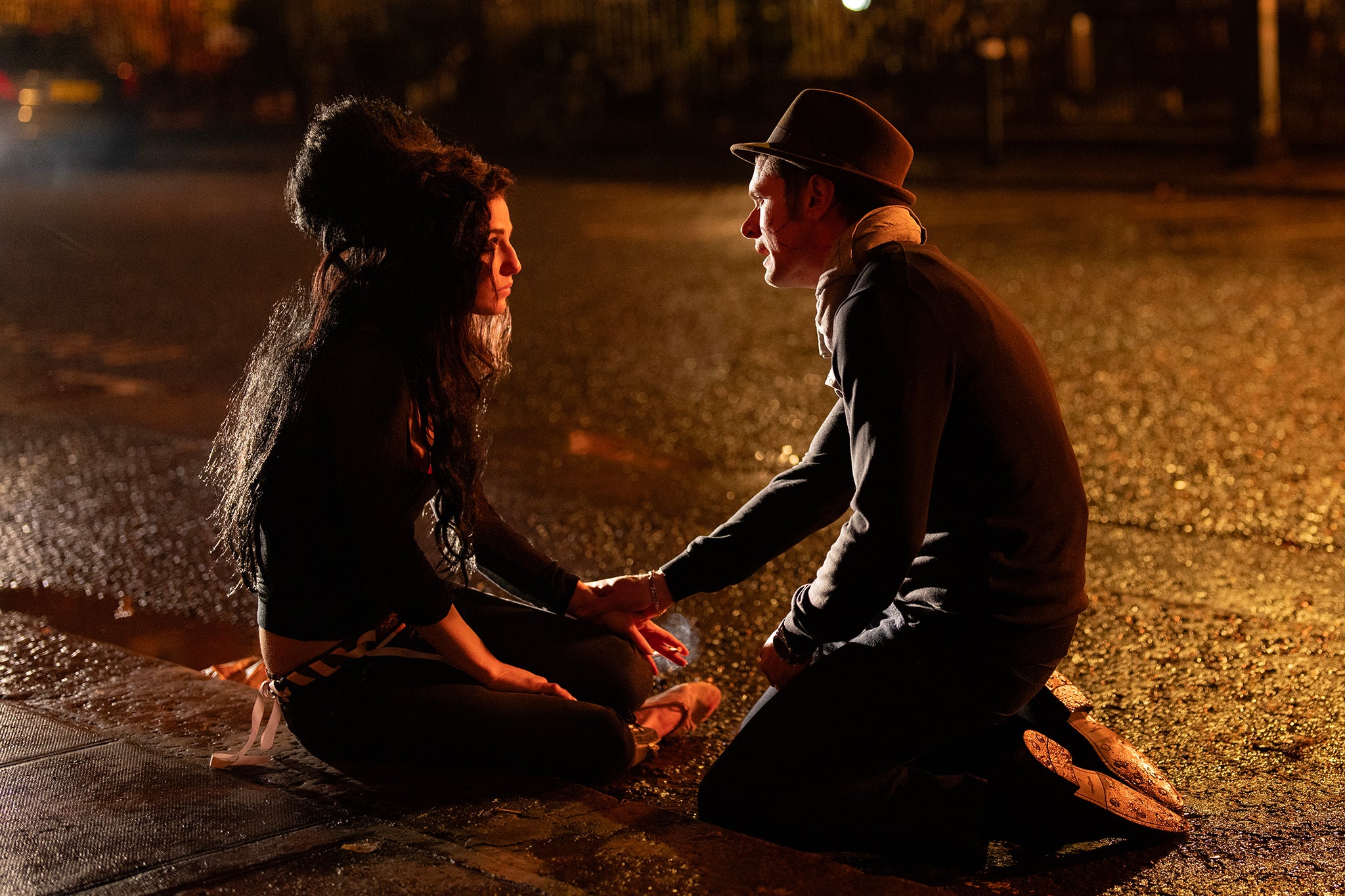
As of 2026, viewers looking for a definitive "Winehouse film" generally choose between the 2024 biographical drama Back to Black, directed by Sam Taylor-Johnson, and the Academy Award-winning 2015 documentary Amy, directed by Asif Kapadia. While the documentary offers an immersive look at her life through archival footage, the biopic provides a stylized, narrative dramatization of her creative process and relationships. Both films are widely available on major streaming platforms like Max, Netflix, and Peacock, depending on regional licensing.
The cinematic legacy of Amy Winehouse is a complex landscape of authorized narratives, controversial documentaries, and artistic interpretations. Because Winehouse remains one of the most culturally significant musicians of the 21st century, the films documenting her life serve different purposes: some act as historical records, while others attempt to humanize her beyond the tabloid headlines that defined her later years.
The Definitive Biopic: Back to Black (2024)
Released in the spring of 2024, Back to Black sought to shift the focus from Amy Winehouse’s tragic decline to her artistry and the inspirations behind her seminal second album. Directed by Sam Taylor-Johnson and written by Matt Greenhalgh, the film was a major production that faced intense scrutiny from the moment it was announced.
Casting and Performance
The choice of Marisa Abela to portray Winehouse was initially met with skepticism by fans, but her performance became the film's centerpiece. Abela did not merely lip-sync; she underwent extensive vocal training to mimic Winehouse’s unique contralto range and phrasing, performing many of the songs herself. This decision was intended to provide a sense of "lived-in" realism, allowing the camera to linger on the character's face during intimate club performances without the artifice of a studio recording overlay.
The supporting cast includes Jack O'Connell as Blake Fielder-Civil, Eddie Marsan as Mitch Winehouse, and Juliet Stevenson as Amy’s beloved grandmother, Cynthia. The chemistry between Abela and O'Connell is central to the film’s narrative, which focuses heavily on the volatile romance that fueled the lyrics of the Back to Black album.
Production and Aesthetic
Filmed on location in London, particularly around Camden Town, the movie captures the specific grit and glamour of the mid-2000s indie scene. The production design emphasizes the "retro-soul" aesthetic that Winehouse helped popularize. By using 35mm film in certain sequences, the filmmakers achieved a texture that evokes the era’s photography, distancing the movie from the sterile look of many modern digital biopics.
Critical and Public Reception
By 2026, the critical consensus on Back to Black has settled into a middle ground. While Abela’s performance is universally praised, the screenplay faced criticism for its perceived "softening" of certain figures in Amy's life, particularly her father and husband. Critics argued that the film prioritized a romanticized version of events over the harsher realities documented in previous works. However, for a younger generation of fans, the film serves as a vibrant introduction to her persona.
The Award-Winning Documentary: Amy (2015)
Nearly a decade before the biopic, Asif Kapadia’s documentary Amy set the standard for modern biographical filmmaking. This film is fundamentally different from Back to Black because it relies entirely on archival footage, private home movies, and audio interviews.
Narrative Structure and Direction
Kapadia, known for his work on Senna, utilized a "true-fiction" style. There are no "talking heads" on screen; instead, the voices of friends, family, and industry professionals are heard over footage of Amy. This technique creates an intimate, often claustrophobic atmosphere that places the viewer directly in Amy’s world. The film meticulously tracks her trajectory from a jazz-loving teenager in North London to a global superstar hunted by paparazzi.
The Controversy of Perspective
Amy was a massive critical success, winning the Academy Award for Best Documentary Feature in 2016. However, it was famously denounced by Mitch Winehouse and other members of the estate. They claimed the film was "misleading" and edited to suggest the family did not do enough to intervene during her struggles with addiction. Despite these objections, the film is often cited by critics as one of the most honest portrayals of the destructive nature of 21st-century celebrity culture.
Impact on the Documentary Genre
The success of Amy paved the way for a wave of similar archival-led documentaries about musicians, such as Whitney and Moonage Daydream. Its use of onscreen lyrics to emphasize the autobiographical nature of Winehouse’s songwriting helped audiences connect her personal pain with her musical output in a way that had never been done so effectively.
Comparative Analysis: Biopic vs. Documentary
Choosing which "Winehouse film" to watch depends largely on what the viewer hopes to gain. The following table compares the two primary works to help clarify their differences in scope and tone.
| Feature | Back to Black (2024) | Amy (2015) |
|---|---|---|
| Format | Narrative Feature (Biopic) | Documentary (Archival) |
| Director | Sam Taylor-Johnson | Asif Kapadia |
| Lead Voice | Marisa Abela (Vocals by Abela) | Amy Winehouse (Original recordings) |
| Key Perspective | Reimagined artistic journey | Investigative and chronological |
| Estate Involvement | Fully Authorized | Disputed/Unauthorized |
| Primary Theme | Creative inspiration and romance | Fame, addiction, and media scrutiny |
| Visual Style | Stylized cinematography, period recreation | Grainy home movies, paparazzi footage |
Supporting Documentaries and Concert Films
Beyond the two major theatrical releases, several other films provide context to the Winehouse story. These are often preferred by "purists" who want to see the artist in her own words without the narrative arc of a major studio production.
Reclaiming Amy (2021)
Produced by the BBC to mark the 10th anniversary of her passing, Reclaiming Amy was widely seen as a response to the 2015 Kapadia documentary. It features extensive interviews with her mother, Janis Winehouse, and other close friends who felt their voices were missing from previous narratives. It provides a more sympathetic view of the family's efforts to help her and offers a glimpse into her life before the fame became unmanageable.
Amy Winehouse: Back to Black - Classic Albums (2018)
For those interested in the technical aspects of her music, this documentary is essential. Part of the long-running Classic Albums series, it features interviews with producers Mark Ronson and Salaam Remi. They break down the master tapes of songs like "Rehab" and "Love Is a Losing Game," explaining how the "Wall of Sound" and jazz influences were blended. This film strips away the tabloid drama to focus entirely on her genius as a composer and vocalist.
Live Performance Films
- Live at Shepherd’s Bush (2007): Captures Amy at the height of her powers during the Back to Black tour.
- I Told You I Was Trouble: Live in London (2007): Includes a documentary element alongside a full concert, showing the charismatic and humorous side of her stage persona.
The Ethics of Posthumous Filmmaking
The proliferation of Winehouse films has sparked a broader cultural debate about the ethics of portraying deceased celebrities. In 2026, this discussion remains relevant as filmmakers continue to navigate the line between tribute and exploitation.
The Role of the Estate
The 2024 biopic was authorized by the Amy Winehouse Estate, which meant the filmmakers had access to her original recordings and personal effects. While this ensures "accuracy" in terms of physical details—like the exact brand of eyeliner she used or the decor of her Camden flat—it also raises questions about whether the film can be truly objective. Authorized biopics often avoid the darker, more litigious aspects of a subject's life to protect their legacy.
The Audience's Responsibility
Viewers often find themselves torn between the desire for "truth" (often found in the 2015 documentary) and the desire for "entertainment" (provided by the 2024 biopic). In the years since 2011, the media's treatment of Winehouse has been re-evaluated, with many now viewing the late-night jokes and relentless paparazzi hounding of that era as a collective failure of empathy. Each new film is judged by how it contributes to this re-evaluation.
How to Access These Films in 2026
Availability varies by region, but the following guidelines generally apply for streaming and purchase:
- Back to Black (2024): Available for streaming on Peacock (US) and Sky Cinema/Now (UK). It can also be purchased or rented in 4K UHD on platforms like Amazon Prime Video and Apple TV.
- Amy (2015): Frequently hosted on Max (formerly HBO Max) and Hulu. It is also a staple of the A24 library, often appearing on their dedicated streaming channels.
- BBC Documentaries: Reclaiming Amy and various "Live at the BBC" specials are usually available on BBC iPlayer in the UK and BritBox or YouTube Prime internationally.
- Physical Media: For collectors, boutique labels have released special edition Blu-rays of both Amy and Back to Black, often featuring deleted scenes, director commentaries, and behind-the-scenes footage of the recording sessions.
Frequently Asked Questions
Which Amy Winehouse film is the most accurate?
The 2015 documentary Amy is widely considered the most accurate in terms of historical record because it uses primary source material (real footage and recordings). However, the 2024 biopic Back to Black is "accurate" in its physical recreation of her environment and captures the emotional essence of her songwriting process, even if it takes narrative liberties with timelines and character motivations.
Does Marisa Abela really sing in the 2024 movie?
Yes, Marisa Abela performed the vocals for the film. She trained for months to capture Winehouse's specific dialect and singing style. While some of Winehouse's original recordings are used in the background or during montage sequences, the on-screen performances are Abela's own voice.
Why did the family dislike the 2015 documentary?
The Winehouse family, particularly Mitch Winehouse, felt that Amy (2015) focused too heavily on the negative aspects of her life and unfairly blamed her inner circle for her addiction issues. They felt the film ignored the many times they tried to get her into treatment and painted a one-sided picture of her father.
Is there a film that focuses only on her music?
The Classic Albums: Back to Black documentary is the best choice for those who want to avoid the personal drama and focus solely on the music. It features technical breakdowns of the album's production and interviews with her musical collaborators.
Are there any other biopics in production?
As of 2026, there are no other major scripted biopics in production. Following the release of Back to Black, the focus has shifted toward preserving her legacy through museum exhibits and the continued work of the Amy Winehouse Foundation.
Final Recommendation
For the most complete understanding of Amy Winehouse, viewers should watch both major films. Start with the 2015 documentary Amy to understand the factual timeline and the cultural forces that shaped her life. Afterward, watch the 2024 biopic Back to Black to see a more sympathetic, artistic interpretation of her creative spirit. Combining these two perspectives offers the most balanced view of an artist who was as much a victim of her circumstances as she was a master of her craft.