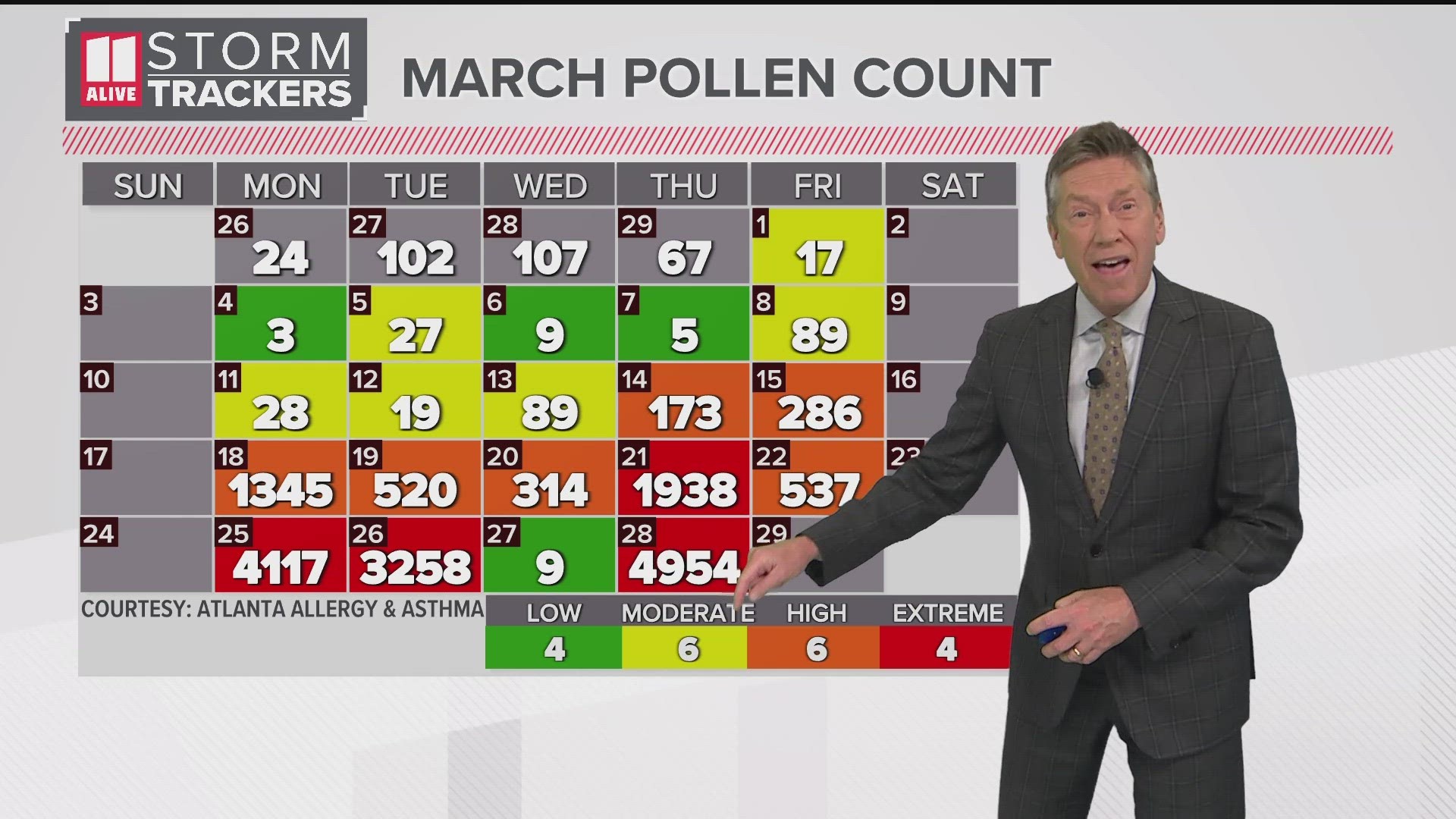
(Note: This article focuses specifically on monitoring pollen counts, seasonal allergy triggers, and clinical management strategies within the Atlanta, Georgia metropolitan area for the 2026 allergy season.)
Atlanta’s reputation as "The City in a Forest" is a double-edged sword for residents dealing with seasonal allergic rhinitis. While the dense urban canopy of oak, pine, and sweetgum trees provides immense aesthetic and environmental value, it also transforms the metro area into a high-density airborne allergen trap. Understanding how the local pollen count operates, interpreting meteorological reports, and implementing an evidence-based management strategy are essential for maintaining quality of life during peak pollination cycles.
Understanding Atlanta's 2026 Pollen Season Dynamics
The timing and severity of Atlanta's pollen counts are dictated by regional climate patterns, winter chill hours, and early spring temperature spikes. For the 2026 season, warmer-than-average late winter temperatures across northern Georgia have accelerated the pollination cycle of early-season tree species, shifting peak burdens slightly earlier into the calendar year.
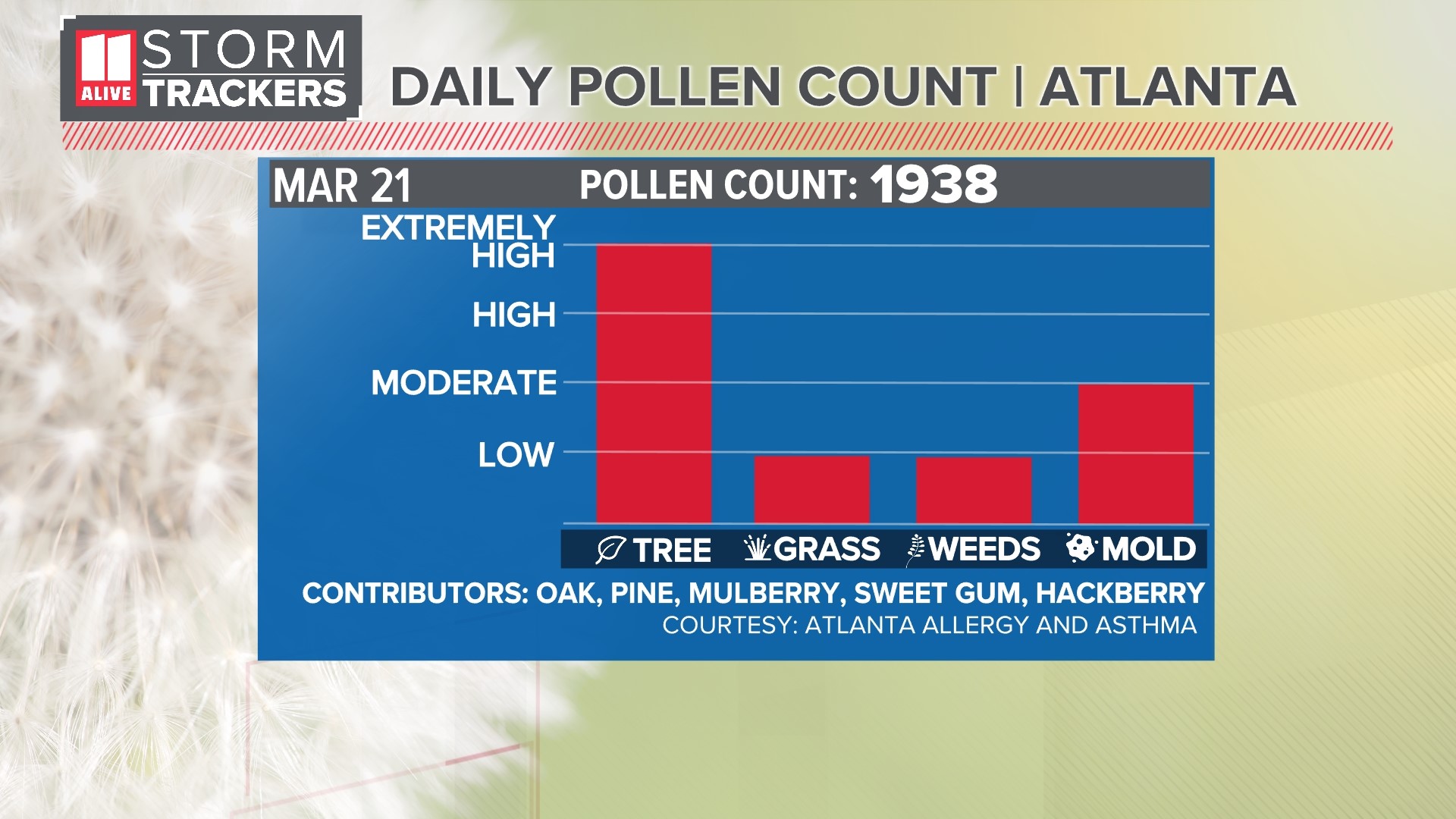
Pollen counts are measured in grains per cubic meter of air and categorized by the Atlanta Allergy & Asthma clinic, which serves as the official regional reporting station using the Rotorod sampler method. The resulting data is classified into four distinct severity tiers:
- Low: 0 to 14 grains per cubic meter. Minimal symptoms expected for most sensitive individuals.
- Moderate: 15 to 89 grains per cubic meter. Mild symptoms for sensitive groups; manageable with standard over-the-counter interventions.
- High: 90 to 1,499 grains per cubic meter. Significant allergic symptoms experienced by the majority of individuals with seasonal sensitivities.
- Extremely High: 1,500 or more grains per cubic meter. Severe reactions, potential impact on lower airways, and difficult outdoor conditions even for non-allergic individuals.
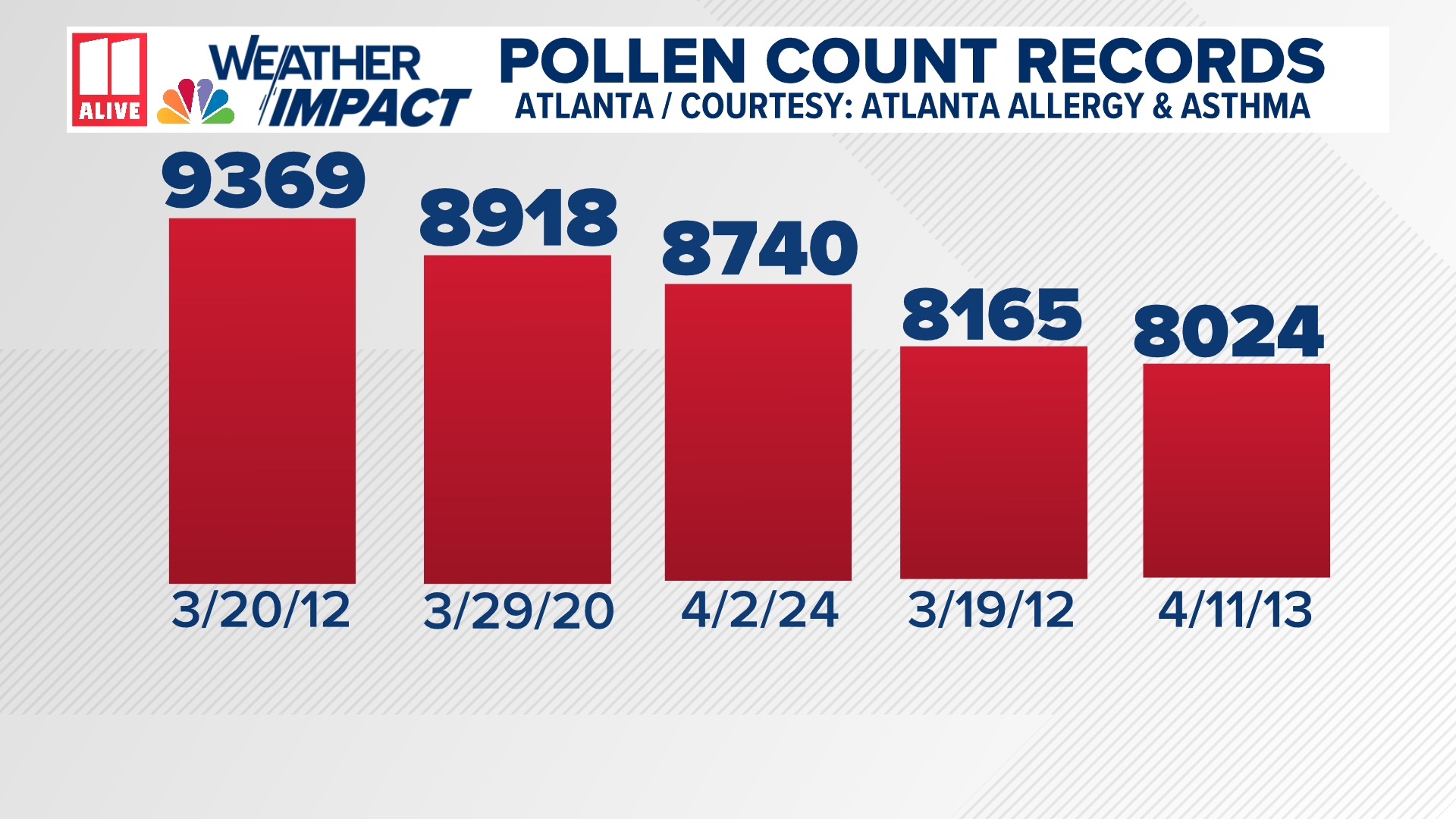
During peak days in Atlanta—traditionally occurring from late March through mid-May—counts regularly exceed 3,000 to 5,000 grains per cubic meter, frequently driven by yellow pine and oak.
Major Tree, Grass, and Weed Culprits in Metro Atlanta
Different botanical families dominate specific windows of the year. Knowing which plant is shedding allows patients and clinicians to target specific IgE-mediated immune responses.
1. Tree Pollen (February through May)
Trees are responsible for Atlanta's most infamous environmental phenomenon: the thick yellow dust coating vehicles, outdoor furniture, and sidewalks.
- Pine: While visually overwhelming due to its bright yellow color, pine pollen particles are relatively large and heavy, making them less allergenic than smaller, less visible pollens. However, heavy concentrations still irritate nasal passages.
- Oak and Hickory: These dominant native hardwoods shed microscopic, highly allergenic pollen grains that travel vast distances on northern and western winds.
- Birch, Maple, and Sycamore: Common in suburban neighborhoods throughout Fulton, DeKalb, Cobb, and Gwinnett counties, contributing to early spring overlap.
2. Grass Pollen (May through July)
As tree pollen wanes, warm-season grasses take over. Bermuda grass, fescue, and Bahia grass—staples of Atlanta lawns, athletic fields, and roadside buffers—release potent allergens that trigger persistent sneezing, nasal congestion, and allergic conjunctivitis.
3. Weed Pollen (August through October)
Ragweed is the primary driver of late-season misery in North Georgia. A single ragweed plant can produce up to a billion pollen grains, which remain airborne for miles and peak during late summer and early autumn before the first hard frost.
Clinical Comparison of Allergy Management Interventions
Selecting the right therapeutic approach depends on symptom severity, duration, and underlying medical history. The following matrix compares standard clinical interventions available to Atlanta residents.
| Intervention Type | Mechanism of Action | Onset of Relief | Primary Advantage | Key Limitation |
|---|---|---|---|---|
| Intranasal Corticosteroids (INCS) | Reduces local inflammation across all inflammatory pathways (histamines, leukotrienes) | 12 to 36 hours (full effect in days) | Gold standard for controlling overall nasal congestion and sneezing | Requires consistent daily use; minor local irritation possible |
| Second-Generation Oral Antihistamines | Blocks peripheral H1 histamine receptors | 1 to 2 hours | Fast relief of acute sneezing, runny nose, and itching | Less effective at treating established nasal blockage and congestion |
| Saline Irrigation (Neti Pot / Nasal Rinse) | Physically flushes mucus, trapped pollen, and inflammatory mediators from nasal mucosa | Immediate | Drug-free, safe for frequent use, reduces post-nasal drip | Requires distilled or sterile water to prevent rare parasitic infections |
| Allergen Immunotherapy (SCIT / SLIT) | Modulates the immune system over time to induce long-term tolerance | Months (lasting years of benefit) | Addresses the root cause rather than merely masking symptoms | Requires long-term commitment (weekly/monthly injections or daily tablets) |
Clinical Safety Note: Always consult a board-certified allergist or primary care provider before initiating long-term pharmacological therapies, particularly if you manage hypertension, glaucoma, or are pregnant. Neti pots and saline rinses must always be used with distilled, sterile, or previously boiled and cooled water to eliminate microbial risks.
Step-by-Step Daily Routine for High Pollen Days in Atlanta
Minimizing allergen exposure requires a proactive daily protocol, especially when local monitoring stations report high or extremely high counts.
- Check the Morning Forecast: Review the daily pollen count reported by local allergists before opening windows or planning outdoor exercise in green spaces like Piedmont Park or the Atlanta BeltLine.
- Keep Windows Sealed: Run central HVAC systems equipped with MERV 11 or higher rated air filters. Avoid using whole-house window fans that draw unfiltered outdoor air directly indoors.
- Establish an Outer-Layer Protocol: Upon returning from outdoor activities, remove outer garments in the mudroom or garage. Shower and wash hair before bed to prevent transferring trapped pollen grains onto your bedding.
- Utilize High-Efficiency Particulate Air (HEPA) Purifiers: Place true HEPA air cleaners in primary living areas and bedrooms to continuously filter indoor particulate matter.
- Wear Barrier Protection: Consider wearing wrap-around sunglasses and a lightweight N95-rated mask when mowing lawns, doing yard work, or walking through heavily wooded areas during peak wind advisories.
Frequently Asked Questions About Atlanta Pollen
What makes Atlanta’s pollen count so notoriously high compared to other cities?
Atlanta's high pollen count stems from its dense urban tree canopy, which features a diverse mix of mature oak, pine, and sweetgum trees combined with a long growing season and favorable spring weather patterns that trap atmospheric pollutants and pollens.
Is the yellow pollen coating cars the most dangerous allergen?
No. The visible yellow dust is primarily pine pollen, which has larger grains that typically cause less severe allergic reactions than smaller, less visible tree pollens like oak, birch, and hickory.
When does the worst of the spring pollen season typically end in Atlanta?
The peak of tree pollen usually subsides by mid-to-late May, tapering off significantly once sustained summer thunderstorms wash out remaining airborne particles and warm-season grasses take over.
Can over-the-counter allergy medications stop working if used for too long?
Second-generation antihistamines do not lose their efficacy due to tolerance over a single season; however, shifting symptom profiles or worsening environmental exposure levels may necessitate stepping up to an intranasal corticosteroid.
How can I distinguish between spring allergies and a sinus infection?
Allergies typically cause itchy, watery eyes, clear nasal discharge, and sneezing without fever or body aches, whereas bacterial sinus infections often involve thick discolored mucus, facial pain, localized pressure, and low-grade fever.
Take Control of Your Allergy Symptoms Today
Do not let Atlanta’s high pollen counts dictate your outdoor lifestyle or productivity. If over-the-counter regimens fail to provide adequate relief, schedule a comprehensive evaluation with a local Atlanta allergist to identify your specific triggers through skin-prick testing or specific IgE blood tests. Developing a personalized management plan—ranging from targeted pharmacotherapy to custom immunotherapy—will ensure you can safely enjoy everything the region has to offer throughout the 2026 season.