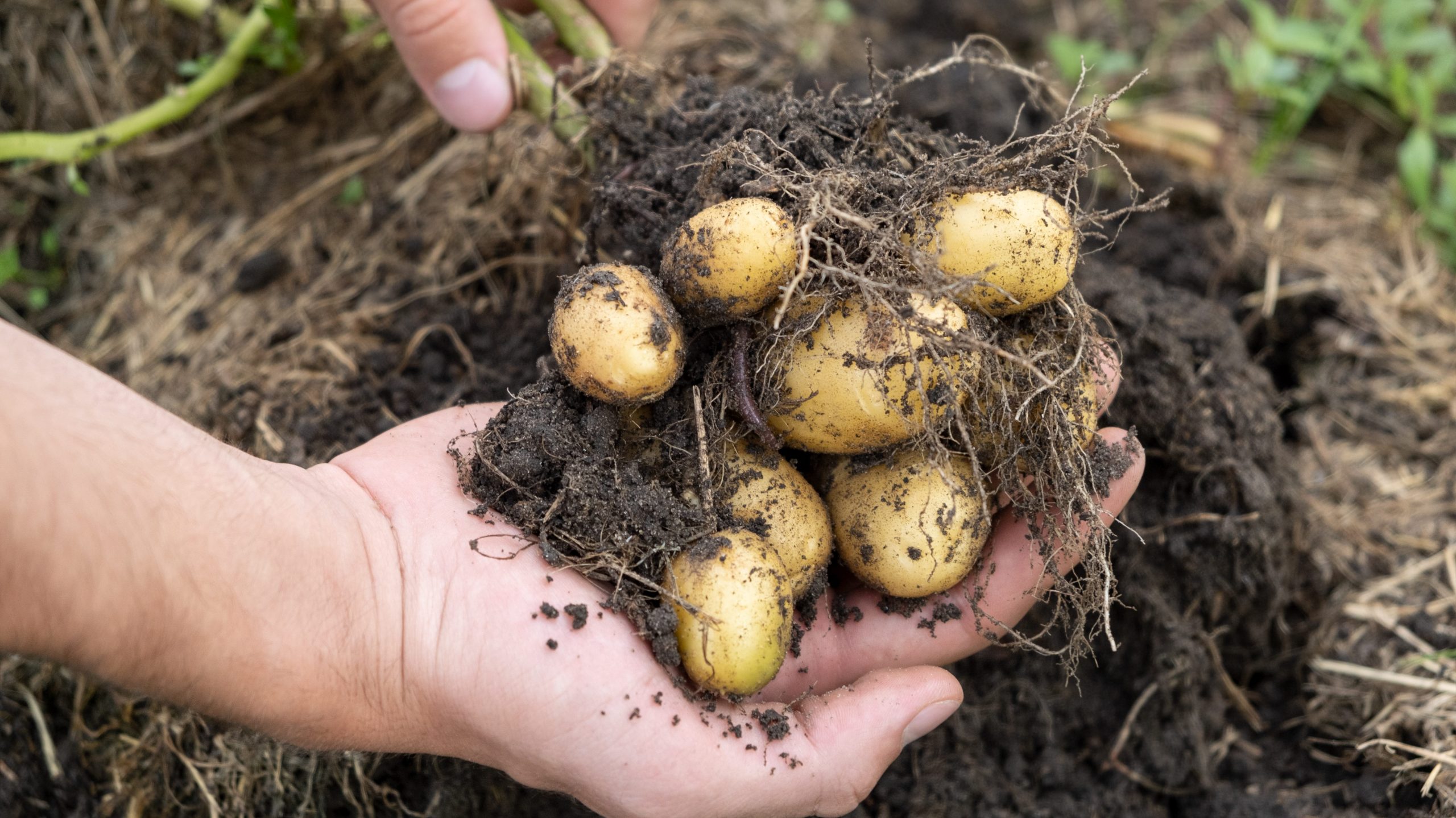
Timing is everything when cultivating potatoes across the British Isles. Lift your crop too early, and you sacrifice precious yield and tuber size; leave them in the ground too long, and you risk severe fungal infections, slug damage, and storage rot. As weather patterns shift through the 2026 growing season, understanding the precise physiological signs of maturity has never been more critical for British allotment holders and kitchen gardeners. Whether you are growing first earlies in a small patio container or managing a large plot of maincrop varieties in a Hampshire field, aligning your harvest schedule with regional soil temperatures and weather windows ensures a bountiful, disease-free crop.
Botanical Classifications and Seasonal Harvest Timelines
British potato cultivation relies on distinct maturity groups. Each classification dictates a strict planting and lifting window, heavily influenced by the maritime climate of the UK. Recognizing the biological lifecycle of your specific seed potatoes prevents premature harvesting and maximizes storage potential.
- First Earlies: Planted in late March, these fast-maturing varieties are typically ready to lift by June and July. They are harvested while the plants are still in flower, producing tender, thin-skinned "new" potatoes that are best consumed immediately rather than stored.
- Second Earlies: Planted in April, these varieties mature through July and August. They offer slightly larger tubers with firmer skins than first earlies and can tolerate a brief period in the soil after the foliage begins to fade.
- Maincrop: Planted between mid-April and early May, maincrops require a long growing season of 120 to 140 days. They are harvested from late August through October, developing a thick, protective skin (periderm) essential for winter storage.
Identifying Foliage Maturity and Tuber Readiness
The most reliable indicator of harvest readiness is above-ground foliage behavior. For early potatoes, wait until the plants burst into flower. For maincrops, observe the gradual yellowing and natural dieback of the haulms (stems and leaves).
As autumn approaches in the 2026 season, monitor your plots for the natural senescence of the plant. Once the haulms turn completely brown and die back, the plant has ceased photosynthesizing and is no longer channeling energy into the root system.
Expert Agronomy Tip: Never rely solely on the calendar month to dictate your harvest. Microclimates across the UK vary wildly; a sheltered south-facing garden in Cornwall will reach harvest maturity weeks ahead of a wind-swept plot in the Scottish Highlands. Always inspect the skin set of a trial tuber before committing to a full harvest.
Step-by-Step Practical Lifting Procedure
Lifting potatoes cleanly requires mechanical care to prevent bruising, cutting, or puncturing the tubers. A damaged skin provides an open entry point for soil-borne pathogens like Fusarium and Pectobacterium (soft rot).
- Cut Back Haulms: For maincrop potatoes, cut the dead or dying top growth down to ground level using shears or a scythe approximately 10 to 14 days before lifting. This process, known as haulm destruction, thickens the potato skin and locks in dry matter.
- Select the Right Tool: Choose a blunt-tined fork rather than a sharp spade. A fork slips between tubers much more easily, drastically reducing the risk of slicing through a prize maincrop.
- Position the Fork Correctly: Insert your garden fork into the soil roughly 30 centimeters away from the base of the stem, angling it inward toward the center of the root ball to lift the primary mass of tubers from underneath.
- Gently Lift and Shake: Leverage the fork downward to elevate the soil block. Gently ease the soil apart with your gloved hands, collecting the potatoes resting near the surface before digging deeper for stragglers.
- Cure the Crop: Allow freshly lifted potatoes to dry on the soil surface for a few hours (provided rain is not forecasted) to let the skins harden further and loose soil to flake away.
Comparative Analysis of UK Potato Varieties and Harvest Windows
| Variety Classification | Planting Window (UK) | Primary Harvest Window | Skin Characteristics | Storage Potential |
|---|---|---|---|---|
| First Earlies (e.g., Anya, Rocket) | Late March | June – July | Thin, delicate, easily rubs off | Low (Eat within days) |
| Second Earlies (e.g., Charlotte, Maris Peer) | April | July – August | Firm, medium thickness | Moderate (Store for weeks) |
| Maincrop (e.g., King Edward, Maris Piper) | Mid-April to Early May | Late August – October | Thick, robust, corky periderm | High (Store for months) |
Managing Blight Pressures and Weather Risks
Late blight (Phytophthora infestans) remains the single greatest threat to UK potato yields. Warm, humid spells during the summer months create ideal conditions for spore germination. If your maincrop foliage contracts blight late in the season, prompt action is required to prevent spores from washing down through the soil and infecting the tubers.
- Emergency Haulm Removal: Immediately cut away and dispose of all infected green foliage off-site. Burn or bin the material; never add blight-infected haulms to a cold compost heap.
- Post-Haulm Removal Waiting Period: Wait a mandatory 14 days after cutting down blighted top growth before lifting the tubers. This delay ensures that any remaining surface spores on the soil die off, preventing them from transferring to the freshly exposed skins during harvest.
- Soil Drainage Management: Heavy autumn downpours can waterlog soil rapidly. Ensure your garden beds or raised plots feature adequate drainage channels to prevent anaerobic conditions that accelerate tuber rot.
Post-Harvest Curing and Storage Best Practices
Once harvested, treating your potatoes correctly determines whether they last through the winter or spoil within weeks. Proper curing heals micro-abrasions sustained during the lifting process.
- The Curing Environment: Store freshly harvested maincrop potatoes in a dark, well-ventilated, frost-free space (such as a shed or garage) at temperatures between 10°C and 15°C for 10 to 14 days.
- Long-Term Storage Conditions: Transfer cured tubers into Hessian sacks, paper bags, or wooden riddles. Keep them in a cool, dark environment maintained at 3°C to 4°C with high humidity to prevent shriveling.
- Regular Culling: Inspect your stored tubers monthly. Promptly remove any potatoes showing signs of soft rot, mold, or sprouting to protect the remainder of your harvest.
Frequently Asked Questions
When should I harvest my first early potatoes in the UK?
First early potatoes are typically ready to harvest between June and July when the plants are in full bloom. You can check readiness by gently feeling beneath the soil surface for tubers the size of chicken eggs.
Can I harvest potatoes if the plant hasn't flowered?
Harvesting before flowering will yield very small, immature tubers with minimal flavor and starch development. It is almost always best to wait until the plant reaches its designated reproductive milestone unless forced by pest or disease pressure.
What should I do if it rains heavily during my maincrop harvest window?
Wait for a dry spell of at least two to three consecutive days to allow the soil surface to dry out before lifting. Lifting potatoes from waterlogged soil significantly increases the risk of clod adherence and post-harvest storage rots.
How do I stop my stored potatoes from sprouting too early?
Store your potatoes in complete darkness at a cool, stable temperature between 3°C and 4°C with excellent air circulation. Avoid storing them near apples or other ethylene-producing fruits, which accelerate the sprouting process.
Are potatoes safe to eat if they have turned green?
Green patches on potatoes indicate the presence of solanine, a natural toxin caused by exposure to sunlight. Pare away all green flesh generously with a paring knife before cooking, or discard the tuber entirely if the green coloration is extensive.
Should I wash my potatoes immediately after lifting?
Never wash potatoes intended for storage, as excess moisture encourages fungal growth and bacterial rot. Simply brush off dry, loose soil by hand once the tubers have cured, and defer washing until right before culinary preparation.
Maximizing your potato harvest across the UK requires a keen eye for foliage health, patience during erratic weather, and strict adherence to post-harvest curing protocols. By planning your lifting schedule around true plant maturity rather than arbitrary dates, you secure a plentiful, high-quality crop ready for the kitchen or long-term storage.