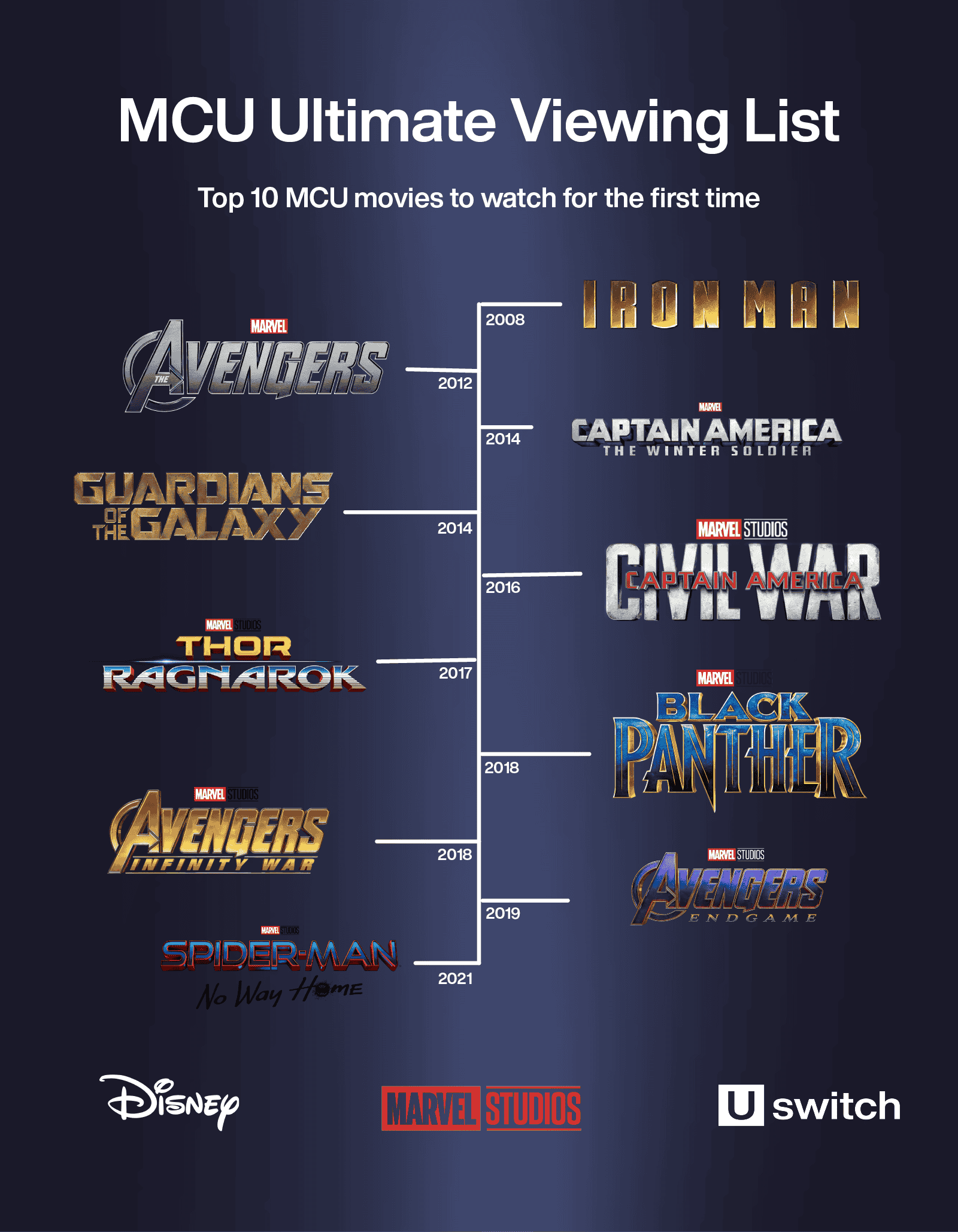
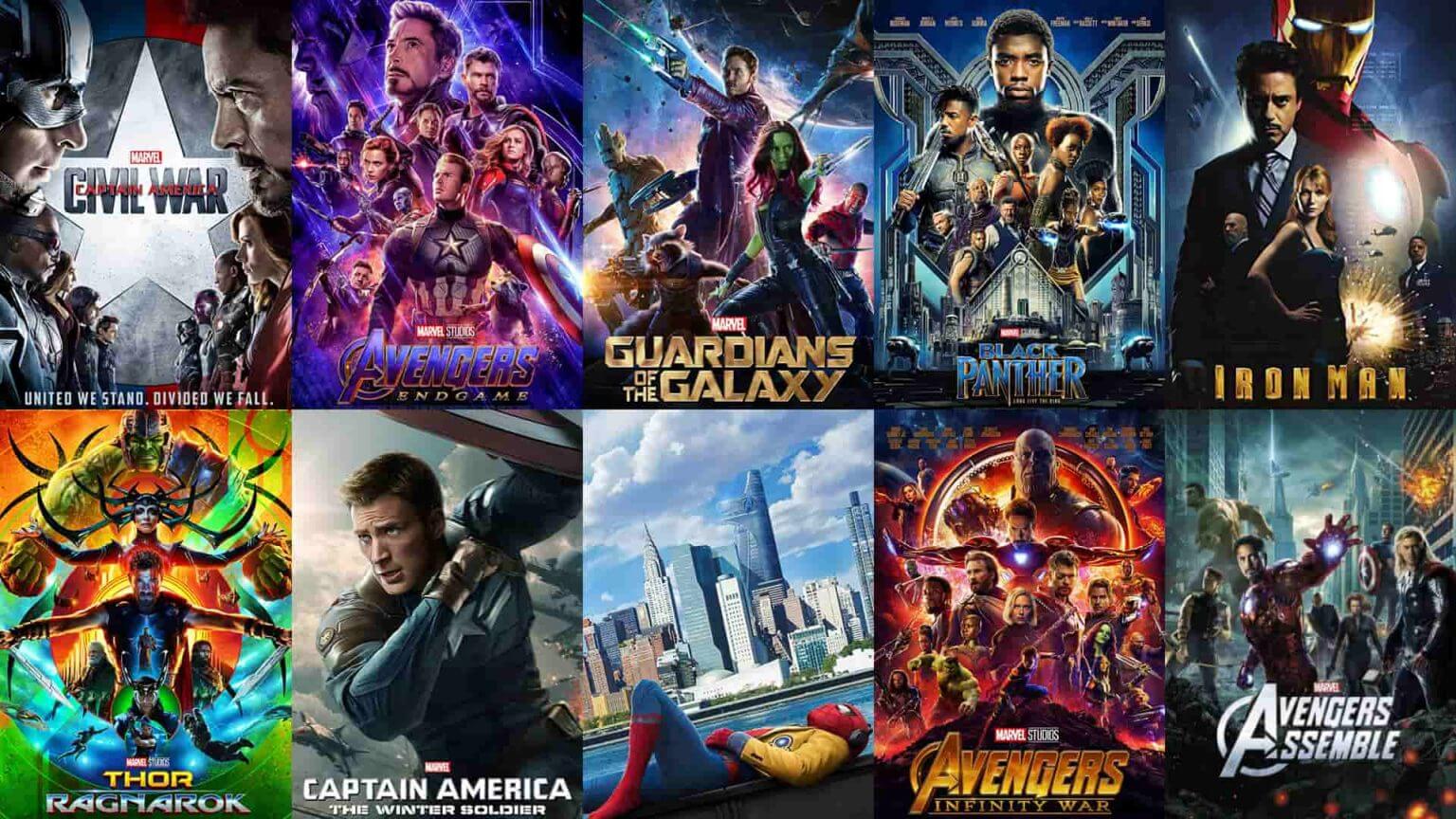
Navigating the expansive Marvel Cinematic Universe (MCU) for the first time requires balancing character development, historical production order, and the overarching narrative threads that connect dozens of films and streaming series. For a first-time viewer in 2026, the optimal experience is to follow the theatrical release order, as it ensures that mid-credits scenes, narrative teases, and character introductions remain consistent with how the audience originally experienced the universe.
Understanding the Marvel Cinematic Universe Structure
The Marvel Cinematic Universe is divided into distinct "Phases," which serve as chapters in a larger, sprawling saga. Understanding this structure is essential because these phases represent the logical progression of the story. Attempting to watch by "chronological timeline order"—which rearranges films based on the year they take place within the story—can often lead to spoilers or narrative confusion for newcomers.
When you watch in release order, you experience the same surprises as the original audience. You see the world expand from a grounded, tech-focused story in Iron Man (2008) to a cosmic, multi-dimensional epic in later years. This progression allows the technical quality, CGI standards, and tonal shifts of the films to evolve naturally, mirroring the growth of the studio itself.
Why Release Order Trumps Chronological Order
While some fans advocate for chronological watching to see the timeline unfold linearly, this approach is ill-advised for a first-time viewer. Many films include post-credit scenes that explicitly set up the plot of the next movie released, not necessarily the next one in the timeline.
Furthermore, chronological order often interrupts the flow of character arcs. For example, Captain Marvel (2019) is set in the 1990s, but watching it before Iron Man (2008) removes the sense of mystery surrounding the "Avengers Initiative" that Nick Fury introduces at the end of the first film. By sticking to release order, you preserve the intended "puzzle" that Marvel Studios constructed over nearly two decades.
Phase One: The Foundation (2008–2012)
Phase One introduces the core Avengers members. This is where the world-building begins. You start with the grounded origin stories and finish with a massive team-up event that redefined blockbuster cinema.
- Iron Man (2008): The essential starting point. It establishes the tone and the character of Tony Stark.
- The Incredible Hulk (2008): Often overlooked, but introduces key scientific elements.
- Iron Man 2 (2010): Expands the government’s role in the world of heroes.
- Thor (2011): Introduces the cosmic and mythological side of the universe.
- Captain America: The First Avenger (2011): Provides the necessary backstory for Steve Rogers.
- The Avengers (2012): The culmination of the first phase.
Phase Two: Expansion and Consequence (2013–2015)
Phase Two deals with the fallout of the first Avengers film and introduces deeper cosmic threats. It marks a shift in how the MCU handles tone, moving toward a more expansive, galaxy-spanning narrative.
- Iron Man 3 (2013)
- Thor: The Dark World (2013)
- Captain America: The Winter Soldier (2014): A pivotal film that changes the political landscape of the franchise.
- Guardians of the Galaxy (2014): Moves the story firmly into deep space.
- Avengers: Age of Ultron (2015)
- Ant-Man (2015): Adds a smaller-scale, heist-movie perspective to the universe.
Phase Three: The Climax of the Infinity Saga (2016–2019)
Phase Three is the most dense section, focusing on the buildup to the Infinity Stones conflict. This phase contains some of the highest-rated entries and introduces the complex conflict between heroes in Captain America: Civil War.
| Film Title | Release Year |
|---|---|
| Captain America: Civil War | 2016 |
| Doctor Strange | 2016 |
| Guardians of the Galaxy Vol. 2 | 2017 |
| Spider-Man: Homecoming | 2017 |
| Thor: Ragnarok | 2017 |
| Black Panther | 2018 |
| Avengers: Infinity War | 2018 |
| Ant-Man and the Wasp | 2018 |
| Captain Marvel | 2019 |
| Avengers: Endgame | 2019 |
| Spider-Man: Far From Home | 2019 |
Integrating Streaming Series and Later Phases
As of 2026, the MCU has expanded significantly into television series via streaming platforms. To maintain the viewing experience, these should be integrated according to their release dates alongside the films.
Phases Four, Five, and Six (the "Multiverse Saga") involve a shift from single-threat villains to multiversal chaos. It is highly recommended to prioritize the core cinematic releases first before diving into the secondary streaming shows. The series serve to deepen the lore, but the major "event" films—such as Guardians of the Galaxy Vol. 3 (2023) or Deadpool & Wolverine (2024)—carry the primary weight of the overarching narrative.
Navigating the Multiverse Saga
Starting in 2021 with WandaVision, the barrier between film and TV became porous. If you are watching for the first time, keep a list of the major theatrical releases. If you find yourself enjoying a specific character, you can backtrack to their respective Disney+ series. Do not feel obligated to watch every single minute of content; focus on the films first, as they contain the central pillar of the plot.
Troubleshooting Common Viewing Issues
First-time viewers often encounter the "fatigue" hurdle. With over 30 films, it is acceptable to take breaks.
- The Pacing Problem: If you find the origin stories slow, remember that they are building the emotional stakes for Avengers: Infinity War and Endgame. The payoff is significantly higher if you have invested time in the characters' initial arcs.
- Continuity Errors: Occasionally, you will notice minor inconsistencies in dates or character ages. These are often the result of real-world production changes or retcons. Don't let minor continuity gaps deter you; the narrative themes are more important than the specific timeline math.
- Streaming Access: Check your local region’s streaming library, as licensing agreements shift. Official platforms like Disney+ typically maintain the most comprehensive and high-quality collection of these titles in 4K resolution.
Frequently Asked Questions
Can I skip the older movies and start with the newer ones? It is not recommended. The MCU relies heavily on emotional investment and long-term character development. Skipping the early films will strip the later movies of their context and emotional impact, making major "crossover" events feel like disconnected spectacle rather than earned climaxes.
Do I need to watch the post-credit scenes? Yes. In the MCU, post-credit scenes are not just bonuses; they are vital pieces of narrative connective tissue. They often introduce characters who will appear in the next film or tease the central conflict of the next "Phase."
Is there a specific order for the Spider-Man movies? Yes. For the MCU, you should start with Spider-Man: Homecoming (2017), followed by Far From Home (2019) and No Way Home (2021). These films exist within the MCU timeline and are essential to the broader story.
Do I need to watch the non-MCU Marvel movies (like X-Men or pre-2008 films)? No. While characters from those franchises may appear in newer films due to the "multiverse" concept, they are not part of the core MCU story. Treat them as optional viewing rather than requirements for understanding the plot.
Final Recommendation for New Viewers
Your best path forward is to start with Iron Man (2008) and proceed chronologically by release date. Keep a tracking list to mark your progress. Do not rush through the movies in an attempt to "catch up" to the current year—the experience of seeing the universe evolve from a single suit of armor to a multiversal threat is the core appeal of the franchise. Begin with the first phase, enjoy the growth of the characters, and remember that the post-credit scenes are mandatory viewing.