Music in the 2020s is defined by the total dissolution of traditional genre boundaries, the dominance of short-form video algorithms, and the integration of generative AI into the creative process. As of 2026, the industry has transitioned from a centralized "monoculture" into a massive ecosystem of hyper-targeted micro-communities driven by streaming data and social media virality.
The Fragmented Landscape: The End of the Monoculture
The most significant shift in 2020s music is the decline of a singular mainstream. In previous decades, a handful of radio stations and MTV-style outlets dictated what was "popular." Today, the music landscape is a mosaic of "bubbles." While a superstar like Taylor Swift can still command global attention, the average listener’s "Top 40" is now personalized by algorithms on platforms like Spotify, Apple Music, and YouTube.
This fragmentation has allowed niche genres to thrive without traditional gatekeepers. Hyperpop, which emerged in the early 2020s through artists like 100 gecs and Charli XCX, utilized distorted electronics and maximalist pop sensibilities that would have been deemed "unlistenable" by 2000s radio standards. Similarly, the rise of Phonk—a genre characterized by cowbell-heavy beats and lo-fi Memphis rap samples—grew entirely through automotive subcultures on social media rather than industry promotion.
By 2026, we see that the "center" of music no longer holds. Artists no longer aim for universal appeal; they aim for deep engagement within specific digital tribes. This has led to the "long tail" of music consumption, where older "catalog" music (songs older than 18 months) often outperforms new releases on streaming charts, as listeners use digital tools to rediscover the past as much as they explore the present.
The TikTok Engine and the 15-Second Hook
Short-form video platforms, primarily TikTok and Instagram Reels, have fundamentally redesigned how songs are written and marketed. In the early 2020s, a "viral moment" could propel an unknown artist to the top of the Billboard Hot 100 in a matter of days. This phenomenon forced a structural change in songwriting: the "hook" or the "bridge" is now often front-loaded to capture attention within the first five seconds.
The 2020s have seen the rise of "moment-based" songwriting. Producers often create tracks specifically with a "challenge" or a "transition" in mind. This has led to:
- Variable Tempos: Songs are frequently released with "Sped Up" and "Slowed + Reverb" versions officially on streaming platforms to satisfy different social media trends.
- Shorter Track Lengths: The average song length has dropped from nearly four minutes in the late 1990s to approximately two minutes and 30 seconds by 2026.
- Interpolation Over Sampling: To avoid complex copyright hurdles while maintaining familiarity, artists increasingly use "interpolations"—re-recording a melody from an old hit—rather than sampling the original master recording.
However, by 2026, a backlash against "algorithm-baiting" has emerged. Many artists are returning to long-form compositions and concept albums as a way to distinguish "prestige" artistry from "content" music.
The Global Explosion: Afrobeats, Latin, and K-Pop Maturation
The 2020s marked the definitive end of Western-centric music dominance. Global sounds are no longer categorized as "World Music" but are the primary drivers of the global charts.
Latin Music reached a zenith early in the decade, with Bad Bunny becoming the most-streamed artist globally for three consecutive years (2020-2022). The "Reggaeton" sound evolved into a sophisticated blend of Trap, Bachata, and Jersey Club, influencing artists across every continent.
Afrobeats, originating largely from Nigeria and Ghana, transitioned from a club subculture to a global powerhouse. Artists like Burna Boy, Wizkid, and Tems brought polyrhythmic African percussion and smooth melodic structures to the forefront of pop. By 2026, Afrobeats has become a standard texture in American and European production, similar to how Hip-Hop influenced pop in the 1990s.
K-Pop entered its "post-BTS" era in the mid-2020s. While BTS and BLACKPINK established the blueprint, newer groups like NewJeans and Stray Kids have pushed the genre into more experimental territories, blending UK Garage, Drum and Bass, and 90s R&B. The industrial precision of the K-Pop trainee system has also begun to influence how Western labels develop artists, focusing on multi-platform "idols" rather than just singers.
Artificial Intelligence and the 2023 Turning Point
The year 2023 was a watershed moment for music technology with the emergence of high-quality generative AI. The "Ghostwriter" track, which used AI to clone the voices of Drake and The Weeknd, sparked a global debate on the ethics of voice synthesis and copyright.
By 2026, the industry has settled into a precarious truce with AI:
- Assistive AI: Most producers now use AI for stem separation (isolating vocals from instruments), automated mixing, and lyric brainstorming.
- Voice Licensing: Some legacy artists and modern stars have begun licensing their "voice models," allowing creators to use their vocal likeness in exchange for a percentage of royalties, managed via blockchain verification.
- Generative Saturation: The volume of music uploaded to streaming services has surpassed 150,000 tracks per day, much of it "functional music" (lo-fi beats for studying, ambient sleep sounds) generated entirely by AI.
This technological surge has created a "premium on the human." Live performances and "raw" acoustic recordings have seen a surge in value as fans seek authenticity in an era of perfect digital replication.
The Economics of Music: Streaming vs. Live Performance
The financial model of music in the 2020s remains a point of contention. While streaming accounts for the vast majority of industry revenue, the "per-stream" payout (averaging $0.003 to $0.005) makes it difficult for mid-tier artists to survive on recordings alone.
Comparison of Music Consumption Trends (2020 vs. 2026)
| Feature | 2020 Status | 2026 Status (Current) |
|---|---|---|
| Primary Discovery | Spotify Playlists / Radio | TikTok / AI-Personalized Feeds |
| Physical Format | Vinyl Revival (Early stage) | Vinyl & CD (Premium Collectibles) |
| Average Song Length | 3:15 | 2:25 |
| Top Global Genre | Hip-Hop / Pop | Latin / Afrobeats / Hybrid Pop |
| AI Involvement | Experimental / Niche | Integrated in Production & Legal |
| Touring Model | Post-Pandemic Recovery | Dynamic Pricing / High-Tier Residencies |
The "Touring Crisis" of 2024-2025 saw many independent venues close due to rising insurance costs and the dominance of major promoters like Live Nation. In response, 2026 has seen a shift toward "Direct-to-Fan" (D2F) economies. Platforms like Patreon, Bandcamp, and private Discord servers allow artists to bypass the "streaming pittance" by selling high-value experiences, limited edition physical goods, and exclusive digital content directly to their core audience.
Aesthetic Shifts: From Minimalism to "Indie Sleaze" and Beyond
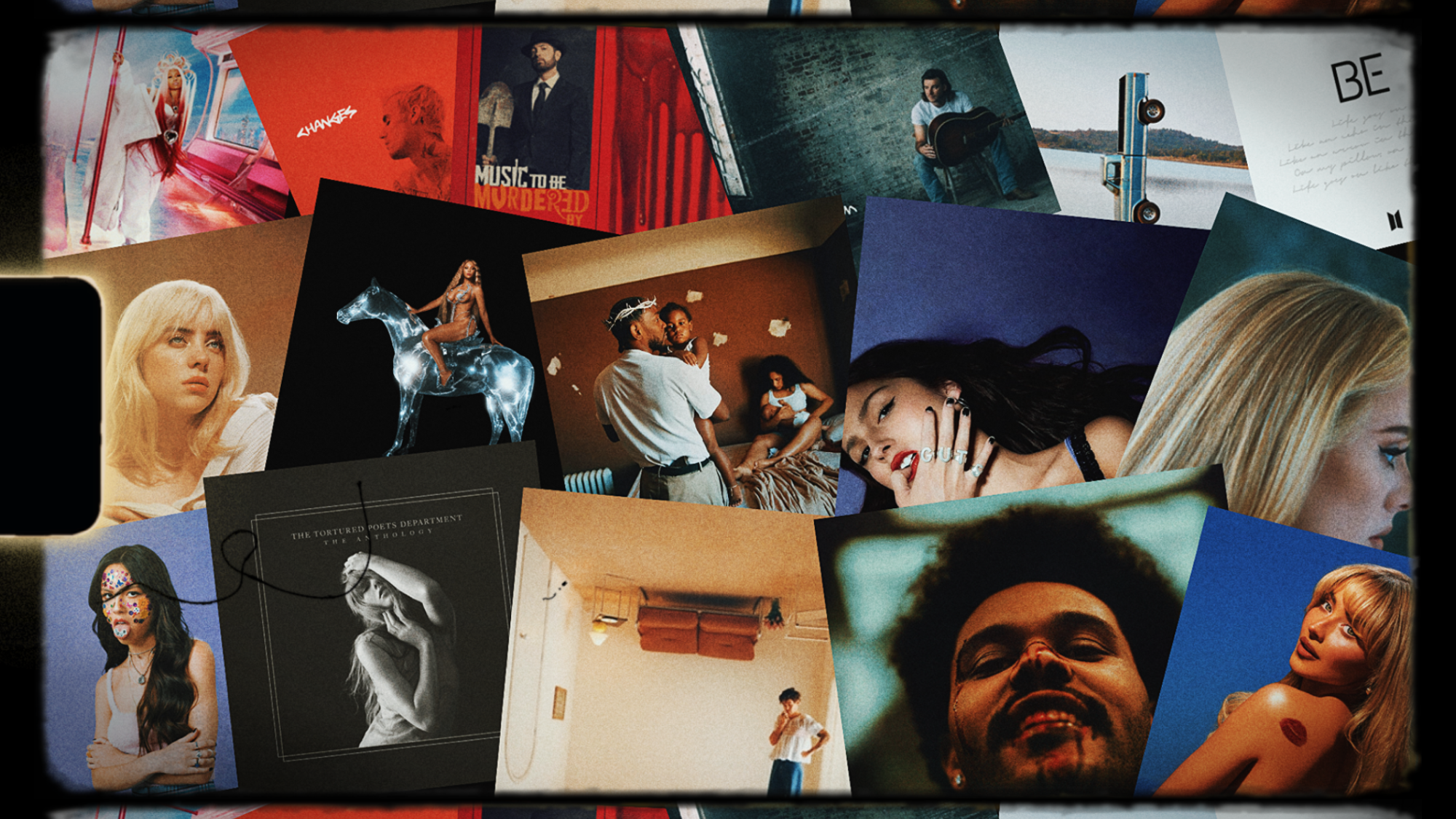
Visually and sonically, the 2020s began with a continuation of the "clean girl" aesthetic and minimalist bedroom pop (Billie Eilish, Olivia Rodrigo). However, by the mid-2020s (2024-2026), a pivot toward Maximalism occurred.
This era, often dubbed the "Indie Sleaze" revival or "Neo-Rave," features distorted guitars, high-energy BPMs, and a rejection of the polished, Instagram-ready look of the 2010s. The 2024 success of Charli XCX's Brat exemplified this shift—embracing "messy" club culture and hedonism as a response to the isolation of the early 2020s.
Furthermore, the "Cottagecore" folk influence (Taylor Swift's folklore era) has evolved into a sophisticated "Organic Tech" sound, where traditional folk instruments are processed through granular synthesis, creating a haunting, futuristic take on Americana.
Key Subgenres of the 2020s
To understand the 2020s, one must look at the micro-genres that have defined the decade's sonic palette:
- Jersey Club & Drill: Characterized by the "five-beat" kick pattern and aggressive, sliding basslines. It moved from the streets of Newark and London to the center of global pop via artists like Central Cee and Ice Spice.
- Shoegaze Revival: A younger generation (Gen Z) rediscovered the wall-of-sound guitar textures of the early 90s, blending it with modern trap drums.
- Amapiano: A South African house music subgenre featuring "log drums" and soulful piano melodies that became a global club staple by 2024.
- Digicore: An offshoot of Hyperpop, even more DIY and internet-centric, often created by teenagers using free software and Discord collaboration.
The Role of Physical Media in a Digital Era
Despite the ubiquity of streaming, physical media has not died; it has been rebranded as "Merchandise." In 2026, vinyl sales continue to break records, not necessarily because fans have turntables, but because they want a physical connection to the artist.
Collectors' Editions have become the industry standard. A single album may be released in 10 different vinyl color variants, each with unique "hidden" tracks or posters. This "gamification" of music buying has helped labels offset the low margins of streaming. CDs have also seen a modest resurgence, particularly in the K-Pop and J-Pop sectors, where elaborate packaging makes the disc feel like a luxury art book.
Common Questions About 2020s Music
Why are songs getting shorter in the 2020s?
The primary reason is the streaming royalty model. Platforms pay per play, provided the listener stays for at least 30 seconds. A shorter song allows for more frequent "repeat" plays within a single listening session. Additionally, the attention economy of social media favors tracks that get to the chorus quickly, leading producers to trim traditional "filler" sections like long intros or extended guitar solos.
How has AI actually changed the music I hear on the radio?
Most AI influence is "under the hood." It is used for "predictive A&R," where labels use algorithms to identify which unsigned artists are trending on social media. In production, AI tools like iZotope and Landr are used to "auto-master" tracks. While "AI-generated singers" exist, they remain a novelty compared to human artists who use AI to enhance their creative workflow.
Is Rock music dead in the 2020s?
No, but it has changed form. Rock has largely moved away from the "Guitar Hero" archetype and merged with other genres. The early 2020s saw a massive Pop-Punk revival (led by Travis Barker’s production for artists like MGK and Willow Smith). By 2026, Rock exists primarily as an aesthetic and a live-energy component in "Alt-Pop" and "Indie Sleaze" circles rather than a standalone chart-topping genre.
What is "Catalog Music" and why is it so popular?
"Catalog music" refers to any song released more than 18 months ago. In the 2020s, catalog music often accounts for over 70% of total music consumption. This is due to "nostalgia cycles" on social media—where an old song like Fleetwood Mac's "Dreams" or Kate Bush's "Running Up That Hill" goes viral—and the fact that streaming services make the entire history of music equally accessible, removing the "newness" advantage that radio once provided.
Conclusion and Recommendations
The music of the 2020s is an era of unprecedented access and extreme saturation. For the listener, the challenge is no longer finding music, but filtering the noise. For the artist, the challenge is no longer distribution, but capturing attention in a world of 15-second clips.
Practical Recommendations for Navigating 2020s Music:
- For Listeners: To escape the "algorithmic loop," seek out human-curated sources like independent radio stations (KEXP, NTS Radio) or local record store newsletters.
- For Creators: Focus on building a "community" rather than a "following." In 2026, 1,000 "true fans" on a private platform are more economically viable than 1,000,000 passive listeners on a playlist.
- For Collectors: Prioritize high-quality physical releases from labels that offer "Lossless" digital downloads, ensuring you own the music regardless of the future of specific streaming platforms.
The decade is far from over, but the blueprint is clear: the future of music is global, technologically intertwined, and fiercely individualistic.