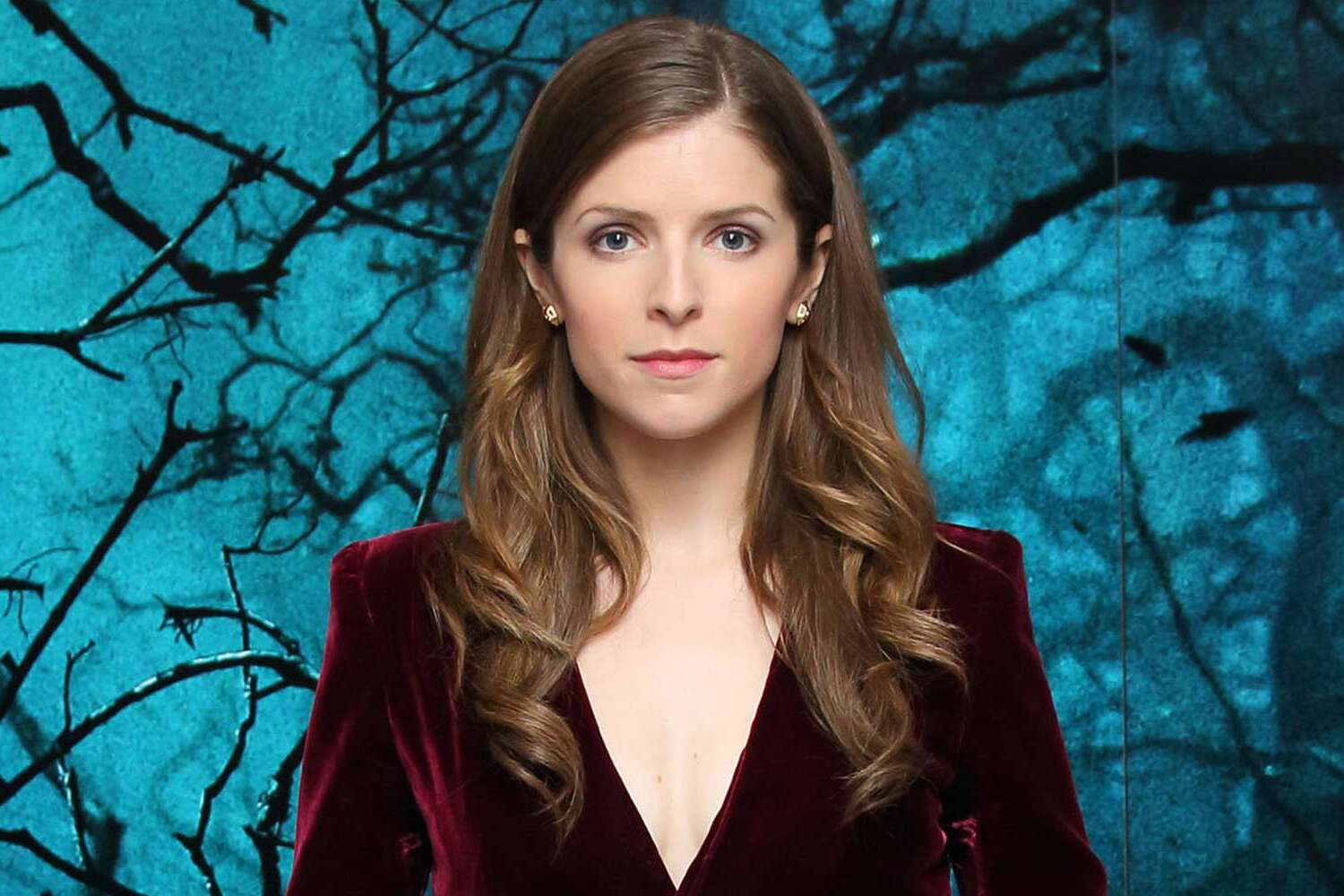
Anna Kendrick has established herself as one of Hollywood’s most versatile performers, bridging the gap between Broadway musical theater and mainstream blockbuster cinema. While her roles in Pitch Perfect and Up in the Air are well-documented, her career path is defined by unconventional choices, early stage mastery, and a series of professional milestones that reveal a surprisingly multifaceted professional history.
A Career Defined by Early Broadway Success
Many fans of modern cinema are surprised to learn that Anna Kendrick’s professional foundations were laid in the world of musical theater long before she transitioned to screen acting. In 1998, at the tender age of 12, she secured a role in the Broadway musical High Society. Her performance as Dinah Lord was not merely a minor appearance; it earned her a Tony Award nomination for Best Featured Actress in a Musical. This achievement made her the third-youngest person ever to be nominated for a Tony at the time. This rigorous early training provided her with the vocal discipline and stage presence that would eventually become the cornerstone of her breakout role in the Pitch Perfect franchise, where she performed the famous “Cups” sequence with a level of precision rarely seen in mainstream musical comedies.
The Unconventional Path to 'Up in the Air'
Her breakout role as Natalie Keener in Jason Reitman’s 2009 film Up in the Air remains one of the most significant pivots in her career. Unlike many young actors who audition for a role and wait for a callback, Kendrick’s experience was remarkably direct. Jason Reitman wrote the character of Natalie Keener specifically with Kendrick in mind after seeing her performance in Rocket Science (2007). This is a rarity in the film industry, where character archetypes are often filled through standard casting processes. By tailoring the role to her specific cadence and dry, sardonic wit, Reitman helped launch her into the A-list, leading to an Academy Award nomination for Best Supporting Actress.
A Hidden Talent for Writing
Beyond her prowess in front of the camera, Kendrick has demonstrated a distinct voice as an author. Her 2016 memoir, Scrappy Little Nobody, offers a candid, self-deprecating look at her rise to fame. What distinguishes this from standard celebrity memoirs is the lack of ghostwriting; Kendrick famously wrote the entire book herself. She navigates her transition from a Maine-born child actor to a globally recognized star with an observational humor that feels authentic rather than curated by a publicist. The book provides a technical glimpse into the reality of film sets, the grind of auditions, and the inherent absurdity of the entertainment industry.
Mastery of the “Acapella” Phenomenon
The Pitch Perfect film series transformed the niche world of collegiate a cappella into a pop-culture juggernaut. A surprising technical fact regarding her involvement is that Kendrick did not have extensive experience in competitive a cappella prior to the film. She had to learn the rhythmic vocal layering and the specific “Cups” percussion routine, which originated from the folk song "When I'm Gone." The sequence became a viral sensation, fundamentally changing how musical numbers were marketed in films. She essentially turned a simple plastic cup into a percussive instrument that required significant muscle memory and timing to synchronize with her live vocal tracks.
Strategic Selection of Indie Projects
While her blockbuster appearances often take center stage, Kendrick maintains a highly active career in independent cinema. Her filmography includes a string of critically acclaimed, lower-budget projects such as Drinking Buddies, Happy Christmas, and Table 19. These projects reflect a strategic decision-making process: she frequently chooses to collaborate with improvisational directors like Joe Swanberg. In these environments, the script is often loose, requiring the actor to craft dialogue in real-time. This is a significant departure from the highly scripted, technical precision of massive franchise films, demonstrating her versatility in navigating vastly different production cultures.
Voice Acting and Animation Precision
Kendrick has carved out a substantial niche in voice acting, most notably as Poppy in the Trolls franchise. Voice acting is often underestimated, but it requires a specialized set of technical skills, including the ability to convey complex emotional beats through vocal inflection alone, without the aid of facial expressions or physical blocking. Kendrick’s work in Trolls involves not only delivering lines but also integrating song transitions that must match the animation’s tempo perfectly. Her ability to project infectious, high-energy optimism through a microphone has made her one of the most recognizable voices in contemporary animation.
The “Relatable” Social Media Presence
In an era where social media is heavily managed by agencies, Kendrick’s digital footprint is notable for its raw, unvarnished style. She has been credited with pioneering a brand of social media engagement that prizes self-deprecation over perfection. By focusing on mundane, awkward, or humorous observations rather than strictly promotional content, she fostered a sense of genuine connection with her audience. This approach was intentional, aimed at humanizing the disconnect that often exists between a celebrity and their fan base.
Professional Range Across Genres
One of the most overlooked aspects of her career is her ability to toggle between genres that share little common ground. From the psychological thriller A Simple Favor to the dark comedy of The Voices, where she played the romantic interest of a serial killer, she avoids being typecast. Her ability to hold her own against actors like Blake Lively or Ryan Reynolds in highly stylized thrillers proves that her range is not limited to the comedic timing that made her famous in her early twenties.
Table: Career Milestones and Artistic Milestones
| Milestone | Project Title | Nature of Contribution | Impact |
|---|---|---|---|
| Broadway Debut | High Society | Stage Performance | Tony Nomination at age 12 |
| Film Breakthrough | Rocket Science | Lead Actress | Earned critical acclaim for dramatic range |
| Industry Pivot | Up in the Air | Supporting Actress | Academy Award Nomination |
| Global Recognition | Pitch Perfect | Musical Performance | Defined the "Cups" cultural phenomenon |
| Literary Success | Scrappy Little Nobody | Author | Published a self-penned memoir |
Dedication to Her Roots
Despite her status as a global star, Kendrick has consistently maintained a strong connection to her origins in Portland, Maine. She often references her upbringing in interviews, noting that her background helped keep her grounded during her early success in Los Angeles. This perspective is vital in an industry known for burning out young talent. She has spoken at length about the importance of retaining friendships outside of the entertainment industry, which serves as a psychological buffer against the pressures of fame.
Evolution as a Producer
As of 2026, Kendrick has expanded her footprint into production. Producing is a significantly more technical role than acting, involving the oversight of budgets, hiring decisions, and the logistical management of complex film sets. By stepping into this role, she gains a deeper level of agency over the projects she stars in, allowing her to influence the tone, casting, and creative vision from the pre-production phase. This evolution marks a transition from a hired performer to a creative architect of her own work.
Frequently Asked Questions
1. Is Anna Kendrick still actively involved in musical theater? While her primary focus is film and television, she has expressed a deep love for theater. Her early training remains the foundation of her performance style, though she is not currently signed to a Broadway production as of 2026.
2. Did Anna Kendrick really sing and play the cups in Pitch Perfect? Yes. The percussion seen in the film was performed by Kendrick herself. She spent weeks mastering the rhythm to ensure the audio-visual sync was perfect for the film’s production requirements.
3. What is the main theme of her memoir, Scrappy Little Nobody? The memoir focuses on the transition from a child actor to a working adult in Hollywood, emphasizing the importance of staying "scrappy" and maintaining one’s identity in an industry that often tries to shape celebrities into rigid molds.
4. How does she manage to switch between comedy and dark thrillers? Her range comes from a technical understanding of timing and emotional stakes. Whether she is performing a musical number or a dramatic scene, she treats the underlying emotion with the same level of commitment, which allows her to anchor even the most surreal roles.
5. What is the next phase of her career? As of 2026, she is increasingly focusing on producing and creative development. This allows her to exert more control over the types of narratives being brought to screen, moving beyond the role of a traditional lead actress.
Recommendation for Further Engagement
To truly understand the trajectory of Anna Kendrick’s career, readers are encouraged to compare her earlier, smaller-budget indie projects like Rocket Science with her later directorial or production-led works. Viewing these side-by-side illustrates the growth of an actor who intentionally curates her professional evolution rather than simply reacting to the opportunities presented to her.