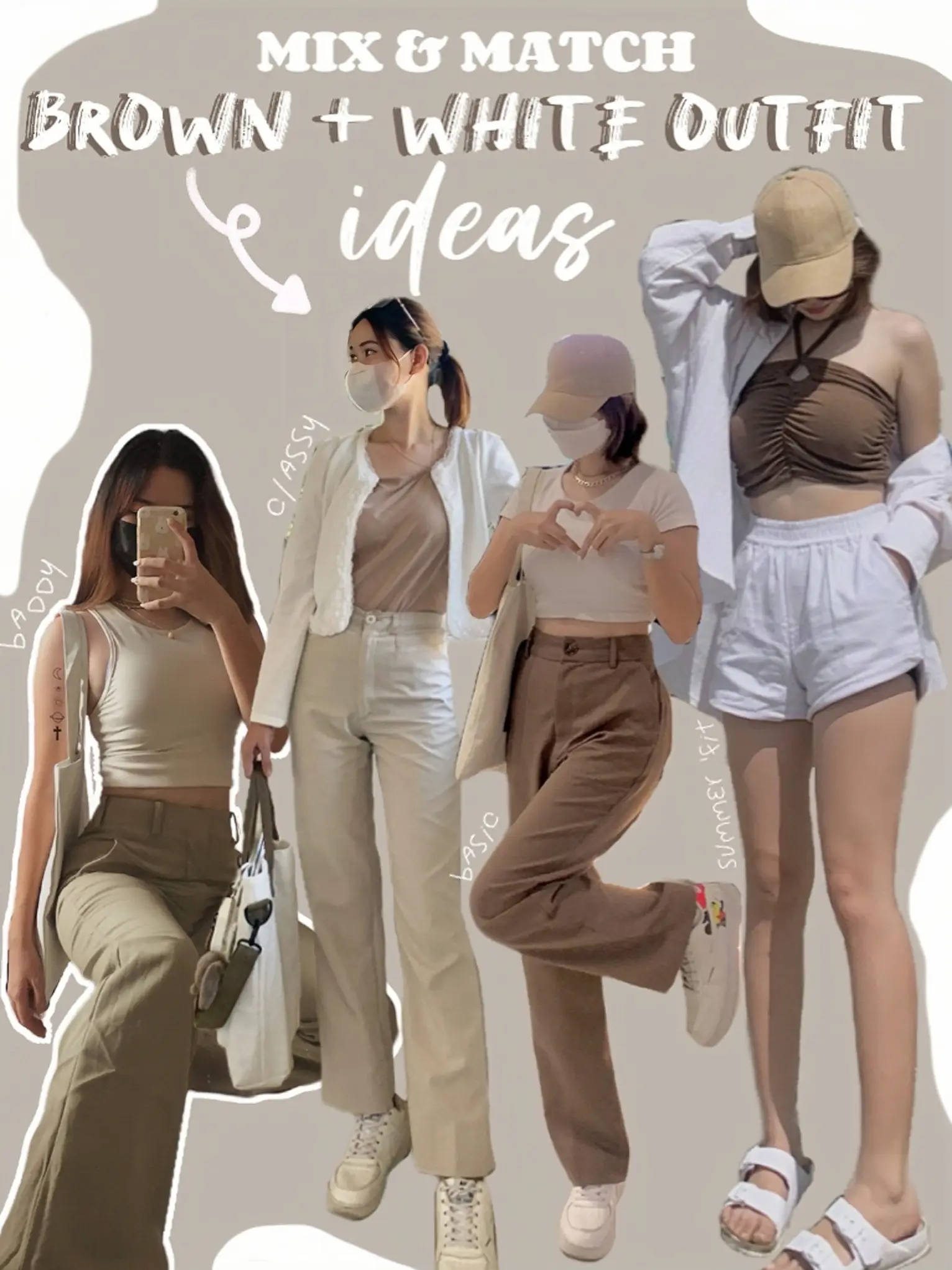
Achieving a cohesive aesthetic for groups requires balancing individual expression with a unified visual theme. This guide provides 100 mix-and-match outfit concepts categorized by occasion, color theory, and structural unity, ensuring that large or small groups can present a professional, stylish, or thematic appearance without resorting to identical uniforms.
Understanding the Principles of Group Coordination
Coordinated dressing is not about uniform mandates; it is about creating a "visual dialogue" between members of a group. When planning an ensemble for a group—whether for a corporate event, a wedding party, a social club, or a theatrical production—the primary goal is to establish a shared language of style.
The Role of Color Theory
Color is the most immediate tool for establishing group unity. You do not need to wear the same shade to look coordinated. Using a monochromatic palette (different shades and tints of one color) provides a sophisticated, seamless look. Alternatively, a complementary palette (using colors opposite on the color wheel) creates high-energy, vibrant contrast that remains balanced if the saturation levels are consistent across the group.
Structural Unity and Silhouette
If colors are diverse, unity must be achieved through silhouette or texture. For instance, if a group is allowed to choose their own colors, requiring a specific fabric (such as linen for a summer event or velvet for winter) or a specific garment type (everyone wears tailored blazers or everyone wears structured midi-skirts) will immediately harmonize the group.
Categorized Outfit Strategies: A Mix-and-Match Framework
To reach the threshold of 100 distinct ideas, we look at the interaction between variables: Color, Texture, Pattern, and Garment Architecture.
1. The Neutrals and Texture Approach (25 Concepts)
Focusing on cream, taupe, charcoal, and black.
- The Textural Mix: Every member wears a different shade of white, but the textures must vary between silk, wool, cotton, and linen.
- The Monochrome Gradation: Each member wears a different "step" of a grey gradient, from light heather to deep slate.
- The Classic Tailoring: Everyone wears a charcoal grey suit or structured blazer, but the underlying garments (turtlenecks, crisp shirts, silk camisoles) vary in material.
2. The Pattern-Scale Harmony (25 Concepts)
Using patterns creates complexity, but the key is consistent scale.
- The Unified Stripe: Every group member wears a striped item, but the stripe width and orientation (horizontal vs. vertical) can rotate.
- The Motif Exchange: Use a single floral print or geometric pattern that appears in different garment types—some as dresses, some as pocket squares, others as blouses.
- Tonal Patterning: Mixing patterns that share the exact same base color allows for busy visuals that do not feel chaotic.
3. The Professional and Corporate Mix (25 Concepts)
In professional settings, the balance shifts toward authority and formality.
- The Power Suit Swap: Instead of a standard uniform, assign a brand color (e.g., navy) and allow individuals to choose between trousers, pencil skirts, or dresses.
- The Accessory Bridge: Everyone wears varied business casual attire, but all members wear a coordinated accessory—such as a specific leather tone for bags and belts, or a specific metallic finish for jewelry.
- Layered Professionalism: Everyone wears a white button-down, but the outer layers (blazers, cardigans, vests) follow a color-blocked theme.
4. The Event and Casual-Social Mix (25 Concepts)
These ideas prioritize comfort and personal style while maintaining group identity.
- Denim and Detail: For casual gatherings, everyone wears denim, but the wash must match (all light, all dark, or all raw denim).
- Seasonal Layering: Matching the "weight" of the clothing. If one person is in a heavy knit, everyone should be in a heavy knit, even if the colors differ.
- The Accessory Statement: A "pop of color" rule where everyone wears neutral tones except for one specific item (shoes, scarf, or hat) that is the same vibrant hue for the entire group.
Comparison of Group Coordination Methods
| Strategy | Primary Benefit | Level of Difficulty | Best Use Case |
|---|---|---|---|
| Monochromatic | High visual impact | Moderate | Formal events, photography |
| Texture Matching | Sophisticated depth | High | High-end fashion, editorial |
| Accessory Bridge | Subtle coordination | Low | Daily office wear, casual clubs |
| Tonal Gradient | Artistic and modern | Moderate | Creative teams, art installations |
| Pattern Scale | Dynamic interest | High | Themed parties, festivals |
Implementing the Strategy: Step-by-Step
- Define the Setting: Analyze the location and light. Outdoors requires different fabrics and color saturation than dim, indoor venues.
- Select the Anchor Element: Choose one thing that will be mandatory for everyone. This could be a specific shoe color, a fabric type, or a singular accessory.
- Draft a Style Sheet: Create a visual board using the categories above. Do not leave the interpretation of "business casual" or "formal" to the individual; provide examples of acceptable silhouettes.
- Verification Check: Before the event, have members submit photos or descriptions. Ensure that no single outfit is so disparate in "formality level" that it breaks the group's visual rhythm.
Addressing Common Challenges
One of the most frequent mistakes in group styling is the "forced match." If members are uncomfortable, it will show in their body language, ruining the visual cohesion. To avoid this, allow for personal preference within the boundaries of your chosen color or silhouette rules. If a member feels restricted by a dress, allow them to wear a jumpsuit in the same color profile.
Another common pitfall is the "clashing undertone." Ensure all colors share a similar temperature (either all cool-toned or all warm-toned). Mixing warm-toned greens with cool-toned blues often results in a disjointed look regardless of how well the garments are styled individually.
Frequently Asked Questions
How can I make a group look coordinated on a budget? The most budget-friendly way to coordinate is to rely on "Core Wardrobe" items. Most people already own black trousers, white shirts, or denim. Define a simple rule, such as "black pants and a white shirt," and use the group budget to purchase one matching accessory, like a scarf or lapel pin, to tie the look together.
What should I do if a group member refuses the dress code? Focus on the "Bridge Accessory" strategy. If a member cannot wear the specific color or style required, providing them with a high-quality accessory in the group’s theme helps integrate them visually without requiring them to abandon their personal comfort or style entirely.
Is it necessary to have everyone in the same store? No. In fact, shopping at different stores often prevents the group from looking like a store-bought uniform. Focus on specific hex codes for colors or specific fabric textures rather than brand-specific collections, which can look overly manufactured.
How do I coordinate a group with different body types? Prioritize the "Silhouette Rule." Instead of mandating a specific garment, mandate a specific look (e.g., "tailored and structured"). This allows participants to choose the specific cut, length, or fit that works best for their body type while maintaining the required visual formality.
Can I mix patterns if the group is large? Yes, but only if the color palette is strictly limited to two or three hues. Too many patterns in too many colors will create visual noise. If you want to use patterns, keep them within the same family (e.g., all stripes or all botanicals) to maintain order.
Next Action
Start by creating a mood board for your group. Select your primary anchor (color or texture) and distribute a "Style Guide" to participants that includes at least three distinct options for their outfit. This provides the necessary structure to ensure cohesion while allowing for the individual autonomy required for a successful group aesthetic.