Achieving sustainable weight loss and noticeable results at home requires combining consistent daily habits, whole foods, hydration, and regular physical activity without relying on crash diets. This comprehensive guide outlines ten evidence-based strategies designed to help you optimize your metabolism, manage calorie intake, and establish healthy routines within your living environment.
1. Prioritize Whole, Unprocessed Foods and Nutrient Density
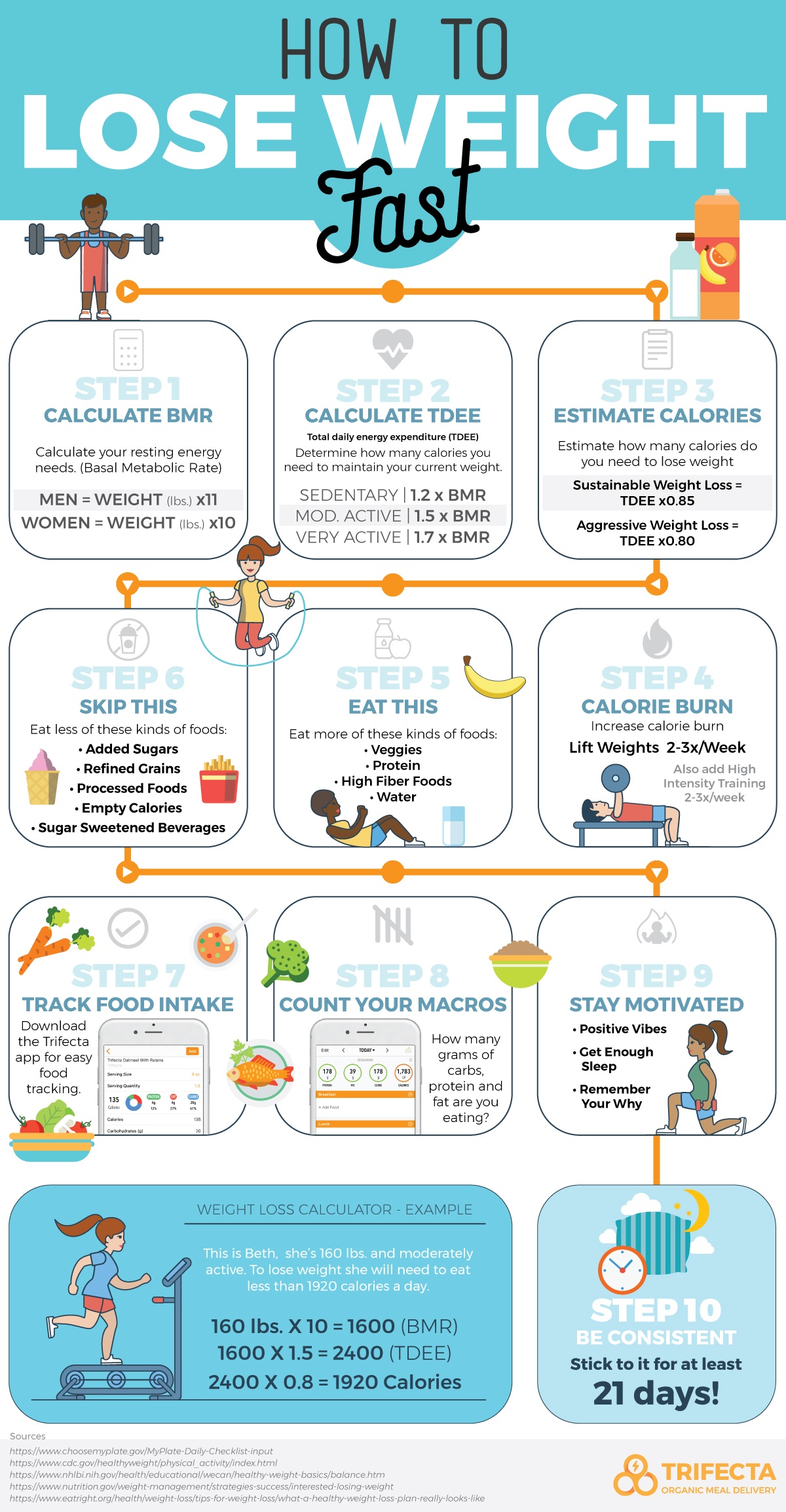
The foundation of any successful, natural weight loss journey begins in the kitchen. Transitioning away from ultra-processed, packaged foods that are high in refined sugars and hidden trans fats is the single most impactful dietary change you can make. Instead, focus your meals on whole foods that provide high nutrient density with fewer calories.
- Lean Proteins: Incorporate skinless poultry, fish, eggs, tofu, beans, and legumes into your daily diet. Protein requires more energy for your body to digest—known as the thermic effect of food—and helps maintain lean muscle mass during a calorie deficit.
- Fiber-Rich Carbohydrates: Choose vegetables, whole grains like oats, quinoa, and brown rice, and fresh fruits. Fiber slows down digestion, stabilizes blood sugar levels, and promotes prolonged satiety, preventing overeating later in the day.
- Healthy Fats: Include moderate amounts of monounsaturated and polyunsaturated fats from avocados, extra-virgin olive oil, nuts, and seeds to support hormone regulation and nutrient absorption.
By stocking your pantry and refrigerator with these foundational items, you eliminate the temptation of convenience snacks and make nutritious eating the path of least resistance at home.
2. Optimize Hydration with Water and Zero-Calorie Beverages
Thirst is frequently misinterpreted by the brain as hunger, leading to unnecessary caloric consumption throughout the day. Establishing a structured hydration routine is a simple, highly effective method to support natural weight management.
- Water Before Meals: Drinking a large glass of water approximately 15 to 30 minutes before a meal can naturally reduce portion sizes by promoting early feelings of fullness.
- Replace Sugary Drinks: Eliminate sodas, sweetened teas, energy drinks, and excessive fruit juices. These liquid calories provide no satiety and spike insulin levels rapidly.
- Enhance Flavor Naturally: If plain water becomes monotonous, infuse it with slices of lemon, cucumber, mint, or berries, or consume unsweetened green tea, which contains antioxidants and catechins that mildly support metabolic function.
3. Practice Mindful Eating and Portion Control
In a home environment, distractions such as television, smartphones, or computers often lead to mindless eating, where food is consumed rapidly without registering fullness cues.
- Minimize Distractions: Turn off screens during meals and sit at a dining table. Focus on the textures, flavors, and aromas of your food.
- Slow Down the Pace: Put your utensils down between bites and chew your food thoroughly. It takes approximately 20 minutes for your stomach to signal satiety to your brain.
- Use Smaller Tableware: Serving meals on smaller plates or bowls optical-illusions your brain into perceiving a larger portion, which naturally assists in reducing caloric intake without feelings of deprivation.
4. Establish a Structured Meal Schedule and Avoid Late-Night Snacking
Erratic eating patterns can disrupt your circadian rhythm and metabolic efficiency. Creating a predictable daily eating window helps regulate hunger hormones such as ghrelin and leptin.
- Do Not Skip Breakfast: If it aligns with your personal preferences, a protein-rich breakfast can stabilize morning blood sugar and prevent intense afternoon cravings.
- Define Your Eating Window: Many individuals find success by finishing their final meal or snack at least two to three hours before bedtime. Late-night eating is frequently driven by boredom or fatigue rather than true physiological hunger, and it can interfere with restorative sleep quality.
5. Implement Effective Home Workout Routines
You do not need a commercial gym membership or expensive machinery to stimulate fat loss. Bodyweight exercises, resistance bands, and household items can provide an intense, effective stimulus for your muscles and cardiovascular system.
- High-Intensity Interval Training (HIIT): Incorporate short bursts of maximum-effort bodyweight movements—such as jumping jacks, burpees, high knees, and mountain climbers—followed by brief recovery periods. HIIT maximizes calorie burn during and after the workout session.
- Resistance and Strength Training: Perform bodyweight squats, push-ups, lunges, and planks. Building and preserving muscle tissue is vital because muscle burns more calories at rest than fat tissue does.
- Daily Consistency: Aim for at least 150 minutes of moderate-intensity activity per week, broken down into manageable daily home sessions that fit seamlessly into your schedule.
6. Increase Non-Exercise Activity Thermogenesis (NEAT)
While structured workouts are important, they typically account for only a small fraction of your total daily energy expenditure. The majority of your daily calorie burn comes from NEAT—the energy expended for everything we do that is not sleeping, eating, or sports-like exercise.
- Move More Around the House: Take frequent breaks from sitting at your home desk. Stand up every hour, stretch, pace during phone calls, or perform light household chores like cleaning, gardening, or organizing.
- Increase Step Counts: Use a pedometer or smartphone tracker to monitor your daily steps. Aiming for 7,000 to 10,000 steps daily, even if achieved by walking indoors or pacing while listening to podcasts, significantly boosts caloric output over time.
7. Prioritize Sleep Hygiene and Circadian Rhythm Regulation
Sleep deprivation is a frequently overlooked obstacle in weight management. When you are chronically sleep-deprived, your body experiences hormonal imbalances: levels of ghrelin (the hunger hormone) increase, while levels of leptin (the satiety hormone) decrease.
- Maintain Consistent Sleep Schedules: Go to bed and wake up at the same time every day, even on weekends.
- Optimize Your Bedroom Environment: Keep your sleeping area dark, quiet, and cool (ideally around 65°F or 18°C).
- Limit Blue Light Exposure: Turn off smartphones, tablets, and computers at least 60 minutes before attempting to sleep, as blue light inhibits the natural production of melatonin.
8. Manage Stress and Mitigate Emotional Eating
Psychological stress triggers the release of cortisol, a hormone that increases appetite and promotes the storage of visceral fat, particularly in the abdominal region. Finding healthy ways to decompress at home is critical for sustained progress.
- Incorporate Mindfulness Practices: Dedicate 10 minutes a day to deep breathing exercises, meditation, or restorative yoga to lower cortisol levels.
- Identify Emotional Triggers: Recognize when you are reaching for food due to anxiety, boredom, or sadness rather than physical hunger. Substitute eating with non-food coping mechanisms, such as taking a short walk, reading a book, or taking a warm bath.
9. Track Your Progress Beyond the Bathroom Scale
Relying solely on a bathroom scale can be misleading and demoralizing due to daily fluctuations in water retention, sodium intake, and hormonal changes.
- Take Progress Photos and Measurements: Use a flexible tape measure to track your waist, hips, thighs, and arms every two weeks. Often, clothing will fit differently and inches will decrease even when the scale weight remains stable.
- Monitor Energy and Performance: Pay attention to qualitative markers, such as improved sleep quality, higher daily energy levels, increased strength during home workouts, and better digestive health.
10. Avoid Crash Diets and Focus on Sustainable Lifestyle Shifts
Extreme restriction, juice cleanses, and fad diets often yield rapid initial weight loss, but this is primarily water weight and muscle mass. These restrictive approaches invariably trigger metabolic slowdown, intense cravings, and subsequent weight regain (the yo-yo effect).
- Adopt the 80/20 Rule: Consume nutrient-dense, whole foods 80% of the time, while allowing yourself small, controlled portions of your favorite treats 20% of the time to maintain psychological balance.
- Focus on Habits, Not Quick Fixes: Real, natural fat loss is a gradual physiological process that requires patience. Treat your home environment as a laboratory for building lifelong healthy habits rather than seeking a temporary fix.
Summary of Home Weight Loss Strategies
| Strategy | Primary Mechanism | Recommended Implementation |
|---|---|---|
| Whole Foods | Increases thermic effect and fiber intake | Stock lean proteins, vegetables, and whole grains |
| Hydration | Suppresses false hunger cues; boosts metabolism | Drink 16 oz of water before meals |
| Mindful Eating | Prevents overeating via satiety signaling | Remove screens and chew food slowly |
| Home Workouts | Burns calories and preserves lean muscle mass | 150 minutes of HIIT/resistance per week |
| NEAT Increase | Maximizes daily non-exercise caloric burn | Stand hourly, pace, and increase daily steps |
| Sleep Quality | Regulates ghrelin and leptin hormones | 7–9 hours of consistent, dark-room sleep |
Frequently Asked Questions
How fast can I safely lose weight naturally at home?
Safe, sustainable natural weight loss typically ranges from 1 to 2 pounds per week. Rapid weight loss exceeding this threshold often results from the depletion of glycogen stores and loss of valuable muscle tissue rather than actual body fat reduction.
Do I need to cut out all carbohydrates to lose weight?
No, eliminating carbohydrates entirely is unnecessary and often counterproductive. The key is to choose complex, high-fiber carbohydrates—such as oats, legumes, and vegetables—while minimizing refined sugars and white flour products that cause rapid insulin spikes.
What is the best time of day to exercise at home?
The best time to exercise is whichever time allows you to remain most consistent. Whether you prefer an energizing morning routine to boost your metabolism or an evening session to relieve stress, consistency and effort matter far more than the exact hour on the clock.
How can I stop snacking late at night while watching television?
Late-night snacking is frequently driven by habit or boredom. You can break this cycle by brushing your teeth immediately after dinner, drinking herbal decaffeinated tea, or engaging your hands in an alternative activity like knitting, reading, or stretching.
Is it possible to spot-reduce belly fat with home exercises?
Spot reduction—the idea that you can lose fat from a specific area of your body by exercising those muscles—is a physiological myth. Core exercises like planks and crunches will strengthen and tone your abdominal muscles, but overall fat loss occurs systemically across the entire body through a consistent caloric deficit.