The International English Language Testing System (IELTS) remains the gold standard for global migration and academic enrollment. As of 2026, candidates must navigate a sophisticated digital infrastructure to secure their preferred testing window. This guide clarifies the booking process, regional availability, and the strategic differences between delivery formats to ensure your preparation aligns with your application timelines.
Navigating the 2026 Examination Calendar
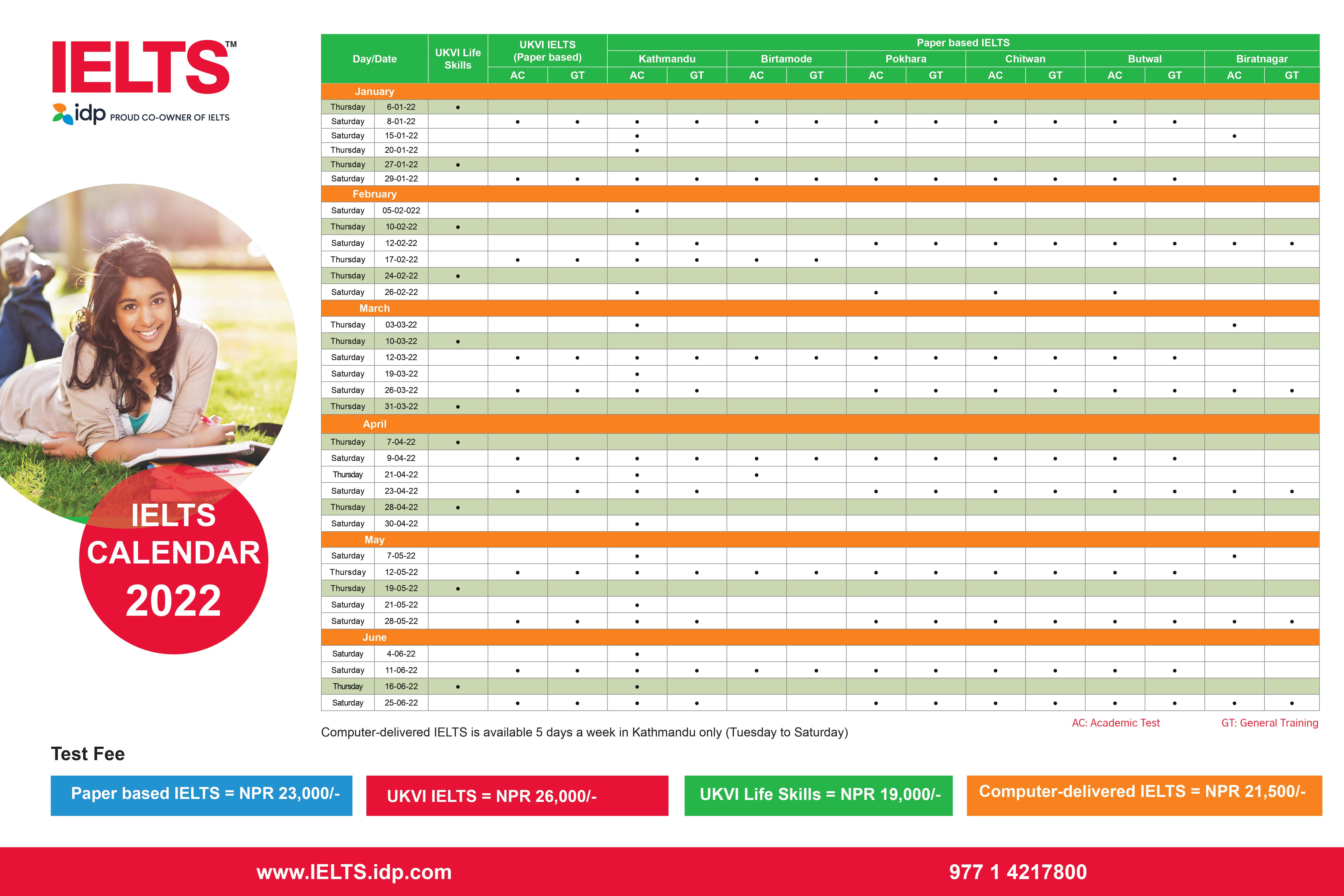
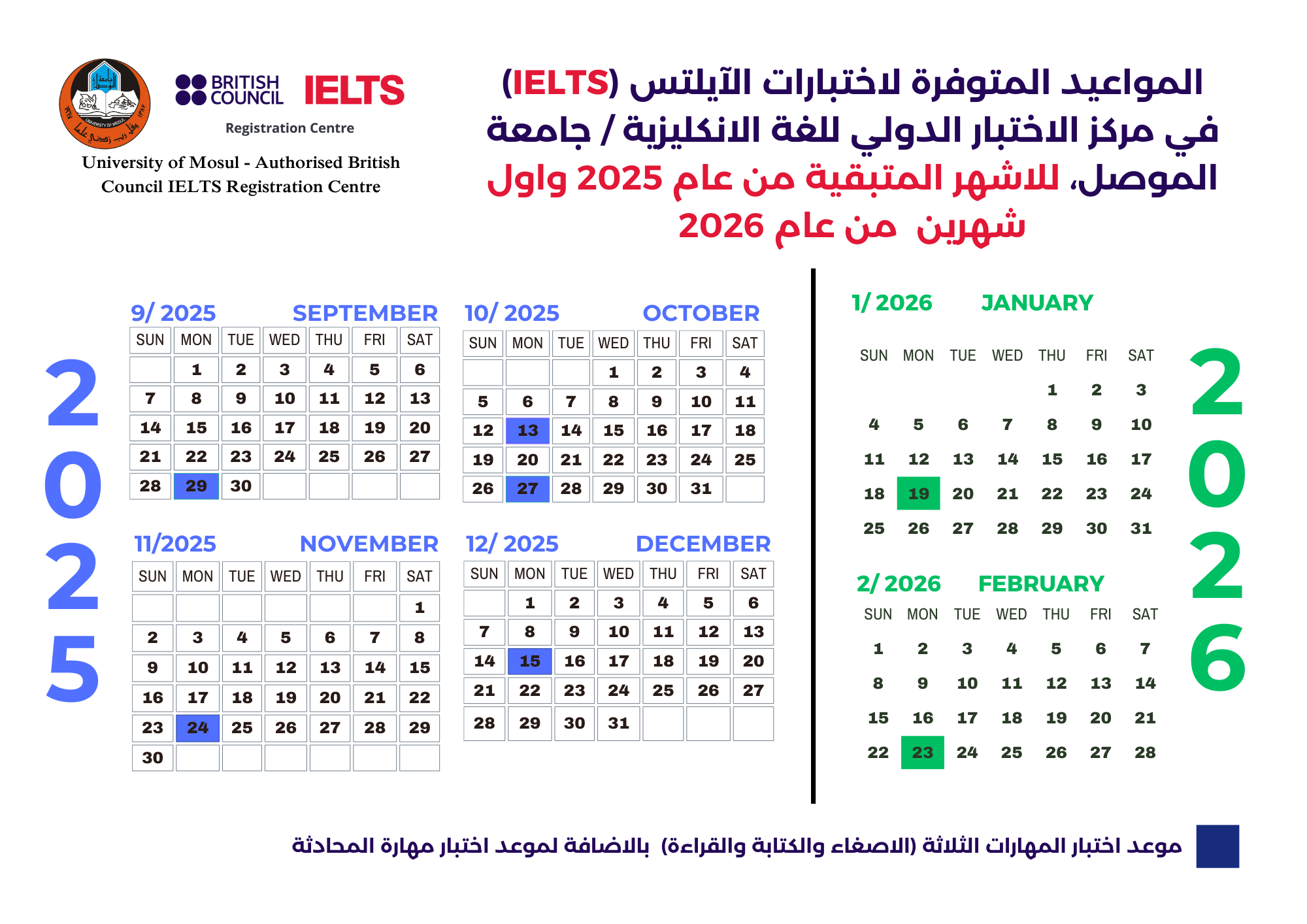
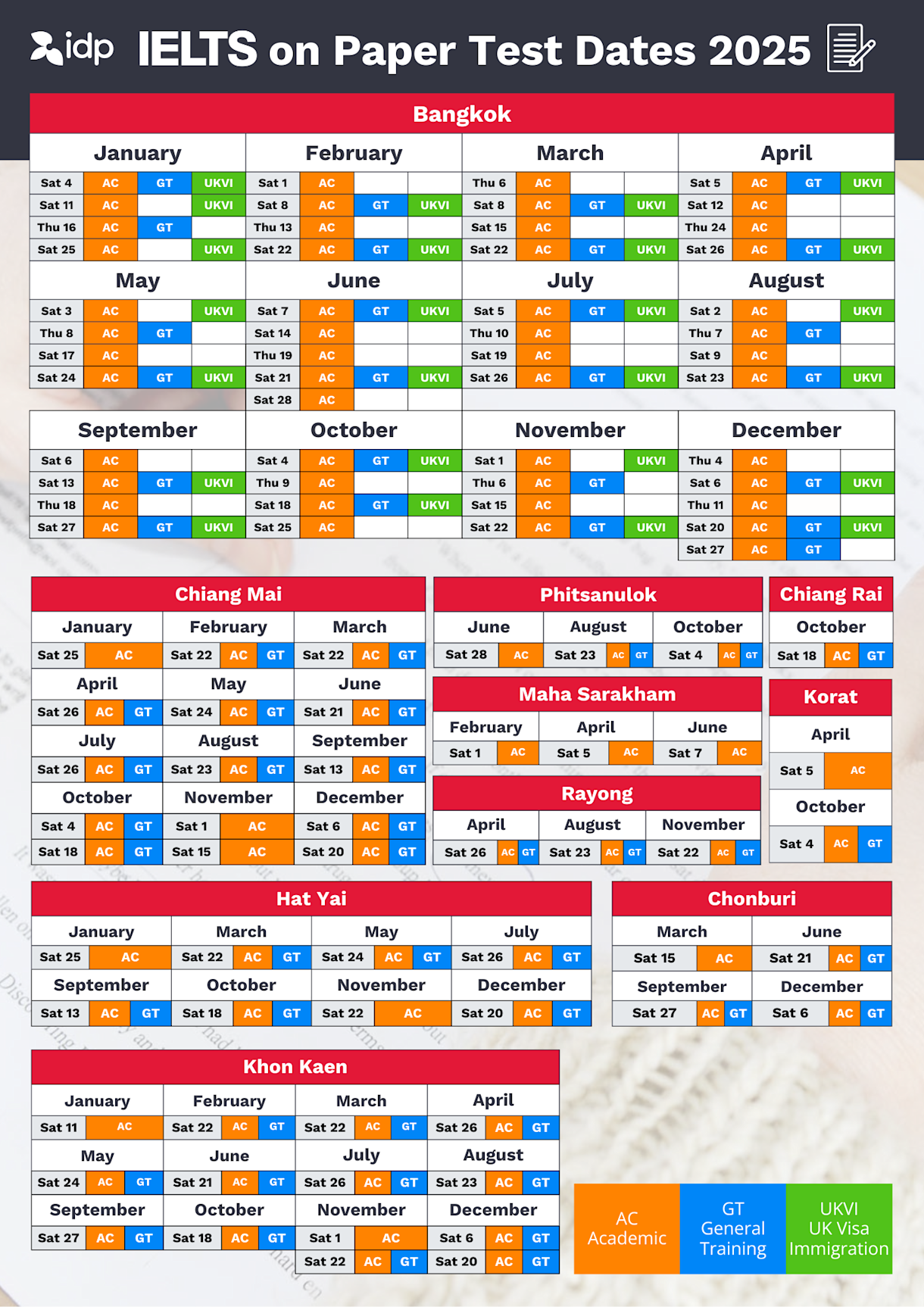
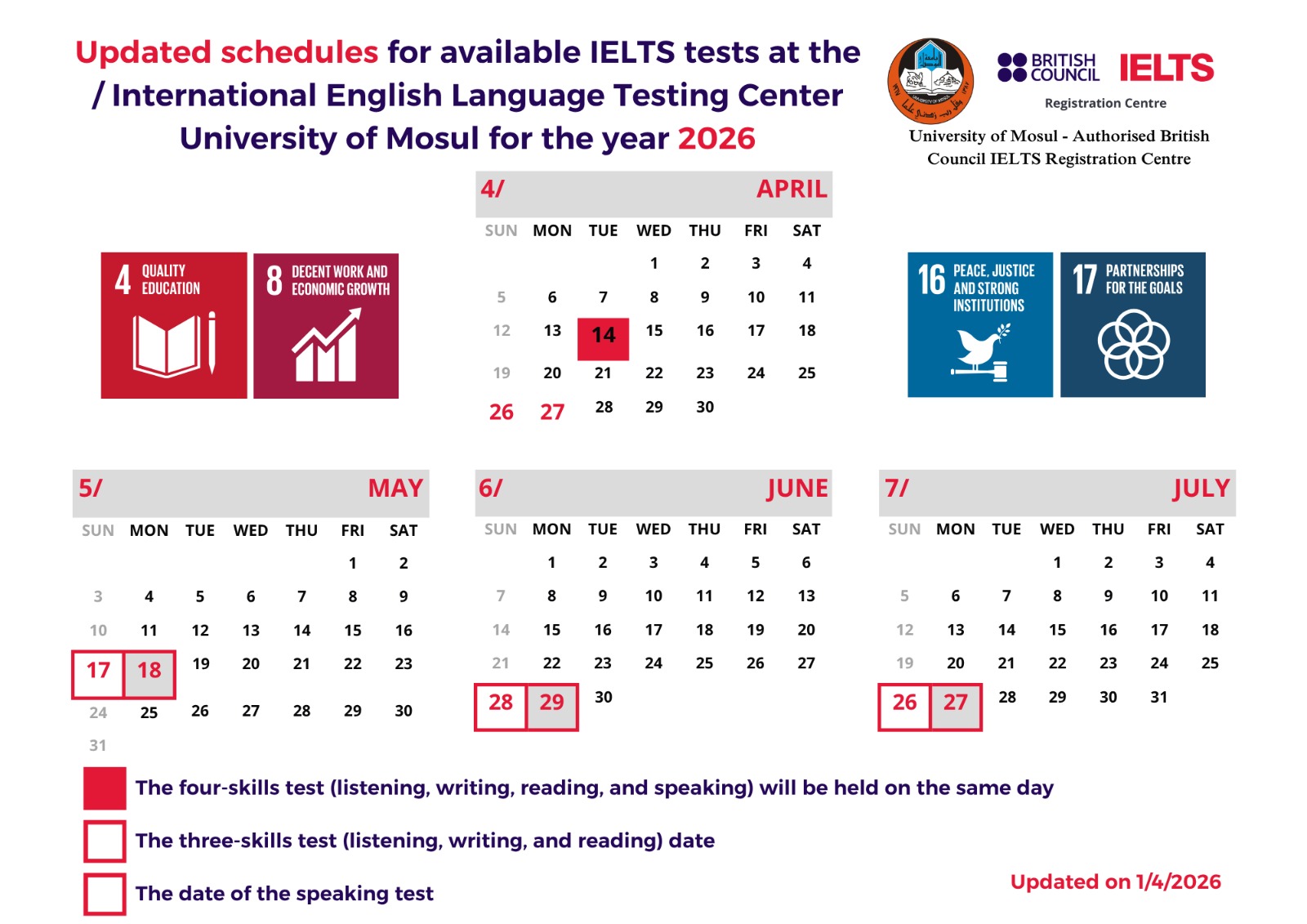
The IELTS examination schedule operates on a rolling basis, influenced by demand, location, and the chosen format. Because the test is administered by three primary partners—the British Council, IDP: IELTS Australia, and Cambridge University Press & Assessment—test centers are strategically located in major urban hubs globally.
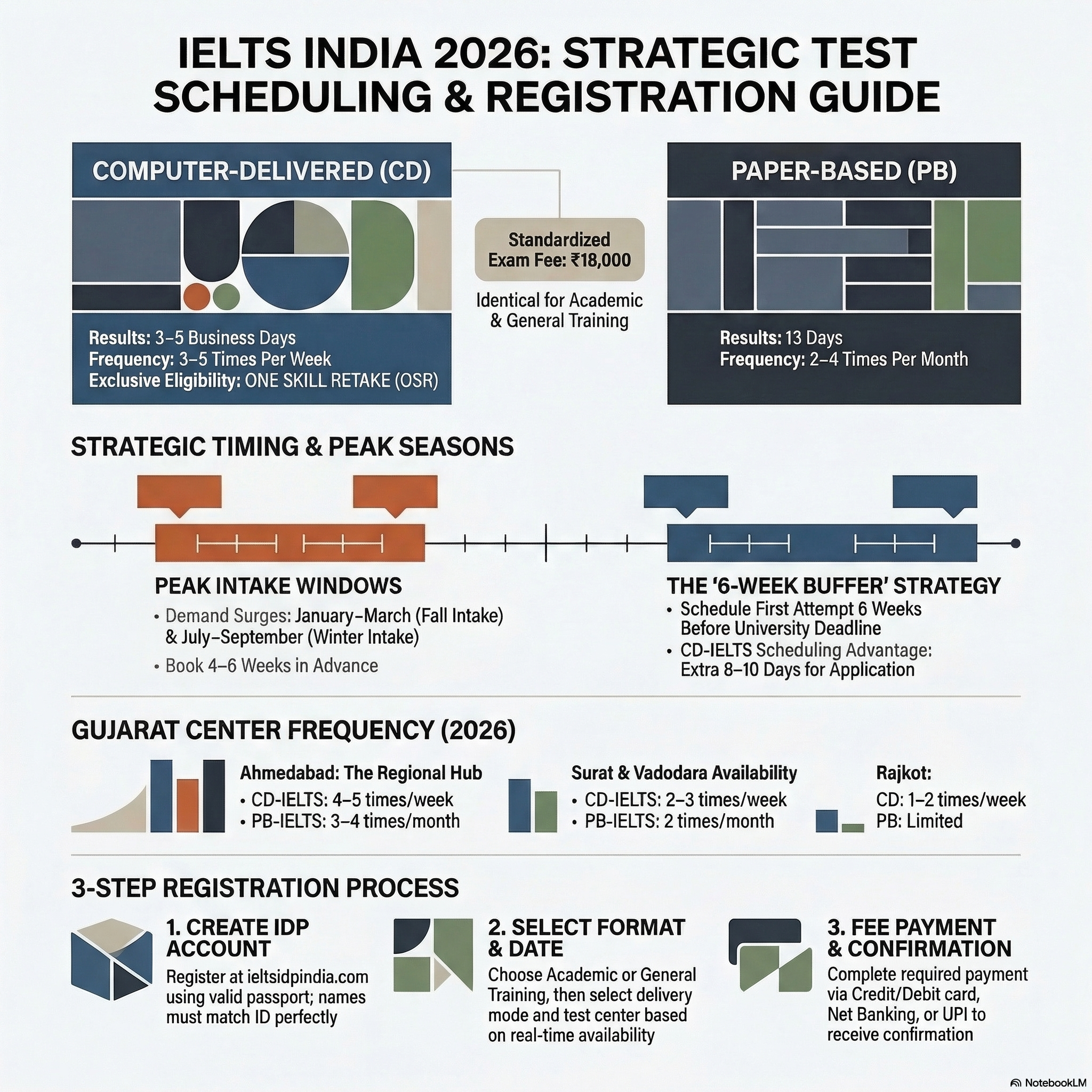
For 2026, test frequency has increased to accommodate the surge in international student mobility and skilled migration programs. Candidates should prioritize securing their seats at least 6 to 8 weeks before their application deadlines.
Critical Timing Strategy Peak Demand Periods University admissions cycles typically drive high demand for testing in the months of January through March and August through October. During these windows, slots fill rapidly. Administrative Buffer Always account for a two-week processing window for your Test Report Form (TRF) to be issued. If your immigration or university deadline is November 1, your final attempt should conclude no later than the second week of October.
Computer-Delivered vs. Paper-Based IELTS in 2026
The primary decision for any candidate is the choice of delivery format. While the test content, scoring criteria, and difficulty level remain identical, the logistical experience differs significantly.
Technical Comparison of Test Formats
| Feature | Computer-Delivered IELTS | Paper-Based IELTS |
|---|---|---|
| Writing Format | Typed on a keyboard | Handwritten with pen/pencil |
| Listening Format | Headsets provided | Shared speaker system |
| Results Turnaround | 3 to 5 calendar days | 13 calendar days |
| Speaking Test | Usually same day as other sections | Often scheduled on a separate day |
| Candidate Volume | Smaller, intimate test rooms | Larger, traditional classroom style |
The Computer-Delivered IELTS has become the preferred option for 2026, primarily due to the accelerated results reporting. If you are comfortable with basic word processing and prefer a quiet environment with noise-canceling headsets for the listening section, this format provides a significant tactical advantage.
Step-by-Step Registration Protocol
Securing an exam date is a multi-stage process that requires precision. Failure to provide accurate identification information can result in being barred from the testing room on the day of the exam.
- Verify Your Identification: Ensure your passport is valid for at least six months beyond your chosen 2026 test date. You will be required to upload a clear, color scan during the online registration portal.
- Access the Official Partner Portal: Navigate exclusively to the official IELTS websites managed by the British Council or IDP. Third-party aggregators often add surcharges or provide outdated calendar data.
- Select Your Module: Choose between IELTS Academic (for university admission) or IELTS General Training (for migration or work placement). Ensure you are selecting the correct module, as they are not interchangeable once the test has commenced.
- Choose Location and Modality: Filter by city to view local test centers. Confirm if your center is currently offering Computer-Delivered or Paper-Based options.
- Payment and Confirmation: Secure your seat by completing the payment via the secure gateway. You will receive an electronic confirmation containing your candidate number and the specific venue address.
Managing Test Day Logistics and Security
The IELTS examination in 2026 maintains rigid security protocols. On your test day, you must present the exact same passport used during the online registration. If you have renewed your passport between registration and the test date, you must contact the test center immediately to update your records, or you will be denied entry.
- Arrival Time: Plan to arrive at least 60 minutes before your scheduled start time. Late arrivals are strictly not permitted.
- Prohibited Items: Personal items, including mobile phones, smartwatches, and writing materials, must be placed in secure storage provided by the center.
- Biometric Verification: Expect to undergo fingerprint scanning and facial photography upon entry to verify your identity and prevent fraudulent test-taking.
Strategic Preparation for 2026 Test Standards
Preparation should be data-driven. Utilize the official 2026 practice materials provided by Cambridge. Avoid relying on unofficial forums or anecdotal "leaked" questions, as these are often misleading and fail to reflect the current scoring standards of the examiners.
Focus your practice on the specific 2026 assessment criteria:
- Lexical Resource: Diversify your vocabulary; move beyond basic descriptors to nuanced academic or professional terminology.
- Cohesion and Coherence: For the writing section, ensure your paragraphs transition logically. Examiners are increasingly penalizing "memorized" template responses that fail to address the specific prompt.
- Grammatical Range and Accuracy: In 2026, the focus has shifted toward natural usage rather than complex sentence structures that lack clarity.
Frequently Asked Questions
Can I change my test date after I have already booked it?
Yes, you can transfer your test date by contacting your test center. You must provide a formal request at least 5 weeks before the original date to avoid administrative penalties, though some centers offer limited flexibility for medical emergencies with valid documentation.
Is the IELTS test difficulty higher in 2026?
The difficulty level is standardized and remains consistent year-over-year. IELTS utilizes a rigorous benchmarking process to ensure that a band score achieved in 2026 carries the same weight as a score from previous years.
How often can I take the IELTS test?
There is no limit on the number of times you can take the IELTS. However, if you are not seeing improvement in your band score, it is recommended that you enroll in an authorized preparatory course rather than repeatedly booking new exam dates.
Are original documents required on test day?
Yes, you must bring the physical, original passport that you used for registration. Digital copies or expired passports will not be accepted, and you will be prohibited from testing without a refund.
What happens if I miss my test date due to illness?
If you fall ill, you must contact your test center within 5 working days of the test date. You will need to provide medical evidence, such as a doctor's certificate, to request a refund or a transfer to a later date.
Final Recommendations for Candidates
Success on the IELTS is a product of both linguistic capability and logistical planning. By choosing your 2026 test date early, selecting the format that best suits your technical comfort level, and adhering to the strict identity requirements, you minimize the risk of external stressors on the day of the exam. If you are applying for high-stakes programs, aim for a date that leaves you at least one month of contingency time for a potential retake.
Contact your local British Council or IDP center today to review the 2026 calendar and secure your seat.