The Hurley family, led by founder Bob Hurley, represents one of the most influential dynasties in the history of the global surf and action sports industry. Best known for founding the namesake "Hurley" brand in 1999, the family transformed a local Huntington Beach surfboard-shaping operation into a multi-billion-dollar global lifestyle powerhouse that eventually became a crown jewel in Nike’s portfolio before transitioning to new ownership.
The Origins of the Hurley Family Legacy
The story of the Hurley family is inextricably linked to the salt air and boardwalks of Huntington Beach, California. In the late 1970s, Bob Hurley established himself not as a corporate executive, but as a master craftsman. He was one of the industry's most sought-after surfboard shapers, creating high-performance boards for the world's elite surfers. This technical foundation in "hard goods" (the surfboards themselves) provided the family with a level of authenticity that many subsequent lifestyle brands struggled to replicate.
By 1982, Bob Hurley and his business partners saw an opportunity to move into "soft goods" (apparel). They secured the U.S. licensing rights for Billabong, an Australian surf brand that was then unknown in the United States. Over the next fifteen years, the Hurley family and their team were responsible for the meteoric rise of Billabong USA. They didn't just sell clothes; they sold a specific vision of Southern California cool that resonated globally.
However, by the late 1990s, a philosophical rift began to form. While Billabong was rooted in traditional surf culture, Bob Hurley envisioned a brand that embraced a broader spectrum of creativity, including music, art, and emerging sports like skateboarding and motocross. In 1998, the Hurley family made the high-stakes decision to let their Billabong license expire—effectively walking away from a $100 million-a-year business—to launch their own brand: Hurley International.
The Strategic Pivot: The Birth of "Hurley" (1999)
The launch of Hurley in 1999 was a watershed moment in the action sports industry. The family’s approach was built on the mantra of "Freedom of Choice." They recognized that the modern youth was not "just a surfer" or "just a skater," but a multi-faceted individual influenced by punk rock, hip-hop, and DIY art.
Key Family Members and Their Roles
The success of the brand was a true family effort, with Bob’s children taking on pivotal roles as they matured:
- Bob Hurley (Founder): The visionary and face of the brand, focusing on high-level strategy and maintaining the company's "soul."
- Jeff Hurley (Creative/Business Development): Played a critical role in the brand’s aesthetic and its expansion into new retail channels.
- Ryan Hurley (Creative Director): Instrumental in the technical design of products, most notably the development of the "Phantom" boardshort line.
- Cheryl Hurley (Co-founder/Support): Bob’s wife, who provided the foundational support and family-first culture that defined the company’s internal operations.
This family-centric management style allowed Hurley to move faster than its corporate competitors. They signed athletes like a young John John Florence and supported bands like Blink-182, cementing the brand at the intersection of performance and pop culture.
The Nike Era: Integrating Family Values with Corporate Might
In 2002, the Hurley family made another industry-shaking move by selling the brand to Nike, Inc. At the time, many feared that the "Swoosh" would dilute the brand's authentic surf roots. Instead, the partnership became a gold standard for corporate acquisitions.
Nike allowed the Hurley family to continue running the brand with significant autonomy from their headquarters in Costa Mesa. In return, Hurley gained access to Nike’s massive R&D budget and supply chain expertise. This era saw the introduction of the Hurley Phantom Boardshort, which utilized Nike's "Nike Skin" technology. These shorts were lighter, stretchier, and dried faster than anything else on the market, winning the SIMA (Surf Industry Members Association) "Boardshort of the Year" for several consecutive years.
Under the Nike umbrella, the Hurley family oversaw a period of unprecedented global expansion. They sponsored the US Open of Surfing in Huntington Beach, turning it into the world's largest action sports festival. The family remained the heart of the brand, ensuring that even as a subsidiary of a Fortune 500 company, Hurley felt like a community-driven entity.
The 2019 Transition and the End of an Era
In late 2019, Nike announced the sale of Hurley to Blue Star Alliance, a brand management firm specializing in licensing. This marked a definitive shift for the Hurley family. Unlike the Nike acquisition, which focused on performance and athlete support, the Blue Star model prioritized licensing the name to various third-party manufacturers.
Shortly after the sale, the Hurley family—including Bob, Jeff, and Ryan—officially departed the company they had built over two decades. This departure led to a significant "exodus" of top-tier talent and professional athletes from the brand. For the first time since 1999, the Hurley family was no longer at the helm of the "H" logo.
The Impact on the Surf Industry
The family's exit signaled the end of the "Big Three" era (Quiksilver, Billabong, and Hurley) as family-run or founder-led entities. The industry shifted toward a licensing-heavy model, leaving a vacuum for new, family-owned, and athlete-driven brands to fill.
Where the Hurley Family Is in 2026
As of 2026, the Hurley family has returned to their roots while exploring new entrepreneurial horizons. After a brief period of "retirement" following the 2019 sale, the family has remained active in the Huntington Beach community and the broader surf world.
Bob Hurley Surfboards (BHS)
Bob Hurley has returned to the shaping bay. Under the label Bob Hurley Surfboards, he has focused on high-end, custom-shaped boards, reclaiming his status as one of the world's premier craftsmen. This venture is a deliberate move away from mass-market retail and back toward the "hard goods" that started the family legacy.
New Ventures and Mentorship
Jeff and Ryan Hurley have been involved in various consulting roles and new lifestyle ventures that focus on sustainability and high-performance apparel. The family’s current focus in 2026 is on quality over quantity, leveraging their decades of experience at both the boutique and corporate levels to mentor the next generation of surf entrepreneurs.
Technical Evolution of Hurley Brand Eras
To understand the Hurley family's impact, one must look at how the business model and product focus shifted under their leadership versus the current landscape.
| Feature | Billabong License Era (1982–1998) | Independence & Nike Era (1999–2019) | Post-Family/Blue Star Era (2020–2026) |
|---|---|---|---|
| Primary Leadership | Bob Hurley | Bob, Jeff, and Ryan Hurley | Blue Star Alliance (Licensing) |
| Innovation Focus | Market Entry & Branding | Technical Performance (Phantom Tech) | Brand Accessibility & Volume |
| Marketing Strategy | Core Surf Culture | Global Multi-Sport/Music Synergy | Mass-Market Retail Licensing |
| Core Product | Screen-printed Tees & Trunks | High-Tech Boardshorts & Wetsuits | Lifestyle Apparel & Accessories |
| Athlete Relations | Emerging Pro Team | World-Class Elite Roster | Reduced Athlete Spend/Regional |
The Disambiguation: Other Notable "Hurley Families"
While the surf-brand Hurleys are the most dominant search intent regarding business and lifestyle, readers should be aware of two other prominent families that share the name:
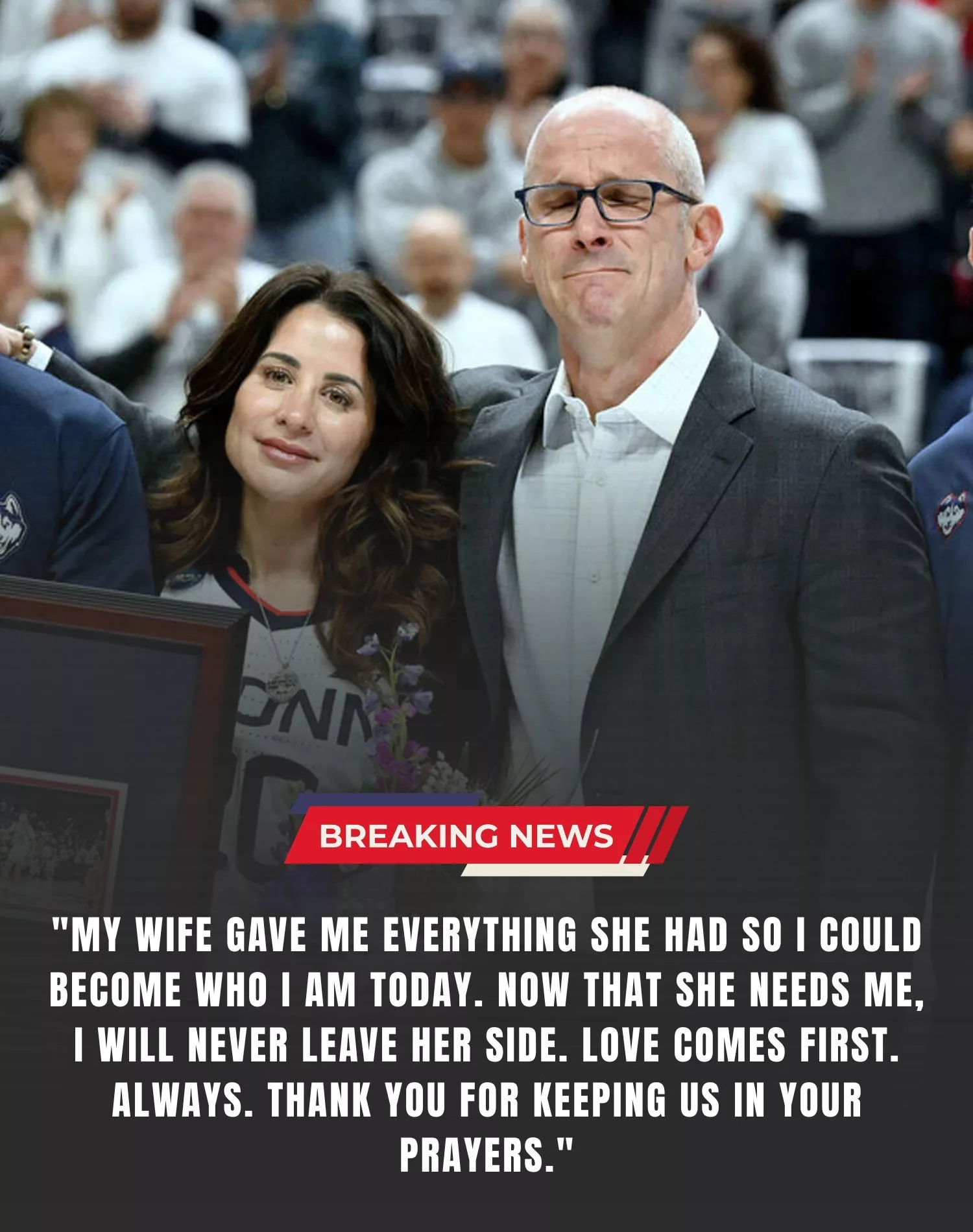
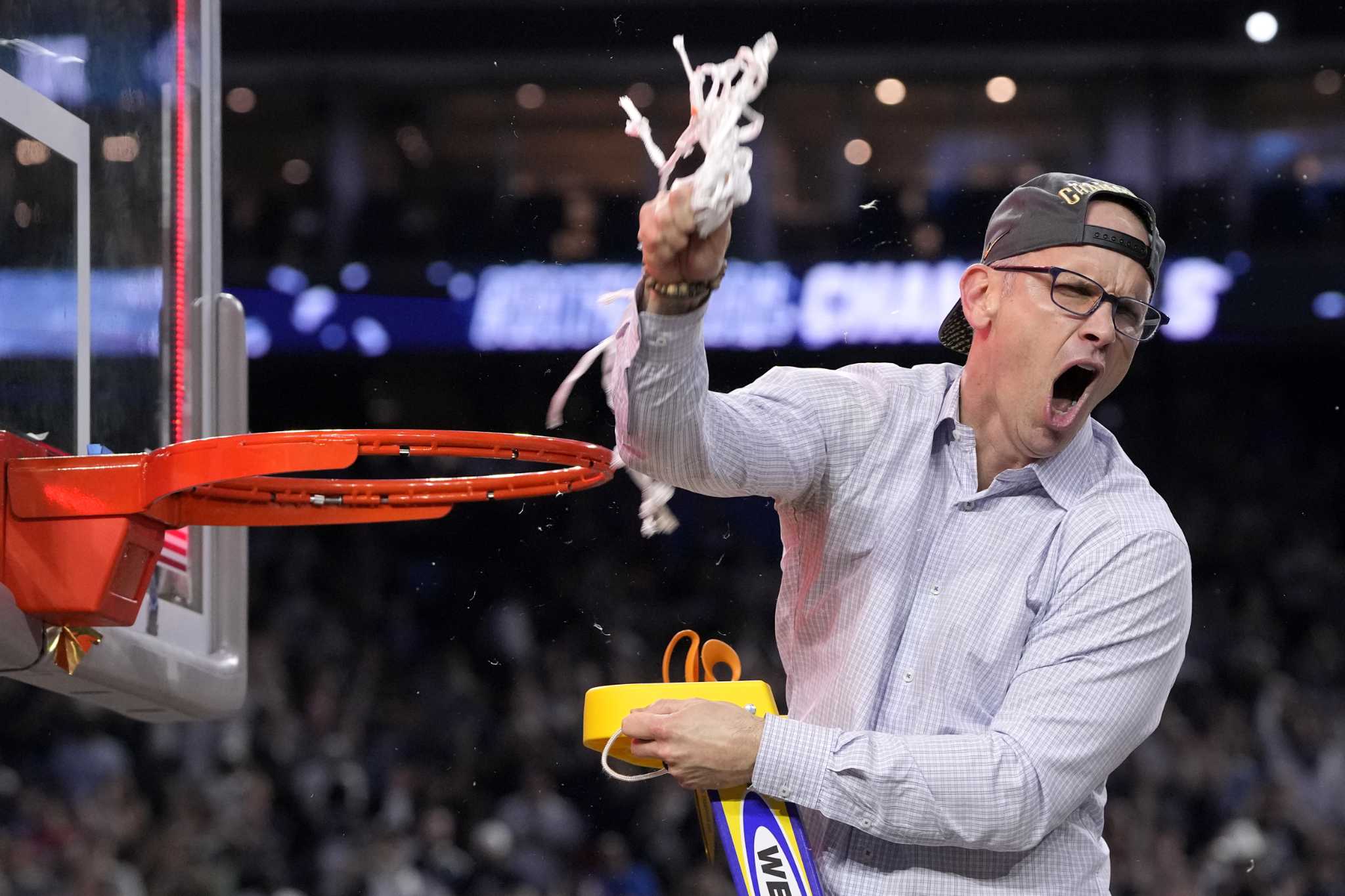
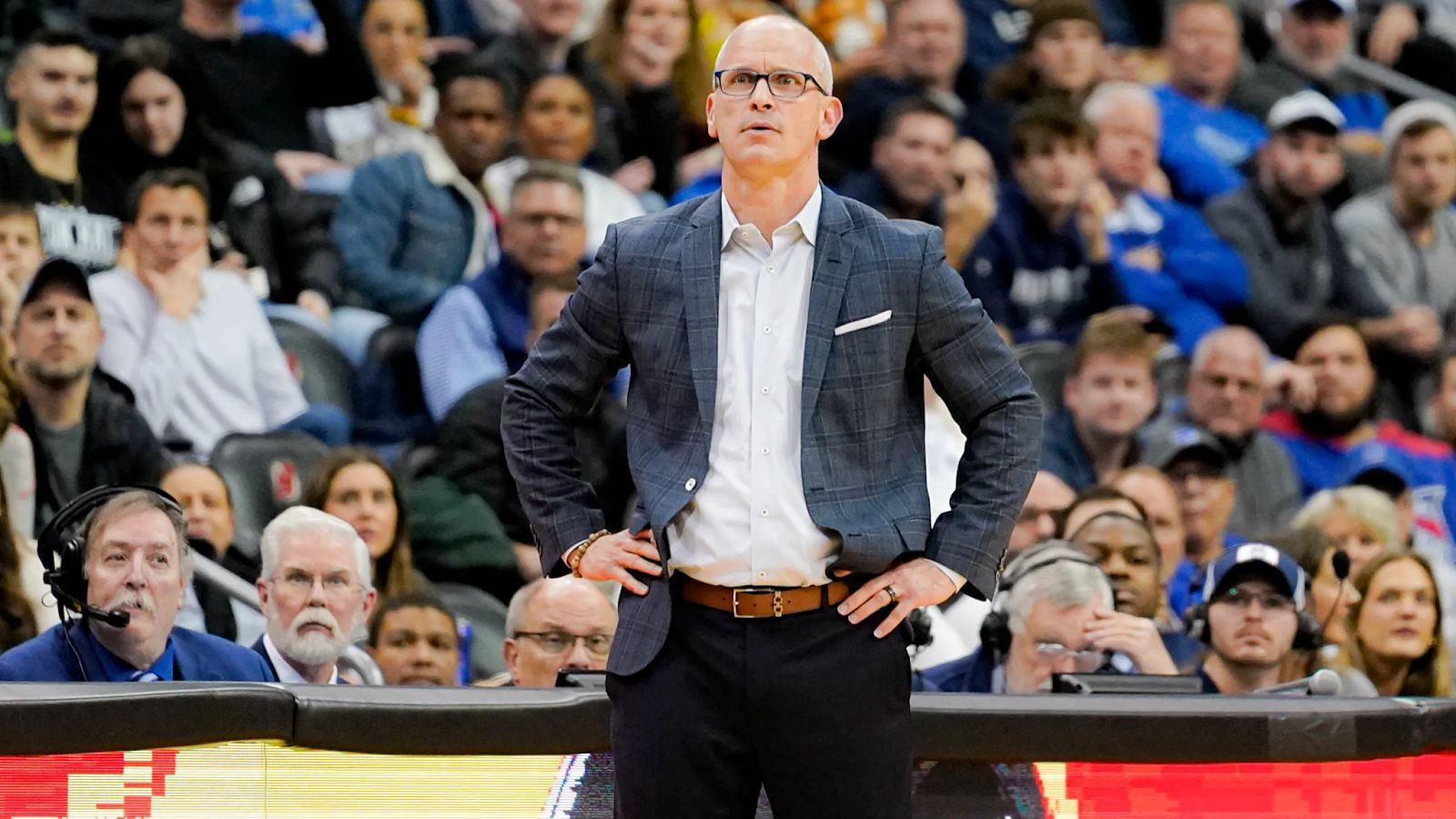
- The Basketball Hurleys: Led by Hall of Fame coach Bob Hurley Sr. (St. Anthony High School), this family includes Bobby Hurley (Arizona State coach/former NBA player) and Dan Hurley (UConn coach). They are considered the "first family" of American college basketball coaching.
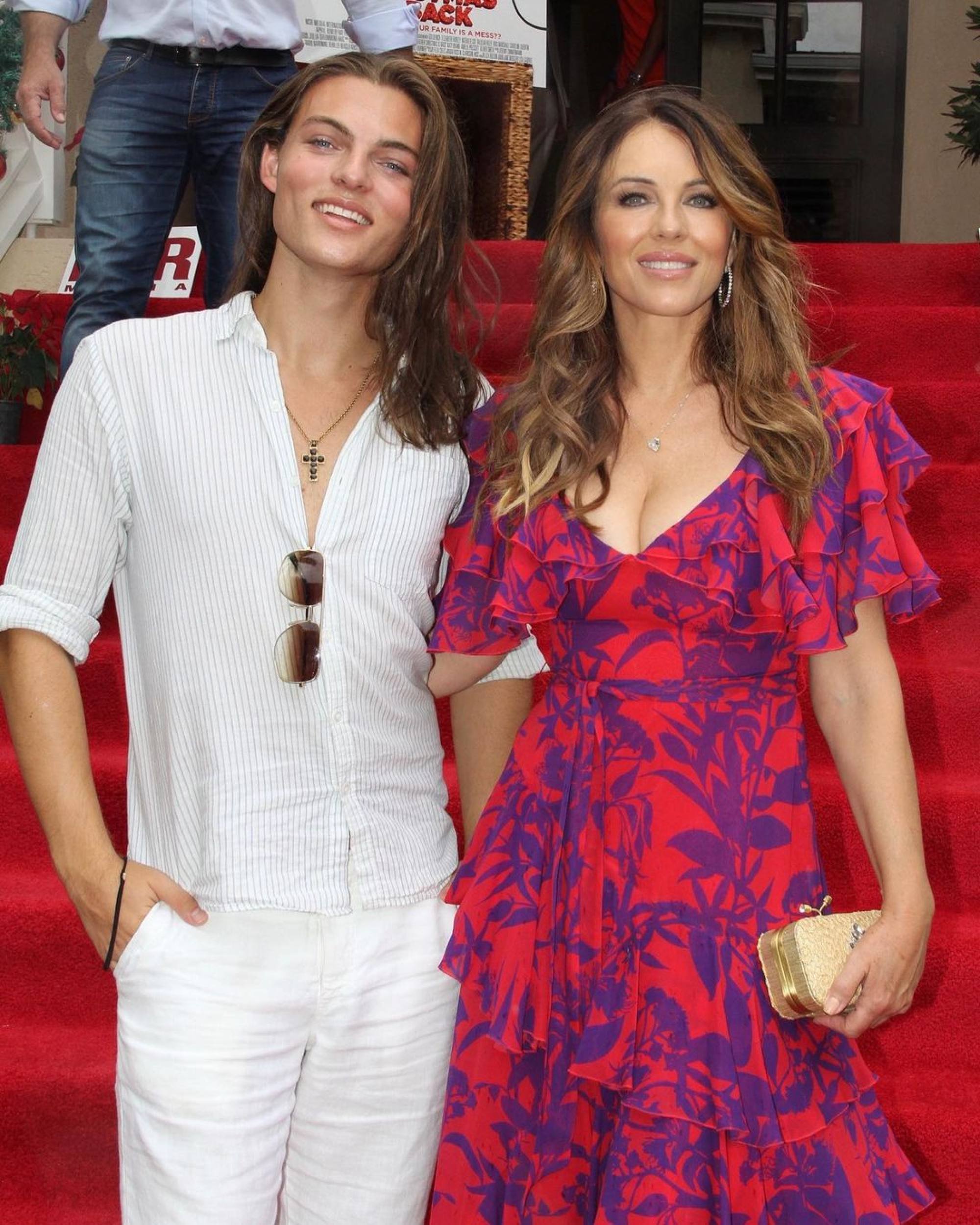
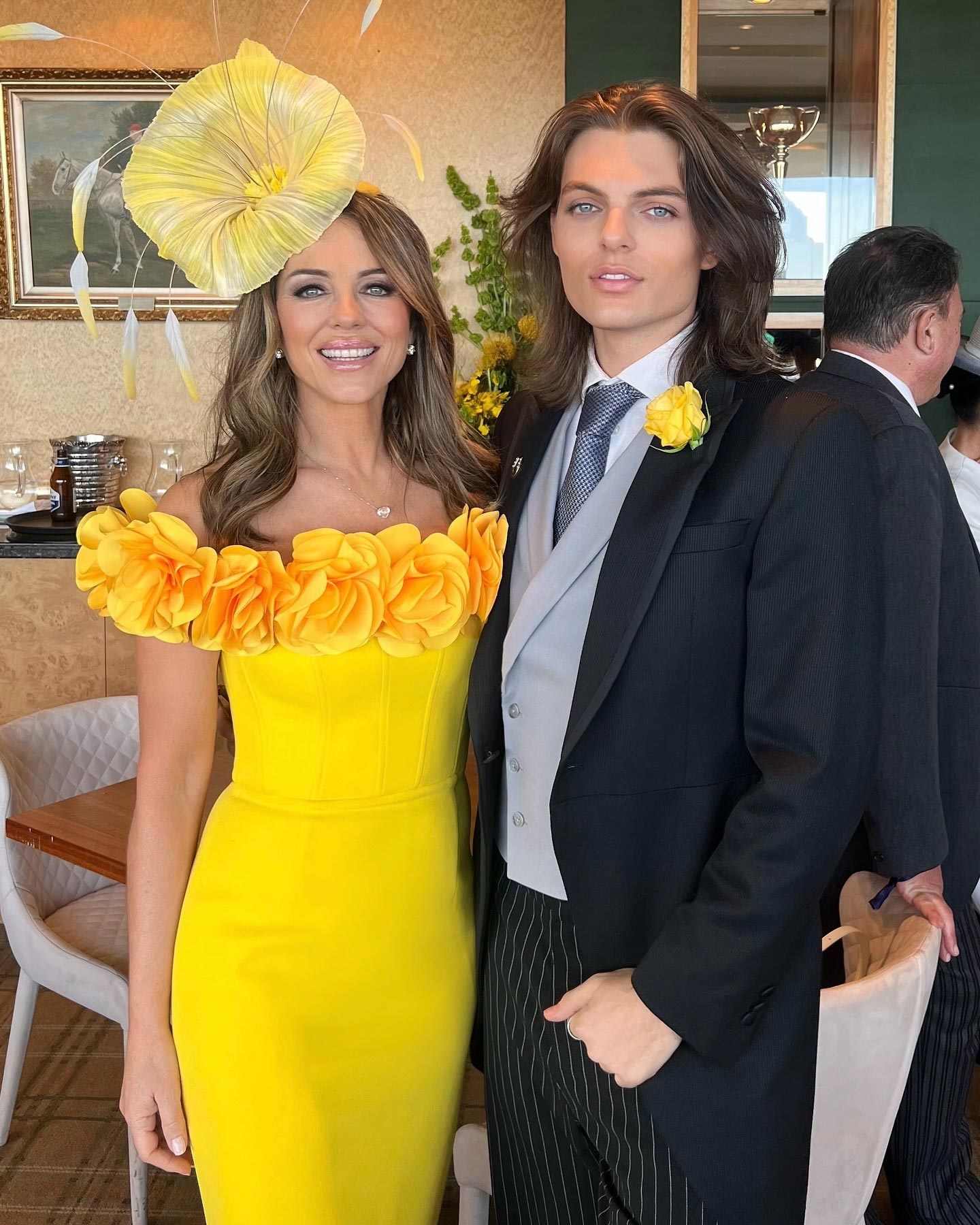
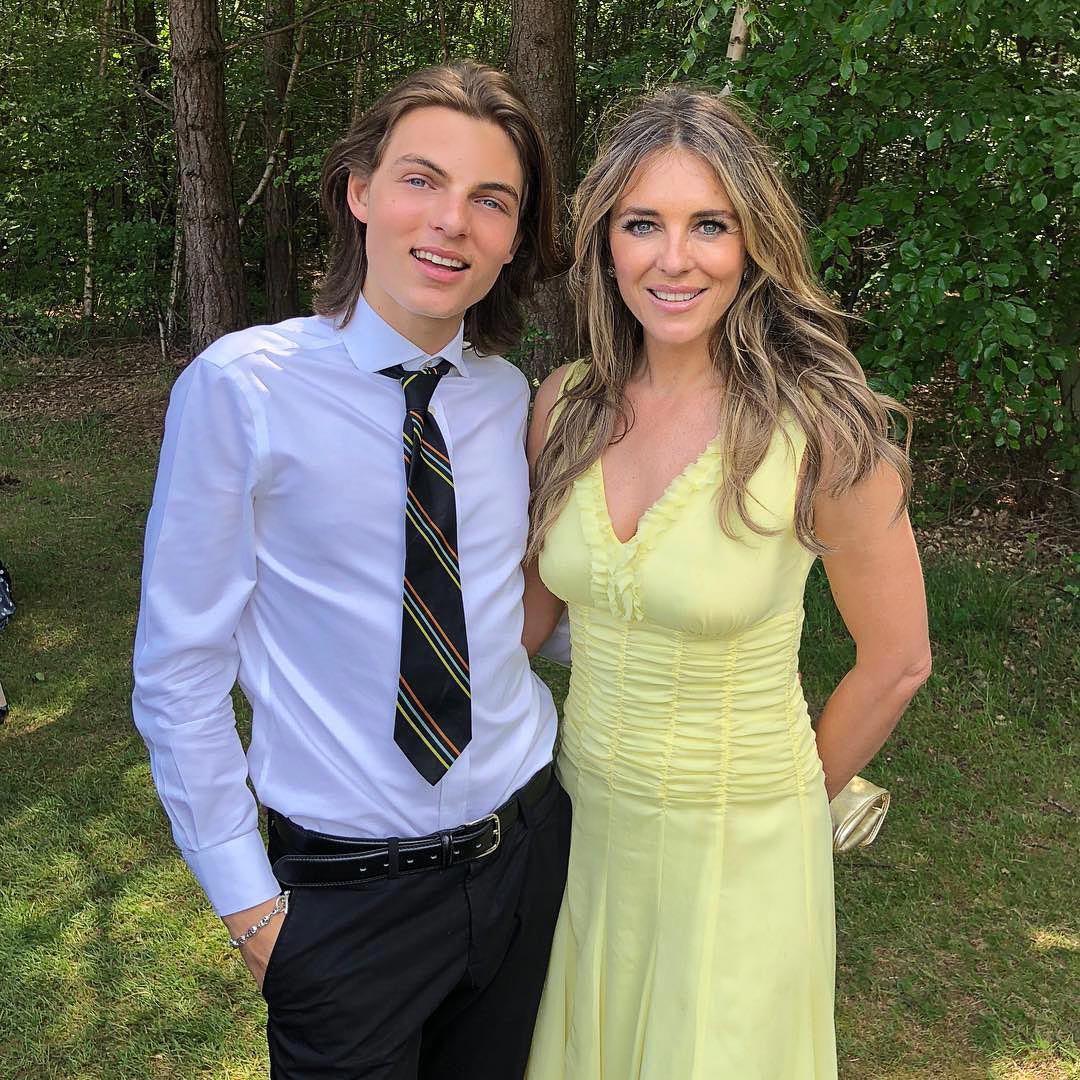
- The Elizabeth Hurley Family: Centered around the British actress and model Elizabeth Hurley and her son Damian Hurley, who is a prominent model and actor in his own right.
For the purposes of industry, branding, and California history, the "Hurley Family" almost exclusively refers to the founders of Hurley International.
Analyzing the Hurley Methodology: What Made Them Different?
The Hurley family’s success was not accidental; it was based on three technical pillars that set them apart from other family-owned businesses:
- Vertical Knowledge: Because Bob Hurley began as a shaper, he understood the technical requirements of the athlete. He wasn't just a garment manufacturer; he was a tool-maker for surfers.
- Cultural Agility: The family was remarkably adept at spotting cultural shifts. They were among the first to realize that surf brands needed to embrace the "sidewalk surfing" (skating) and music scenes to survive the late 90s.
- The "Family First" Corporate Culture: Employees at Hurley during the Nike era frequently cited the "Hurley House" vibe. This created immense brand loyalty among staff, which translated into a cohesive marketing message that consumers could feel was authentic.
Common Questions About the Hurley Family
Is the Hurley family still involved with the Hurley brand?
No. Following the sale to Blue Star Alliance in late 2019, Bob Hurley and his sons Jeff and Ryan left the company. The brand is now operated through various licensing agreements that do not involve the founding family’s management or creative direction.
What is the "Hurley House"?
The Hurley House was both a literal and figurative concept. Historically, it referred to the company’s headquarters in Costa Mesa, which featured indoor skate ramps, music studios, and a shaping bay. It represented the family’s commitment to providing a creative sanctuary for athletes and artists rather than a traditional corporate office.
How did the Hurley family influence boardshort technology?
Through the leadership of Ryan Hurley and the collaboration with Nike's innovation labs, the family launched the Phantom boardshort. It introduced four-way stretch fabrics and ultrasonic welding (seamless construction) to the surf world, which significantly reduced chafing and increased performance for professional surfers.
What is Bob Hurley doing now in 2026?
Bob Hurley has primarily returned to his roots as a surfboard shaper. He operates a boutique surfboard business, focusing on artisanal quality and custom designs, often working with long-time friends and legendary surfers in a more personal, craft-focused capacity.
Are the basketball Hurleys related to the surf Hurleys?
There is no direct family relation between the Bob Hurley of the surf industry (California-based) and the Bob Hurley Sr. of the basketball world (New Jersey-based). They represent two distinct "dynasties" in their respective fields.
Practical Recommendations for Following the Hurley Legacy
If you are a business owner or a student of brand history, the Hurley family provides a masterclass in brand transition. Their ability to move from a licensee to an independent brand, and then into a corporate subsidiary without losing their "cool," is rare.
- Study the Nike-Hurley Acquisition: For those in M&A (Mergers and Acquisitions), this case study shows how a larger entity can successfully preserve the "DNA" of a smaller, cult-status brand by allowing the founding family to maintain creative control.
- Support Artisan Craft: To experience the original "Hurley" magic in 2026, look toward the family's new boutique ventures, such as Bob Hurley’s custom surfboards, which offer the technical precision that mass-produced licensed goods often lack.
- Monitor Brand Evolution: Keep an eye on the "post-family" era of lifestyle brands. The transition of Hurley to a licensing model is a common trend in 2026, and comparing it to the founder-led era provides valuable insights into how brand equity is built versus how it is harvested.