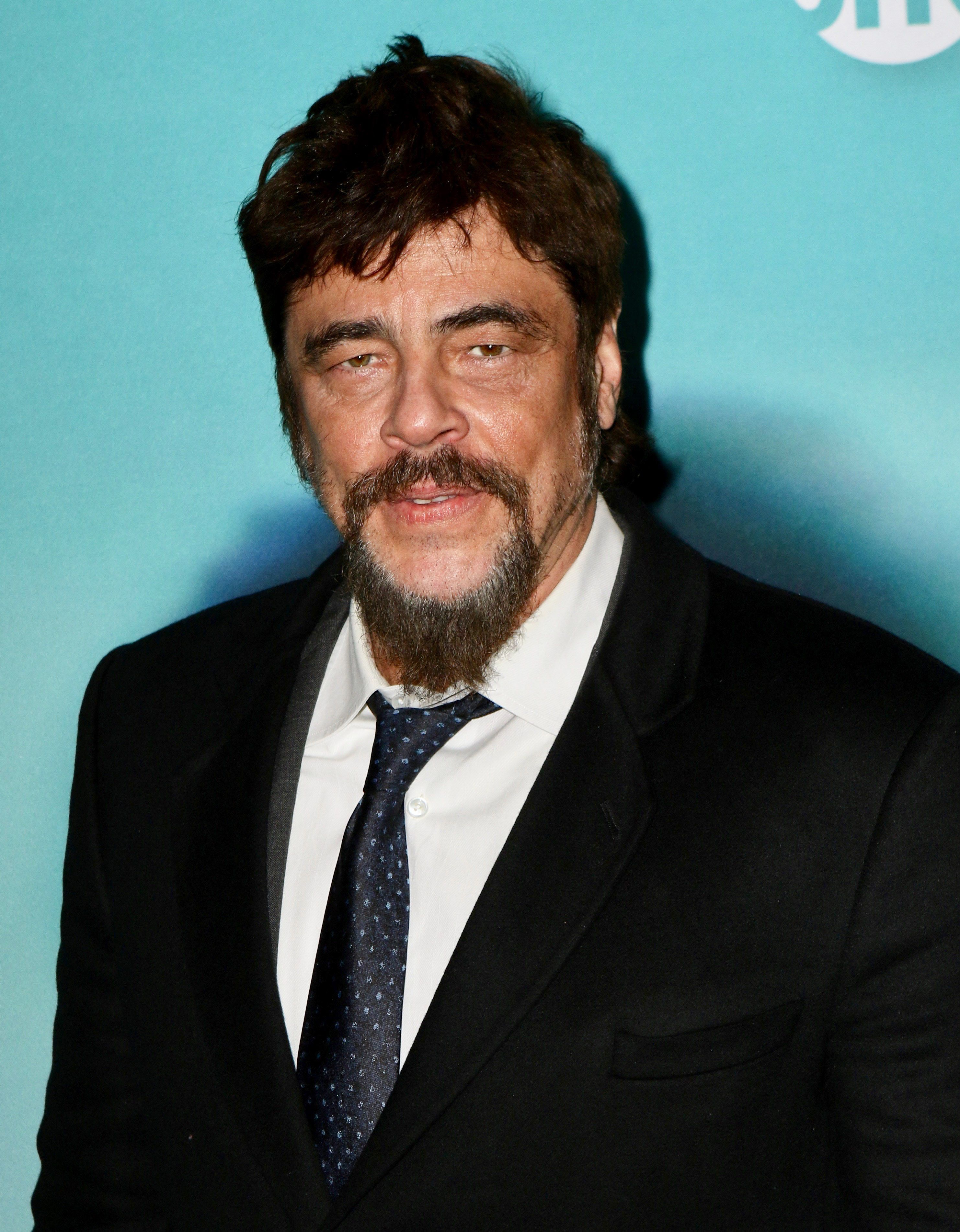
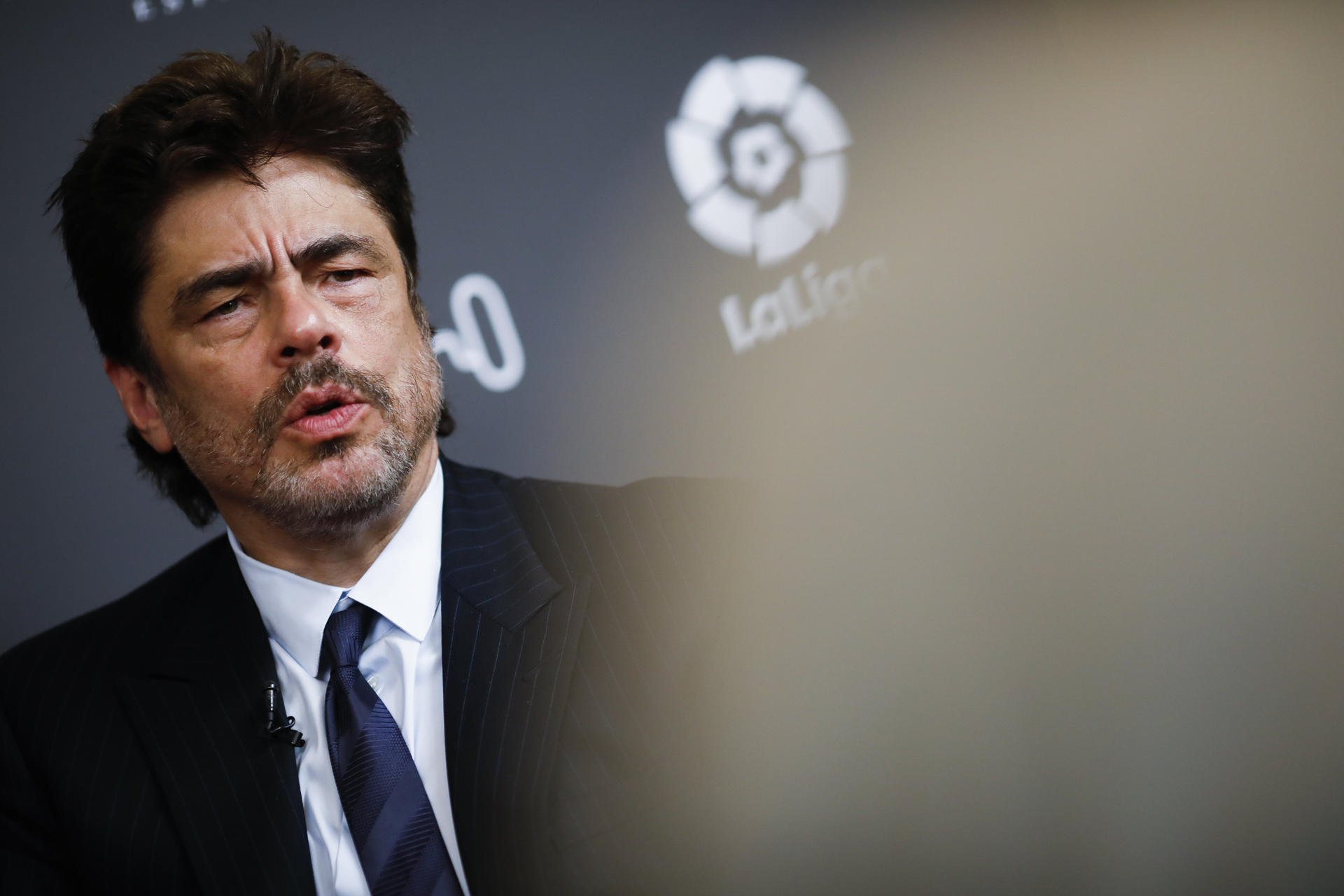
Benicio del Toro and Guillermo del Toro are not related by blood, marriage, or family lineage. Despite sharing a prominent surname and both being titans of the film industry, Benicio is from Puerto Rico and Guillermo is from Mexico. They represent distinct artistic disciplines, with Benicio excelling as an Academy Award-winning actor and Guillermo as an Academy Award-winning director.
The confusion regarding their potential family ties is a recurring topic in Hollywood circles, primarily fueled by their identical surnames and their roughly simultaneous rise to international prominence during the late 1990s and early 2000s. In the Spanish-speaking world, "del Toro" (literally translating to "of the bull") is a relatively common toponymic surname. While both men have expressed mutual respect for each other’s work, their family trees are entirely separate, originating from different geographic and cultural backgrounds within Latin America.
The Origin of the Confusion: Surnames and Shared Success
In the entertainment industry, shared surnames often imply a dynasty—think of the Coppolas, the Hudsons, or the Skarsgårds. However, the case of the "Two del Toros" is more akin to the "Two Andersons" (Paul Thomas and Wes) or the "Two Scotts" (Ridley and Tony, who actually were brothers, vs. other Scotts).
Benicio del Toro was born Benicio Monserrate Rafael del Toro Sánchez on February 19, 1967, in San Germán, Puerto Rico. His family background is deeply rooted in the Puerto Rican legal and medical professions. Conversely, Guillermo del Toro Gómez was born on October 9, 1964, in Guadalajara, Jalisco, Mexico. His upbringing was influenced by a traditional Mexican Catholic environment and a father who was an automotive entrepreneur.
The synchronization of their careers added to the public’s assumption of a relationship. Around the time Benicio was winning an Oscar for Traffic (2000), Guillermo was gaining international acclaim for The Devil’s Backbone (2001). By the time 2026 arrived, both had solidified their statuses as icons, making the "family ties" question a staple of search engine queries and red-carpet interviews.
Benicio del Toro: A Career Built on Intensity and Versatility
Benicio del Toro’s career is defined by a chameleon-like ability to disappear into roles, often characterized by a brooding intensity and a unique physical presence. As of 2026, his filmography stands as a testament to the longevity of a character actor who successfully transitioned into a leading man.
Early Breakthroughs and Method Acting
Benicio first caught the industry's attention with his eccentric performance as Fred Fenster in The Usual Suspects (1995). His decision to give the character a nearly unintelligible mumble was a bold creative choice that signaled his commitment to unconventional character choices. This was followed by a transformative role in Fear and Loathing in Las Vegas (1998), where he gained substantial weight to play Dr. Gonzo, showcasing a dedication to method acting that drew comparisons to a young Marlon Brando.
The Academy Award and Critical Acclaim
The turning point for Benicio came with Steven Soderbergh’s Traffic. His portrayal of Javier Rodriguez, a conflicted Mexican police officer, earned him the Academy Award for Best Supporting Actor. This was a historic win, as he was one of the few actors to win an Oscar for a primarily Spanish-speaking role.
In the decades following, Benicio has balanced blockbuster roles with gritty indie dramas. His work in the Sicario franchise (2015–2018) remains a career highlight, where he played Alejandro Gillick, a mysterious and lethal operative. His involvement in the Marvel Cinematic Universe (MCU) as The Collector and his role in the Star Wars saga as DJ further expanded his global reach.
Career Status in 2026
By 2026, Benicio del Toro has moved into a "legacy phase," focusing more on producing and selecting roles that offer psychological depth. He remains a sought-after talent for directors who require a mix of gravitas and unpredictability. His recent work in prestige television and limited series has allowed him to explore long-form storytelling, proving that his screen presence has only sharpened with age.
Guillermo del Toro: The Visionary Architect of Monsters
Guillermo del Toro is widely regarded as one of the most imaginative directors of the 21st century. His work is characterized by a deep love for "creature features," religious iconography, and the intersection of childhood innocence with horrific reality.
From Special Effects to Directing
Unlike many directors who start in theater or writing, Guillermo began his journey in special effects and makeup. He spent a decade as a special effects makeup designer and formed his own company, Necropia. This technical foundation is evident in every film he directs; his monsters are rarely just CGI, but tangible, meticulously designed entities.
The Spanish Civil War and Dark Fantasy
Guillermo’s most critically acclaimed period arguably began with his informal "Spanish Civil War trilogy," which includes The Devil’s Backbone and the masterpiece Pan’s Labyrinth (2006). The latter won three Academy Awards and is frequently cited as one of the best fantasy films ever made. It showcased his ability to use the supernatural as a lens through which to view the traumas of human history.
Mainstream Success and Oscar Gold
Guillermo successfully navigated the world of big-budget Hollywood with Hellboy, Pacific Rim, and Blade II. However, his crowning achievement came with The Shape of Water (2017), a poetic romance between a mute janitor and an aquatic creature. The film won the Academy Award for Best Picture and earned Guillermo the Oscar for Best Director. He followed this with a dark, stop-motion reimagining of Pinocchio (2022), which won the Oscar for Best Animated Feature.
Artistic Philosophy in 2026
In 2026, Guillermo del Toro continues to be a champion for practical effects and the preservation of cinema history. His "Cabinet of Curiosities" approach to filmmaking—collecting ideas, sketches, and monsters—has influenced a new generation of genre directors. He remains a prolific producer, helping international filmmakers bring their idiosyncratic visions to life under his mentorship.
Comparing the "Del Toro" Powerhouses
While they are not related, comparing their career statistics and industry impact reveals why they are often grouped together in the public consciousness.
| Feature | Benicio del Toro | Guillermo del Toro |
|---|---|---|
| Place of Birth | San Germán, Puerto Rico | Guadalajara, Mexico |
| Primary Discipline | Acting / Producing | Directing / Writing / Producing |
| Key Directorial Style | N/A | Dark Fantasy, Gothic Horror, Monsters |
| Famous Performance | Javier Rodriguez (Traffic) | N/A (Director) |
| Signature Visuals | Brooding, physical intensity | Elaborate sets, clockwork, practical monsters |
| Major Awards | 1 Oscar, 1 BAFTA, 1 Golden Globe | 3 Oscars, 3 BAFTAs, 2 Golden Globes |
| Net Worth (Est. 2026) | $50 Million | $45 Million |
| MCU Involvement | The Collector (Actor) | Creative Consultant (Early stages) |
Financial Analysis: Net Worth and Assets in 2026
Both men have amassed significant wealth through decades of high-level work in the film industry. Their financial portfolios are reflective of their different roles within the Hollywood ecosystem.
Benicio del Toro's Wealth
As of 2026, Benicio del Toro’s net worth is estimated to be approximately $50 million. His wealth is derived from several sources:
- Acting Salaries: For major franchise films (Marvel, Star Wars), Benicio has commanded salaries in the mid-seven figures.
- Backend Deals: As a seasoned actor, he often negotiates a percentage of the "backend" or gross profits on independent films that become sleeper hits.
- Residuals: A steady stream of income from his iconic films being licensed to streaming platforms like Netflix, Max, and Disney+.
- Real Estate: He owns several properties in Los Angeles and Puerto Rico, which have appreciated significantly in value.
Guillermo del Toro's Wealth
Guillermo del Toro’s net worth in 2026 is estimated at $45 million. His financial structure differs slightly from Benicio’s:
- Production Deals: Guillermo has lucrative multi-year deals with streaming giants (notably Netflix) to produce and direct original content.
- Writing and Licensing: As a creator, he earns significant income from book deals (such as the Strain trilogy) and licensing his original characters for merchandise and collectibles.
- The "Bleak House" Collection: While an asset rather than liquid cash, Guillermo’s massive collection of film memorabilia, books, and art housed in his "Bleak House" is worth millions of dollars.
- Directorial Fees: As an "A-List" director, his fees per project are substantial, often accompanied by significant creative control and a share of the profits.
Why Have They Never Collaborated?
One of the most frequent questions asked by cinephiles is why Benicio and Guillermo have not worked together on a major project. In various interviews throughout the years, both have expressed a desire to find the "right" project.
The lack of collaboration is largely due to their specific niches. Guillermo often works with a recurring troupe of actors (such as Doug Jones or Ron Perlman) who are specialized in creature performance or specific gothic archetypes. Benicio, meanwhile, tends to gravitate toward crime dramas, noir, and character studies that often fall outside the "monster-centric" worlds Guillermo builds.
However, in the industry, their paths have crossed. They move in the same elite circles and have been seen supporting each other at various festivals and awards ceremonies. As of 2026, rumors often circulate about a potential adaptation of a classic noir novel where Guillermo would direct and Benicio would lead, but no such project has reached the production stage.
The Cultural Impact of the Del Toro Name
The success of both Benicio and Guillermo has been instrumental in shifting the perception of Latin talent in Hollywood. Rather than being pigeonholed into stereotypical roles, both men have commanded respect as "auteurs" of their respective crafts.
Benicio’s win for Traffic was a watershed moment for Puerto Rican actors, proving that a performance delivered largely in Spanish could resonate with the American Academy. Guillermo, as part of the "Three Amigos" of Mexican cinema (alongside Alfonso Cuarón and Alejandro G. Iñárritu), helped spark a "Mexican New Wave" that has dominated the Academy Awards for over a decade.
FAQs About the Del Toro Family Myth
Are Benicio and Guillermo del Toro brothers?
No, they are not brothers. Benicio was born in Puerto Rico and Guillermo was born in Mexico. They do not share any immediate or known distant ancestors.
Does Benicio del Toro have any famous relatives?
Benicio comes from a family of lawyers and doctors. His father, Gustavo Adolfo del Toro Bermúdez, and his mother, Fausta Genoveva Sánchez Rivera, were both lawyers. He does have a brother, Gustavo, who is a successful pediatric oncologist in New York.
Who is Guillermo del Toro's wife?
Guillermo del Toro was married to Lorenza Newton for over 30 years before they divorced in 2017. He later married film historian and screenwriter Kim Morgan in 2021.
Have Benicio and Guillermo ever won an Oscar in the same year?
While they have both won multiple awards throughout their careers, they have not won Oscars in the same year. Benicio won in 2001, while Guillermo's major wins occurred in 2018 and 2023.
Is Benicio del Toro still acting in 2026?
Yes, Benicio del Toro remains active in 2026. He has transitioned into more "statesman" roles in cinema, often serving as a producer on the projects he stars in to ensure creative integrity.
What is the most famous movie by Guillermo del Toro?
While The Shape of Water won Best Picture, many critics and fans consider Pan’s Labyrinth (2006) to be his most enduring and culturally significant work.
Summary of Findings and Next Actions
If you are a fan of either Benicio or Guillermo del Toro, the most important takeaway is that while their names suggest a connection, their greatness is entirely independent. They represent two different branches of the Latin American contribution to global cinema—one through the internal, psychological power of acting, and the other through the external, visual power of world-building.
Recommended Next Actions:
- Watch their "Breakthrough" Films: To see the contrast in their styles, watch Benicio in Traffic and Guillermo’s Pan's Labyrinth.
- Explore the "Three Amigos": If you enjoy Guillermo's work, look into the films of Alfonso Cuarón and Alejandro G. Iñárritu to understand the broader context of Mexican cinema's success.
- Follow Industry News: In 2026, keep an eye on upcoming production announcements, as a collaboration between these two titans remains one of the most anticipated "what if" scenarios in Hollywood.