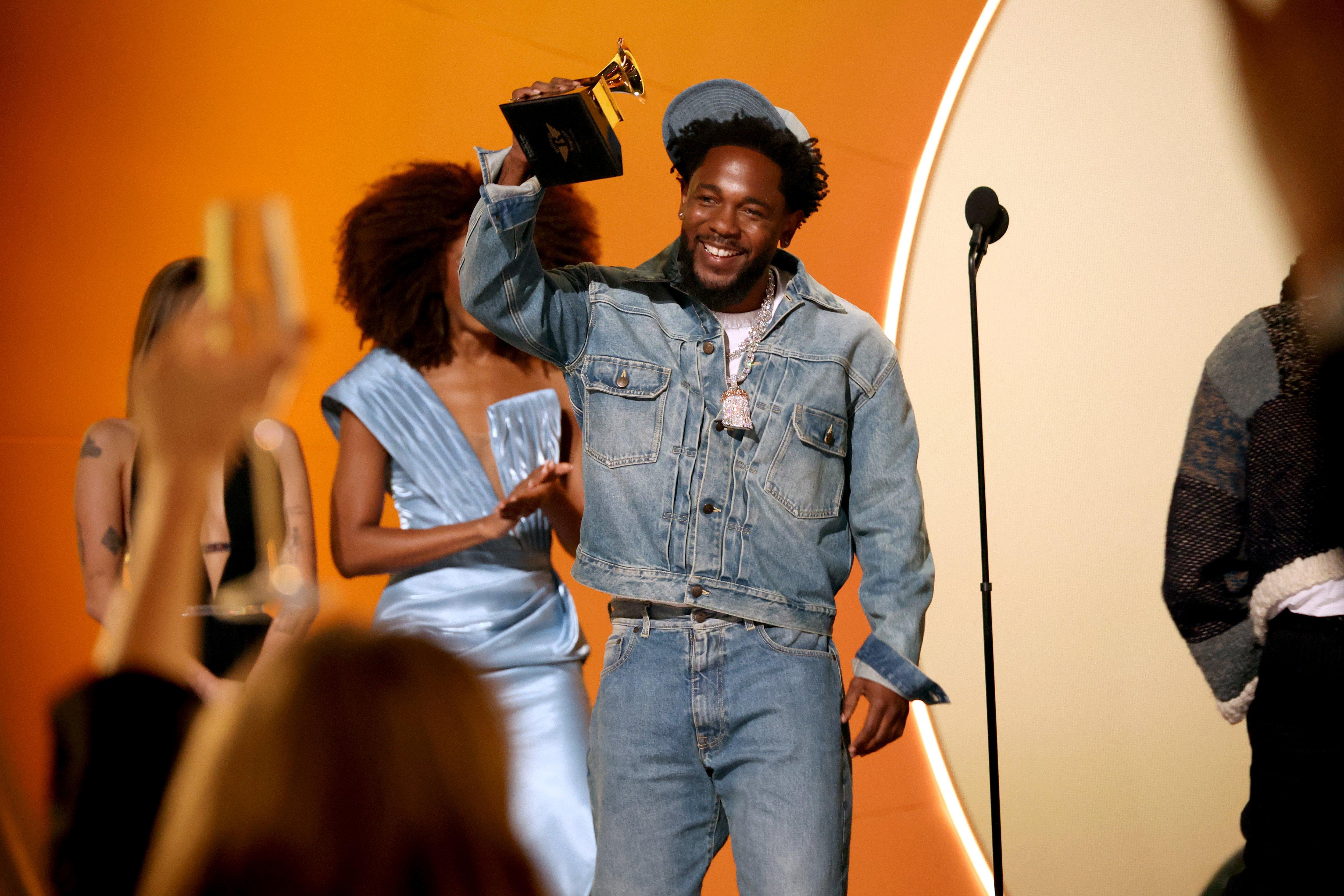
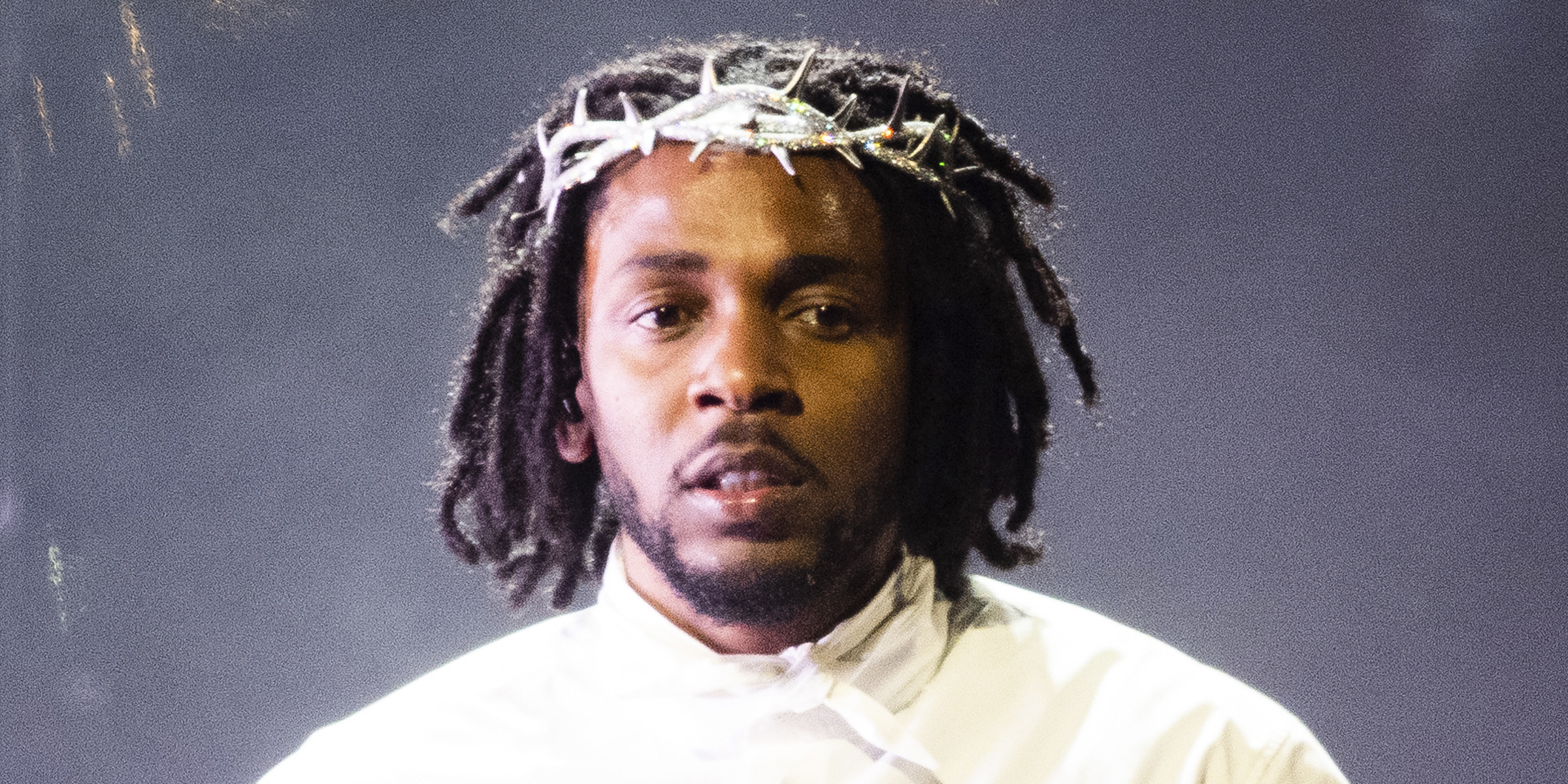
The year 2016 stands as a pivotal watershed moment in modern music, anchored by Kendrick Lamar’s strategic interventions, cultural positioning, and the release of untitled unmastered., alongside groundbreaking production aesthetics that reshaped the broader hip-hop landscape and defined a generation’s sonic consciousness.
Introduction to a Cultural Pivot Point
To understand why 2016 remains etched in the collective memory of music critics, cultural analysts, and avid listeners alike, one must examine the geopolitical and cultural anxieties of that era. Coming off the heels of his critically acclaimed, Grammy-winning 2015 masterpiece To Pimp a Butterfly, Kendrick Lamar did not fade into a quiet cycle of touring or promotional silence. Instead, 2016 became a masterclass in artistic control, high-stakes television performances, and the strategic curation of unreleased material.
While To Pimp a Butterfly provided a dense, jazz-infused autopsy of institutional racism, survivor's guilt, and systemic oppression, the subsequent year acted as its live-wire extension and stylistic bridge. The sound of 2016 was characterized by a tension between trap music's booming commercial dominance and a more organic, socially conscious, jazz-and-funk-inflected renaissance spearheaded by Lamar and his creative ecosystem at Top Dawg Entertainment (TDE). By examining his late-night television appearances, archival releases, and guest verses, we can trace how 2016 cemented a new blueprint for what a generation expected from its generational rap icons.
The Genesis of untitled unmastered.: Transparency and Archival Value
On March 4, 2016, Kendrick Lamar dropped untitled unmastered., an 8-track compilation album consisting of studio outtakes from the To Pimp a Butterfly recording sessions. The release was entirely unexpected, driven largely by public demand following Lamar’s visceral, politically charged television performances on The Colbert Report and the 58th Annual Grammy Awards.
Production and Instrumentation
The sonic architecture of untitled unmastered. leaned heavily into raw, unfiltered experimentation. Unlike polished commercial releases that undergo months of rigorous mixing, mastering, and sequencing, these tracks retained their loose studio jams, false starts, and organic studio chatter.
- Jazz and Funk Fusion: Producers like Sounwave, Ali Shaheed Muhammad, and Adrian Younge crafted soundscapes driven by live basslines, muted trumpets, and syncopated drum patterns.
- Minimalist Mixing: The choice to keep the mixing rough gave the project an immediacy that contrasted sharply with the pristine production values dominating contemporary mainstream radio.
- Thematic Continuity: Lyrically, the tracks bridged the gap between personal spiritual warfare and macro-level socio-political commentary, exploring biblical eschatology, mass incarceration, and the commodification of Black art.
The release set a precedent for how major artists could treat their archives. Instead of hoarding unreleased demos or leaking them through unauthorized channels, Lamar weaponized transparency, offering his audience a direct window into the creative laboratory.
High-Stakes Performance Art: Defining the Cultural Moment
Throughout 2016, Kendrick Lamar used live television not merely as a promotional vehicle, but as a performance art canvas. These moments became cultural touchstones that galvanized a generation grappling with social unrest, police brutality, and political polarization.
The 2016 Grammy Awards Performance
On February 15, 2016, Lamar delivered what many publications hailed as one of the greatest award show performances in television history. Emerging from a literal chain gang dressed in prison garb, he walked onto a stage styled like a maximum-security cellblock. The performance seamlessly transitioned into a roaring, bonfire-lit African tribal dance sequence, culminating in a striking projection of the outline of Africa with the word "COMPTON" stamped inside.
- Prison Cellblock Imagery
- Chain Gang Choreography
- Tribal Bonfire Ritual
- Compton Map / Africa Outline
This sequence was not just visually arresting; it established a sonic and theatrical vocabulary for mainstream hip-hop. It proved that complex, unapologetic examinations of systemic oppression could command prime-time television without watering down the message.
The Broader Sonic Landscape of 2016 Hip-Hop
To fully grasp the magnitude of Lamar’s influence in 2016, one must look at the broader ecosystem of rap music during that calendar year. The genre was experiencing a profound generational shift. Trap music, pioneered by artists in Atlanta and Chicago, was achieving unprecedented commercial dominance, characterized by triplet hi-hats, heavy 808 sub-basses, and synthesized melodies.
At the same time, a counter-movement—often associated with the "conscious" or "alternative" rap scene—was fighting for critical and commercial viability. Lamar sat at the intersection of these two worlds. While he collaborated with mainstream trap architects and dominated festival stages, his musical choices forced producers and listeners to re-evaluate the boundaries of the genre.
Comparative Sonic Signatures of 2016
| Feature | Mainstream Trap (2016 Standard) | Kendrick Lamar / TDE Aesthetic (2016) |
|---|---|---|
| Primary Drums | Rolland TR-808, rolling triplets | Live acoustic kits, swung rhythms, heavy pocket |
| Melodic Foundation | Synthetic pads, minor-key bell loops | Live bass, Fender Rhodes, saxophone, jazz samples |
| Vocal Delivery | Melodic auto-tune, aggressive chanting | Rapid cadence shifts, spoken word, dramatic character voices |
| Lyrical Focus | Wealth, lifestyle, street survival | Introspection, political critique, generational trauma |
| Album Structural Intent | High-streaming playlist optimization | Unified, thematic long-form conceptual narratives |
Guest Verses and Cultural Collisions
Lamar’s impact in 2016 was further amplified by a select few high-profile guest verses that dominated hip-hop discourse. When an artist of his stature steps onto another rapper's track, it often shifts the entire momentum of the release.
In 2016, his feature on Beyoncé's "Freedom" (from her visual album Lemonade) bridged the gap between two of the most significant Black cultural forces of the decade. Over a gritty, stomp-and-clap beat driven by a sampled 1960s field recording, Lamar delivered a verse that tied historical endurance to modern civil rights struggles:
"Ten times nine, I know you fightin’ for your life / Or better yet, hopin’ your son don’t be touched by the * strap * in the night..."
By embedding himself within the sonic world of Lemonade, Lamar helped cement a cohesive Black musical renaissance that year, where pop, R&B, and hip-hop collaborated to process collective trauma and assert cultural resilience.
Technical Analysis of Lamar's Vocal Production
From a technical standpoint, 2016 showcased Lamar's mastery of vocal dynamics and persona shifting. Throughout untitled unmastered. and his featured verses, he utilized multiple vocal registers to represent different psychological states—a technique that would become a staple of his subsequent Pulitzer Prize-winning album, DAMN. (2017).
- The High-Pitch Cries: Used to convey panic, youth, or existential dread.
- The Baritone Monologue: Grounded in a low, conversational register, often representing internal conscience or institutional authority.
- The Spoken-Word Cadence: Borrowed from jazz poetry, allowing dense polysyllabic rhymes to cut through complex, unquantized drum beats without relying on traditional hip-hop grid quantization.
This vocal agility influenced a younger wave of artists who realized that lyrical density did not have to come at the expense of emotional delivery or rhythmic inventiveness.
Frequently Asked Questions
Why is 2016 considered such an important year for Kendrick Lamar?
2016 was important because it served as a creative bridge between his magnum opus To Pimp a Butterfly and his Pulitzer-winning album DAMN. Through the surprise release of untitled unmastered. and landmark performances like his Grammy set, he maintained intense cultural relevance while pushing avant-garde jazz-rap into mainstream conversations.
What was untitled unmastered. and how was it made?
untitled unmastered. is a compilation album featuring eight unreleased studio outtakes from the recording sessions of To Pimp a Butterfly. The tracks were intentionally left without official titles, bearing only recording dates ranging from 2013 to 2016, highlighting the raw, unfinished studio process behind his music.
How did Kendrick Lamar influence the sound of hip-hop in 2016?
Lamar pushed back against the hyper-commercialized, purely synthetic trap template by proving that live instrumentation, complex jazz arrangements, and socially conscious lyrics could capture the public imagination and dominate critical discussions.
Did Kendrick Lamar release a full studio album in 2016?
No, Kendrick Lamar did not release a traditional, full-length commercial studio album in 2016. His primary musical output that year was the archival compilation untitled unmastered. alongside strategic guest features on projects by artists like Beyoncé and Kanye West.
What were the major themes of Kendrick Lamar's music during this period?
His music during 2016 focused heavily on systemic racism, spiritual warfare, generational trauma, self-doubt, and the complexities of Black fame and leadership in America.
Practical Recommendations for Music Historians and Producers
For contemporary music producers, sound engineers, and cultural historians examining this era, studying Lamar's 2016 output offers a masterclass in risk management and artistic integrity.
- Embrace Imperfection: Do not over-polish mixes if the raw energy of a live take communicates the emotional core of the art more effectively.
- Study the Pocket: Producers looking to replicate the organic feel of the TDE catalog should study unquantized live drumming and dynamic bass placement over rigid digital grids.
- Contextualize Art: Understand that impactful music is often born from active engagement with the socio-political realities of its time.