The year 1983 stands as a fascinating inflection point in global cinema, marked by the box office dominance of major franchise blockbusters, the emergence of gritty independent dramas, and groundbreaking technical shifts in how movies were produced, distributed, and consumed. While Hollywood heavily leaned into science fiction spectacles and high-concept sequels, international directors were pushing cinematic boundaries, establishing 1983 as a diverse and enduringly studied year in film history.
Historical Context and Industry Landscape of 1983
The film industry in 1983 operated within a rapidly changing media ecosystem. The domestic and international box office was recovering from economic shifts of the late 1970s and early 1980s, while the explosive growth of the home video market—specifically the VHS cassette and Betamax formats—began to fundamentally alter studio revenue models. Studios could no longer rely solely on theatrical runs and television syndication rights; home video ownership created a secondary market that dictated long-term profitability and revived interest in cult classics that had underperformed during their initial theatrical releases.
Simultaneously, the major Hollywood studios were consolidating power around the blockbuster model. The massive commercial triumphs of films like Star Wars (1977) and Raiders of the Lost Ark (1981) convinced studio executives that high-budget, high-concept genre pictures with massive merchandising potential were the safest bets for financial stability. However, this commercial focus left ample room for riskier artistic endeavors, mid-budget dramas, and international arthouse projects that found critical acclaim and loyal audiences outside the traditional studio machinery.
Major Box Office Giants and Defining Blockbusters
The commercial landscape of 1983 was defined overwhelmingly by sequels and concluding chapters of massive cultural phenomena. The most prominent cinematic event of the year was the release of the final installment of the original Star Wars trilogy.
Star Wars: Episode VI – Return of the Jedi
Released in May 1983 and directed by Richard Marquand, Return of the Jedi was the undisputed financial titan of the year. It shattered box office records upon its opening weekend and went on to dominate global ticket sales. The film concluded the epic space opera narrative arc involving Luke Skywalker, Princess Leia, and Han Solo, while introducing iconic pop-culture elements like Jabba the Hutt's palace, the Ewoks of the forest moon of Endor, and the dramatic redemption of Darth Vader. Technologically, the film showcased the pinnacle of Industrial Light & Magic's (ILM) optical effects work before the widespread adoption of digital CGI, relying on intricate miniature models, matte paintings, and advanced creature puppetry.
Other Commercial Successes
Beyond a galaxy far, far away, 1983 saw several other high-grossing films that shaped popular culture:
- Terms of Endearment: Directed by James L. Brooks, this tragicomedy balanced humor and devastating emotional weight, eventually winning the Academy Award for Best Picture. Its massive box office success proved that adult-oriented domestic dramas could compete with tentpole genre films.
- Flashdance: Directed by Adrian Lyne, this romantic drama combined a contemporary pop soundtrack, dynamic music-video-style editing, and a rags-to-riches dance narrative. It became a surprise blockbuster and influenced the stylistic trajectory of 1980s cinema.
- Trading Places: A classic comedy starring Eddie Murphy and Dan Aykroyd, directed by John Landis. It utilized high-concept social satire to achieve massive commercial success, cementing Murphy's status as a dominant global movie star.
Critical Darlings, Arthouse Breakthroughs, and International Cinema
While blockbusters captured public attention, 1983 was equally notable for daring auteur-driven projects and international masterpieces that challenged narrative conventions.
The Right Stuff
Directed by Philip Kaufman, The Right Stuff adapted Tom Wolfe’s seminal book about the American space program and the Mercury Seven astronauts. Despite underperforming initially at the box office, it received widespread critical acclaim for its sweeping cinematography, sophisticated editing, and nuanced deconstruction of American heroism. It remains a masterclass in epic historical filmmaking.
International Masterpieces
Global cinema experienced significant milestones in 1983 across various industries:
- The Ballad of Narayama (Narayama bushikō), directed by Shōhei Imamura, won the prestigious Palme d'Or at the 1983 Cannes Film Festival. This unflinching exploration of poverty, tradition, and filial duty in a remote Japanese village highlighted the raw power of Japanese New Wave cinema.
- Fanny and Alexander (Fanny och Alexander), directed by Ingmar Bergman, was released internationally in 1983. Conceived by Bergman as his grand theatrical farewell, this semi-autobiographical epic explored family dynamics, memory, and mysticism through the eyes of two Swedish children. It won four Academy Awards, including Best Foreign Language Film.
The Horror and Cult Phenomenon of 1983
Genre cinema in 1983 experienced fascinating mutations, particularly in horror and speculative fiction, bridging the gap between classic practical-effect creature features and modern psychological terror.
Videodromic Realities and Sci-Fi Thrillers
David Cronenberg released Videodrome in 1983, a prophetic body-horror film exploring media saturation, television hallucination, and the merging of flesh and machine. Though a box office failure upon release, it attained legendary status as a foundational cyberpunk and techno-horror text.
Stephen King adaptations also maintained a strong grip on audiences. Lewis Teague directed Cujo, a tense psychological horror about a rabid Saint Bernard trapping a mother and child in a broken-down car. Meanwhile, David Cronenberg returned later in the year with The Dead Zone, starring Christopher Walken as a man who acquires psychic abilities after waking from a coma—a film praised for its melancholy tone and strong character work.
The Rise of Slashers and Sequels
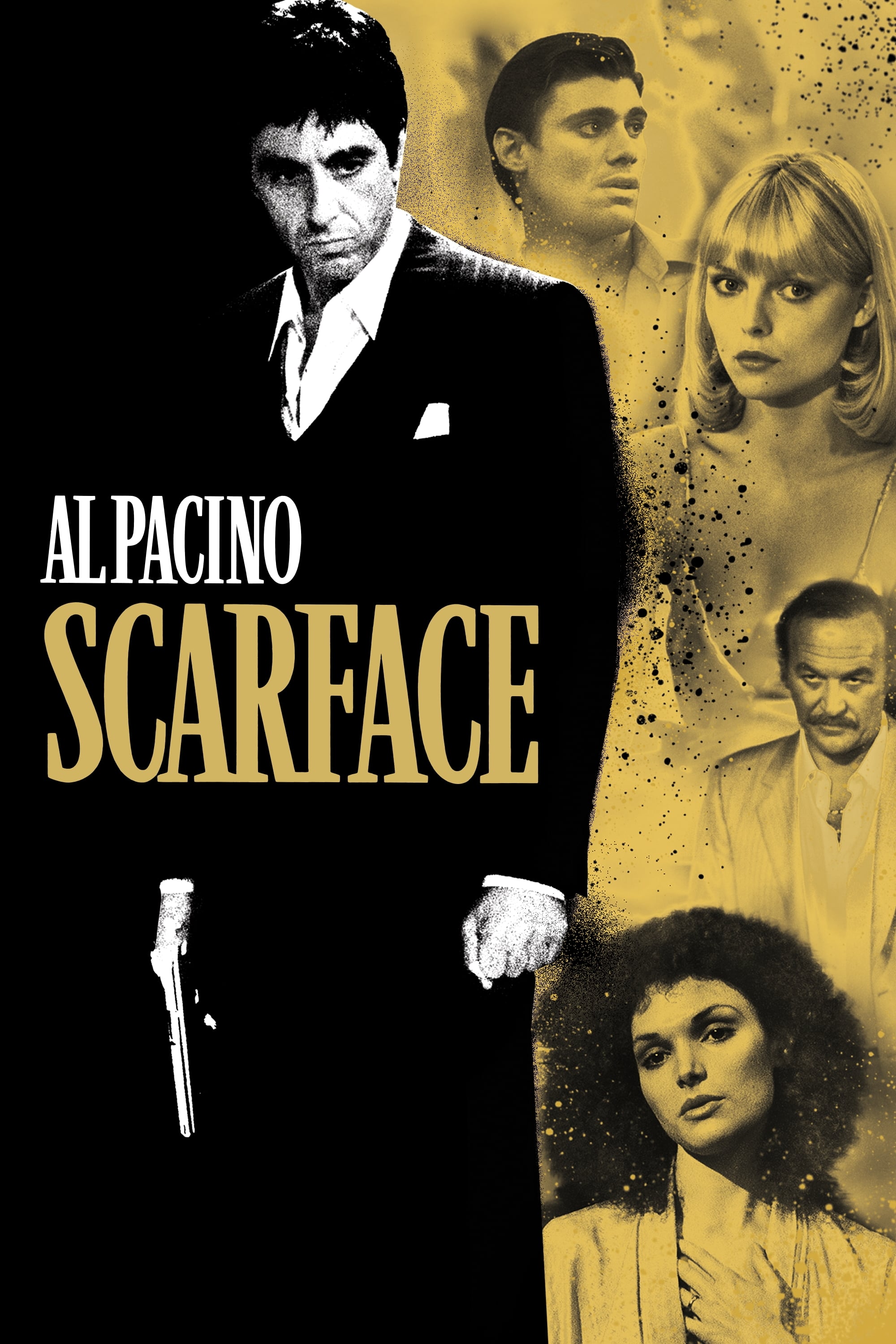
The slasher boom of the early 1980s continued, though it faced growing fatigue and censorship controversies. Notably, 1983 saw the release of Scarface, directed by Brian De Palma and starring Al Pacino. While initially polarizing critics with its extreme violence and excessive profanity, the film transformed into an enduring cultural touchstone and a defining gangster epic of the decade.
| Film Title | Director | Primary Genre | Key Significance |
|---|---|---|---|
| Star Wars: Episode VI – Return of the Jedi | Richard Marquand | Sci-Fi / Space Opera | Concluded the original trilogy; highest-grossing film of 1983. |
| Terms of Endearment | James L. Brooks | Comedy / Drama | Won Academy Award for Best Picture; major box office hit. |
| The Right Stuff | Philip Kaufman | Historical Epic | Celebrated technical achievement and critical favorite about the space program. |
| Fanny and Alexander | Ingmar Bergman | Drama / Arthouse | Won four Academy Awards, including Best Foreign Language Film. |
| Scarface | Brian De Palma | Crime / Gangster | Polarizing release that evolved into a major cultural touchstone. |
Technological and Production Milestones
The year 1983 marked an important transition in filmmaking technology. While computer graphics were still in their infancy—restricted to primitive wireframe animations and early graphic sequences like those seen in Disney’s Tron (1982) and early experiments—practical effects reached a sophisticated zenith. Special makeup effects artists Rick Baker, Rob Bottin, and Stan Winston revolutionized creature creation using foam latex, mechanical animatronics, and complex optical compositing.
Furthermore, sound design underwent a quiet revolution. Dolby Stereo had become the industry standard for major studio releases, encouraging sound mixers to create immersive, multi-channel auditory environments that enhanced audience engagement in theaters. This technological focus laid the groundwork for the modern blockbuster soundscape.
Frequently Asked Questions About 1983 Cinema
What was the highest-grossing film of 1983?
Star Wars: Episode VI – Return of the Jedi was the highest-grossing film of 1983, earning over $475 million during its initial theatrical release worldwide and dominating the global box office charts.
Which film won the Academy Award for Best Picture for films released in 1983?
Terms of Endearment, directed by James L. Brooks and starring Shirley MacLaine, Debra Winger, and Jack Nicholson, won the Academy Award for Best Picture at the 56th Academy Awards ceremony held in early 1984.
Did any notable horror movies premiere in 1983?
Yes, notable horror and thriller releases from 1983 include David Cronenberg's Videodrome and The Dead Zone, as well as the canine thriller Cujo and John Carpenter's cult classic adaptation Christine (though Stephen King adaptations and psychological thrillers dominated the genre space).
How did the home video market impact the film industry in 1983?
The rapid expansion of the VHS format in 1983 provided studios with a vital new revenue stream. Films that underperformed in theaters could find financial redemption and cult status through home video rentals and direct-to-video purchases.
What international films gained major prominence in 1983?
Ingmar Bergman’s Fanny and Alexander and Shōhei Imamura’s The Ballad of Narayama achieved massive international acclaim, sweeping major festival awards and setting high standards for global arthouse cinema.
Conclusion and Legacy
The cinema of 1983 offers a rich lens through which to examine the tensions between commercial enterprise and artistic innovation. From the grand cosmic conclusions of George Lucas's space saga to the intimate emotional depths of Ingmar Bergman's swan song, the films released this year continue to influence contemporary storytelling, aesthetic design, and industry economics. Examining this era reveals a vibrant, transitional moment when modern blockbuster culture solidified its foundations while preserving space for bold, uncompromising cinematic art.