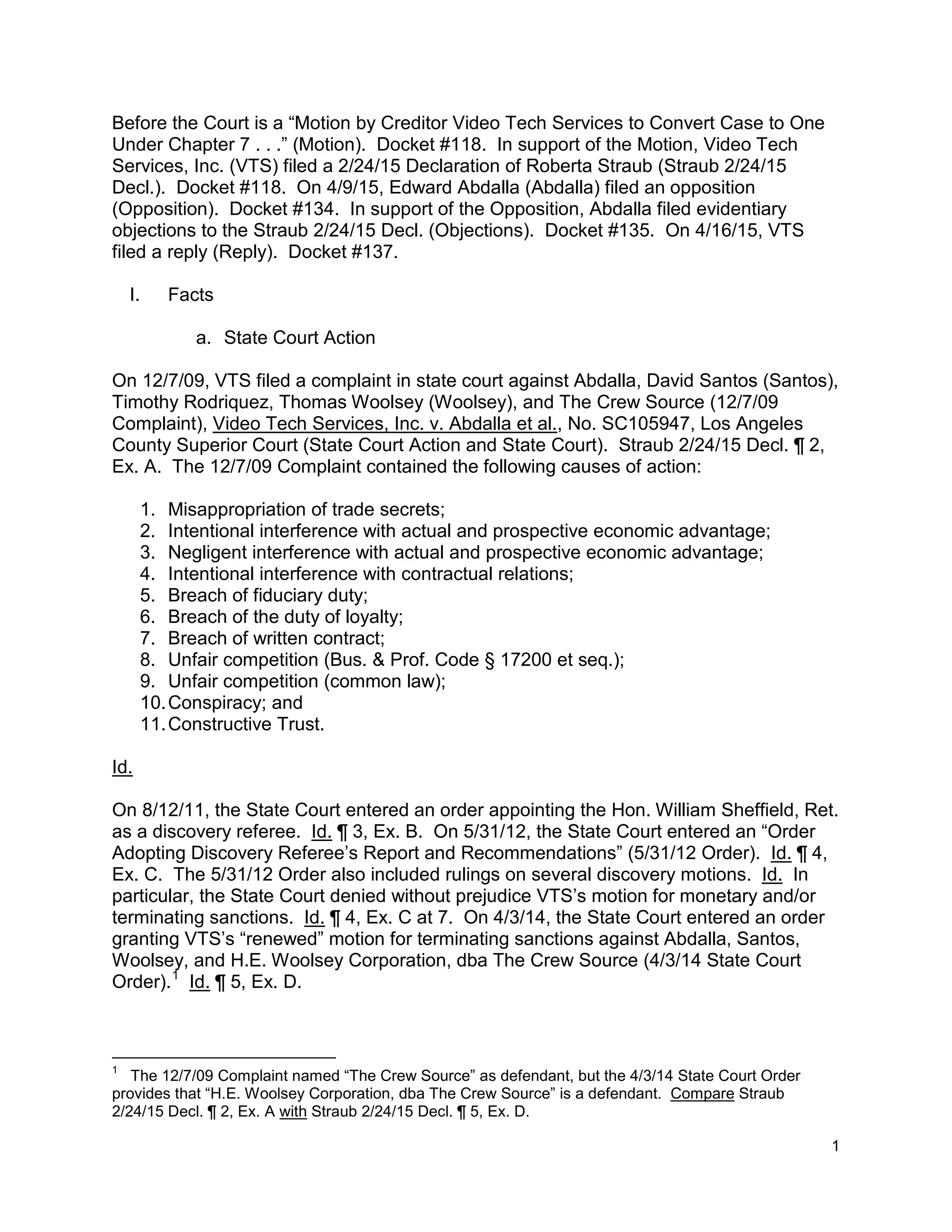
Navigating the civil litigation process often brings procedural surprises, but few documents carry as much immediate weight as a tentative ruling. In modern court systems, particularly within busy metropolitan jurisdictions like the Superior Court of California, judges frequently issue preliminary decisions on pending motions before the actual hearing date. For legal practitioners, litigants, and corporate counsel operating in 2026, understanding how to analyze, contest, or leverage a tentative ruling is vital for case strategy. This preliminary decision outlines how the court is inclined to rule based on the submitted briefs, declarations, and applicable statutory law, providing both parties a clear window to adjust their arguments before oral advocacy takes place.
The Operational Mechanics of Preliminary Judicial Decisions
The primary objective behind issuing a tentative ruling is judicial economy. Courts manage overwhelming dockets filled with summary judgment motions, discovery disputes, and demurrer hearings. By publishing a preliminary evaluation days or hours before the scheduled appearance, the court allows attorneys to focus their oral arguments exclusively on the weak points identified by the judge, rather than repeating written points and authorities.
When a court posts its preliminary decision, it typically falls into one of three operational categories depending on the specific department or local rules:
- Automatic Adoption: The tentative ruling becomes the final order of the court automatically at the time of the hearing unless one of the parties explicitly requests oral argument and notifies opposing counsel.
- Basis for Argument: The tentative ruling serves strictly as a starting point, signaling the judge's current thinking while inviting persuasive oral arguments to shift the final outcome.
- Mandatory Appearance: The court orders both sides to appear, often highlighting specific legal questions or factual ambiguities that require immediate clarification from the bench.
Procedural Warning: Failing to review local court rules regarding notification windows can result in waived rights to argue. Always verify whether a specific department requires advance notice by phone or electronic filing before contesting a preliminary outcome.
Analyzing the Legal Framework and Statutory Basis
The implementation of tentative rulings varies significantly by jurisdiction, though the underlying goal remains uniform: streamlining court dockets and providing transparency to litigants. In many state court systems, local court rules govern whether a department utilizes a tentative ruling system. Federal courts, by contrast, rarely issue formal tentative rulings in the same structured format, though district judges frequently issue tentative views during oral argument or via minute orders.
Understanding the anatomy of a preliminary order requires careful attention to statutory citations and case law references embedded within the text. Judges typically structure these documents by identifying the moving party, summarizing the applicable legal standard, evaluating the evidentiary submissions, and rendering a preliminary conclusion.
| Jurisdiction Type | Typical Publication Window | Oral Argument Requirement | Final Order Mechanism |
|---|---|---|---|
| Metropolitan State Courts | 1 to 3 court days prior | Required only if contested | Becomes final if uncontested |
| Specialized Business Courts | 2 to 5 court days prior | Encouraged for complex motions | Detailed minute order entered |
| Federal District Courts | Varies widely (often none) | Standard procedure | Oral ruling or written memorandum |
Strategic Advantages and Pitfalls for Litigants
Encountering a tentative ruling requires a rapid pivot in legal strategy. Whether the preliminary decision favors your client or deals a severe blow to your legal theory, the time between publication and the actual hearing is a critical window for tactical decision-making.
When the Ruling Favors Your Position
Securing a favorable preliminary order provides immense leverage, but it also breeds complacency. Experienced litigators recognize that a favorable tentative ruling is not yet a final judgment.
- Defend the Winning Arguments: Focus oral presentation on reinforcing the specific statutory interpretations or factual findings highlighted by the judge in the preliminary text.
- Avoid Over-Argued Briefs: Do not introduce entirely new legal theories that were not briefed in the original papers, as opposing counsel can object to untimely arguments.
- Prepare for Last-Ditch Rebuttals: Anticipate that opposing counsel will attack the weak points of the tentative ruling; prepare concise counter-arguments supported by the existing record.
When the Ruling Goes Against Your Position
An adverse tentative ruling requires an immediate, objective assessment of whether to contest the decision or conserve resources for trial.
- Identify Judicial Skepticism: Pinpoint the exact evidentiary gap or legal misinterpretation that led the judge to rule against your motion.
- Gather Focused Authority: If the court misapplied a recent statute or overlooked a controlling precedent, highlight that specific error clearly and concisely.
- Weigh the Cost-Benefit: Consider whether oral argument has a realistic chance of changing the judge's mind, or if it will only incur additional legal fees without altering the final outcome.
Step-by-Step Guide to Responding to a Tentative Ruling
When a preliminary decision drops on the court docket, litigators must execute a disciplined workflow to ensure compliance with procedural deadlines and maximize advocacy effectiveness.
- Immediate Retrieval and Verification: Download the tentative ruling immediately upon publication. Verify the case number, department, judge's name, and the exact wording of the order to ensure it applies to your specific motion.
- Review Local Court Rules: Check the specific department's guidelines regarding notification. Determine whether you must call the court clerk or file an electronic notice to contest the ruling and request oral argument.
- Notify Opposing Counsel: Coordinate immediately with opposing counsel to state your intentions regarding oral argument, fulfilling any mandatory meet-and-confer requirements imposed by local practice.
- Refine Oral Argument Outline: Strip away previously prepared arguments that address issues the judge already resolved in your favor. Concentrate 80 percent of your speaking time on the specific legal points that drove the adverse portion of the preliminary ruling.
- Attend and Adapt: Appear at the hearing—either physically or via remote video conferencing platforms standard in 2026 courtrooms—and deliver a targeted, respectful presentation addressing the court's explicit concerns.
Frequently Asked Questions
What is a tentative ruling in a court case?
A tentative ruling is a judge's preliminary decision on a legal motion, issued before the official court hearing to guide the parties and streamline oral arguments. It provides transparency regarding how the court currently interprets the law and evidence submitted in the case briefs.
Can a judge change their tentative ruling after oral argument?
Yes, a judge can and frequently does modify or completely reverse a tentative ruling after hearing oral arguments and considering new points raised by counsel. Oral advocacy exists precisely to persuade the bench when the preliminary analysis requires adjustment.
Do all courts issue tentative rulings?
No, tentative ruling systems vary widely by jurisdiction, court level, and individual judicial departments. While many busy state trial courts rely heavily on tentative rulings to manage dockets, many federal courts and specialized tribunals do not use them.
What should I do if the tentative ruling is completely against my motion?
Review the decision to identify the specific legal or factual grounds for the court's leaning, consult with your legal counsel, and determine whether oral argument can effectively address the judge's stated concerns within the established rules of court.
Is a tentative ruling legally enforceable as a final order?
No, a tentative ruling is merely preliminary and does not carry the legal weight of a final judgment or order until the court formally adopts it or enters a final minute order following the hearing.
Securing Expert Legal Counsel for Complex Litigation
Navigating court motions and interpreting complex tentative rulings requires specialized legal expertise and meticulous adherence to procedural rules. Whether you are facing a critical summary judgment motion, a complex discovery dispute, or corporate litigation, partnering with experienced litigators ensures your arguments are framed for maximum judicial impact. Contact our litigation team today to discuss your case strategy and protect your legal rights in court.