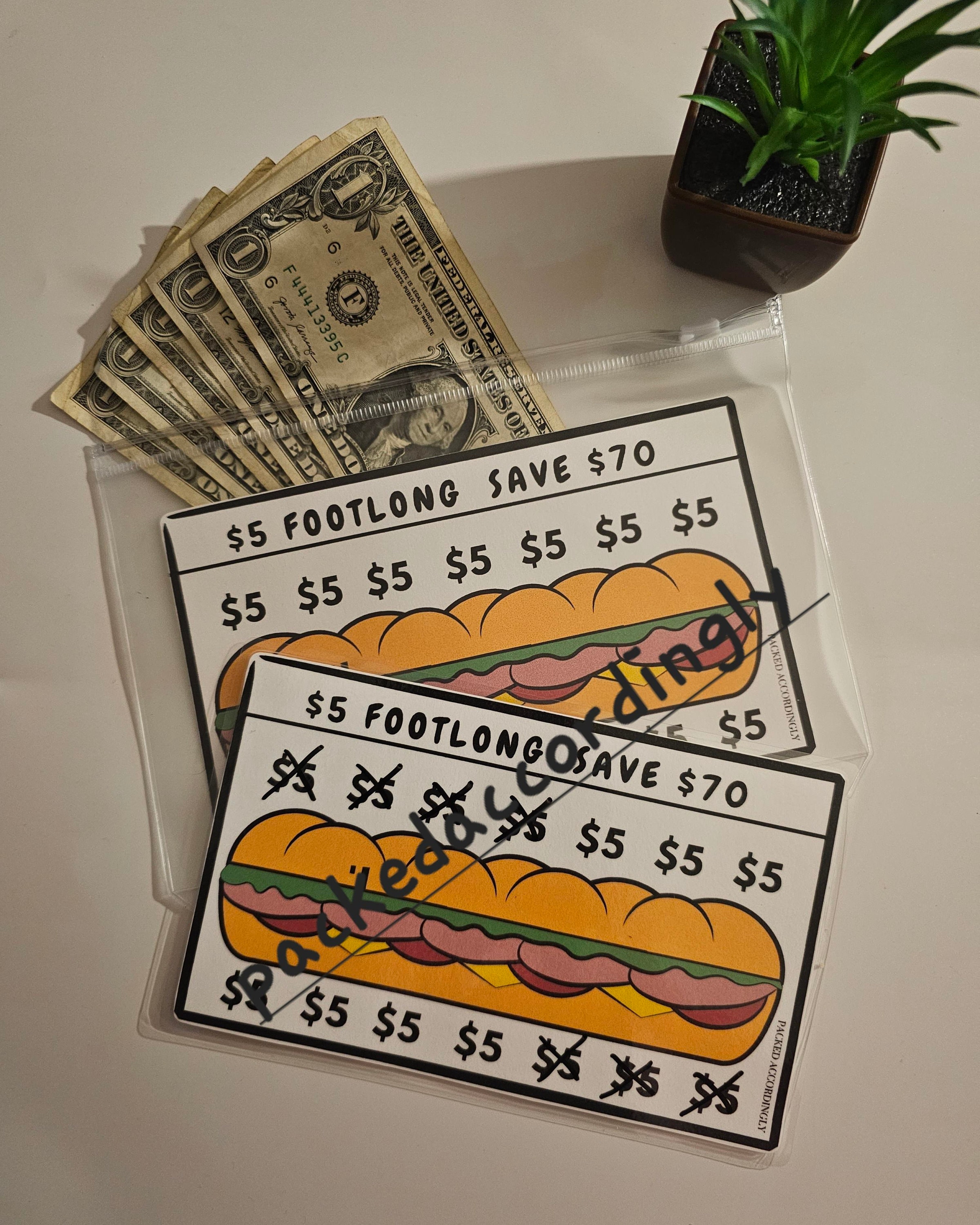
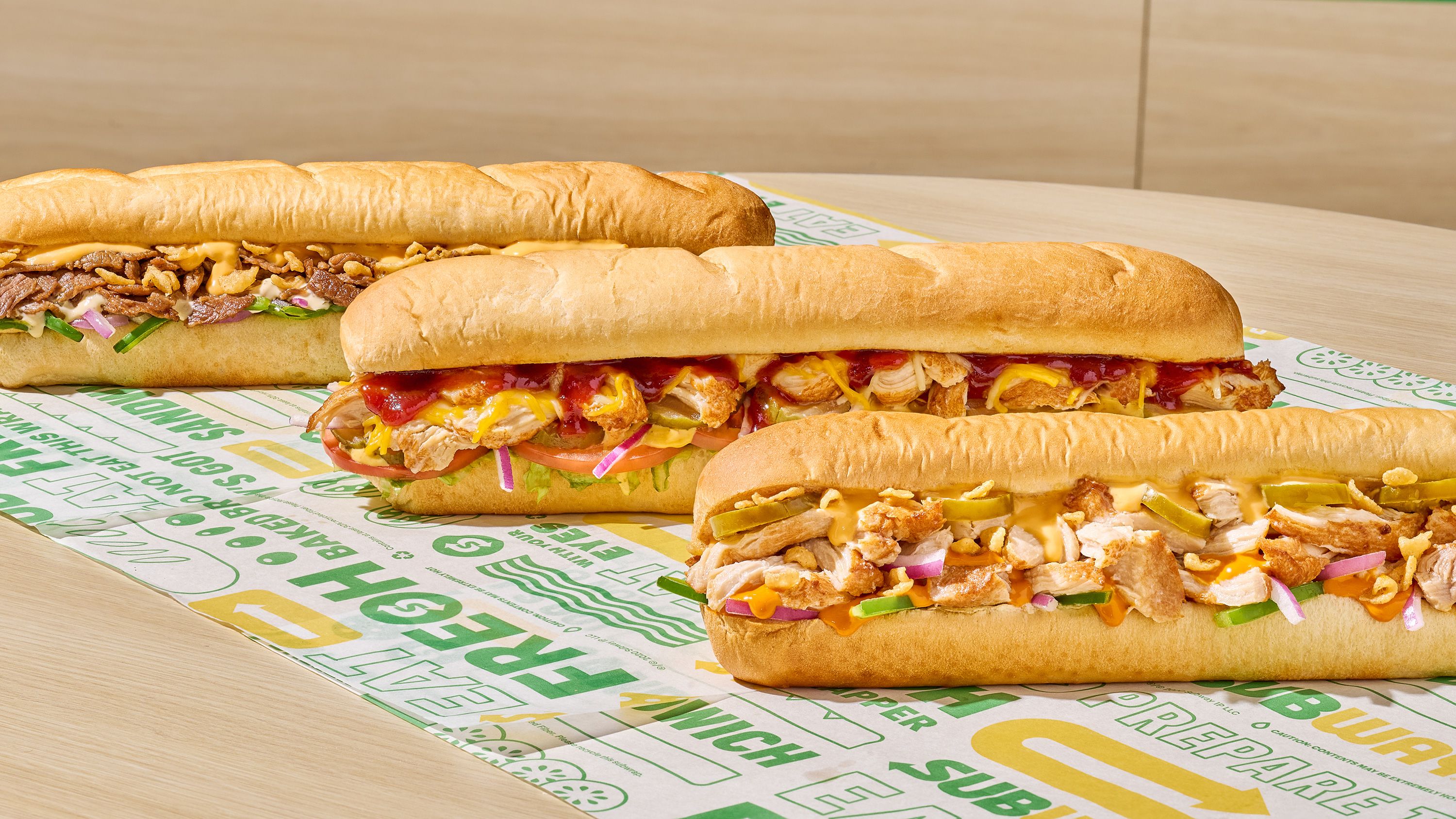
The Five Dollar Footlong promotion launched by Subway in 2008 fundamentally transformed fast-food marketing by offering any regular footlong sub for a flat five dollars, driving unprecedented traffic and revenue during an economic downturn before eventually succumbing to rising operational costs, franchise pushback, and shifting corporate strategies.
Introduction: The Birth of a Fast-Food Legend
In the late 2000s, the global economy plunged into a severe recession, forcing consumers to drastically reevaluate their discretionary spending, particularly when dining out. Amidst widespread financial anxiety, a catchy jingle backed by a simple, hard-capped price point emerged to capture the public consciousness: the Subway Five Dollar Footlong. Introduced nationally in 2008 after a successful regional test in Miami, Florida, the promotion promised customers a 12-inch submarine sandwich for a mere five dollars.
This initiative did more than just boost sandwich sales; it established a new benchmark for value marketing in the quick-service restaurant (QSR) industry. By removing price uncertainty and offering a seemingly substantial amount of food for a low cost, Subway turned a standard marketing campaign into a cultural touchstone. However, as economic conditions shifted, inflation took hold, and franchise owners voiced mounting concerns over diminishing profit margins, the promotion's viability waned. Understanding the trajectory of the Five Dollar Footlong requires examining its economic origins, operational structure, cultural impact, and eventual phasing out within the fast-food landscape.
Economic Climate and Origins of the Promotion
The conceptual foundation of the Five Dollar Footlong was forged during a period of acute economic distress. As the subprime mortgage crisis triggered a broader financial collapse in 2007 and 2008, consumers reined in spending across nearly every retail and dining sector. Fast-food chains faced the dual challenge of declining customer traffic and rising commodity costs.
Subway, operating through an independent franchise model, needed a high-volume driver that would entice frugal consumers away from competitors while keeping stores operational. Stuart Frankel, a multi-unit Subway franchisee in Miami, initially devised a local promotion to boost sluggish weekend sales by offering select footlongs for five dollars. The response was immediate and overwhelming, prompting corporate leadership to refine the concept, secure a catchy jingle ("Five, five dollar, five dollar footlong"), and roll it out nationwide in 2008.
The genius of the pricing strategy lay in its psychological appeal. A flat five-dollar bill covered the entire transaction including tax in many jurisdictions, making the purchase frictionless for the consumer. Furthermore, the promotion capitalized on the illusion of abundance. Getting a full foot of bread loaded with meats, cheeses, and vegetables for the price of a standard value-menu item felt like a significant bargain during a time when household budgets were stretched thin.
Marketing Genius and the Cultural Footprint
Beyond the pricing strategy, the success of the Five Dollar Footlong relied heavily on relentless and synchronized advertising. The television commercials featured upbeat, repetitive jingles that became an earworm for millions of television viewers. This audio branding was so effective that the jingle itself became a piece of pop culture, referenced in television shows, parodied online, and instantly recognized across generations.
The marketing campaign also relied on strategic simplicity. Unlike complex discount schemes that required coupons, loyalty apps, or minimum purchase thresholds, the Five Dollar Footlong was universally applicable to a core group of sandwiches. Customers did not need to calculate discounts or check eligibility criteria; they simply walked into any participating restaurant and ordered from a designated menu board.
| Promotional Element | Description | Consumer Impact |
|---|---|---|
| Flat Pricing | Any regular footlong priced at exactly $5.00 USD. | Eliminated price calculation and cognitive friction during purchase. |
| Audio Branding | The iconic "Five, five dollar, five dollar footlong" jingle. | Drove high brand recall and cultural penetration through repetition. |
| Universal Access | Available nationally without requiring coupons or apps. | Broadened demographic appeal from students to budget-conscious families. |
| Menu Inclusion | Featured core favorites like Cold Cut Combo and Meatball Marinara. | Maintained familiar taste profiles while offering perceived high value. |
This cultural footprint transformed Subway into a ubiquitous presence in American dining. During the peak years of the promotion, Subway surpassed other fast-food giants in total restaurant count, largely fueled by the massive daily foot traffic generated by the campaign.
Franchisee Tensions and Operational Realities
While the Five Dollar Footlong proved immensely popular with consumers, it created deep fractures within Subway's franchise network. Subway operates as a franchisor that collects royalties and advertising fees from independent operators who bear all the costs of food, labor, rent, and utilities.
As commodity prices for key ingredients—such as deli meats, cheese, and fresh produce—began to rise in the years following the 2008 recession, the fixed five-dollar price point compressed profit margins for franchisees. Many operators argued that the promotion generated high sales volume but low or even negative net returns, especially in high-cost-of-living urban areas where rent and labor expenses were substantially higher.
Tensions boiled over as corporate leadership resisted retiring the campaign, fearing a loss of market share. Franchisees filed lawsuits, petitioned corporate headquarters, and, in some cases, outright refused to participate in the promotion. These operational frictions highlighted the structural vulnerabilities of imposing rigid national pricing models on independent business owners operating in diverse local economies.
The Evolution and Phasing Out of the Flat Price
As inflationary pressures mounted through the mid-2010s, maintaining a strict five-dollar ceiling became economically untenable. Subway attempted various compromises, such as rotating eligible sandwiches, introducing the "Sub of the Day" program at lower price points, and eventually raising the price of footlongs to six dollars or introducing tiered pricing structures.
In 2018, in an effort to revitalize flagging sales, Subway briefly brought back the Five Dollar Footlong promotion, but with significant caveats. It required customers to order through the Subway mobile application and was implemented as a limited-time offering rather than a permanent fixture. This digital pivot reflected broader shifts in the fast-food industry toward data collection and app-based loyalty programs, moving away from universal, blanket discounts that squeezed operator margins.
By the time the COVID-19 pandemic disrupted global supply chains and accelerated labor and food inflation in 2020 and beyond, the five-dollar price point had become a relic of a different economic era. Modern fast-food economics made a nationwide, flat-rate five-dollar footlong mathematically impossible for independent operators without sacrificing food quality or labor standards.
Legacy and Modern Equivalents in Fast Food
The Five Dollar Footlong remains a defining case study in modern fast-food marketing. It demonstrated the immense power of value-driven promotions during economic downturns while simultaneously exposing the long-term sustainability risks of fixed-price models in inflationary environments.
Today, fast-food chains navigate consumer demand for value through sophisticated digital ecosystems. Instead of broad, analog promotions like the Five Dollar Footlong, brands rely on targeted app deals, dynamic pricing, localized promotions, and tiered loyalty rewards. These digital tools allow corporations to subsidize discounts selectively without placing the entire financial burden on franchisees.
Subway itself transitioned away from the promotional strategy that defined its brand for a decade, pivoting toward premium menu overhauls, such as the Subway Series, which emphasized chef-crafted recipes over DIY customization. Yet, despite these corporate evolutions, consumers and media outlets continue to invoke the Five Dollar Footlong as the ultimate symbol of fast-food affordability, illustrating how deeply a simple pricing strategy can embed itself into the public consciousness.
Frequently Asked Questions
What was the original Five Dollar Footlong promotion?
The promotion was a 2008 marketing campaign by Subway that offered any regular footlong submarine sandwich for a flat price of five dollars. It was designed to attract budget-conscious consumers during the economic recession and quickly became one of the most successful and recognizable fast-food campaigns in history.
Why did Subway end the Five Dollar Footlong?
Subway phased out the promotion primarily due to rising food, labor, and operational costs that made a flat five-dollar price point unprofitable for independent franchise owners. As profit margins shrank, franchisee pushback and ongoing inflation forced corporate leadership to abandon the fixed national pricing model.
Can you still get a Five Dollar Footlong at Subway?
No, the original Five Dollar Footlong is no longer available. Subway and its franchisees have retired the flat five-dollar price point due to inflation and rising operating costs, replacing it with digital app deals, tiered menu pricing, and localized promotions.
Which sandwiches were included in the original promotion?
The promotion originally included several core menu items, such as the Cold Cut Combo, Meatball Marinara, Subway Club, and Veggie Delite. Over time, the eligible sandwich lineup shifted as franchisees and corporate leadership attempted to manage rising ingredient costs.
How did the promotion impact Subway as a corporation?
The campaign drove massive customer traffic, increased sales volume, and helped Subway surpass competitors in total store count during the late 2000s and early 2010s. However, it also created long-term tensions between corporate management and franchisees over profit margins and pricing autonomy.
Conclusion
The Five Dollar Footlong permanently altered the landscape of fast-food marketing by proving that absolute price simplicity and catchy branding could drive massive consumer engagement during times of economic uncertainty. Although inflation and franchise economics ultimately rendered the flat five-dollar price point unsustainable, the campaign's cultural legacy endures. For consumers and industry analysts alike, it remains the benchmark for value-driven promotions, illustrating both the explosive rewards and the structural risks of chasing high-volume sales through fixed-price discounting.