To unlock deeper connections today, you must prioritize radical presence, embrace emotional vulnerability, understand individual love languages, master the art of constructive conflict repair, and establish shared rituals of connection. By moving beyond superficial interactions and focusing on intentional, psychologically-grounded behaviors, you can foster intimacy and resilience in any relationship.
Building meaningful relationships in 2026 requires a deliberate departure from the rapid-fire, often shallow nature of digital-first communication. While technology offers constant "connectivity," true connection—the kind that provides emotional security and profound understanding—demands a specific set of interpersonal skills. As we navigate an era where attention is the most valuable currency, giving that attention to the people who matter most is the foundational act of love.
The following five strategies are designed to help you navigate the complexities of modern intimacy, whether you are seeking to strengthen a long-term partnership, improve a friendship, or build a more cohesive family unit. These methods are rooted in established psychological frameworks, including attachment theory and the research of the Gottman Institute, adapted for the unique social challenges of the mid-2020s.
1. Practice Radical Presence and Active Listening
The first and perhaps most critical way to unlock deeper connections is through radical presence. In 2026, our environments are saturated with "micro-distractions"—smart notifications, augmented reality overlays, and the constant hum of the global information stream. Radical presence is the intentional act of clearing these distractions to provide a "clean slate" for interaction.
Active listening is the mechanical expression of radical presence. It is not merely the absence of talking; it is a dedicated attempt to understand the speaker’s perspective without the immediate intent to reply, judge, or solve. This involves "whole-body listening," where your posture, eye contact, and verbal affirmations signal to the other person that they are seen and heard.
The Neurology of Being Heard
When a person feels truly listened to, their nervous system begins to co-regulate with the listener’s. This lowers cortisol levels and increases the production of oxytocin, often called the "bonding hormone." To achieve this, you must engage in "mirroring." This does not mean mimicking the person like a mime, but rather reflecting back the emotional content of what they have said. For example, instead of saying "I understand," you might say, "It sounds like you felt really overwhelmed when your project deadline was moved up." This validates their internal experience, which is the cornerstone of a deep connection.
Eliminating the "Phubbing" Phenomenon
"Phubbing," or phone-snubbing, remains one of the primary barriers to intimacy in 2026. To unlock deeper connections, establish "analog zones" or "device-free windows" during the day. This could be as simple as leaving phones in another room during dinner or during the first twenty minutes after arriving home. By removing the possibility of interruption, you signal that the relationship takes precedence over the digital world.
2. Embrace Vulnerability as a Strategic Strength
For decades, vulnerability was often mischaracterized as a weakness. However, research pioneered by Dr. Brené Brown has demonstrated that vulnerability—the willingness to show up and be seen when you cannot control the outcome—is the only bridge to genuine intimacy. You cannot have a deep connection with someone if you are only showing them a curated, "high-performance" version of yourself.
The "Vulnerability Hangover"
When you share something deeply personal, a fear of rejection often triggers a "vulnerability hangover"—that feeling of regret or exposure immediately after opening up. To unlock deeper connections, you must push through this discomfort. Sharing your fears, your failures, and your unpolished dreams invites the other person to do the same. This creates a "reciprocal disclosure loop," where each act of honesty strengthens the safety net of the relationship.
Practical Steps for Emotional Risk-Taking
- Start Small: You don’t have to share your deepest trauma on day one. Start by sharing a small insecurity about a work task or a minor social anxiety.
- Use "I" Statements: Instead of saying "You make me feel lonely," try "I feel lonely when we don’t spend time talking in the evening." This reduces defensiveness and focuses on your internal state.
- Ask for What You Need: Vulnerability includes the courage to ask for support. Admitting, "I’m having a hard day and I just need a hug, not a solution," is a powerful way to unlock a deeper level of care.
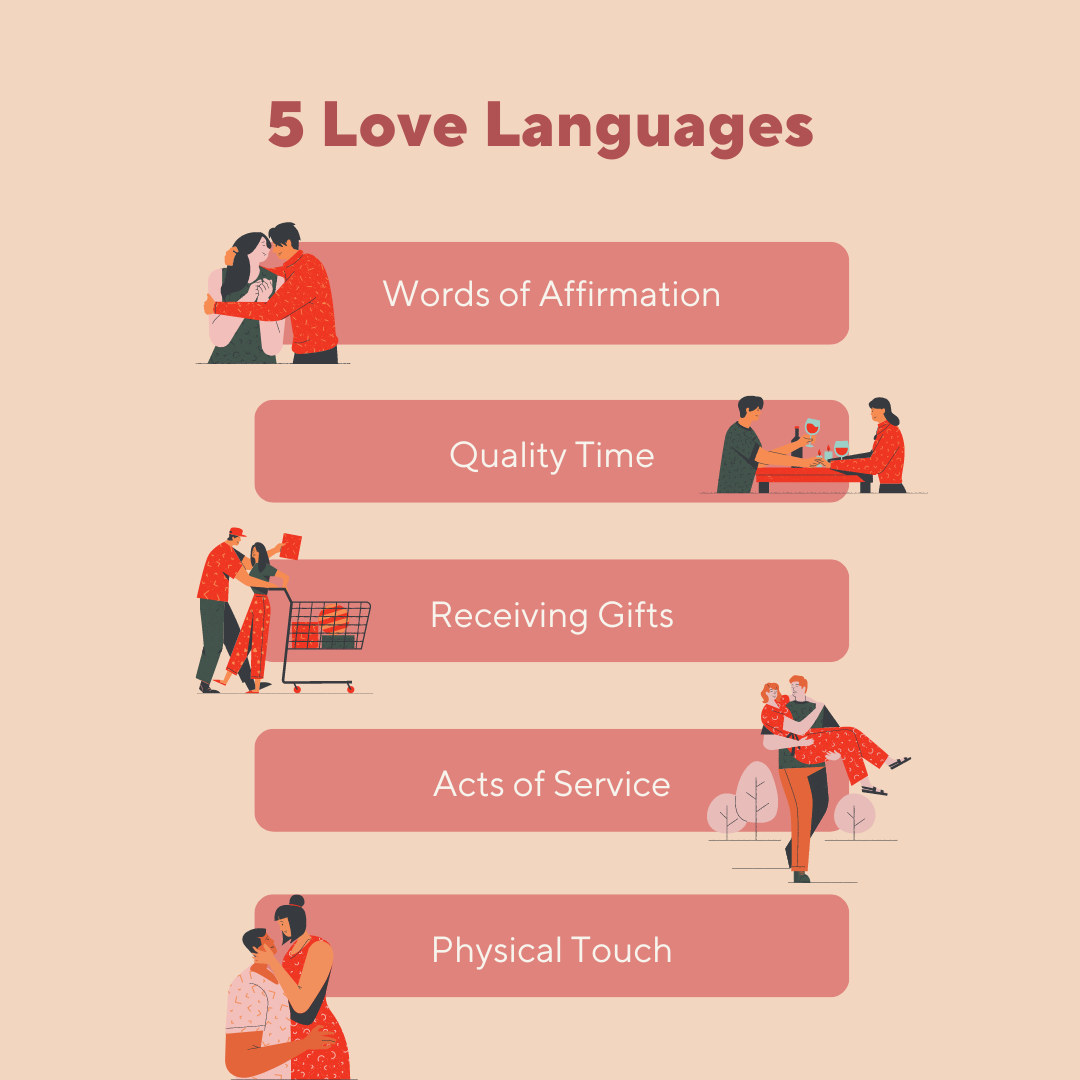
3. Decode and Adapt to Individual Love Languages
Understanding how different people give and receive love is essential for connection. While the concept of "Love Languages" (originally developed by Gary Chapman) has been around for years, its application in 2026 has evolved to include how we interact with digital tools and our changing social structures.
A connection often falters not because love is absent, but because it is being "spoken" in a language the other person doesn't prioritize. For instance, if you show love through "Acts of Service" (like fixing a broken appliance), but your partner prioritizes "Words of Affirmation," they may still feel unloved despite your hard work.
Comparing Love Languages in a Modern Context
| Love Language | Core Concept | 2026 Practical Example |
|---|---|---|
| Words of Affirmation | Verbal or written praise and appreciation. | Sending a voice note expressing specific gratitude for a character trait. |
| Acts of Service | Doing helpful tasks to ease the other person's burden. | Proactively managing the household's digital subscriptions or chore schedules. |
| Receiving Gifts | Tangible or digital tokens of affection. | Sending a surprise "experience" credit or a thoughtful, hand-picked physical item. |
| Quality Time | Undivided attention and shared activities. | Engaging in a 30-minute "no-screen" walk or a shared hobby without distractions. |
| Physical Touch | Non-sexual and sexual physical contact. | Intentional 20-second hugs or holding hands during a stressful conversation. |
The "Bid for Connection"
To unlock deeper connections, you must also recognize "bids." A bid is any attempt from one person to another for attention, affirmation, affection, or any other positive connection. A bid can be a sigh, a question, or a physical touch. Deeply connected couples or friends "turn toward" these bids rather than "turning away." Recognizing your partner's love language allows you to "turn toward" their bids more effectively.
4. Master Emotional Regulation and Conflict Repair
It is a misconception that deep connections are free of conflict. In fact, the depth of a connection is often determined by how well a couple or pair handles disagreements. In 2026, where stress levels are high due to global and economic shifts, the ability to regulate your own emotions during a fight is a superpower.
The "Four Horsemen" and the Soft Start-up
The Gottman Institute identifies four behaviors that predict the end of a relationship: Criticism, Contempt, Defensiveness, and Stonewalling. To unlock deeper connections, you must replace these with constructive habits. The most effective tool is the "Soft Start-up." Instead of beginning a conversation with an accusation ("You always forget the groceries!"), start with a neutral observation and an expression of need ("I noticed the fridge is empty, and I’m feeling stressed about dinner. Can we talk about a plan?").
The Importance of Repair Attempts
A "repair attempt" is any statement or action—silly or serious—that prevents negativity from escalating out of control. It could be a joke, a self-deprecating comment, or an apology in the middle of an argument. Research shows that the most successful relationships aren't those without fights, but those where repair attempts are made early and accepted readily. Repairing the bond quickly prevents the "emotional residue" that leads to long-term resentment.
Physiological Soothing
When we are in a heated argument, our bodies often enter "flooding"—a state where the heart rate exceeds 100 beats per minute and the "fight or flight" response takes over. In this state, the prefrontal cortex (the rational part of the brain) shuts down. To unlock deeper connections, learn to recognize flooding in yourself and your partner. If one of you is flooded, take a 20-minute break to engage in deep breathing or physical movement before resuming the conversation.
5. Establish Shared Meaning and Rituals of Connection
The final way to love and unlock deeper connections is to build a "shared culture." This involves creating rituals and goals that are unique to your relationship. In a world that is increasingly fragmented, having a shared sense of "us" provides a vital anchor.
Micro-Rituals vs. Macro-Rituals
Rituals don't have to be elaborate. In fact, "micro-rituals" are often more effective for daily connection.
- Morning Rituals: Sharing a cup of coffee for five minutes before the workday starts.
- Evening Rituals: The "Stress-Reducing Conversation," where each person shares the best and worst parts of their day without the other person trying to "fix" it.
- Weekly Rituals: A "State of the Union" meeting to discuss what went well in the relationship that week and what needs improvement.
Creating Shared Goals
Connections deepen when people move toward something together. This could be a shared financial goal, a fitness challenge, or a commitment to a community cause. When you work toward a common objective, you transition from being two individuals living parallel lives to being a unified team. This sense of partnership is one of the highest forms of emotional intimacy.
Common Barriers to Deep Connection
Even with the best intentions, certain modern habits can sabotage your efforts to unlock deeper connections. Recognizing these barriers is the first step toward overcoming them.
Emotional Avoidance
Many people use "busy-ness" as a defense mechanism against intimacy. If you find yourself constantly filling every spare moment with work, social media, or errands, you may be avoiding the quiet moments where real connection happens. To counter this, schedule "white space" in your calendar—time where nothing is planned and there is room for spontaneous conversation.
The Illusion of Perfection
The "social media effect" still lingers in 2026, leading many to believe that their relationships should look like a highlight reel. This creates a barrier because it discourages the "messy" conversations that actually build depth. True connection requires accepting the "bids" that are clumsy and the "vulnerability" that is unpolished.
Lack of Curiosity
Over time, we often think we know everything there is to know about our partners or friends. This "closeness-communication bias" leads to a decline in curiosity. To unlock deeper connections, adopt a "beginner’s mind." Ask open-ended questions like, "What is something you’re currently dreaming about?" or "How have your priorities changed in the last year?" Continued curiosity is the fuel for long-term intimacy.
Frequently Asked Questions
Can these methods work for platonic friendships?
Yes. While often discussed in the context of romantic partners, these five ways—presence, vulnerability, love languages, conflict repair, and rituals—are equally applicable to friendships and family dynamics. For example, a "ritual of connection" with a friend might be a monthly phone call or an annual hiking trip.
How do I start being vulnerable if I’m naturally private?
Start with "low-stakes" vulnerability. Share a minor mistake you made at work or a book that moved you emotionally. Pay attention to how the other person responds. If they meet your vulnerability with empathy, you will feel safer sharing more significant things over time.
What if my partner isn't interested in these strategies?
Focus on your own behavior first. Relationships are systems; when one person changes their input (e.g., by using a soft start-up or practicing active listening), the system is forced to adapt. Often, your partner will begin to mirror your positive behaviors without a formal discussion.
How long does it take to see a difference in a connection?
Some changes, like practicing radical presence, can yield immediate results in the "vibe" of an interaction. However, deeper shifts in intimacy and trust usually take weeks or months of consistent practice. Consistency is more important than intensity.
Are digital connections "less deep" than in-person ones?
Not necessarily, but they require more intentionality. To unlock deep connections digitally, you must prioritize synchronous communication (video calls or voice notes) over asynchronous text, as these formats convey more emotional nuance through tone and facial expression.
Practical Recommendation: The 24-Hour Connection Challenge
To begin unlocking deeper connections today, choose one of the five ways listed above and apply it within the next 24 hours. For most people, the easiest starting point is Radical Presence. During your next interaction with someone you care about, put your phone in a drawer, look them in the eye, and listen for five minutes without interrupting or offering advice. This small, intentional act is often the catalyst for a much larger transformation in your relationship health.