1980s comedies defined a golden era of cinematic humor, characterized by high-concept premises, teenage rebellion, satirical social commentary, and the rise of blockbuster auteur directors. This decade bridged traditional physical comedy with modern cynicism, establishing enduring tropes and launching generations of comedy superstars.
Introduction to the 1980s Comedy Landscape
The landscape of comedy cinema underwent a seismic shift between 1980 and 1989. Coming out of the counterculture-influenced, darker satirical comedies of the 1970s, the 1980s commercialized humor on a massive scale. Driven by the emergence of the "High Concept" pitch—films that could be summarized in a single, easily marketable sentence—studios invested heavily in comedic properties that could appeal simultaneously to teenagers and adults.
This era gave birth to several distinct subgenres: the gross-out college comedy, the cynical teen coming-of-age film, the fish-out-of-water adventure, the high-tech sci-fi comedy, and the adult workplace satire. Understanding 1980s comedies requires examining how economic deregulation, the rise of MTV culture, and shifting demographic targets transformed Hollywood writing and directing rooms. Directors like John Hughes, Harold Ramis, Ivan Reitman, and Zucker-Abrahams-Zucker (ZAZ) reshaped the vernacular of cinematic humor, blending slapstick with deadpan delivery and rapid-fire gag rates.
Major Subgenres and Defining Characteristics
The High-Concept and Gross-Out College Comedy
The decade kicked off with a focus on institutional rebellion and bodily humor, heavily influenced by 1978's National Lampoon's Animal House. These films targeted authority figures—deans, military commanders, and wealthy elites—and championed anti-establishment chaos.
- Key Tropes: Fraternities, hazing, underdog competitions, and total disregard for bourgeois decorum.
- Notable Examples: Caddyshack (1980), Stripes (1981), Police Academy (1984), and Revenge of the Nerds (1984).
- Aesthetic: Bright, sunlit country clubs or gritty urban academies, utilizing ensemble casts where each character represents a distinct, hyperbolic personality archetype.
The John Hughes Teen Coming-of-Age Comedy
While gross-out comedies dominated early box offices, writer-director John Hughes revolutionized the teen comedy by introducing emotional sincerity, socio-economic anxiety, and genuine psychological depth to adolescent characters.
- Key Tropes: High school social stratification, rebellious outsiders, romantic longing, and parental alienation.
- Notable Examples: Sixteen Candles (1984), The Breakfast Club (1985), Weird Science (1985), and Ferris Bueller’s Day Off (1986).
- Aesthetic: Suburban Midwestern backdrops, iconic New Wave and synth-pop soundtracks, and intimate, dialogue-driven confrontations in institutional settings like libraries or detention halls.
Parody and Satire
The parody film reached its technical zenith in the 1980s, primarily through the work of the ZAZ team (David Zucker, Jim Abrahams, and Jerry Zucker). They popularized the joke-per-minute style, subverting serious cinematic genres like disaster films, spy thrillers, and police procedurals.
- Key Tropes: Visual background gags, deadpan delivery of absurd lines, puns, and direct mockery of cinematic clichés.
- Notable Examples: Airplane! (1980), Top Secret! (1984), and The Naked Gun: From the Files of Police Squad! (1988).
- Aesthetic: Meticulously recreated genre sets juxtaposed against completely nonsensical background and foreground action.
Comparative Overview of 1980s Comedy Subgenres
| Subgenre | Core Narrative Focus | Primary Target Audience | Defining Artistic Technique | Representative Film |
|---|---|---|---|---|
| Gross-Out / Institutional | Underdogs fighting rigid corporate or educational authorities | Teens and young adults | Slapstick, gross-out humor, ensemble chaos | Animal House (1978/transition) / Caddyshack (1980) |
| Teen Coming-of-Age | Adolescent identity, angst, and social class divides | Teenagers and young adults | Emotional realism mixed with witty banter | The Breakfast Club (1985) |
| Parody / Satire | Systematic dismantling of serious cinematic genres | General audiences of all ages | Rapid-fire background gags and deadpan delivery | Airplane! (1980) |
| High-Concept Supernatural | Merging everyday mundane life with the extraordinary | Family and mainstream audiences | Practical special effects combined with dry wit | Ghostbusters (1984) |
The Mechanics of Humor: Writing and Directing Styles
The comedic voice of the 1980s relied heavily on the transition from scripted vaudeville traditions to improvisational comedy troupes. Many of the decade's biggest stars—such as Bill Murray, Dan Aykroyd, John Belushi, Chevy Chase, and Eddie Murphy—graduated from institutions like The National Lampoon Radio Hour, Saturday Night Live (SNL), and The Second City.
This background introduced a rhythm based on timing, deadpan pauses, and deliberate under-reaction to bizarre circumstances. Unlike the screwball comedies of the 1930s or the broad physical shtick of early silent cinema, 1980s comedy often relied on protagonists who maintained a cool, ironic detachment from the absurdity surrounding them.
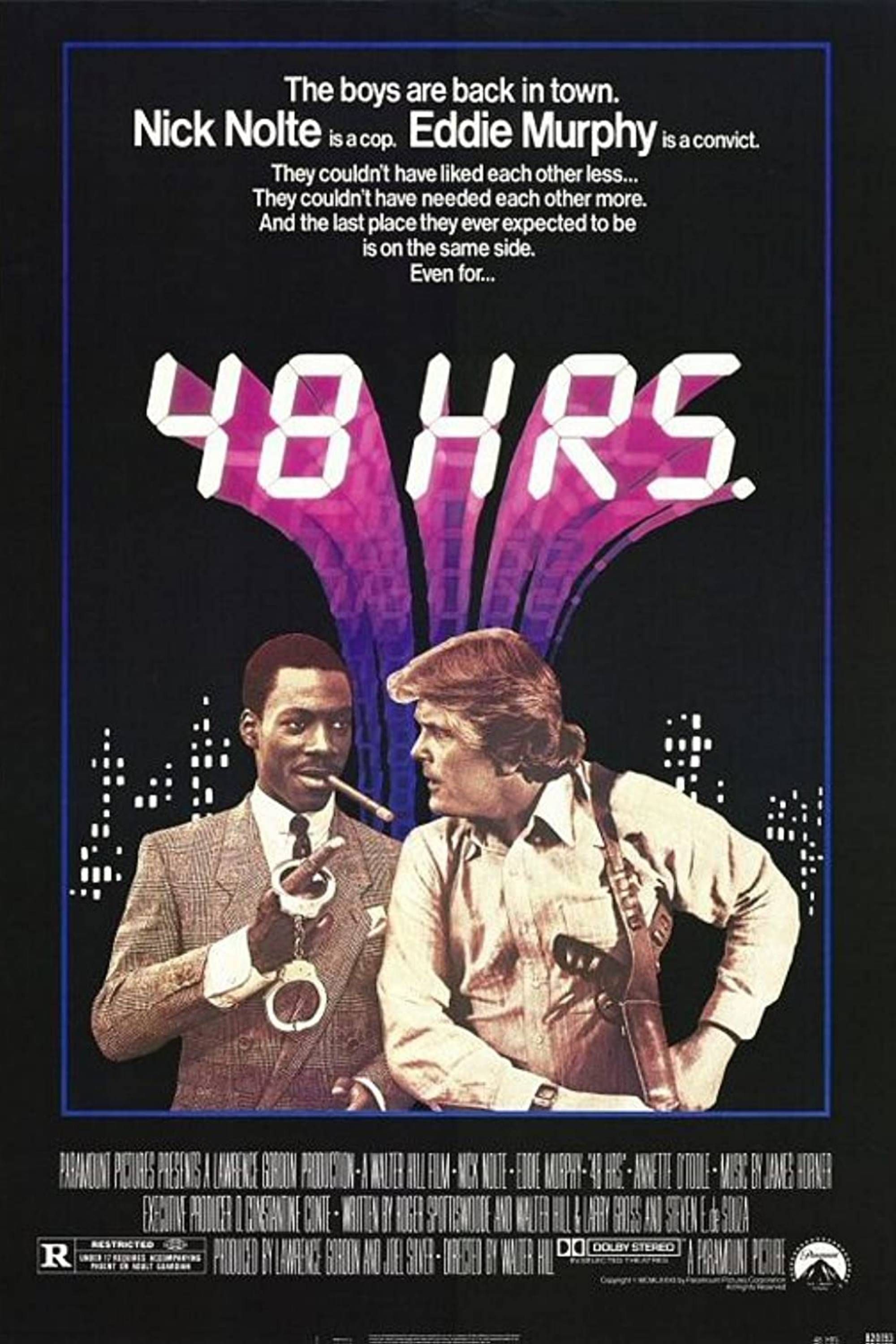
Furthermore, the introduction of Eddie Murphy marked a structural pivot in action-comedies. Films like 48 Hrs. (1982) and Beverly Hills Cop (1984) combined gritty urban crime thrillers with rapid-fire comedic improvisation, establishing the blueprint for the modern buddy-cop and action-comedy blockbusters of subsequent decades.
Economic and Technological Influences
The box office success of 1980s comedies was inextricably linked to changes in media distribution and studio economics.
The Rise of Home Video (VHS)
The rapid adoption of the videocassette recorder (VCR) in home markets fundamentally altered how comedies performed. Films that experienced modest theatrical runs could achieve cult status and profitability through VHS rentals. Studios recognized that comedies had exceptional replay value compared to dramas or mysteries, leading to higher investments in repeatable, quotable cinematic experiences.
Soundtrack Synergy and MTV Culture
The launch of MTV in 1981 created a direct marketing pipeline between pop music and film. 1980s comedies heavily leveraged contemporary pop, rock, and synth-pop tracks to establish mood, pace sequences, and sell tie-in cassette soundtracks. Iconic musical cues—such as Ray Parker Jr.’s theme for Ghostbusters or Simple Minds' "Don't You (Forget About Me)" in The Breakfast Club—became permanent cultural markers of the films themselves.
Common Tropes, Structural Tropes, and Narrative Patterns
Examining a cross-section of successful 1980s comedies reveals recurring structural frameworks that writers utilized to guarantee audience engagement:
- The Fish Out of Water: Placing a working-class or urban character into a wealthy, rural, or foreign environment (e.g., Trading Places, Crocodile Dundee).
- The Body Swap / Age Transformation: Adults trapped in teen bodies or vice-versa, exploring the contrast between youthful innocence and adult cynicism (e.g., Big, Like Father Like Son, Vice Versa).
- The Montage Sequence: Utilizing compressed musical montages to track rapid skill acquisition, romantic bonding, or chaotic preparation for a major event (e.g., training montages in Caddyshack or prank preparation in Real Genius).
Evaluating the Legacy and Cultural Critique
While 1980s comedies remain widely celebrated for their energy, inventiveness, and nostalgia value, contemporary re-evaluations highlight several problematic elements. Modern viewers often note persistent tropes related to gender stereotyping, non-consensual romantic pursuits, casual homophobia, and racial caricatures that reflect the prevailing cultural norms of late-20th-century media production.
Recognizing these limitations is essential for a complete historical understanding of the era. Scholars and film critics often analyze these pictures not merely as pure entertainment, but as historical artifacts documenting the shifting social anxieties of the Reagan era, including corporate greed, suburban alienation, the Cold War, and changing gender roles in the workplace.
Frequently Asked Questions
What defined the comedic style of 1980s movies compared to previous decades?
1980s comedies shifted away from the darker, counter-cultural satire of the 1970s toward high-concept premises, commercial accessibility, and improvisational comedy styles rooted in television sketch shows like Saturday Night Live. They emphasized fast-paced gags, quotable dialogue, and relatable adolescent or anti-authoritarian protagonists.
Which directors had the most significant impact on 1980s comedy cinema?
John Hughes, Harold Ramis, Ivan Reitman, and the ZAZ trio (David Zucker, Jim Abrahams, and Jerry Zucker) were the primary architects of the era. Their films established the definitive templates for teen coming-of-age narratives, supernatural blockbusters, and cinematic parodies.
How did the home video market change the success of 1980s comedies?
The proliferation of VCRs allowed films with modest theatrical box office returns to find massive secondary audiences through rentals and purchases. Because comedies offered high rewatchability, they became financial staples of the early home video industry.
Are 1980s comedies still relevant for modern audiences?
Yes, many 1980s comedies retain strong cultural relevance due to their foundational influence on modern humor, memorable characters, and iconic soundtracks. However, contemporary audiences often approach certain older titles with a critical eye regarding social norms, representation, and outdated tropes.
What role did television sketch comedy play in shaping 1980s movie stars?
A vast majority of 1980s comedy leads—including Bill Murray, Dan Aykroyd, Eddie Murphy, Chevy Chase, and Steve Martin—honed their timing, character work, and improvisational skills in live television settings before transitioning to major feature films.
Conclusion and Next Actions
Exploring 1980s comedies offers a direct window into the commercial and cultural evolution of modern Hollywood. To deepen your appreciation of this cinematic era, begin by curating a watch list that spans multiple subgenres—comparing the structural precision of a ZAZ parody like Airplane! with the emotional sincerity of John Hughes's The Breakfast Club and the supernatural spectacle of Ghostbusters. Analyze how each film uses music, pacing, and character archetypes to achieve its comedic effect, keeping historical context in mind.