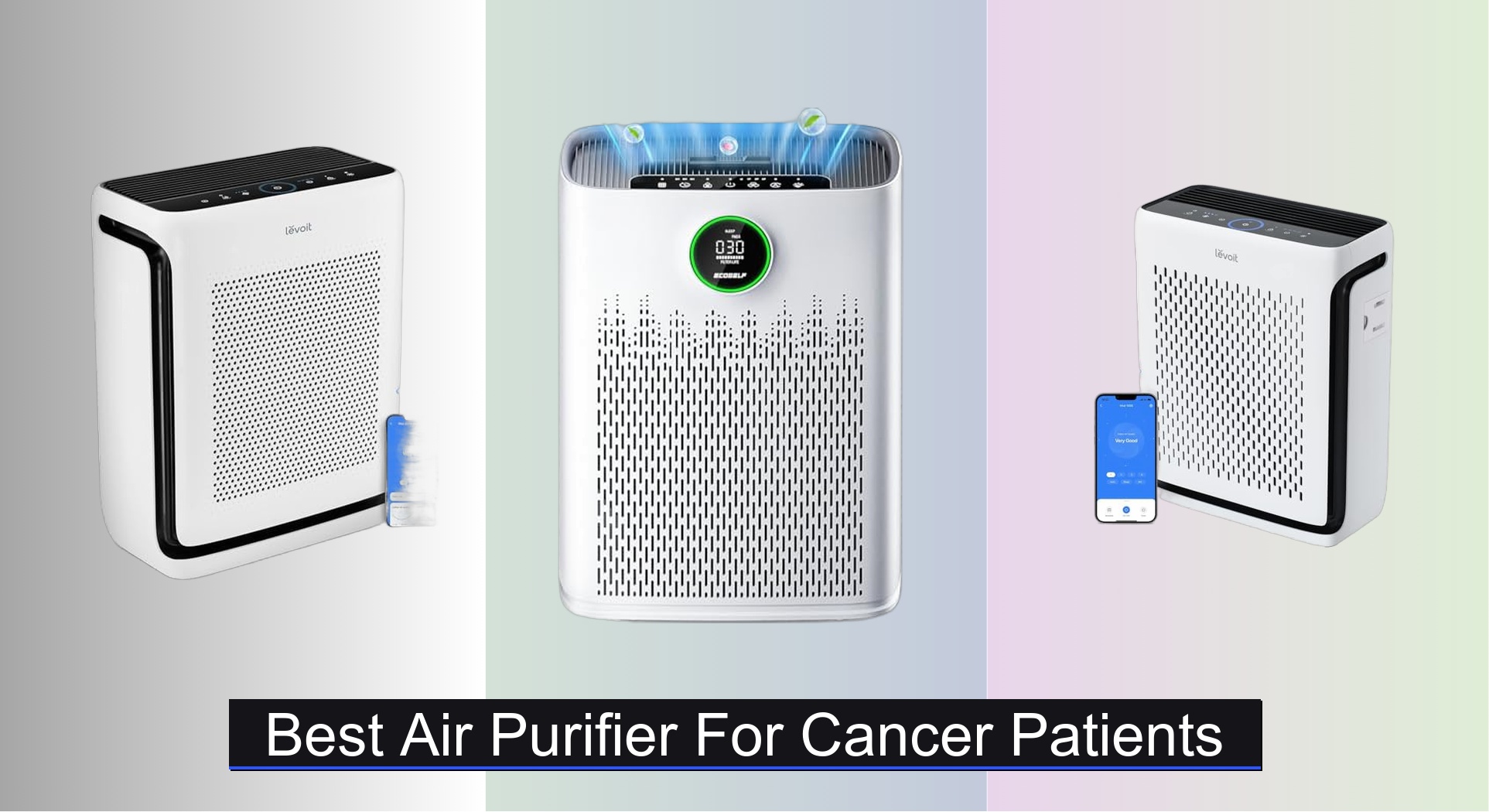
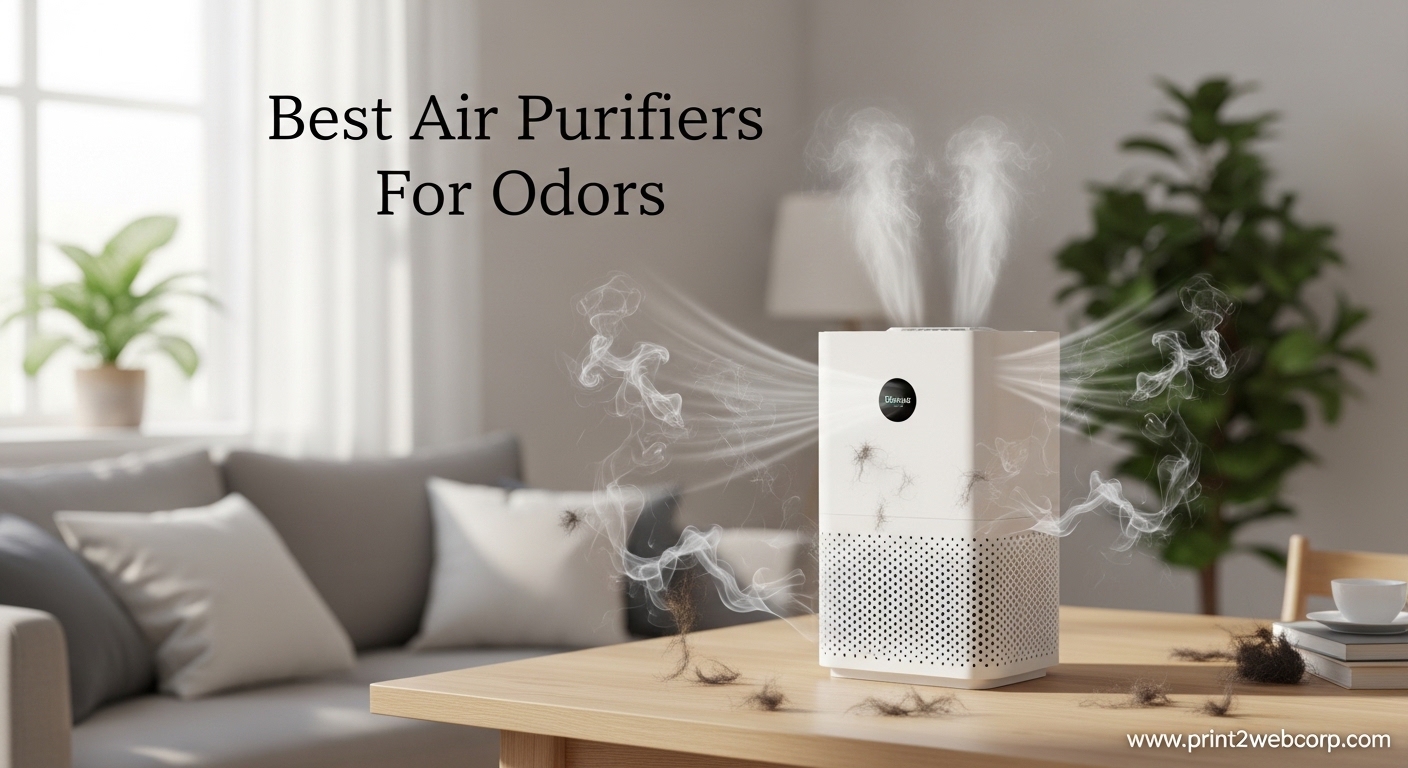
Choosing the right air purifier requires balancing room size, filtration technology, noise levels, and long-term maintenance costs to effectively remove indoor pollutants and allergens from your living space.
Indoor air quality has become a central focus for modern households. Whether you are managing chronic allergies, seeking relief from seasonal wildfire smoke, or simply aiming to reduce household dust, finding the right appliance is essential. The market features a wide spectrum of devices, ranging from compact desktop units designed for small offices to whole-room systems capable of handling open-concept living areas. Navigating this landscape requires more than just picking a popular brand; it involves understanding how different filtration mechanisms work, calculating clean air delivery rates, and anticipating the ongoing cost of replacement filters.
This guide provides a comprehensive overview of the top-performing air purifiers available, breaks down critical technical specifications, and offers a structured framework to help you choose a device tailored to your specific environment.
Understanding Air Purifier Technology and Terminology
Before evaluating specific models, it is important to decode the technical language used by manufacturers. Without this baseline, comparing units across different price points and brands can lead to mismatched expectations regarding performance and operating costs.
HEPA Filtration and True HEPA Standards
The gold standard for particle removal is High-Efficiency Particulate Air (HEPA) filtration. A True HEPA filter is certified to capture 99.97% of airborne particles down to 0.3 microns in size. This includes microscopic irritants such as pollen, pet dander, mold spores, and fine dust.
When shopping, buyers often encounter terms like "HEPA-type" or "HEPA-like." These labels indicate that the material mimics the structure of HEPA filters but lacks official certification, meaning it may let smaller particles pass through. For households dealing with severe allergies or respiratory sensitivities, verifying True HEPA certification is vital.
CADR and Room Coverage
The Clean Air Delivery Rate (CADR) measures the volume of filtered air delivered by an air purifier, expressed in cubic feet per minute (CFM). Higher CADR numbers indicate a faster cleaning cycle. Manufacturers usually provide separate CADR ratings for smoke, dust, and pollen.
To determine if a unit is powerful enough for your space, look at the recommended square footage. A common industry benchmark is the AHAM (Association of Home Appliance Manufacturers) guideline, which recommends a CADR that equals at least two-thirds of the room's area in square feet. For example, a 300-square-foot bedroom typically requires a unit with a smoke CADR of at least 200.
Activated Carbon and Chemical Filtration
While HEPA filters excel at trapping solid particles, they do not neutralize gases, volatile organic compounds (VOCs), or household odors. This is where activated carbon filters come in. Carbon filters contain a vast network of microscopic pores that adsorb chemical pollutants, cooking smells, and smoke odors. Units that combine a True HEPA filter with a thick bed of activated carbon offer the most comprehensive purification for modern homes.
Key Factors to Evaluate Before Purchasing
Selecting the ideal air purifier extends beyond technical ratings. Real-world usability depends heavily on ongoing maintenance requirements, acoustic profiles, and energy consumption.
1. Replacement Filter Costs and Lifespan
An air purifier is a recurring investment. While the upfront purchase price matters, the cost of replacement filters—typically required every 6 to 12 months—dictates the total cost of ownership. Some smart units feature filter-life monitors that track actual usage rather than relying on a strict calendar schedule, ensuring you do not replace filters prematurely.
2. Noise Levels and Sleep Mode Performance
Air purifiers are continuous-operation appliances. If you plan to place a unit in a bedroom or nursery, low-speed noise levels are critical. High fan speeds can generate a noticeable white noise, but a well-engineered unit should operate quietly on its lowest setting (typically under 30 decibels) without sacrificing essential air circulation.
3. Energy Efficiency and Certification
Because these devices run for hours at a time, power consumption is a practical consideration. Look for models bearing the Energy Star certification, which indicates that the unit meets strict energy efficiency guidelines set by the U.S. Environmental Protection Agency without compromising performance.
Comparative Overview of Leading Air Purifier Categories
Different living spaces and user requirements demand distinct appliance designs. The following table contrasts three primary categories of air purifiers based on typical use cases, maintenance profiles, and performance characteristics.
| Category / Use Case | Primary Filtration Type | Best For | Average Filter Lifespan | Typical Maintenance Consideration |
|---|---|---|---|---|
| Compact / Desktop | True HEPA + Thin Carbon | Small bedrooms, home offices, nurseries | 6 to 8 months | Frequent checks; smaller surface area loads faster in dusty rooms. |
| Medium-to-Large Room | True HEPA + Granular Carbon | Living rooms, open-concept apartments | 8 to 12 months | Balanced performance; moderate replacement filter costs. |
| Smart / Heavy-Duty | Medical-grade HEPA + Thick Carbon + Sensors | Large spaces, severe allergies, wildfire-prone areas | 12 months | Higher upfront cost; alerts for real-time air quality changes. |
Selecting the Right Unit for Specific Living Environments
No single air purifier fits every household. Tailoring your choice to your specific environment ensures optimal air cleaning efficiency.
For Pet Owners
Homes with multiple cats or dogs deal with floating fur, dander, and persistent odors. When choosing an air purifier for pet-heavy environments, prioritize units with a washable pre-filter that catches large hair clumps before they clog the primary HEPA filter. Additionally, a robust activated carbon stage is necessary to neutralize pet odors effectively.
For Allergy and Asthma Sufferers
Medical guidance for allergy management emphasizes minimizing exposure to airborne triggers. Look for sealed-system air purifiers—often referred to as 360-degree intake or true-sealed units—which ensure that air drawn into the device cannot bypass the HEPA filter through unsealed seams. This prevents captured allergens from leaking back out into the room.
For Urban Apartments and Smoke-Prone Regions
City dwellers facing traffic pollution, industrial emissions, or seasonal wildfire smoke need high smoke CADR ratings. In these scenarios, heavy-duty units equipped with both high-capacity particulate filters and deep-bed carbon filters provide the necessary defense against fine particulate matter ($PM_{2.5}$) and noxious gases.
Common Mistakes to Avoid When Using Air Purifiers
Even the highest-rated air purifier will underperform if installed or maintained incorrectly. Avoiding common pitfalls maximizes your investment.
- Incorrect Sizing: Purchasing a compact desktop unit for a large, open-plan living room results in inadequate air changes per hour. Always match the unit's CADR rating to the room's square footage.
- Poor Placement: Placing an air purifier flat against a wall or behind furniture restricts airflow. Most units require at least 12 to 18 inches of clearance around their intake and output grills to circulate air effectively.
- Neglecting Filter Maintenance: Allowing dust and debris to accumulate past the manufacturer's recommended lifespan forces the motor to work harder, reducing airflow and potentially releasing trapped pollutants back into the room.
- Relying on Ozone Generators: Avoid devices that intentionally generate ozone (often marketed as "activated oxygen" or air sanitizers). Ozone is a lung irritant that can exacerbate asthma and other respiratory conditions. Stick to mechanical filtration methods like HEPA and carbon.
Frequently Asked Questions
Do air purifiers eliminate viruses and bacteria?
True HEPA filters are physically capable of trapping microscopic biological particles, including many bacteria and viral droplets, because these particles attach to larger dust or moisture carriers. However, an air purifier is a passive device; it cannot actively sterilize a room or prevent transmission if an infected person is in close proximity to others. Some units feature UV-C light or ionizer technologies, but mechanical filtration remains the primary driver of pathogen reduction.
How many times per hour should an air purifier cycle room air?
For optimal air quality, look for a unit capable of performing four to five complete air changes per hour (ACH) in your designated room size. This high turnover rate ensures that newly introduced pollutants are captured quickly before they settle on surfaces.
Can air purifiers completely replace house ventilation?
No. Air purifiers clean existing indoor air by recirculating it through filters, but they do not introduce fresh oxygen or expel indoor carbon dioxide. Maintaining healthy indoor air quality still requires periodic natural ventilation, such as opening windows when outdoor air quality permits, or utilizing proper mechanical ventilation systems.
Are smart features like air quality sensors necessary?
Smart sensors—which automatically adjust fan speeds based on real-time particle detection—add convenience and can improve energy efficiency by running the unit on low when air is clean and ramping up during cooking or cleaning. While not strictly mandatory for effective filtration, they remove the guesswork from daily operation.
Practical Next Steps for Your Purchase
Begin by measuring the square footage of the room where you need the most relief. Check the manufacturer's CADR ratings rather than relying solely on marketing claims about room size. Factor in the recurring cost of replacement filters to ensure long-term affordability, and verify that the unit's noise levels align with your lifestyle. By matching appliance specifications to your exact environmental challenges, you can secure cleaner, healthier indoor air for years to come.