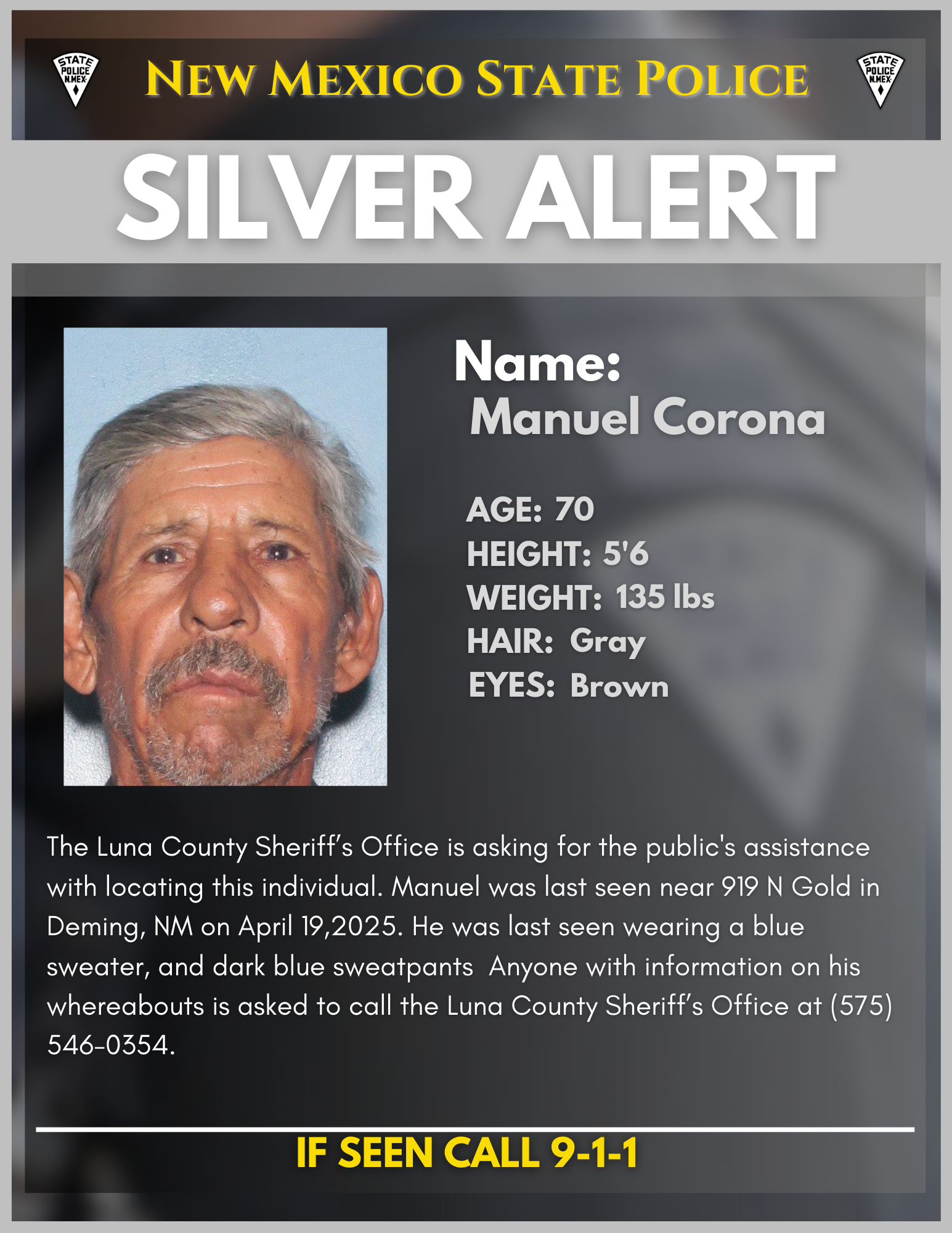
Understanding public safety emergency response systems is vital for communities dealing with vulnerable populations. In the state of Florida, the Silver Alert program serves as a critical public safety tool designed specifically to protect older adults and individuals with cognitive impairments who go missing. As technology and communication channels evolve through 2026, understanding the precise activation criteria, operational workflows, and community responsibilities associated with this system remains essential for caregivers, family members, and local law enforcement agencies.
Core Definition and Legislative Foundation of Florida's Silver Alert
Established via executive order and codified through state legislation, the Florida Silver Alert is an emergency notification system. It is specifically engineered to broadcast information regarding missing adults who suffer from irreversible cognitive impairments, such as Alzheimer's disease, dementia, or other related brain disorders.
The primary objective is to leverage public broadcast networks, digital highway signs, and media outlets to recover missing vulnerable individuals before they experience severe harm, exposure, or vehicular accidents. Unlike standard missing persons reports, a Silver Alert bridges the gap between local police departments and state-wide public awareness, mobilizing citizens to act as an extended network of observers.
Operational Mandate: The Silver Alert program relies on the immediate cooperation of local law enforcement agencies, the Florida Department of Law Enforcement (FDLE), and the Florida Department of Transportation. Time is the single most critical factor in safe recoveries, making rapid reporting mandatory.
Official Activation Criteria for a 2026 Florida Silver Alert
Law enforcement agencies cannot issue a Silver Alert for every missing person case. Strict statutory criteria must be met before an alert is transmitted across public infrastructure. These guardrails prevent alert fatigue among citizens while ensuring the system remains dedicated to high-risk cognitive impairment cases.
- Diagnosis or Impairment: The missing person must have an irreversible cognitive impairment, verified by family, caregivers, or medical documentation.
- Age Requirement: Generally, the missing individual must be 60 years of age or older, though exceptions can be made for younger adults with documented severe cognitive disabilities (such as early-onset dementia or traumatic brain injury).
- Indication of Danger: There must be a clear indication that the individual is in life-threatening danger, such as being unequipped for weather conditions, lacking necessary prescription medication, or exhibiting extreme disorientation.
- Mode of Disappearance: The disappearance must be unexplained, involuntary, or involve a vehicle, making the individual's location entirely unknown to caregivers.
- Local Law Enforcement Validation: A local police department or sheriff's office must have already taken a missing person report, verified the details, and entered the information into the Florida Crime Information Center (FCIC) and National Crime Information Center (NCIC).
Operational Workflow: Step-by-Step Execution of a Silver Alert
When a vulnerable adult vanishes, family members and law enforcement must follow a synchronized procedural workflow. Navigating this process efficiently maximizes the likelihood of a swift and safe recovery.
- Immediate Discovery and Verification: Caregivers recognize the individual is missing and immediately gather vital details, including a recent photograph, a description of clothing, medical history, and vehicle license plate numbers if applicable.
- Contacting Local Law Enforcement: Call 911 immediately to file a formal missing persons report. Explicitly state if the missing person has a diagnosis of dementia, Alzheimer's, or another cognitive disorder.
- Agency Evaluation: The responding local law enforcement agency assesses the situation against state-mandated Silver Alert criteria.
- Requesting State Activation: If criteria are met, the local agency contacts the FDLE Missing Endangered Persons Information Clearinghouse to request a formal state-wide or regional alert.
- Broadcasting and Public Dissemination: FDLE activates the alert, transmitting data to the media, dynamic message signs on state highways, lottery terminals, and participating digital platforms across Florida.
Comparison of Florida Public Emergency Alert Systems
The state of Florida manages multiple emergency notification networks. Misunderstanding which alert applies to a specific situation can delay effective responses. The following table contrasts the Silver Alert with other primary emergency notifications active in 2026.
| Alert Type | Target Demographic | Primary Activation Criteria | Dissemination Channels |
|---|---|---|---|
| Silver Alert | Adults (typically 60+) with cognitive impairments | Missing vulnerable adult in life-threatening danger due to mental impairment | Highway dynamic message signs, media broadcasts, local bulletins |
| Amber Alert | Children under 18 years of age | Child is missing, under 18, and in imminent danger of serious bodily harm or death | Wireless Emergency Alerts (WEAs), highway signs, media, lottery systems |
| Missing Endangered Adult Alert | Adults of any age | Missing adult who does not meet Silver Alert criteria but faces acute risk due to disability, physical ailment, or danger | Regional media, targeted law enforcement broadcasts, localized bulletins |
| Blue Alert | Law enforcement personnel | Law enforcement officer has been killed, seriously injured, or assaulted, and the suspect is at large | Statewide wireless emergency alerts, highway signs, broadcast media |
Pros, Limitations, and Operational Realities
Evaluating the effectiveness of the Silver Alert system requires a balanced look at its structural advantages alongside inherent logistical challenges.
Advantages
- Rapid Public Mobilization: Engages thousands of motorists and residents simultaneously via highway signs and digital alerts.
- No Waiting Period: Unlike outdated misconceptions about missing persons, there is no mandatory 24-hour waiting period to file a report or request an alert for a vulnerable adult.
- Inter-Agency Coordination: Seamlessly connects local municipal police, county sheriff offices, and state-level departments through unified databases.
Limitations and Challenges
- Alert Fatigue: Overuse or broadcasting alerts across excessively wide geographical regions can desensitize the public to future notifications.
- Technological Barriers: Relies heavily on drivers noticing highway signs or individuals opting into digital news feeds; adults without smartphones or who avoid media may miss critical updates.
- Strict Statutory Boundaries: Individuals who wander off due to mental health crises without a formal cognitive impairment diagnosis may fail to meet rigid Silver Alert criteria, requiring alternative investigative paths.
Preventive Strategies and Safety Technologies for Caregivers
While the Silver Alert system provides a vital safety net, prevention remains the most effective defense against wandering behavior. Caregivers managing loved ones with cognitive decline in Florida should implement robust, multi-layered security measures.
- Enroll in Safe Return Programs: Utilize community registry programs offered by local Florida law enforcement agencies that keep pre-registered emergency profiles of vulnerable residents on file.
- Wearable GPS Tracking Devices: Invest in cellular or satellite-enabled GPS tracking bracelets, shoe inserts, or pendants that allow real-time location tracking via mobile applications.
- Home Security Enhancements: Install high-mounted door locks, keypad deadbolts, door chimes, or motion-activated security cameras to alert family members immediately if an individual attempts to leave unassisted.
- Secure Identification: Ensure the vulnerable adult consistently carries identification cards or wears medical alert jewelry detailing their diagnosis, emergency contact numbers, and home address.
Frequently Asked Questions
What is the age requirement to trigger a Silver Alert in Florida?
Generally, the missing individual must be 60 years of age or older, though exceptions are evaluated if a younger adult suffers from severe, documented cognitive impairments like early-onset dementia. A Silver Alert requires that the missing person be at least 60 years old and diagnosed with an irreversible cognitive impairment.
Is there a waiting period before reporting a missing person in Florida?
No waiting period exists to report a missing person, especially when dealing with vulnerable adults who have cognitive impairments. Law enforcement agencies must take missing endangered persons reports immediately upon notification.
Who has the authority to issue a Florida Silver Alert?
Local law enforcement agencies must initiate the request, which is then formally reviewed and broadcasted through the Florida Department of Law Enforcement (FDLE). Local police departments or sheriff's offices handle the initial intake and verify criteria before state distribution.
Can a Silver Alert be issued if the missing person is traveling in a vehicle?
Yes, Silver Alerts frequently involve missing individuals driving automobiles, which is why dynamic electronic message boards on Florida highways display vehicle descriptions, makes, models, and license plate numbers.
What should a citizen do if they spot a vehicle or person matching a Silver Alert?
Call 911 immediately and report the exact location, direction of travel, and any distinguishing observations without attempting to intervene physically. Immediate notification to emergency dispatchers ensures trained personnel handle the recovery safely.
Conclusion and Next Steps
The Florida Silver Alert system stands as a critical lifeline for families navigating the challenges of cognitive decline and wandering behavior. By understanding the precise statutory criteria, operational workflows, and preventive technologies available in 2026, caregivers can protect their loved ones proactively. If you suspect a vulnerable family member is missing, contact your local law enforcement agency immediately by dialing 911 to initiate emergency protocols and request a Silver Alert evaluation.