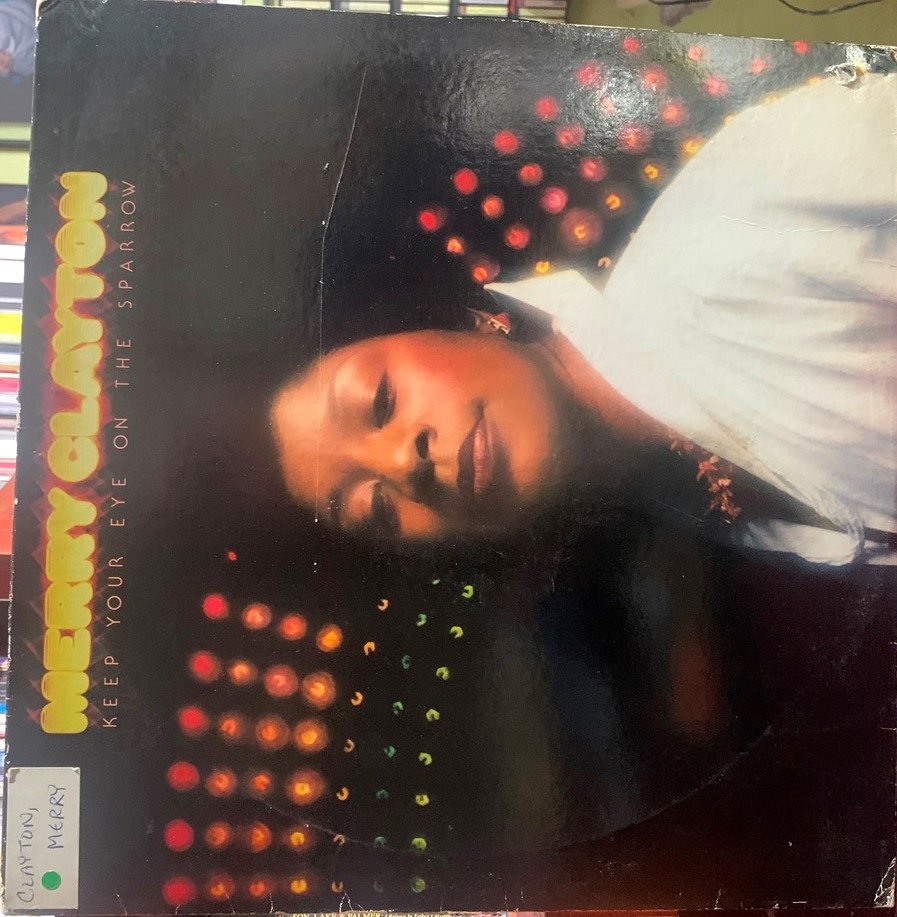
Merry Clayton’s discography spans over six decades, encompassing soul-stirring solo albums, chart-topping soundtrack singles, and some of the most iconic vocal collaborations in rock history. Best known for her piercing duet on "Gimme Shelter," her body of work includes five studio albums and hundreds of session credits for legends like The Rolling Stones and Carole King.
The Foundation of a Soul Powerhouse
To understand the breadth of Merry Clayton’s discography, one must first look at her origins as a gospel prodigy. Born into a deeply religious family in New Orleans, Clayton began her professional career at the age of 14, recording a duet with Bobby Darin ("Who Can I Count On?") in 1962. This early exposure to the recording industry set the stage for a career defined by technical precision and raw emotional power.
In the mid-1960s, Clayton became a member of The Raelettes, the celebrated backing group for Ray Charles. Her time with Charles was a masterclass in vocal arrangement and discipline, skills she would later apply to her solo ventures. While her name did not always appear on the front of the LP jackets during this era, her presence was the engine behind numerous rhythm and blues hits. By the time she transitioned to a solo artist under Lou Adler’s Ode Records, she had already established herself as one of the most sought-after session vocalists in Los Angeles.
Solo Studio Albums: From Gospel to Soul-Rock
Merry Clayton’s solo career officially took flight in 1970. Her solo discography is characterized by a blend of sacred gospel fervor and the secular grit of 1970s soul and rock. As of 2026, her studio output remains a cornerstone for collectors of "Deep Soul."
Gimme Shelter (1970)
Following the explosive success of her guest appearance with The Rolling Stones, Lou Adler fast-tracked Clayton’s debut solo album. Titled Gimme Shelter, the record was a bold statement of intent. It featured a soulful reimagining of the title track, which allowed Clayton to reclaim the song as a lead artist. The album also included covers of contemporary hits like "Bridge Over Troubled Water" and "Spooky," showcasing her ability to transform familiar melodies into powerhouse soul anthems.
Merry Clayton (1971)
Her self-titled second album, also released on Ode Records, is often cited by critics as her most cohesive work. Produced by Adler, the album leaned into the "California Soul" sound. It featured contributions from Billy Preston and Carole King. The track "After All This Time" remains a highlight of her 1970s output, blending sophisticated pop arrangements with her signature gospel-inflected delivery.
Keep It Warm (1975)
By the mid-70s, Clayton moved toward a more polished, R&B-focused sound. Keep It Warm showcased her versatility, moving away from the rock-heavy influences of her debut toward a smoother, more rhythmic production style. While it did not achieve the same level of commercial success as her earlier work, it solidified her reputation as a vocalist capable of handling complex jazz and funk arrangements.
Emotion (1980)
Released on MCA Records, Emotion captured the transition of soul music into the early 80s contemporary R&B scene. The production was slicker, incorporating synthesizers and the polished studio techniques of the era. This album contains some of her most technically demanding vocal performances, though it remains a "hidden gem" in her wider catalog.
Beautiful Scars (2021)
After a long hiatus from solo recording and surviving a life-altering car accident in 2014, Clayton returned with Beautiful Scars. Recorded at the legendary Sunset Sound, the album was a triumphant return to her gospel roots. Produced by Lou Adler and Terry Young, the record featured songs written specifically for her by Diane Warren and Coldplay’s Chris Martin. In 2026, this album is viewed as the definitive "late-period" masterpiece, proving that her vocal range and emotional depth remained undiminished by time or tragedy.
Essential Singles and Chart Performance
While Clayton is often celebrated for her album tracks, her singles discography contains several milestones that bridged the gap between underground soul and mainstream pop.
- "The Shoop Shoop Song (It's in His Kiss)" (1963): Clayton recorded the original version of this song before Betty Everett made it a hit. Her version remains a fascinating artifact of the early 1960s girl-group sound.
- "Gimme Shelter" (1970): Her solo version reached the Billboard Hot 100, proving that she could carry a rock anthem on her own merits.
- "After All This Time" (1971): This single remains a staple of soul radio and showcased her ability to handle mid-tempo, sophisticated R&B.
- "Yes" (1987): Featured on the Dirty Dancing soundtrack, this track became one of her biggest commercial successes. The song's high-energy production and Clayton’s soaring vocals helped propel the soundtrack to multi-platinum status.
The Art of the Collaboration: A Session Legend
The most significant portion of Merry Clayton’s discography arguably lies in her collaborative work. She is the "voice behind the stars," providing the harmonic backbone for some of the most influential albums of the 20th century.
The Rolling Stones: "Gimme Shelter" (1969)
The story of this collaboration is legendary: Clayton was called into the studio in the middle of the night, pregnant and wearing pajamas, to record the "Rape, murder! It's just a shot away" refrain. Her voice famously cracks under the strain of her intensity, a moment the Stones left in the final mix because of its raw power. This remains the single most famous guest vocal in rock history.
Lynyrd Skynyrd: "Sweet Home Alabama" (1974)
Clayton, along with Clydie King, provided the backing vocals for this Southern rock anthem. Her soulful counterpoint to Ronnie Van Zant’s lead gave the track a gospel depth that helped it transcend its controversial lyrical themes.
Carole King: Tapestry (1971)
Clayton’s contributions to Tapestry—one of the best-selling albums of all time—are often overlooked but essential. She provided backing vocals on tracks like "Way Over Yonder," helping to craft the warm, organic sound that defined the singer-songwriter era.
Other Notable Collaborations
- Joe Cocker: Provided vocals for his self-titled 1969 album and the Mad Dogs & Englishmen tour.
- Neil Young: Appeared on his debut solo album.
- Tori Amos: Provided backing vocals on the 1994 album Under the Pink.
- Coldplay: Featured on the track "Adventure of a Lifetime" from A Head Full of Dreams (2015).
Comprehensive Discography Table
The following table summarizes the primary solo releases and major appearances that define Clayton’s career.
| Year | Title | Type | Notable Feature/Fact |
|---|---|---|---|
| 1970 | Gimme Shelter | Studio Album | Solo debut on Ode Records |
| 1971 | Merry Clayton | Studio Album | Features "After All This Time" |
| 1971 | Tapestry (Carole King) | Collaboration | Backing vocals on a Diamond-certified album |
| 1974 | "Sweet Home Alabama" | Single (Backing) | Collaboration with Lynyrd Skynyrd |
| 1975 | Keep It Warm | Studio Album | Shift toward jazz-funk and smooth R&B |
| 1980 | Emotion | Studio Album | Features production from the early 80s R&B era |
| 1987 | "Yes" (Dirty Dancing) | Single/OST | Top 50 Billboard hit; soundtrack giant |
| 2013 | 20 Feet from Stardom | Documentary/OST | Academy Award-winning film about her career |
| 2021 | Beautiful Scars | Studio Album | Comeback album following a 25-year hiatus |
Soundtracks and Media Impact
Merry Clayton’s voice has a cinematic quality that led to frequent use in film and television. Her involvement in the 2013 documentary 20 Feet from Stardom was a turning point, bringing her discography to a new generation of listeners. The film explored the lives of backup singers who were responsible for the "sound of an era" but often lived in the shadows of the stars they supported.
Her soundtrack work is not limited to Dirty Dancing. She also appeared on the soundtrack for The Wiz (1978) and provided vocals for several television specials throughout the 1980s and 90s. In 2026, her catalog continues to be a frequent source for sampling in hip-hop and electronic music, as producers seek out the "authentic soul" sound that only a vocalist of her caliber can provide.
Troubleshooting and Accessing the Discography
For new listeners or collectors looking to assemble a complete Merry Clayton collection, there are several factors to consider regarding availability and format.
- Vinyl Availability: Original pressings of the Ode Records albums (Gimme Shelter and Merry Clayton) are highly sought after by audiophiles. Due to the high quality of the original analog recordings, these are preferred for their warmth and dynamic range.
- Digital Remasters: Most of her 1970s catalog was remastered for digital platforms following the release of 20 Feet from Stardom. These versions often include bonus tracks or mono single edits that were previously unavailable.
- Compilations: For those who want a broad overview, the compilation The Best of Merry Clayton provides a solid introduction to her solo hits and key soundtrack contributions.
- Session Credits: Tracking down every session she sang on is difficult, as many 1960s and 70s records did not provide detailed liner notes for backing vocalists. Databases like Discogs or AllMusic are the most reliable resources for verifying her work with artists like Elvis Presley or Barbra Streisand.
Frequently Asked Questions
What is Merry Clayton’s most successful song?
Commercially, her contribution to the Dirty Dancing soundtrack with the song "Yes" was her most successful single as a lead performer, reaching the Billboard charts and receiving massive radio airplay. However, her most "famous" vocal performance is undoubtedly her guest spot on The Rolling Stones' "Gimme Shelter."
Did Merry Clayton ever win a Grammy?
While Clayton did not win a solo Grammy during her initial peak in the 1970s, she is a central figure in the Grammy-winning documentary 20 Feet from Stardom. Her 2021 album Beautiful Scars also received significant critical acclaim and award nominations in the traditional R&B and Gospel categories.
Is Merry Clayton related to any other famous musicians?
Merry Clayton was married to the legendary jazz saxophonist Curtis Amy from 1970 until his death in 2002. Amy’s influence can be heard on several of her albums, particularly the jazz-inflected Keep It Warm. Her brother, Sam Clayton, is also a noted percussionist and vocalist for the band Little Feat.
Why was there a 25-year gap in her solo discography?
Between Emotion (1980) and Beautiful Scars (2021), Clayton focused on session work, live performances, and family. The gap was extended following a severe car accident in 2014 that resulted in the amputation of both her legs. Her return to the studio for Beautiful Scars was considered a significant achievement in her personal and professional life.
Which artists did Merry Clayton sing backup for?
The list is extensive and includes The Rolling Stones, Ray Charles, Lynyrd Skynyrd, Carole King, Joe Cocker, Neil Young, Barbra Streisand, Tom Jones, and Etta James. She was also a member of The Raelettes.
Recommendation for New Listeners
If you are just beginning to explore the Merry Clayton discography, start with the 1971 self-titled album Merry Clayton. It offers the perfect balance of her gospel roots and her prowess as a soul-rock lead singer. After familiarizing yourself with her solo style, listen to her guest appearance on "Gimme Shelter" followed immediately by her solo cover of the same song from 1970 to appreciate how she interprets the same material as both a supporting artist and a protagonist. Finally, listen to Beautiful Scars (2021) to understand the resilience and evolution of her voice over a fifty-year period.