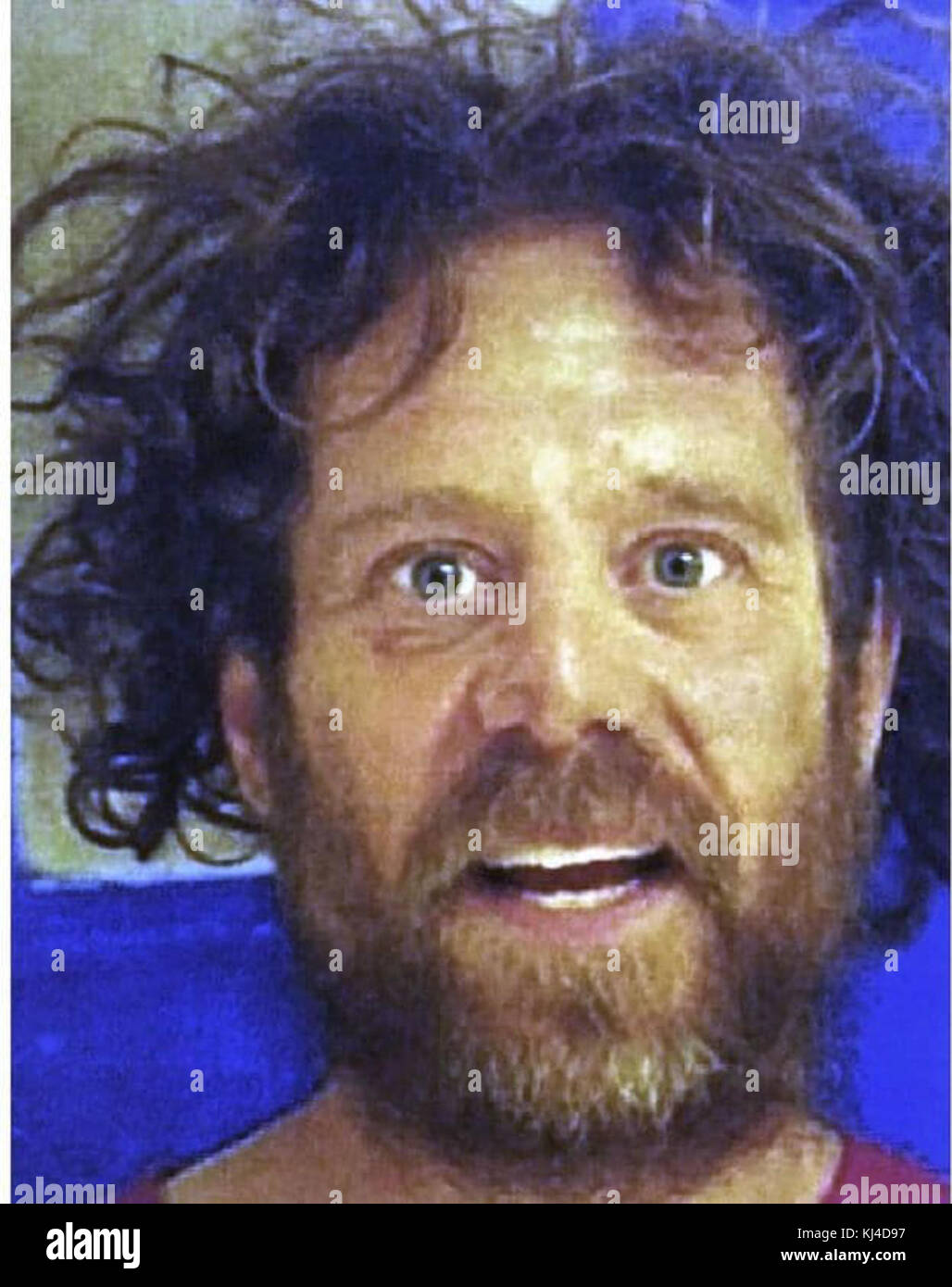
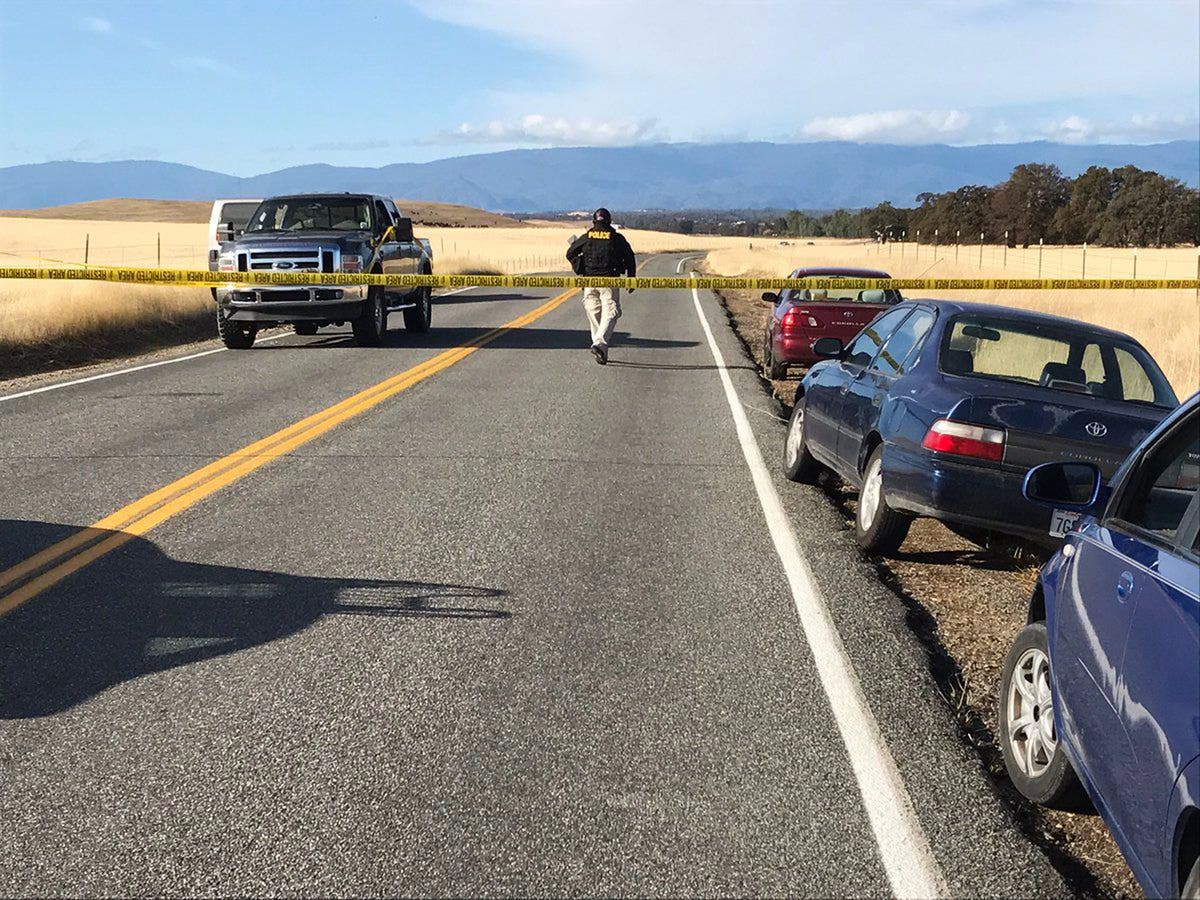
Kevin Janson Neal was the perpetrator of a violent 24-hour shooting spree on November 13 and 14, 2017, in the rural community of Rancho Tehama Reserve, California. The incident resulted in the deaths of five individuals and injuries to several others, including children, before Neal was killed by law enforcement.
Who Was Kevin Janson Neal?
To understand the events of November 2017, one must examine the history of Kevin Janson Neal. Born in 1973, Neal had a long-documented history of mental health struggles, erratic behavior, and escalating conflicts with his family and neighbors. By the time he moved to the Rancho Tehama Reserve—a remote, sparsely populated area about 120 miles north of Sacramento—his instability had become a focal point for local law enforcement.
Neal’s background was marked by a series of career failures and interpersonal friction. In the years leading up to the tragedy, his family members, particularly his mother and sister, reported that his mental state was deteriorating. They described a man gripped by paranoia and delusions, often claiming that his neighbors were manufacturing methamphetamines and using "fumes" to harm him. These claims were investigated by the Tehama County Sheriff’s Office but were never substantiated, leading Neal to believe that the authorities were also conspiring against him.
The geographical isolation of Rancho Tehama played a significant role in Neal’s ability to remain under the radar. The community is characterized by large lots, dirt roads, and a lack of centralized services, which allowed Neal to harbor his grievances and stockpile components for homemade weapons without immediate detection.
The Prelude: Legal Troubles and Neighbor Disputes
The violence of November 2017 was not an isolated outburst but the culmination of a year of legal and personal escalation. In January 2017, Neal was arrested for an assault involving two female neighbors. During this incident, he allegedly stabbed one of the women and physically assaulted the other. This led to a series of legal proceedings that should have, in theory, prevented the subsequent tragedy.
Following his arrest, Neal was charged with several felonies, including assault with a deadly weapon and false imprisonment. He was released on $160,000 bail—a sum his mother reportedly paid. As a condition of his release and a subsequent temporary restraining order (TRO), Neal was legally prohibited from possessing firearms. He was required to surrender any weapons in his possession to the authorities.
Despite these legal barriers, Neal’s harassment of his neighbors continued. Throughout 2017, neighbors filed numerous complaints with the Sheriff’s Office regarding shots fired from Neal’s property at all hours of the night. Because of the rural nature of the area and the difficulty of witnessing the act, law enforcement struggled to make an arrest for these "shots fired" calls. The failure to effectively enforce the firearm prohibition and the restraining order became a central point of criticism in the post-incident investigation.
Timeline of the November 2017 Spree
The shooting spree occurred in two distinct phases over roughly 24 hours. The true scale of the violence only became clear to authorities once the scene was secured on the afternoon of November 14.
The Initial Murders (November 13)
The violence began at Neal’s home on Bobcat Lane. On the night of November 13, Neal murdered his wife, Barbara Glisan. Investigation later revealed that he shot her multiple times and concealed her body beneath the floorboards of their home. It is believed that this act was the "trigger" for the following day's rampage, as Neal likely realized he would eventually be caught for the murder and decided to commit further acts of violence.
The Community Rampage (November 14)
On the morning of November 14, around 7:50 AM, Neal began his attack on the community. He first targeted the neighbors involved in his January arrest. He killed a man and a woman on Bobcat Lane and stole a vehicle to begin a mobile assault across the Rancho Tehama Reserve.
| Time (Approx.) | Location | Event Summary |
|---|---|---|
| Nov 13, Night | Bobcat Lane Residence | Neal murders his wife; hides body under floorboards. |
| 07:54 AM | Bobcat Lane | Neal kills two neighbors and steals a white pickup truck. |
| 08:00 AM | Roadside / Intersections | Neal fires at random passing vehicles, injuring several drivers. |
| 08:12 AM | Rancho Tehama Elementary | Neal crashes through the school gate and opens fire on the building. |
| 08:25 AM | General Community | Neal abandons the truck, steals another vehicle, and continues shooting. |
| 08:35 AM | Final Shootout | Police intercept Neal's vehicle; Neal is killed in the exchange. |
The Attack on Rancho Tehama Elementary School
One of the most harrowing aspects of Neal’s rampage was his deliberate targeting of Rancho Tehama Elementary School. At approximately 8:12 AM, Neal drove his stolen vehicle through the school’s locked gates. He stepped out of the vehicle and began firing into the classrooms and administrative offices with a semi-automatic rifle.
The outcome at the school was significantly mitigated by the quick thinking of the school staff. Upon hearing the initial shots fired nearby, school administrators initiated a "lockdown" procedure. This was executed in less than 40 seconds. By the time Neal reached the quad, every door was locked and students were on the floor, away from windows.
Frustrated by the locked doors, Neal spent approximately six minutes prowling the exterior of the building. He fired through windows and walls, wounding one student who was inside a classroom. However, he was unable to gain physical entry to any room. Realizing that the school was a "hard target," Neal returned to his vehicle and left the campus to continue his spree elsewhere. This event remains a primary case study in the effectiveness of rapid lockdown protocols in rural educational environments.
The Technical Role of "Ghost Guns"
A defining technical aspect of the Kevin Janson Neal case was his use of "ghost guns." Because Neal was under a restraining order and had a criminal history, he was unable to purchase firearms through traditional retail channels that require a background check.
To bypass these laws, Neal manufactured his own weapons. He purchased "80% receivers"—unfinished firearm components that do not have serial numbers and are not legally classified as firearms by the federal government until they are milled out. Neal used basic tools to complete the receivers and assembled at least two semi-automatic rifles.
This case highlighted several technical and legal challenges that remain relevant in 2026:
- Lack of Traceability: Because the weapons were homemade, they lacked serial numbers, making it impossible for investigators to trace the components through traditional commerce channels.
- Technical Accessibility: Neal’s ability to build functional, high-capacity weapons in a home workshop demonstrated how easily prohibited individuals could circumvent the California Department of Justice's restrictions.
- Legislative Catalyst: The Rancho Tehama shooting was a major catalyst for California’s "unserialized firearm" legislation, which eventually mandated that all homemade firearms be registered and engraved with a state-issued serial number.
Law Enforcement Response and Investigative Findings
The response to the shooting involved the Tehama County Sheriff’s Office, the California Highway Patrol (CHP), and the FBI. The spree lasted approximately 45 minutes from the first 911 call to the final shootout.
The investigation revealed that Neal was armed with two homemade rifles and two handguns. During the final pursuit, Neal attempted to ram a patrol car and engaged in a gunfight with two officers. He was struck by police fire and subsequently died at the scene from a combination of police-inflicted wounds and a self-inflicted gunshot.
Post-incident reports focused heavily on "missed signals." Neighbors expressed frustration, claiming they had warned the Sheriff’s Office for months that Neal was a "ticking time bomb." The Sheriff’s Office defended its actions, noting that without a warrant or witness testimony of a specific crime, their ability to enter Neal’s private property and search for weapons was legally constrained by the Fourth Amendment, despite the existing restraining order.
Societal Impact and Policy Changes
The legacy of Kevin Janson Neal is often discussed in the context of three major policy areas: mental health intervention, rural policing, and firearm regulation.
1. Mental Health and "Red Flag" Laws
Neal’s family had repeatedly tried to intervene, but because Neal did not meet the strict criteria for involuntary psychiatric holds (often referred to as a "5150" in California) prior to his violent acts, he remained in the community. This case spurred discussions on how to better integrate mental health records with law enforcement databases.
2. The Evolution of School Safety
The Rancho Tehama Elementary School's response is often cited as a success in terms of tactical execution. Since 2017, many rural schools have adopted similar "active shooter" training that emphasizes immediate, autonomous decision-making by staff rather than waiting for a central alarm or police arrival.
3. Ghost Gun Regulation
Following the shooting, California implemented some of the strictest laws in the United States regarding "precursor parts." By 2026, the sale of 80% receivers and the tools required to mill them have been heavily regulated, requiring background checks similar to those for completed firearms. This is a direct legislative lineage from the failures identified in the Neal investigation.
FAQ
What were Kevin Janson Neal's motives?
The investigation concluded that Neal’s motives were rooted in a combination of long-standing mental illness, paranoia regarding his neighbors, and a desire for "retribution" against a community he believed was conspiring against him. There was no evidence of political or ideological radicalization.
How many people died in the Rancho Tehama shooting?
Five people were killed by Neal: his wife (Barbara Glisan), two neighbors on Bobcat Lane, and two others during his drive through the community. Neal also died, bringing the total death toll to six. Approximately 12 others were wounded.
How did Kevin Janson Neal get his guns if he was prohibited?
Neal manufactured them himself. He used unfinished "80% receivers" to build semi-automatic rifles in his home, a loophole that allowed him to possess firearms without passing a background check or having the weapons registered with the state.
Why wasn't Neal arrested before the shooting despite neighbor complaints?
While neighbors reported frequent gunfire, law enforcement struggled to gather enough evidence for a search warrant. Under the laws at the time, "hearing" shots was often insufficient to prove Neal was the one firing them on a specific property, especially in a rural area where target practice is common.
What happened to the Rancho Tehama Elementary School after the shooting?
The school remained closed for several weeks for repairs and psychological counseling for students and staff. It eventually reopened with enhanced security measures, including reinforced fencing and upgraded communication systems. The staff received national recognition for their life-saving actions during the lockdown.
Summary of Lessons Learned
The case of Kevin Janson Neal serves as a stark reminder of the complexities of modern public safety. It highlights the intersection of mental health crises, the technical evolution of firearm manufacturing, and the unique challenges of law enforcement in rural areas.
For community members and policymakers, the primary takeaway remains the importance of proactive intervention. The effectiveness of the school's lockdown proves that preparation can save lives, but the failure to disarm Neal prior to the event underscores a need for more robust enforcement of existing protective orders. As of 2026, the "Rancho Tehama Model" for school safety and the "Neal Precedent" for ghost gun legislation continue to influence safety protocols across the United States.