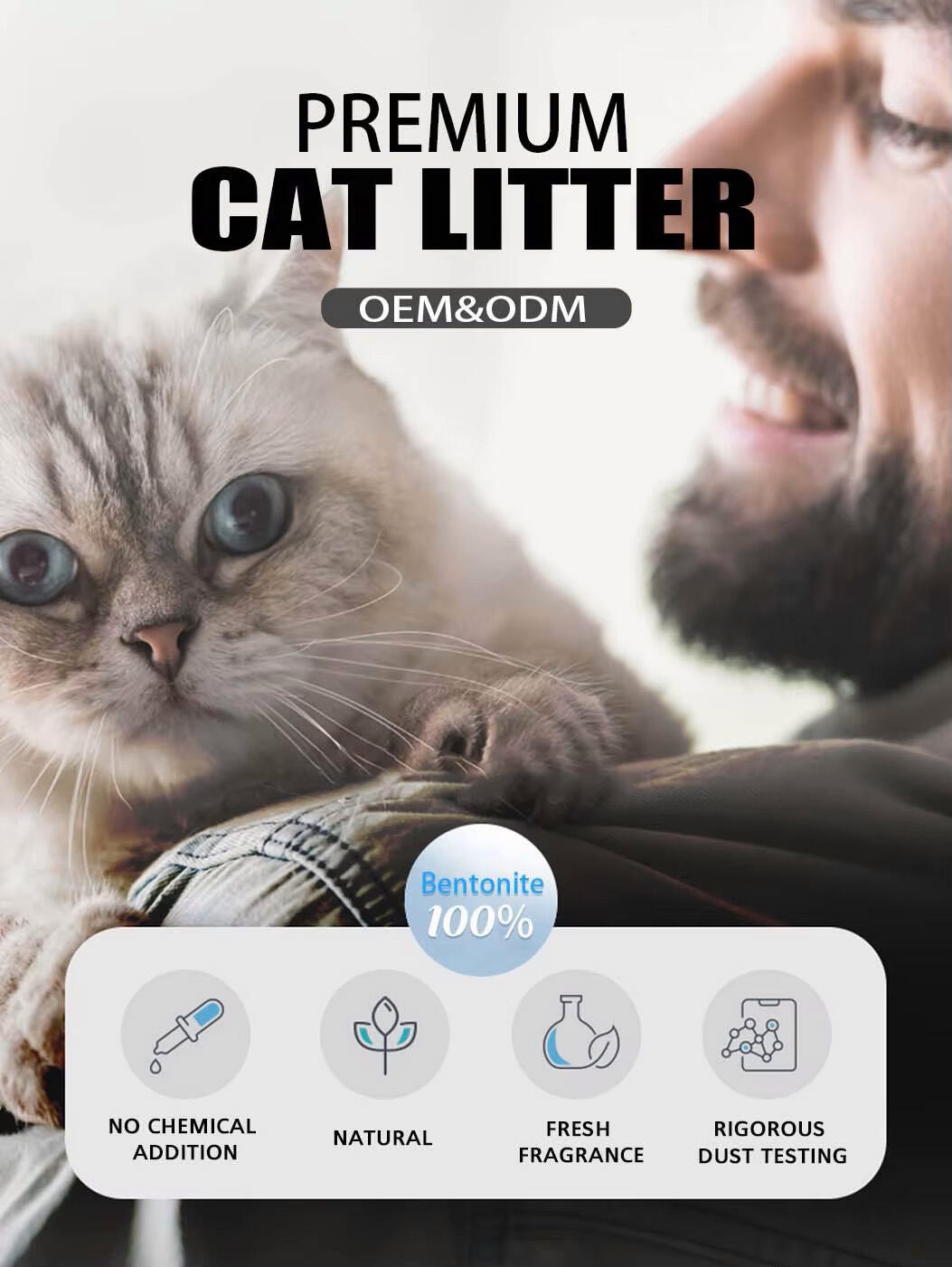
Managing feline waste odors effectively requires balancing chemical absorption technologies, particle size, and litter box maintenance habits. Choosing the right low-odor cat litter depends on understanding the fundamental difference between odor-masking fragrances, which can be irritating, and odor-neutralizing minerals or plant-based fibers that capture nitrogenous compounds at the source.
Understanding Odor Control Mechanisms
Cat litter technology generally falls into four categories: clumping clay (sodium bentonite), silica gel (amorphous silica), plant-based (corn, wheat, wood, or paper), and non-clumping clay. For odor control, the physical mechanism of entrapment is as critical as the chemical additives.
Clumping clay relies on the expansion of bentonite particles when wet, creating a tight seal around urine, which helps contain odors before they evaporate. Silica gel, by contrast, is a desiccant; it uses millions of microscopic pores to absorb moisture rapidly, effectively trapping odors inside the granules while allowing water to evaporate. Plant-based litters often utilize natural enzymes or starches to neutralize the ammonia produced as urine breaks down. The most effective low-odor brands typically combine one of these substrates with additives like activated charcoal, baking soda, or proprietary odor-lock crystals.
Comparative Analysis of Leading Low-Odor Brands
In 2026, the market for low-odor cat litter is highly segmented by price point and material composition. Performance is generally measured by "clump strength," "dust levels," and "duration of odor suppression."
| Brand Type | Typical Material | Cost per Pound (Avg) | Odor Control Mechanism | Key Performance Note |
|---|---|---|---|---|
| Premium Clumping Clay | Sodium Bentonite | $0.80 – $1.20 | Activated Carbon / Clay | High density, excellent clumping |
| Silica Crystals | Amorphous Silica | $1.50 – $2.50 | Molecular Absorption | Superior moisture removal |
| Premium Plant-Based | Corn/Wheat/Wood | $1.20 – $1.80 | Natural Enzymes | Biodegradable, lightweight |
| Budget Clay | Attapulgite/Bentonite | $0.30 – $0.60 | Fragrance Masking | Heavy dust, low moisture lock |
Performance Data and Economic Considerations
When evaluating "performance," users should look beyond marketing claims and consider the "cost-per-scoop" versus "cost-per-bag." While silica gel litters have a higher upfront cost, they often require less frequent total litter box changes because they do not require full replacement as often as non-clumping clay, which must be fully emptied when saturated.
Plant-based litters have gained significant market share due to their sustainable profiles. However, performance data indicates that these litters can be more prone to mold if used in high-humidity environments or if the litter box is not cleaned daily. Clumping clay remains the industry standard for sheer reliability, though its heavy weight creates logistical challenges for users who carry bags from retail locations or handle large boxes during cleaning.
The Role of Particle Size and Tracking
Odor performance is deeply influenced by how much litter leaves the box. Tracking is not merely a nuisance; it is a breakdown in containment. Finer particles—often touted for superior clumping—are more likely to stick to a cat’s paws and be distributed throughout the home. This distributed litter continues to release odors as it comes into contact with ambient moisture in the household.
If your primary goal is odor mitigation, look for "low tracking" or "large granule" formulations. While these sometimes have a slightly slower clumping reaction time, the reduction in distributed dust and granules significantly lowers the "ambient" odor profile of the cat-frequented areas of your home.
Prerequisite Maintenance for Odor Control
Even the highest-performing low-odor litter will fail if the box is undersized or improperly maintained. A common mistake is using a litter box that is too small, which forces the cat to use the same spot repeatedly, creating an oversaturated "hot spot" that even high-performance litters struggle to neutralize.
- Depth: Always maintain at least 3 to 4 inches of litter. Shallow litter allows urine to pool at the bottom, where it binds to the plastic of the box rather than the granules.
- Scooping Frequency: For multi-cat households, scooping twice daily is the only way to ensure the charcoal or zeolite additives are not overwhelmed by ammonia levels.
- Full Refresh Cycles: Even with "scoopable" litter, the residual dust eventually loses its charge. A full box cleaning and wipe-down with a neutral enzymatic cleaner every 3–4 weeks is necessary to remove the bacterial film that contributes to persistent odors.
Troubleshooting Persistent Odor Issues
If you have upgraded to a high-performance brand and still notice odors, the issue may be systemic rather than product-related. First, inspect the litter box plastic itself. Over time, plastic develops microscopic scratches from the claws of the cat and the metal or plastic scoop. These scratches become a breeding ground for bacteria that no litter can neutralize. Replacing the box every 12 to 18 months is a frequently overlooked, yet vital, step in odor management.
Second, consider the cat’s diet. High-protein or lower-digestibility diets can lead to more malodorous waste. If the odor is coming from the feces rather than the urine, changing the litter brand may provide only a marginal improvement. In these instances, consulting a veterinarian to discuss dietary adjustments can be more effective than experimenting with various scent-masking litters.
FAQ: Common Questions on Low-Odor Litter
Q: Do fragrance-free litters actually control odor better than scented ones? A: Yes. Many users find that scented litters simply combine the smell of perfume with the smell of waste, resulting in an unpleasant hybrid odor. Fragrance-free, high-quality clay or silica products target the chemical compounds causing the smell, resulting in a cleaner-smelling home.
Q: Is it safe to switch my cat to a new litter brand suddenly? A: Cats can be sensitive to changes in texture. It is recommended to perform a "transition" by mixing the new litter with the old over the course of 7–10 days, gradually increasing the ratio of the new brand.
Q: Can I use additives like baking soda to improve budget litter performance? A: You can, but use caution. While baking soda is an effective neutralizer, adding too much can change the pH or clumping properties of the clay, potentially causing the litter to stop clumping altogether.
Q: Why does my silica litter turn yellow even though it’s "odor-trapping"? A: Silica gel is porous and will absorb the pigments found in cat urine. While the yellow color may be unsightly, it does not necessarily indicate a failure of the odor-trapping technology; it is simply a byproduct of the absorption process.
Final Recommendation
For households prioritizing both cost-efficiency and high-performance odor control, a high-quality unscented clumping sodium bentonite litter with added activated charcoal remains the gold standard for 2026. This combination offers the best balance of moisture-trapping performance, ease of daily maintenance, and long-term economic value. To maximize results, ensure your litter box depth is at least 3 inches, and prioritize daily waste removal over the use of heavy masking fragrances. If you have a cat with sensitive paws or a preference for natural textures, high-quality wood-based pellets are a viable alternative, provided you adhere to a strict bi-weekly full box replacement schedule.