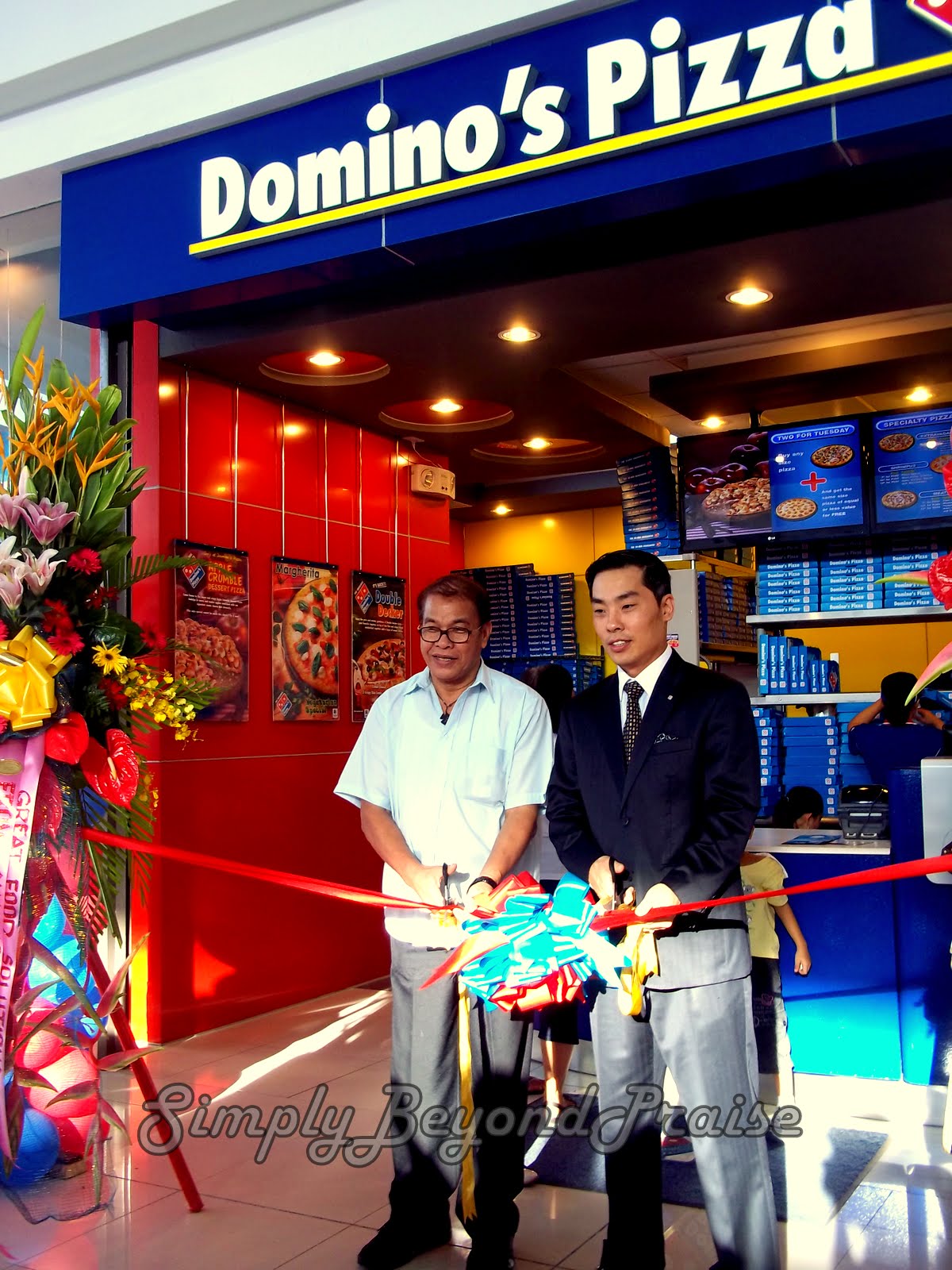
Domino's Pizza is not owned by a single private individual or a traditional family enterprise; rather, it is a publicly traded corporation listed on the New York Stock Exchange under the ticker symbol DPZ. Ultimate ownership of the brand is distributed among thousands of institutional investors, mutual funds, corporate insiders, and individual retail shareholders who hold shares of common stock.
Understanding who owns Domino's Pizza requires looking past the familiar storefronts to examine the complex layers of public equity, global master franchising, and corporate governance that direct the world’s largest pizza company. While the brand originated as a localized partnership between two brothers in Ypsilanti, Michigan, in 1960, decades of private equity acquisition, public offerings, and structural restructuring have transformed it into a widely held modern enterprise.
The Evolution from Private Partnership to Public Corporation
The ownership history of Domino's Pizza is a classic study of American entrepreneurial growth followed by institutional maturation. The enterprise began in December 1960 when brothers Tom and James Monaghan borrowed $500 to purchase a small pizzeria named DomiNick's in Ypsilanti, Michigan. Within a short time, James traded his half of the business to Tom for a Volkswagen Beetle. Under Tom Monaghan’s sole leadership, the business expanded rapidly, pioneering delivery models and standardizing store operations across the United States.
For nearly four decades, Domino's remained a privately held company controlled primarily by Monaghan. However, a major turning point occurred in 1998. Monaghan announced his retirement, sold the majority stake of the company to the private equity firm Bain Capital, and stepped away from the restaurant industry entirely. Bain Capital’s ownership era lasted for approximately six years, during which the firm modernized the supply chain, updated store designs, and prepared the business for a massive public market debut.
In July 2004, Bain Capital took Domino’s Pizza public through an initial public offering (IPO) on the New York Stock Exchange. This transition shifted ownership from a single private equity firm to the public markets, allowing institutional funds and everyday investors to purchase equity. Over the subsequent two decades, Bain Capital gradually liquidated its remaining shares, leaving the company entirely in the hands of public shareholders, institutional asset managers, and corporate insiders.
Institutional Ownership and Major Shareholders
Because Domino's is a publicly traded entity, its day-to-day and structural ownership is dominated by large institutional investment management firms. These entities purchase and hold shares on behalf of millions of individual beneficiaries through mutual funds, pension funds, exchange-traded funds (ETFs), and retirement accounts.
Institutional investors typically own the vast majority—often between 85% and 95%—of the total outstanding common stock of Domino's Pizza, Inc. Prominent global asset management firms frequently hold the largest blocks of shares. Understanding these holdings clarifies that while individual investors can buy stock, the macroeconomic direction and governance pressure largely stem from major institutional players.
| Shareholder Category | Approximate Ownership Stake | Primary Entities Involved | Governance Role |
|---|---|---|---|
| Institutional Investors | 85% – 95% | Vanguard Group, BlackRock, State Street, Fidelity | Exercise significant voting power, influence board elections, and manage index fund capital. |
| Corporate Insiders | < 2% | Executive Officers, Chief Executive Officer, Board Directors | Direct day-to-day operations, strategic planning, and align executive compensation with stock performance. |
| Retail / Individual Investors | 5% – 15% | Individual public traders, private retirement account holders | Provide market liquidity and hold smaller fractional stakes through brokerage accounts. |
While institutional giants hold the bulk of the equity, their voting power is generally exercised in alignment with corporate governance guidelines, supporting executive leadership as long as financial performance metrics, such as global retail sales and same-store sales growth, remain robust.
The Franchise Business Model: Who Really Owns the Stores?
A common point of confusion regarding the ownership of Domino's Pizza involves the distinction between corporate ownership of the brand and the ownership of individual restaurant locations. Domino's Pizza operates primarily as a franchise system, meaning that the vast majority of physical storefronts are owned and operated by independent local business owners rather than the parent corporation itself.
The global system relies on a network of independent franchisees who purchase the right to open and operate Domino's restaurants within specified territories. In exchange for utilizing the proprietary recipes, operational manuals, national marketing campaigns, and supply chain infrastructure, these franchisees pay ongoing royalties and fees to Domino's Pizza, Inc.
- Franchisee Ownership: More than 98% of Domino’s restaurants worldwide are owned and operated by independent franchisees. These owners manage local hiring, daily store operations, localized marketing, and capital expenditures for store remodels.
- Corporate-Owned Stores: Domino's Pizza, Inc. retains ownership of a very small percentage of stores. These corporate-owned locations are typically used for training, testing new operational procedures, or managing strategic corporate markets.
- Master Franchisees: On an international level, Domino's utilizes master franchise agreements. Entire countries or regions are often licensed to massive publicly traded international entities—such as Domino's Pizza Enterprises Ltd (ASX: DMP) in Australia, New Zealand, parts of Asia, and Europe—which hold the exclusive rights to develop and sub-franchise the brand within their geographic domains.
Corporate Leadership and Governance
While institutional investors own the financial equity of Domino's Pizza, operational control rests with the executive management team and the Board of Directors. The board is elected by the shareholders to oversee management, protect shareholder value, and establish long-term strategic directives.
The executive suite is led by the Chief Executive Officer (CEO) and supported by chief financial, operational, and marketing officers. These leaders answer directly to the board and are evaluated based on system-wide sales growth, supply chain efficiency, digital ordering adoption, and franchisee profitability. Russell Weiner serves as the CEO of Domino's Pizza, guiding the organization through its ongoing global expansion, technological developments in delivery platforms, and menu evolution.
Corporate insiders also hold personal equity stakes in the company through stock options, restricted stock units (RSUs), and direct purchases. While insider ownership percentages are relatively small compared to institutional giants, they ensure that executive compensation is directly tied to the long-term performance of DPZ stock on the public market.
Financial Structure, Dividends, and Share Buybacks
The ownership structure of Domino's Pizza is deeply intertwined with its financial engineering, particularly its aggressive use of share repurchases and dividend distributions. Over the past two decades, Domino's has routinely utilized capital allocation strategies designed to enhance shareholder value.
- Share Repurchase Programs: The corporation frequently authorizes multi-billion-dollar share buyback programs. By purchasing its own shares on the open market, the company reduces the total number of outstanding shares, which can increase earnings per share (EPS) and concentrate ownership value among remaining holders.
- Dividend Payouts: Domino's regularly distributes a portion of its net income to shareholders in the form of quarterly cash dividends, making DPZ stock popular among income-seeking institutional and retail investors.
- Debt Capital Structure: The company maintains a leveraged capital structure, frequently issuing corporate bonds to finance expansion, fund share buybacks, or return capital to equity owners. This financial strategy requires careful management of interest rate environments and consistent cash flow generation from franchise royalties and supply chain centers.
Common Misconceptions Regarding Domino's Ownership
Because fast-food brands frequently undergo mergers, acquisitions, and private equity buyouts, rumors and misconceptions regarding their ownership circulate frequently. Clarifying these points prevents confusion regarding who controls the brand.
- Is Domino's owned by Yum! Brands? No. Yum! Brands owns competing fast-food giants such as KFC, Pizza Hut, and Taco Bell. Domino's Pizza operates entirely independently as its own publicly traded corporation with no corporate affiliation to Yum! Brands.
- Does Tom Monaghan still own any part of Domino's? No. When Tom Monaghan sold his remaining stake to Bain Capital in 1998, he completely divested from the company and utilized his fortune to fund philanthropic and architectural ventures. He has no current ownership or operational role in the brand.
- Is Domino's owned by foreign entities? While international master franchisees operate stores in dozens of countries—and foreign institutional investors hold shares of DPZ on the New York Stock Exchange—Domino's Pizza, Inc. is an American corporation headquartered in Ann Arbor, Michigan.
Frequently Asked Questions About Domino's Pizza Ownership
Who is the largest shareholder of Domino's Pizza?
Institutional asset management firms hold the vast largest blocks of shares. Prominent investment giants such as The Vanguard Group and BlackRock consistently rank among the top institutional holders, owning significant percentages of the total common stock on behalf of underlying fund investors.
Is Domino's Pizza a publicly traded company?
Yes. Domino's Pizza trades on the New York Stock Exchange under the ticker symbol DPZ. Anyone with a standard brokerage account can purchase shares of common stock, making them part-owners of the corporation.
Does any single person own a controlling stake in Domino's?
No. Because the company is publicly traded and widely held by institutional funds, no single individual holds a controlling majority stake. Corporate insiders own a small fraction of the total equity primarily through executive compensation packages and personal stock purchases.
How does the franchise model affect corporate ownership?
Domino's Pizza, Inc. owns the intellectual property, brand trademarks, and supply chain infrastructure, but independent franchisees own the vast majority of physical restaurant locations. The corporation earns revenue through royalties, franchise fees, and supply chain sales rather than direct retail food sales from every store.
Where is Domino's Pizza headquartered?
Domino's Pizza, Inc. is headquartered in Ann Arbor, Michigan. This corporate headquarters houses the executive leadership team, marketing divisions, research and development kitchens, and central administrative operations.
Summary and Practical Next Actions
Domino's Pizza is a publicly traded enterprise owned collectively by institutional investment firms, mutual fund holders, individual retail investors, and corporate insiders. While the brand image is unified globally, actual restaurant locations are predominantly owned and operated by independent franchisees.
For investors interested in participating in the financial ownership of the brand, shares can be purchased through regulated brokerages by trading under the DPZ ticker on the New York Stock Exchange. Prospective franchisees looking to own physical store locations must apply directly through the official Domino's corporate franchising portal, meeting stringent liquidity, net worth, and operational experience requirements before securing territory rights.