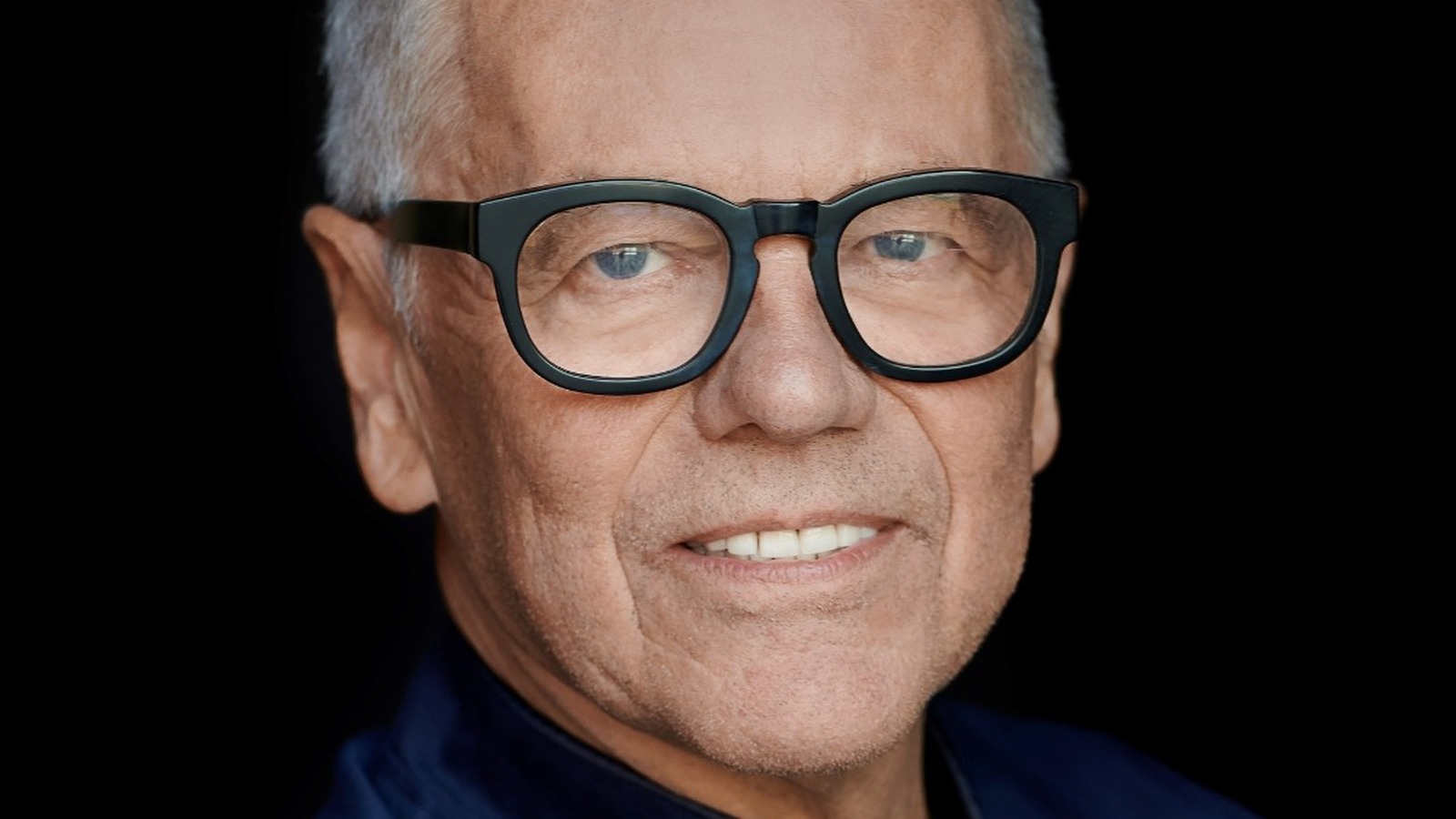
Wolfgang Puck’s early life was defined by post-war Austrian hardship, domestic adversity, and rigorous classical training. Born Wolfgang Johannes Topfschnig in 1949, he overcame an abusive stepfather by entering commercial kitchens at age fourteen. Guided by his mother’s culinary roots and elite French mentorship, Puck forged the techniques that later transformed modern American dining.
Post-War Austria and Family Roots in Carinthia
Wolfgang Puck was born out of wedlock on July 8, 1949, in Sankt Veit an der Glan, a historic town situated in the southern Austrian province of Carinthia (Kärnten). In the immediate wake of World War II, Austria faced severe economic dislocation, resource shortages, and strict social conservatism. Puck was given his mother’s surname at birth, entering official records as Wolfgang Johannes Topfschnig.
His biological father, Alfred Winkelmayer, was a local butcher who abandoned Maria Topfschnig before Wolfgang was born. Maria was left to navigate the social stigma of single motherhood in a deeply conservative, predominantly Catholic community. Despite the material scarcity of the late 1940s, Maria possessed an exceptional work ethic and culinary skill. She worked as a seasonal pastry chef (Konditorin) in local resorts and guesthouses around the Carinthian lakes, earning a modest living to sustain her young son.
Growing up in the rural hamlet of Maria Saal, Puck’s earliest surroundings were agricultural and agrarian. The region’s cuisine was grounded in Central European peasant traditions: hearty root vegetables, river fish, game, foraged mushrooms, cured pork, and yeasted pastries. These rustic Austrian staples provided Puck with his foundational understanding of seasonality and ingredient-driven cooking long before he encountered classical European culinary theory.
The Household Dynamic: Adversity Under Josef Puck
In 1956, when Wolfgang was around six years old, his mother married Josef Puck, a coal miner. Following the marriage, Wolfgang took his stepfather’s surname. The household expanded with the births of Wolfgang’s younger sisters, Christine and Gudrun, and later his younger brother, Klaus.
The domestic environment soon deteriorated. Josef Puck was an authoritarian, volatile, and deeply embittered man who struggled with alcoholism. He subjected young Wolfgang to severe emotional belittlement and frequent physical abuse. Josef routinely told the boy that he was lazy, worthless, and destined to amount to nothing. In contrast to his biological children, Josef singled Wolfgang out for harsh punishments, creating an atmosphere of chronic dread inside the family’s modest home.
This hostile home dynamic forced Wolfgang to develop a resilient, hyper-vigilant psychological defense mechanism. To avoid his stepfather’s unpredictable rages, he sought excuses to stay away from the house, spending hours outdoors or shadowing his mother at work. The kitchen emerged not merely as a workplace, but as a safe sanctuary where creativity, focus, and warmth provided an escape from domestic terror. Puck has consistently credited this early trauma with instilling an obsessive drive to prove his stepfather wrong—a motivation that propelled his early culinary career.
Maternal Guidance and the First Flavors of Cooking
While his home life was marked by fear, Wolfgang’s relationship with his mother, Maria, formed the emotional and sensory anchor of his childhood. Maria was a skilled professional baker who understood the precision, chemistry, and patience required in pastry production. Whenever possible, Wolfgang accompanied her into resort kitchens, where he watched her turn basic, inexpensive ingredients into elegant Austrian desserts.
Maria taught Wolfgang how to appreciate raw ingredients through practical demonstration:
- Baking Techniques: Rolling out strudel dough until it was paper-thin, proofing yeast doughs for Gugelhupf, and balancing fats and sugars in shortbreads and tortes.
- Foraging and Seasonality: Gathering wild berries, chanterelles, and porcini mushrooms in the pine forests of Carinthia during the late summer and autumn.
- Traditional Cooking: Preparing classic Austrian comfort foods such as Kärntner Kasnudeln (cheese-filled pasta pockets seasoned with mint and chervil), potato dumplings, and crisp Wiener schnitzel fried in lard.
Maria’s kitchen was a space of tactile learning. She taught Wolfgang that food could bring comfort, bring people together, and transform stressful environments into moments of joy. By the age of twelve, Wolfgang was regularly helping his mother peel vegetables, knead dough, and scour heavy copper pans. These moments sparked his interest in professional hospitality, showing him that a culinary career could provide both artistic expression and financial independence.
The Crucible of Apprenticeship: Villach and Early Struggles
Recognizing that his stepfather’s hostility made staying at home untenable, Puck decided to leave formal schooling at the age of fourteen to pursue a culinary apprenticeship. In 1963, he secured an entry-level apprentice position at the Post Hotel in the nearby city of Villach.
Commercial European kitchens of the 1960s operated on an unforgiving, semi-militaristic brigade system governed by strict hierarchies and routine verbal abuse. Puck was the youngest and lowest-ranking member of the brigade. His daily responsibilities were monotonous and physically punishing: hauling heavy bags of potatoes, gutting fish, cleaning grease traps, and standing on concrete floors for fourteen to sixteen hours a day.
The brutal reality of the kitchen culminated in a critical early crisis. One Sunday during the busy lunch rush, the kitchen ran out of mashed potatoes. The volatile head chef blamed the fourteen-year-old apprentice, screaming that Puck had ruined the service and was completely incompetent. The chef fired Puck on the spot and threw him out into the street.
Terrified of returning home to face the inevitable wrath and physical violence of his stepfather, Puck wandered the streets of Villach in despair. He spent the night contemplating suicide by the Drau River bridge, convinced that his life was ruined. Instead of jumping or running away, he made a resolute decision: he would return to the hotel kitchen the following morning at 6:00 AM, slip into the prep basement, and resume peeling potatoes before the head chef arrived.
When the chef discovered him hours later, Puck refused to leave. Taken aback by the boy's sheer defiance and determination to work, the head chef relented and allowed him to stay, transferring him to an annex property. This harrowing incident proved to be the defining turning point of Puck’s youth. Having faced the absolute worst professional humiliation and refused to surrender, he discovered an internal reservoir of grit that permanently eradicated his fear of high-pressure kitchen environments.
After completing his initial requirements in Villach, Puck transferred to the prestigious Hotel Schloss Velden, a luxury resort on Lake Wörthersee. There, he gained exposure to formal service standards, high-end guest expectations, and refined regional hospitality, completing his formal Austrian apprenticeship credentials (Lehrbrief).
Crossing Borders: The French Classical Apprenticeship
Possessing technical competence but yearning to escape the geographic and culinary confines of regional Austria, Puck set his sights on France. During the late 1960s, France was the uncontested global epicenter of haute cuisine. Moving there was a significant gamble for a young Austrian who spoke virtually no French, carried little money, and possessed only basic Central European kitchen training.
At age seventeen, Puck crossed the border. His initial months in France were grueling; he worked menial kitchen shifts while spending his nights studying French vocabulary, kitchen terminology, and classical recipe collections. His relentless speed, discipline, and sobriety caught the attention of veteran chefs, allowing him to climb the culinary ladder through some of the country’s most celebrated kitchens.
Post Hotel (Villach) -> Hotel Schloss Velden -> L'Oustau de Baumanière -> Hôtel de Paris -> Maxim's
The Pivotal Mentorship of Raymond Thuilier
The most transformative professional period of Puck's youth occurred at L'Oustau de Baumanière in Les Baux-de-Provence, a three-star Michelin restaurant operated by the legendary chef-proprietor Raymond Thuilier.
Thuilier was a visionary who rejected the heavy, flour-thickened sauces that had dominated classical French cooking since the nineteenth century. Instead, he emphasized:
- Purity of Ingredients: Utilizing ultra-fresh produce harvested directly from the restaurant’s private gardens, cold-pressed olive oils, local herbs (herbes de Provence), and prime regional meats.
- Sauce Refinement: Reducing stocks and utilizing vegetable purées and fresh butter to create sauces with intense flavor profiles and lighter textures.
- The Chef as Gracious Host: Unlike the hidden, reclusive kitchen masters of the past, Thuilier walked the dining room floor, conversing with international dignitaries, artists, and celebrities.
Thuilier took Wolfgang under his wing, treating him like family. For the first time in his life, Puck had an older male authority figure who did not beat or belittle him, but instead valued his intellect, energy, and palate. Thuilier introduced the young Austrian to fine wine, art, and the nuances of elite hospitality. Puck spent several years at Baumanière, internalizing the philosophy that cooking was an elevated art form rooted in seasonal simplicity.
Refining Technique: Monaco and Paris
Following his tenure at Baumanière, Puck rounded out his classical education with stints at two of France’s most prestigious establishments:
- Hôtel de Paris (Monaco): At this opulent palace hotel, Puck mastered grand-scale banquet execution, complex fish cookery, and the fastidious pastry techniques required by Monaco's aristocratic and elite clientele.
- Maxim's (Paris): Working at what was then the world’s most famous Art Nouveau restaurant, Puck observed the pinnacle of traditional French brigade service, classic tableside preparation, and the exacting standards of the Parisian culinary elite.
By his early twenties, Wolfgang Puck had achieved what very few foreign cooks of his generation could claim: a thorough, pedigree-backed mastery of French haute cuisine, refined across three-star Michelin kitchens.
Formative Milestones of Wolfgang Puck’s Early Life
The following table summarizes the key milestones, locations, and practical influences that shaped Wolfgang Puck from his birth through his arrival in the United States:
| Year | Location | Establishment / Role | Core Skills & Influences Acquired |
|---|---|---|---|
| 1949–1962 | Sankt Veit an der Glan & Maria Saal, Austria | Childhood Home / Mother's Assistant | Seasonal Carinthian cooking, pastry fundamentals, ingredient foraging, coping mechanisms against domestic abuse. |
| 1963–1965 | Villach, Austria | Post Hotel (Apprentice Cook) | Basic knife skills, high-volume prep work, overcoming extreme psychological pressure and kitchen hierarchies. |
| 1965–1967 | Velden am Wörthersee, Austria | Hotel Schloss Velden (Junior Cook) | Luxury hotel service routines, refined Austrian regional dishes, completion of the formal Austrian apprenticeship. |
| 1967–1970 | Les Baux-de-Provence, France | L'Oustau de Baumanière (Commis / Chef de Partie) | Ingredient purity, lighter sauces, Provençal cuisine, direct mentorship under Raymond Thuilier, dining room hospitality. |
| 1970–1972 | Monte Carlo, Monaco | Hôtel de Paris (Chef de Partie) | Luxury seafood preparation, precision plating, classical French kitchen brigade organization, pastry refinement. |
| 1972–1973 | Paris, France | Maxim's (Line Cook / Pastry) | High-society service standards, Parisian classical techniques, Escoffier foundations, international networking. |
| 1973–1975 | Indianapolis, Indiana, USA | La Tour (Kitchen Specialist) | Introduction to American food distribution systems, consumer habits, mastering English, identifying dining gaps. |
| 1975–1981 | Los Angeles, California, USA | Ma Maison (Executive Chef / Partner) | Modernization of French bistro fare, pioneering open-kitchen interactions, developing relationships with local California farmers. |
Transition to America: The Seeds of California Cuisine
By late 1972, despite his professional success in France, Puck recognized the entrenched institutional barriers of the French dining establishment. As a foreigner without family lineage or wealth in France, advancing to become an owner-chef of a grand restaurant was nearly impossible. Attracted by the economic vitality, open culture, and limitless professional mobility of the United States, Puck decided to emigrate.
In 1973, at the age of twenty-four, Puck arrived in Indianapolis, Indiana, to work at La Tour, a luxury French dining venue perched atop the Indiana National Bank Tower. The move was an immense cultural and culinary adjustment:
- The midwestern American dining landscape was heavily reliant on canned goods, frozen vegetables, and overly sweet sauces.
- High-quality fresh produce, specialty cheeses, and extra-virgin olive oils were nearly impossible to source through mainstream suppliers.
- Puck was forced to quickly master conversational English while adapting his classical recipes to appeal to the tastes of middle America.
Though Indianapolis provided valuable stability and taught him how American restaurant management operated, Puck found the city’s culinary scene too conservative. Yearning for access to fresh produce and a more creative environment, he relocated to Los Angeles in 1975.
In West Hollywood, Puck joined Patrick Terrail at Ma Maison, a struggling, unfashionable French bistro on Melrose Avenue. Puck took over the kitchen and immediately overhauled the menu. Drawing directly upon the lessons learned from Raymond Thuilier at Baumanière, he stripped away heavy flour-based sauces and discarded frozen, out-of-season produce.
Instead, Puck drove across Southern California to buy directly from local growers:
- He sourced seasonal produce from the Chino family farm in Rancho Santa Fe.
- He featured fresh goat cheeses, line-caught fish, and native herbs on daily handwritten menus.
- He integrated Asian, Italian, and Mexican ingredients into classical French frameworks.
Under Puck’s culinary leadership, Ma Maison transformed into an overnight sensation, drawing Hollywood’s cultural, cinematic, and business elite. More importantly, Puck stepped out of the back kitchen and interacted warmly with diners, shattering the traditional barrier separating the chef from the dining room.
This breakthrough period established the precise culinary principles—uncompromising freshness, local sourcing, cultural fusion, and approachable hospitality—that led to the 1982 opening of Spago on the Sunset Strip, cementing the birth of modern California Cuisine.
How Early Trauma and Mentorship Shaped His Leadership Style
Wolfgang Puck’s childhood adversity and formative kitchen experiences shaped his leadership philosophy and public persona. Rather than replicating the authoritarian, abusive environment of his stepfather and his first head chef in Villach, Puck consciously decided to break the cycle of generational violence.
Puck implemented three foundational management principles across his restaurants:
- The Humanized Kitchen: Having experienced physical intimidation early in his life, Puck banned physical violence and unchecked abusive screaming in his kitchens. While demanding precision and speed, he fostered an environment where young cooks were taught through demonstration and constructive critique rather than humiliation.
- Democratization of the Chef’s Role: Puck pioneered the concept of the open kitchen, installing exhibition grills and wood-fired pizza ovens directly in view of the dining public. This architectural choice transformed kitchen workers from hidden laborers into respected culinary artisans.
- Warm, Unpretentious Hospitality: Drawing from the mentorship of Raymond Thuilier, Puck prioritized making every guest feel welcomed and valued. Whether serving heads of state, Hollywood celebrities, or everyday diners saving up for an anniversary, Puck greeted guests with genuine warmth, humor, and self-effacing charm—a direct antidote to the cold, exclusionary snobbery of old European dining rooms.
By transmuting the pain of his youth into empathetic hospitality and disciplined craftsmanship, Puck used his early hardships as the driving fuel for his historic culinary legacy.
Frequently Asked Questions
What was Wolfgang Puck’s original name at birth?
Wolfgang Puck was born Wolfgang Johannes Topfschnig on July 8, 1949. He took the surname Puck in 1956 after his mother, Maria Topfschnig, married Josef Puck, who legally adopted him.
Why did Wolfgang Puck leave home at age fourteen?
Puck left home to escape severe physical and emotional abuse from his stepfather, Josef Puck. Entering a formal culinary apprenticeship at the Post Hotel in Villach allowed him to become financially independent and find sanctuary from a hostile domestic life.
Who was Wolfgang Puck’s most influential culinary mentor?
His most influential mentor was Chef Raymond Thuilier of the three-star Michelin restaurant L'Oustau de Baumanière in Provence, France. Thuilier taught Puck the importance of fresh, seasonal ingredients, lighter reduction sauces, and the role of the chef as a welcoming host.
What happened during Wolfgang Puck’s first apprenticeship in Villach?
After running out of mashed potatoes during a frantic Sunday lunch rush, Puck was fired on the spot by an abusive head chef. Terrified of his stepfather's reaction, Puck spent the night by a bridge contemplating suicide, but instead showed up for work early the next morning, refused to leave, and earned his place back in the kitchen.
When and why did Wolfgang Puck emigrate to the United States?
Puck emigrated to the United States in 1973, initially working at La Tour in Indianapolis before moving to Los Angeles in 1975. He moved because he felt the traditional French restaurant hierarchy offered few opportunities for foreign chefs to open their own restaurants, whereas the American culinary market offered open mobility and entrepreneurial freedom.
Practical Lessons from Puck's Early Life
Wolfgang Puck’s formative journey from impoverished post-war Austria to international culinary prominence provides valuable takeaways for aspiring chefs, entrepreneurs, and professionals:
- Channel Adversity into Productive Grit: Puck did not allow childhood trauma or workplace humiliation to defeat him. Instead, he treated skepticism and hardship as fuel to master his craft and achieve undeniable competence.
- Master the Fundamentals Before Innovating: Before pioneering the revolutionary California Cuisine movement, Puck spent over a decade mastering basic knife skills, classical French sauces, and traditional pastry baking across Austrian resorts and French Michelin-starred institutions.
- Seek Transformative Mentors: Actively seek out leaders who inspire through excellence and respect rather than fear. Puck’s career transformed when he transitioned from the tyrannical kitchens of his youth to the nurturing, visionary mentorship of Raymond Thuilier.
- Break Negative Generational Cycles: Use personal experiences with poor leadership to cultivate empathy, fair management, and positive professional environments for the next generation.