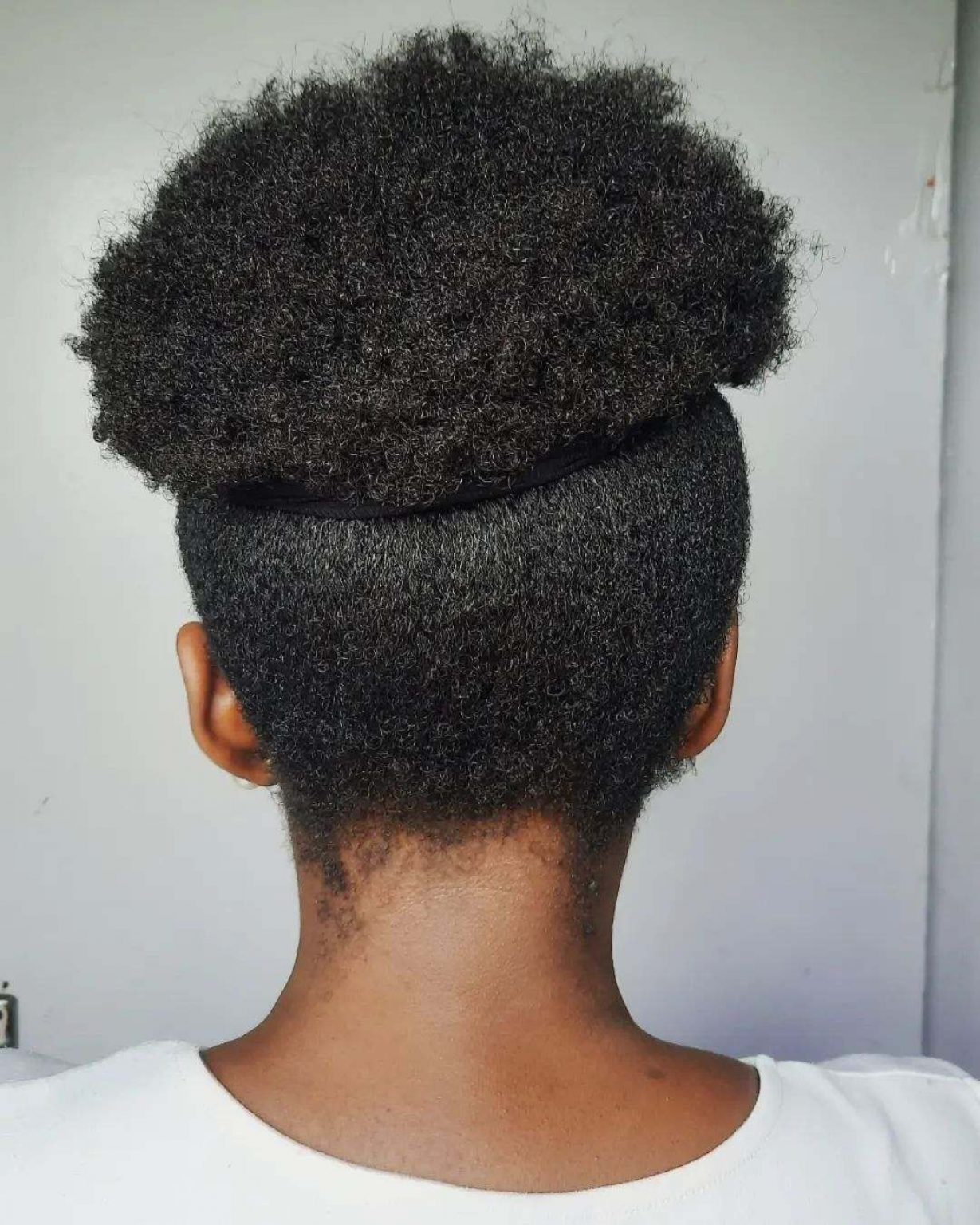
4C hair features tight, densely packed coils and zig-zag patterns that require specialized moisture retention techniques, gentle detangling methods, and protective styling to minimize breakage and maximize length retention.
Defining 4C Hair in the Hair Typing System
The hair typing system, originally popularized by Oprah Winfrey's hairstylist Andre Walker, categorizes hair textures from Type 1 (straight) to Type 4 (coily). Type 4 is further subdivided into A, B, and C classifications, with 4C representing the tightest and most delicate curl pattern. Understanding this classification is not merely about aesthetic categorization; it provides a structural roadmap for how individual strands behave, how they interact with environmental conditions, and what kind of mechanical stress they can tolerate.
Unlike straighter or looser wavy textures, 4C hair rarely exhibits a defined, glossy curl pattern without the assistance of styling manipulation. Instead, the strands form sharp, angular zig-zags rather than smooth loops. This tight geometry creates unique structural challenges. Every bend and curve along the hair shaft represents a structural weak point where the cuticle layer is slightly lifted or stretched, making the hair inherently more susceptible to friction, snapping, and moisture loss.
Furthermore, the density of 4C hair is often deceptive. While individual strands can be fine, wire-like, or a mixture of both, the hair typically grows in high-density groupings. This creates the illusion of thick, voluminous hair that can stand up on its own against gravity (often referred to as shrinkage). However, this density also means that products can easily sit on the surface of the hair rather than penetrating the shaft if proper cleansing and layering techniques are not employed.
The Unique Anatomy and Physiology of Coily Textures
To properly care for 4C hair, one must examine its microscopic structure. Human hair is composed primarily of keratin proteins, growing outward from follicles anchored in the dermis. In 4C hair, the cross-section of the hair strand is elliptical or flattened rather than perfectly round. This flat shape is the primary mechanical driver behind why the hair curls so tightly, as asymmetrical cellular growth forces the hair shaft to twist as it elongates.
This structural orientation impacts the scalp's natural sebum production. Sebum, the scalp's natural oil, is designed to travel down the hair shaft to lubricate and protect it from environmental dehydration. In straight hair, this journey is straightforward. In 4C hair, however, sebum encounters a physical labyrinth of twists, turns, and sharp angles. Consequently, the natural oils struggle to travel past the first couple of inches from the scalp, leaving the mid-lengths and ends chronically dry.
This biological reality dictates that external hydration and lipid replenishment are mandatory maintenance steps. The cuticle—the outermost protective layer of the hair—consists of overlapping scales. In 4C hair, these scales can remain slightly raised at the bend points of the coils, allowing moisture to escape just as quickly as it enters if proper sealing agents are not applied. Recognizing this vulnerability shifts the focus of hair care from merely adding water to locking it inside the cortex through strategic product layering.
Comprehensive Moisture Management and Hydration Science
Moisture is the cornerstone of any successful 4C hair care regimen. Because the natural sebum cannot coat the entire hair strand, moisture management must be handled systematically through water-based hydration followed by occlusive sealing. Water acts as a true plasticizer for hair, temporarily increasing its elasticity and making it less prone to snapping under tension.
The LCO vs. LOC Method
One of the most widely debated yet effective frameworks for maintaining moisture in 4C hair is the LCO (Liquid/Leave-in, Cream, Oil) or LOC (Liquid/Leave-in, Oil, Cream) method. The goal of both techniques is to establish a multi-layered barrier that slows down transepidermal water loss from the hair shaft:
- Liquid/Leave-in (L): Water or a water-based leave-in conditioner infuses the hair cortex with necessary moisture, swelling the strand slightly to accept subsequent products.
- Cream (C) or Oil (O): Depending on the sequence chosen, a moisturizing cream provides emollients to soften the hair, while a penetrating or sealing oil locks the hydration in place.
- The Final Layer: Sealing with heavier butters (like shea or mango butter) or heavier oils (like castor or jojoba oil) ensures that humidity or dry indoor air does not immediately leach moisture out of the hair.
Deep Conditioning and Heat Integration
Routine deep conditioning sessions are non-negotiable for maintaining the structural integrity of 4C hair. Standard rinse-out conditioners provide surface-level slip, but deep conditioners are formulated with lower molecular weight proteins and humectants designed to penetrate the hair cuticle. Applying these treatments with heat—such as a hooded dryer or a thermal conditioning cap—lifts the cuticle scales slightly, allowing active botanical extracts, ceramides, and amino acids to reinforce weakened areas along the hair shaft.
| Product Type | Primary Function | Ideal Application Frequency | Key Ingredients to Look For |
|---|---|---|---|
| Leave-In Conditioner | Infuses hydration and provides slip | Every wash day / as needed | Water, Aloe Vera Juice, Glycerin |
| Deep Conditioner | Repairs cuticle and restores elasticity | Bi-weekly or weekly | Hydrolyzed Proteins, Panthenol, Fatty Alcohols |
| Sealing Oil / Butter | Prevents moisture evaporation | After hydration steps | Shea Butter, Castor Oil, Jojoba Oil |
| Clarifying Shampoo | Removes product buildup and mineral deposits | Monthly or bi-weekly | Sodium C14-16 Olefin Sulfonate, Cocamidopropyl Betaine |
Gentle Cleansing and Scalp Health Protocols
Maintaining a healthy scalp is the foundation of hair length retention, yet cleansing routines for 4C hair require a careful balance between removing debris and preserving natural moisture. Over-cleansing can strip the hair of all lipids, leading to severe brittleness, while under-cleansing can cause sebum, dead skin cells, and product buildup to clog hair follicles, potentially impeding healthy growth.
Striking the Right Balance: Sulfates vs. Sulfate-Free
Historically, harsh sulfates like sodium lauryl sulfate (SLS) were avoided entirely within the natural hair community due to their aggressive stripping action. However, modern formulation science recognizes that occasional clarification is necessary, especially for individuals who regularly use heavy styling creams, butters, and edge controls.
A standard wash day routine for 4C hair generally involves:
- Pre-shampoo (Pre-poo): Applying an oil or cheap conditioner to dry hair before washing to provide slip, minimize mechanical friction, and prevent excessive moisture loss during the cleansing process.
- Scalp-Focused Cleansing: Massaging a sulfate-free shampoo or a gentle clarifying cleanser directly into the scalp using the pads of the fingers (never the fingernails) to dislodge buildup. The suds running down the length of the hair are typically sufficient to clean the strands without roughing up the cuticles.
- pH Balancing: Ensuring the products used have a slightly acidic pH (between 4.5 and 5.5) to help smooth down the hair cuticle after cleansing, locking in shine and strength.
Detangling Mechanics to Prevent Mechanical Damage
Detangling is often cited as the most frustrating aspect of managing 4C hair. Because individual strands shed naturally (roughly 50 to 100 hairs per day) but remain trapped within the dense, interlocking coils, neglected hair quickly forms stubborn tangles and single-strand knots (fairy knots).
Step-by-Step Detangling Protocol
- Never Detangle Dry Hair: Attempting to comb or brush dry 4C hair creates immense friction, stretching the elastic limits of the keratin structure and causing the hair to snap. Always detangle when the hair is saturated with water and a slippery product like a conditioner or detangling milk.
- Finger Detangling First: Before introducing any tools, use the fingers to gently separate sections, locate large knots, and pull them apart from the ends toward the roots. This tactile approach allows you to feel resistance and untangle safely without tearing the hair.
- Strategic Tool Selection: Transition to a wide-tooth comb or a flexible-bristled brush specifically designed for textured hair. Begin combing at the very ends of the hair, slowly working your way up toward the roots in small, manageable sections.
- Sectioning: Divide the hair into four to eight distinct sections using clips. Working on the entire head at once guarantees missed tangles and accidental breakage.
Protective Styling and Length Retention Strategies
Length retention in 4C hair is often misinterpreted as a failure to grow. In reality, 4C hair grows at the same biological rate as other hair textures (approximately half an inch per month), but mechanical breakage at the ends can outpace new growth, making the hair appear stagnant. Protective styling acts as a defensive shield against environmental wear and tear.
Popular Protective Styles
- Box Braids and Senegalese Twists: Extensions or natural hair braided down to the ends keep the hair stretched and isolated from daily manipulation. However, these styles must not be installed too tightly, as tension alopecia can damage the hairline.
- Cornrows and Flat Twists: Tucking the hair close to the scalp minimizes friction against clothing and bed linens. These styles also allow for easy access to the scalp for cleansing and moisturizing.
- Wigs and U-Part Wigs: Wigs allow the underlying hair to be braided down and moisturized consistently without daily styling stress. Proper cornrow foundation care and scalp cleansing routines must still be maintained underneath.
The Rules of Safe Protective Styling
- Time Limits: Keep protective styles in for no longer than six to eight weeks to prevent matting and excessive shedding accumulation at the root.
- Pre-Care Hydration: Ensure the hair is fully hydrated, strengthened, and trimmed of split ends before installing any long-term protective style.
- Nighttime Maintenance: Regardless of the style, sleeping on a silk or satin pillowcase—or wearing a satin bonnet—prevents moisture from being absorbed by cotton fabrics and reduces surface friction.
Styling Versatility: Embracing Shrinkage and Texture
One of the defining features of 4C hair is its high shrinkage rate, which can reach up to 70% or more. This means a strand measuring ten inches in its natural, coiled state may visually appear only three inches long. While some view shrinkage as a frustration, it is actually a sign of high elasticity and healthy coil spring action.
Styling 4C hair involves choosing whether to honor this shrinkage or temporarily stretch the hair:
- Embraced Shrinkage: Wash-and-gos, Afro puffs, and free-form coils celebrate the natural architecture of the hair. Utilizing botanical gels with strong hold and humectants helps clump the coils together for a defined, frizz-controlled appearance.
- Stretched Styles: Twist-outs, braid-outs, roller sets, and banding methods stretch the hair shaft without heat, resulting in elongated styles with increased movement and reduced tangling risks.
- Heat Stretching: Blow-drying on a low-to-medium heat setting using tension methods (such as the chase method or comb attachments) or utilizing a hooded dryer with stretched sections can prepare the hair for seamless styling while minimizing cumulative thermal damage.
Common Maintenance Pitfalls and Troubleshooting
Navigating the maintenance of 4C hair often involves trial and error. Recognizing common missteps can save time, money, and hair health.
Over-Reliance on Heavy Butters
A prevalent myth is that 4C hair requires heavy greases and thick, unrefined butters for daily hydration. While these agents excel at sealing moisture, using them excessively without adequate water underneath creates a waterproof barrier that blocks true hydration, leading to dry, brittle hair that repels moisture entirely.
Neglecting Regular Trims
Split ends travel up the hair shaft, causing further fraying and breakage. Waiting until hair looks visibly damaged to trim often results in losing more length than necessary. Professional trims every 8 to 12 weeks help maintain clean, blunt ends that slide past one another without tangling.
Ignoring Scalp Health for the Sake of Style
Focusing solely on the appearance of the hair while neglecting the scalp can lead to flaking, irritation, and fungal overgrowth. Cleanse the scalp regularly, massage it to stimulate blood flow, and avoid heavy oils that cause buildup on the skin.
Frequently Asked Questions About 4C Hair
How often should 4C hair be washed?
Most individuals with 4C hair benefit from washing their hair every 7 to 14 days. This schedule ensures that product buildup, sweat, and environmental debris are cleared from the scalp while maintaining a manageable routine that prevents excessive dryness from over-cleansing.
Does 4C hair grow slower than other hair types?
No. The biological growth rate of human hair follicles is determined by genetics and overall health, not texture classification. 4C hair grows at the same average rate as straight or wavy hair, but mechanical breakage at the ends often creates the illusion of slow or halted growth.
What is the best way to stop 4C hair from tangling?
The most effective way to prevent tangling is to maintain regular detangling sessions on damp, product-saturated hair, sleep with a satin bonnet or pillowcase, and keep the hair stretched using protective styles or banding methods between wash days.
Can 4C hair grow long?
Yes, 4C hair can grow to shoulder length, mid-back, and beyond. Achieving long 4C hair relies entirely on retention rather than accelerated growth—minimizing daily manipulation, protecting the ends from friction, and balancing moisture with protein.
Should I use protein treatments on 4C hair?
Protein treatments are beneficial for strengthening the hair cuticle and repairing minor damage from heat or chemical processing. However, they should be used judiciously—typically once every 4 to 6 weeks—because excessive protein without balancing moisture can make 4C hair stiff and prone to snapping.
Conclusion and Next Action Steps
Mastering the care of 4C hair requires a shift away from fighting its natural tendencies and toward embracing its unique architecture. By prioritizing gentle detangling, consistent hydration through strategic layering, balanced scalp cleansing, and protective length retention practices, you can establish a sustainable routine. For your next action step, evaluate your current product lineup to ensure you have a dedicated clarifying cleanser, a water-based leave-in conditioner, and a reliable sealant, and commit to establishing a structured wash and detangling schedule tailored to your hair's unique density.