The year 2016 represented a distinct transitional period in contemporary fashion, bridging the gap between early 2010s indie-sleaze aesthetics and the emergence of modern streetwear dominance, athleisure, and nostalgic revivals. This ultimate style guide analyzes the defining garments, accessories, silhouettes, and cultural influences that defined 2016 wardrobes, providing a comprehensive historical breakdown of how people dressed during a pivotal year in sartorial evolution.
The Cultural and Aesthetic Landscape of 2016 Fashion
Fashion in 2016 did not exist in a vacuum; it was heavily shaped by a unique intersection of pop culture, the rapid rise of Instagram as a style platform, high-profile celebrity moments, and the blurring lines between luxury fashion and casual wear. The year was characterized by a push-and-pull dynamic. On one hand, minimalist silhouettes and clean lines remained popular; on the other hand, an explosive resurgence of 1990s and early-2000s (Y2K) nostalgia injected bright colors, nostalgic branding, and rebellious textures back into everyday wear.
Social media began dictating trends at an unprecedented velocity. Where fashion magazines and runway calendars previously dictated seasonal shifts over months, digital platforms allowed micro-trends to spread globally within days. Aesthetic categories became fluid, enabling individuals to mix athletic wear with luxury outerwear or vintage band tees with designer denim. Understanding 2016 style requires looking closely at how these disparate elements coalesced into distinct, wearable movements.
Defining Wardrobe Staples: The Core Pieces of 2016
To accurately reconstruct or understand the 2016 wardrobe, one must examine the specific garments that dominated retail stores, street style photography, and editorial spreads. These items formed the foundational building blocks of everyday outfits across diverse demographics.
The Rise of Athleisure as Daily Wear
Before 2016, athletic wear was largely confined to the gym or running track. However, 2016 solidified athleisure as an acceptable, even chic, category of everyday clothing. Joggers, premium cotton hoodies, sleek track jackets, and fashion-forward sneakers transitioned smoothly from workout settings to casual workplaces, coffee shops, and travel itineraries.
This shift was propelled by brands like Adidas and Puma, alongside luxury houses that began incorporating sporty stripes and technical fabrics into their ready-to-wear collections. Comfort merged with intentional styling, making casual sweatpants paired with structured coats an iconic look of the era.
Denim Transformations: Distressed, Cropped, and Raw
Denim in 2016 broke away from the hyper-skinny dominance of the early part of the decade, introducing new silhouettes and treatments:
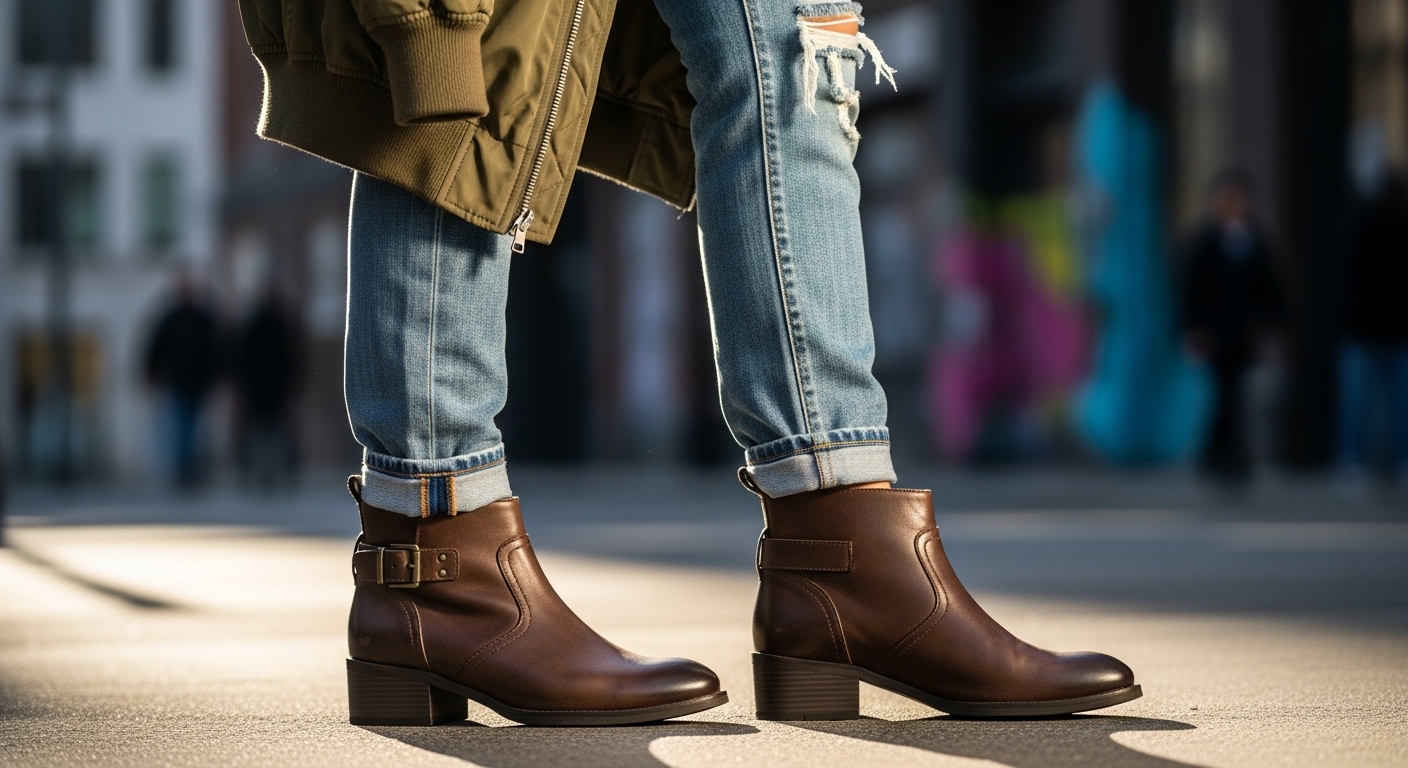
- Distressed and Destroyed Finishes: Heavy knee blowouts, frayed hems, and patched denim jackets were ubiquitous, often signaling a DIY or grunge-inspired attitude.
- Cropped and Raw Hems: Jeans cut raw at the ankle—frequently paired with statement ankle boots or low-profile sneakers—became a standard silhouette for both men and women.
- The Return of Vintage High-Waisted Cuts: Influenced by 1990s mom jeans, high-waisted, rigid denim made a massive comeback, favoring structured cotton over high-stretch synthetic blends.
Outerwear Statements: Bomber Jackets and Duster Coats
Outerwear served as the final exclamation point for 2016 outfits, with two contrasting styles leading the market:
- The Nylon Bomber Jacket: Originally derived from military flight jackets, the bomber—often in sage green, classic black, or burgundy with an orange lining—was layered over everything from hoodies to slip dresses.
- The Duster Coat and Longline Cardigan: Lightweight, floor-sweeping or calf-length coats added dramatic movement and vertical lines to outfits, creating a sharp contrast against tighter fitting bottoms.
Footwear and Accessories That Defined the Era
Footwear in 2016 underwent a massive democratization, where sneakers achieved high-fashion status and specific accessory pieces became status symbols across social media.
The Sneaker Revolution
The sneaker culture of 2016 was defined by a few monumental releases and silhouette revivals. The Adidas NMD and Ultra Boost lines dominated the mainstream sneaker market, praised for their comfortable Primeknit uppers and Boost midsoles. Simultaneously, retro basketball shoes and minimalist leather tennis shoes (such as the Adidas Stan Smith and Common Projects Achilles) proved that footwear could be simultaneously understated and highly coveted. Collaborations between athletic brands and luxury designers began blurring the boundaries of traditional footwear design.
Statement Accessories
Accessories in 2016 leaned toward either nostalgic utility or bold focal points:
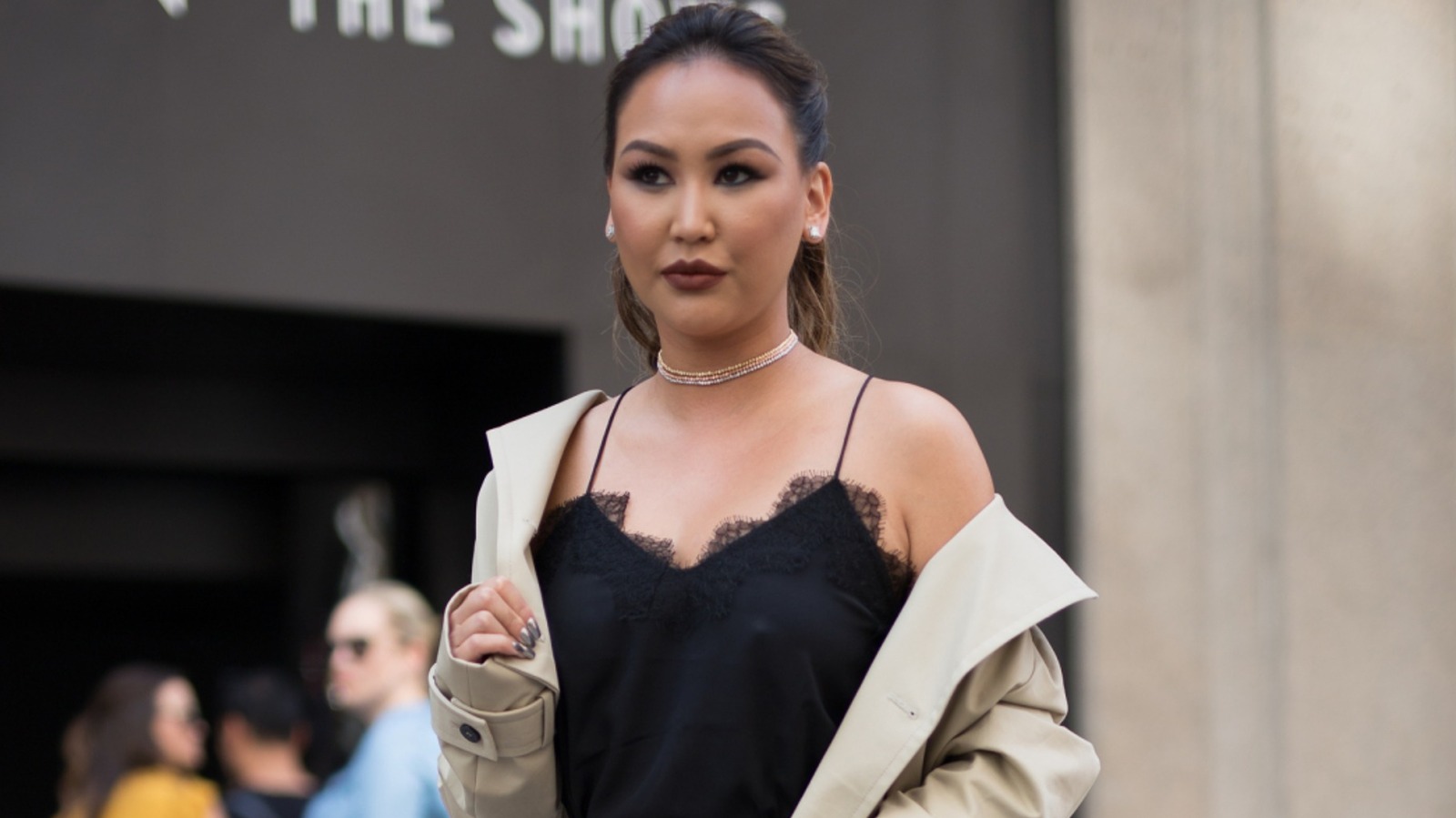
- Chokers: Velvet, leather, and metal chokers experienced a massive 1990s revival, worn tightly around the neck to accent low-cut tops and dresses.
- Dad Hats: Unstructured cotton baseball caps featuring minimalist embroidery, band logos, or ironic slogans became a staple headwear choice for all genders.
- Crossbody and Belt Bags: Practicality met street style as compact bags worn close to the body replaced bulky traditional shoulder bags for daily commuting and festival wear.
Comparative Overview of 2016 Style Categories
| Category | Dominant Items & Silhouettes | Key Materials & Textures | Cultural / Style Influence |
|---|---|---|---|
| Athleisure | Joggers, track jackets, hoodies, knit sneakers | Cotton fleece, nylon, jersey, technical mesh | Transition of gym wear into formal daily fashion |
| Streetwear | Oversized graphic tees, bomber jackets, distressed denim | Raw denim, heavy cotton, distressed leather | Hip-hop culture, skate culture, high-low mixing |
| Boho-Chic & Retro | Slip dresses over tees, suede skirts, fringe jackets | Suede, velvet, silk satin, faux fur | 1970s and 1990s vintage revivalism |
| Minimalist Casual | Clean white sneakers, tailored trousers, trench coats | Fine wool, poplin cotton, smooth leather | Scandinavian simplicity and classic tailoring |
Practical Styling Principles and How to Wear the Look Today
Translating 2016 aesthetics into a contemporary wardrobe requires a balanced approach. While wearing an exact head-to-toe 2016 outfit might look dated, individual elements can be integrated effectively into modern styling by keeping a few core principles in mind.
1. Balance Proportions
A defining characteristic of 2016 streetwear was the interplay of oversized and fitted silhouettes—such as pairing an oversized bomber jacket with slim-fit jeans, or an oversized hoodie with tapered joggers. Applying this principle prevents outfits from looking shapeless.
2. Mix High and Low Fashion
The democratization of style in 2016 proved that luxury items look best when grounded by casual everyday pieces. Pairing a structured designer coat with a faded vintage band tee and classic sneakers encapsulates the effortless philosophy of the era.
3. Prioritize Texture Over Color
While pastel pinks and military olives were prominent, much of 2016 style relied on textural contrast rather than loud color palettes. Combining smooth nylon with rugged denim, or soft velvet with distressed leather, creates visual depth without relying on excessive brightness.
Frequently Asked Questions
What were the most popular clothing brands in 2016?
Major sportswear brands like Adidas and Nike dominated streetwear and casual daily wear. Fast-fashion retailers like Zara and H&M rapidly translated runway and Instagram trends into accessible pieces, while luxury houses like Gucci (under Alessandro Michele) and Vetements defined the high-fashion landscape with maximalist prints and deconstructed silhouettes.
Was athleisure acceptable for professional workplaces in 2016?
Generally, traditional workplaces maintained strict business-casual or formal dress codes in 2016. However, creative industries, tech startups, and media environments increasingly embraced elevated athleisure, provided the garments were clean, structured, and paired with tailored outerwear or footwear.
How did Instagram impact clothing trends in 2016?
Instagram shifted fashion from a seasonal cycle to real-time inspiration. Outfit-of-the-day (OOTD) posts, flat lays, and influencer marketing allowed niche aesthetics—such as pastel grunge or minimalist normcore—to gain global traction almost overnight, accelerating the production and consumption cycles of trendy clothing.
What inspired the denim trends of 2016?
The denim trends of 2016 were heavily inspired by 1990s nostalgia, DIY culture, and vintage thrifting. Rather than pristine, uniform washes, consumers sought out worn-in textures, raw hems, and structural rigidity that celebrated character and individual customization.
Conclusion and Next Actions
The fashion landscape of 2016 laid the groundwork for the casualized, digitally driven style environment we navigate today. By successfully fusing comfort, historical nostalgia, and high-low styling, it redefined what everyday attire could achieve. To incorporate these lessons into your current wardrobe, start by experimenting with balanced proportions—such as pairing an oversized outerwear piece with tailored trousers—or by investing in versatile, timeless footwear silhouettes that honor the era's practical legacy.