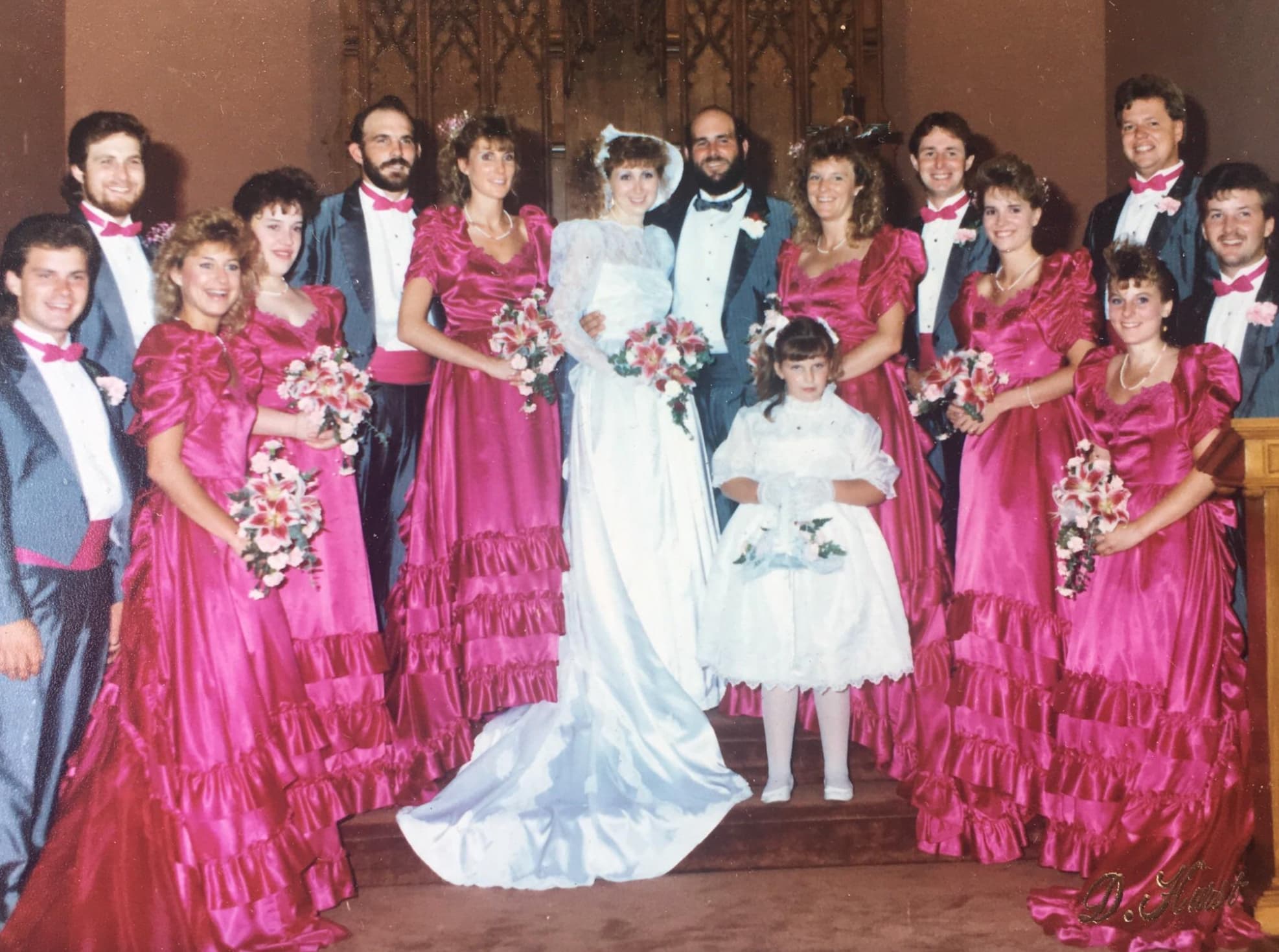
The 1980s wedding was a high-production cultural phenomenon characterized by architectural ballgowns, massive cascading bouquets, formal receiving lines, and live show bands that captured the maximalist aesthetic of the decade.
Introduction to the 1980s Wedding Aesthetic
The 1980s marked a dramatic shift in wedding culture, transitioning away from the streamlined, casual ceremonies of the 1970s into an era of unbridled opulence, traditional formality, and theatrical scale. Driven heavily by high-society events—most notably the 1981 royal wedding of Prince Charles and Lady Diana Spencer—couples embraced a "more is more" philosophy. Every element of the celebration, from multi-tiered wedding cakes to sprawling reception venues, reflected economic optimism, traditional values, and a desire to make a permanent statement through photography and video.
Understanding 1980s weddings requires examining how fashion, reception logistics, and social traditions intersected during a pivotal decade of modern matrimonial history. Whether you are planning a retro-themed celebration, researching historical fashion trends, or exploring family archives, examining the specific mechanics of an 1980s wedding reveals a fascinating blueprint of late-20th-century culture.
1980s Bridal Fashion: The Era of Drama and Volume
Bridal wear in the 1980s remains instantly recognizable due to its distinct architectural proportions, heavy ornamentation, and heavy reliance on luxury fabrics. The look was designed to command attention from every corner of a large church or ballroom.
The Iconic Silhouette and Fabrics
The silhouette of the 1980s bride was defined by voluminous skirts supported by heavy crinoline petticoats, dropped waists, and dramatic cathedral-length trains. Designers favored rich, textured fabrics that could hold heavy structures, including:
- Duchess Satin: A heavy, lustrous silk or synthetic blend that provided a stiff, formal shape.
- Chantilly and Alençon Lace: Frequently used for sheer illusion necklines, long sleeves, and bodice overlays.
- Taffeta: Known for its crisp rustle and ability to hold sharp pleats and ruffles.
- Organza and Tulle: Utilized extensively in puffed sleeves and layered skirts to create a soft yet voluminous effect.
Sleeves, Necklines, and Headpieces
No discussion of 1980s bridal fashion is complete without addressing the sleeves. Ranging from moderately puffed shoulders to extreme gigot (mutton leg) sleeves constructed over internal buckram frames, sleeves were a primary focal point. Necklines frequently featured high Victorian collars edged in lace or sweetheart cuts softened by sheer tulle yokes.
Headpieces followed the maximalist trend. Brides routinely wore Juliet cap veils, coronets of faux pearls, or massive tiered pouf veils attached to heavy combs. Tiaras were popular, often worn far forward on the head, paired with face-blusher veils that were lifted during the ceremony.
Groom and Groomsmen Attire: Traditional Formalwear
While brides embraced theatrical volume, grooms and groomsmen favored classic, highly structured formalwear that leaned into traditional British tailoring influences.
Morning Dress and Tuxedos
For afternoon and evening weddings, the traditional tuxedo—often referred to as a dinner jacket—was the standard. However, the 1980s also saw a significant revival of morning dress for formal daytime ceremonies, complete with tailcoats, striped trousers, and ascots or traditional neckties.
When tuxedos were worn, they frequently broke away from strict black-and-white traditions. The mid-to-late 1980s introduced colored tuxedo jackets in shades of ice blue, pearl gray, and white, often paired with wide satin lapels. Cummerbunds and matching bow ties in pastel or jewel tones—such as mint green, peach, dusty rose, and burgundy—were coordinated directly with the bridesmaids' dresses.
Footwear and Accessories
Grooms completed their look with polished patent leather shoes, pleated-front formal shirts with wingtip collars, and boutonnières that matched the primary floral arrangements. Top hats and pocket watches were occasionally utilized for ultra-formal, high-society affairs to emphasize a sense of historical pageantry.
Floral Design and Decor: Cascades and Pastel Palettes
Floral design in the 1980s moved away from simple hand-tied garden gathers toward highly structured, architectural arrangements.
The Cascade Bouquet
The signature floral accessory for the 1980s bride was the cascading bouquet, often called a waterfall or weeping bouquet. These arrangements featured a dense cluster of flowers at the top that tapered downward in a long, trailing V-shape, sometimes reaching nearly to the hem of the bride's gown. Common components included:
- Phalaenopsis and Dendrobium Orchids
- Trailing Ivy and Stephanotis
- English Roses and Cascading Calla Lilies
- Baby’s Breath (Gypsophila) used in massive, cloud-like quantities
Ceremony and Reception Decor
Churches and reception halls were heavily decorated with floral arches, massive standing candelabras, and pew markers made of tulle and ribbons. Pastel color palettes dominated the early and middle parts of the decade, transitioning into bolder jewel tones by the late 1980s. Matching chair covers, satin bows, and extensive use of white fairy lights set the stage for evening dancing.
Reception Traditions, Entertainment, and Catering
The 1980s wedding reception was structured around a rigid timeline of traditional events designed to celebrate the couple while engaging all generations of guests.
The Receiving Line
Before entering the main dining room, the bride, groom, and both sets of parents traditionally stood in a receiving line near the venue entrance. This allowed the couple to personally greet every single guest, thanking them for attending. While time-consuming, it was considered a cornerstone of proper wedding etiquette.
Music and Entertainment
Live music was the gold standard for upscale 1980s receptions. Show bands and an all-purpose wedding orchestra performed a mix of classic swing, Motown, and contemporary pop hits by artists like Whitney Houston, Lionel Richie, and Phil Collins. The introduction of the professional mobile DJ became increasingly common toward the end of the decade, allowing for seamless transitions between dinner music and late-night dance sets featuring synth-pop and dance-rock tracks.
Catering and Confections
Dinner service typically involved a formal sit-down meal featuring classic continental cuisine, such as prime rib, chicken cordon bleu, or poached salmon, accompanied by tiered vegetable sides and molded gelatin or fruit salads.
The wedding cake served as the centerpiece of the reception room. These cakes were architectural marvels, featuring multiple tiers separated by Roman pillars, elaborate royal icing piping, fresh or sugar paste flowers, and personalized bride-and-groom cake toppers.
Comparing 1980s Weddings to Modern Celebrations
| Feature | 1980s Weddings | Modern (2026) Weddings |
|---|---|---|
| Bridal Silhouette | Voluminous ballgowns, dropped waists, puffed sleeves | Sleek slip dresses, minimalist crepe, detachable overskirts |
| Floral Design | Heavy cascading bouquets, massive baby's breath use | Organic garden styles, dried florals, loose hand-tied stems |
| Photography Style | Flash photography, posed studio-style portraits, film | Documentary/editorial style, candid photojournalism, drone shots |
| Reception Flow | Formal receiving lines, rigid traditional timelines | Flexible schedules, first-look photos before the ceremony |
| Entertainment | Live an orchestra/show band or early mobile DJs | Curated DJ sets, live saxophonists with DJs, custom playlists |
Frequently Asked Questions About 1980s Weddings
What were the most popular colors for 1980s weddings?
The early-to-mid 1980s were defined by soft pastel palettes, including dusty rose, peach, mint green, and light blue. By the late 1980s, trends shifted toward bolder jewel tones like burgundy, emerald green, and navy blue, often contrasted against stark white.
Why did 1980s wedding dresses feature such large sleeves?
The oversized sleeve trend was largely popularized by high-fashion runway shows and royal bridal fashion, particularly Princess Diana's 1981 wedding gown. Large sleeves balanced the expansive volume of the crinoline-supported ballgown skirts, creating a dramatic, hourglass silhouette.
What was the standard meal served at a 1980s wedding reception?
Standard reception catering relied on formal, seated continental dinners. Common main courses included prime rib with au jus, stuffed chicken breast, or roasted fish, accompanied by standard vegetable medleys, dinner rolls, and layered desserts.
How did couples capture wedding memories before digital photography?
Weddings in this era relied entirely on analog film cameras. Photographers used medium-format film and powerful flash units mounted on brackets to illuminate large hotel ballrooms and churches. Guests also contributed using inexpensive 35mm point-and-shoot film cameras and single-use flash cameras left on tables.
Were destination weddings common in the 1980s?
Destination weddings were rare during this period. The vast majority of couples married in their hometowns or local religious institutions, hosting receptions at neighborhood country clubs, hotel banquet halls, or community reception centers.
Summary Recommendation for Retro-Themed Events or Research
When researching or recreating elements of a 1980s wedding, focus on authenticity of scale and texture rather than pastiche. Prioritize heavy fabrics, structured tailoring, live acoustic or brass musical elements, and classic multi-tiered pastry designs to capture the genuine grandeur of the decade.