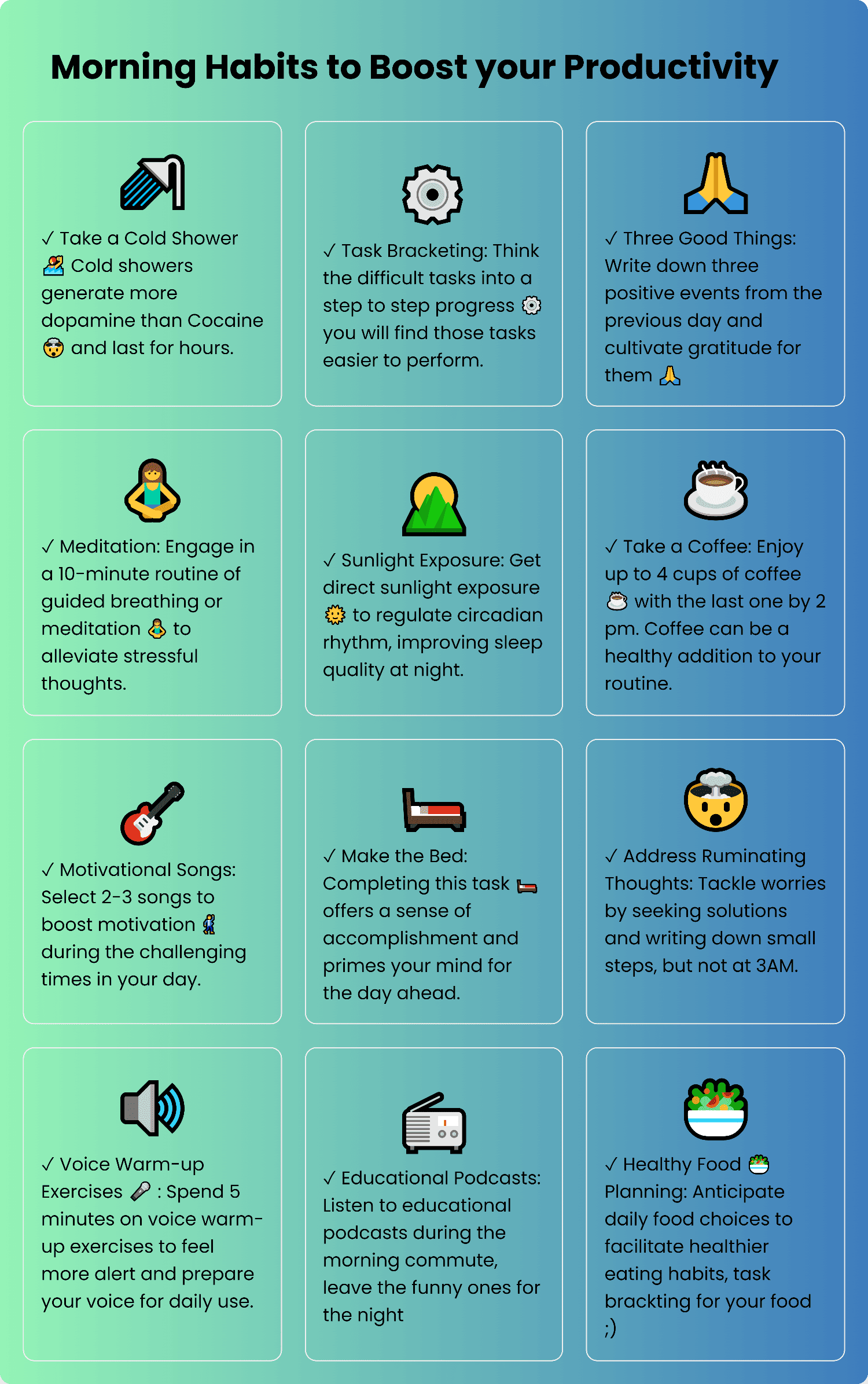
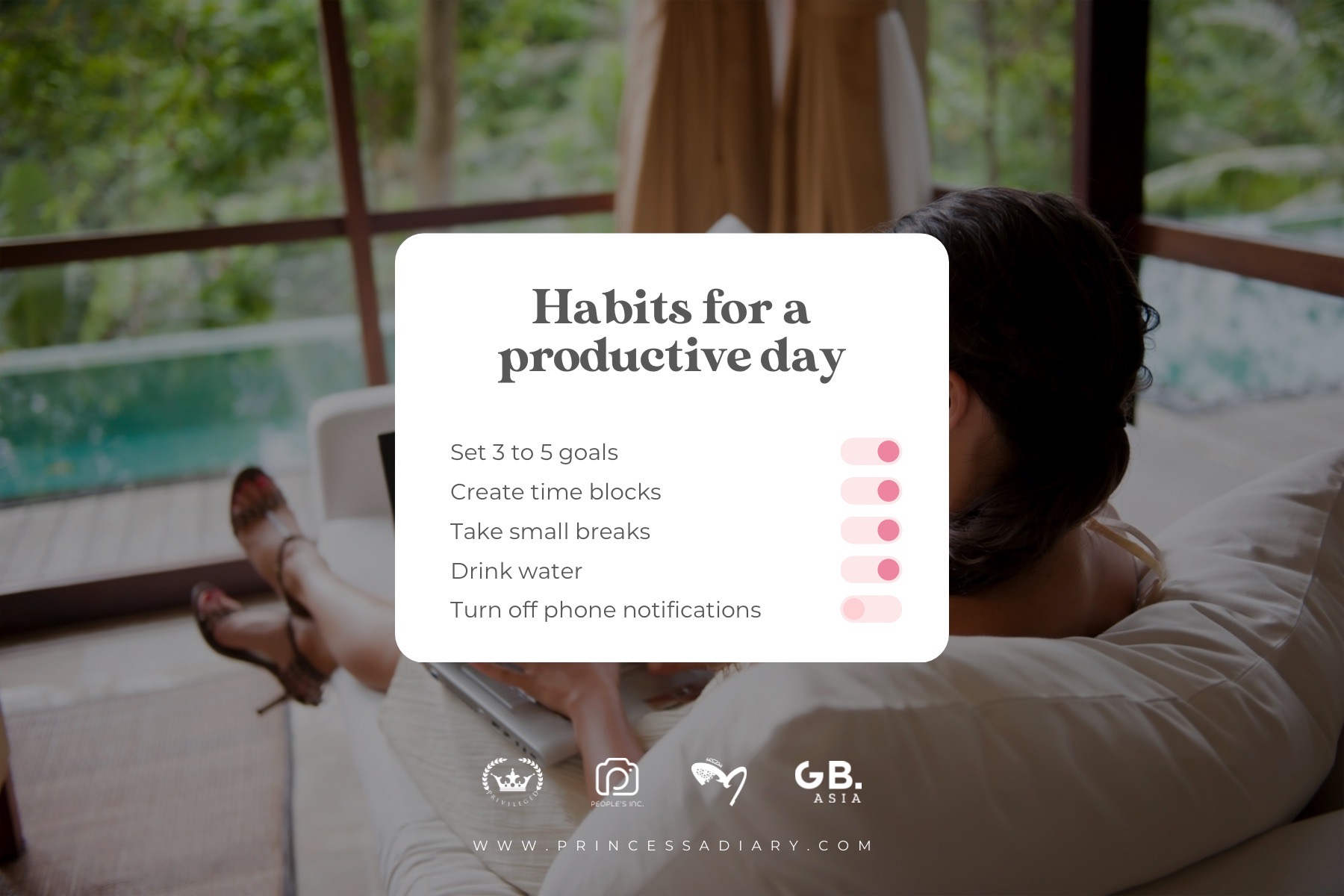
Establishing a structured morning routine acts as the foundation for daily efficiency, cognitive clarity, and sustained energy levels. By incorporating specific, science-backed habits into the first hours of the day, individuals can regulate their circadian rhythms, minimize decision fatigue, and prime their minds for complex problem-solving. This guide explores 15 essential morning habits designed to optimize productivity, supported by practical execution steps and comprehensive contextual analysis.
1. Wake Up at a Consistent Time Every Day
Consistency is the cornerstone of biological entrainment. Waking up at the exact same time every morning—even on weekends—stabilizes your circadian rhythm and optimizes the release of cortisol and melatonin.
- The Science: A predictable waking schedule reinforces the body’s internal clock, known as the suprachiasmatic nucleus. This reduces sleep inertia—the groggy transition state between sleep and wakefulness—allowing you to reach peak cognitive performance faster.
- Execution Strategy: Set a single alarm for the same time seven days a week. Place your alarm clock or smartphone across the room so you are forced to physically stand up to turn it off.
2. Resist the Urge to Hit the Snooze Button
Snooze buttons offer fragmented, low-quality micro-sleep that triggers a new sleep cycle, which is inevitably interrupted minutes later. This leads to severe sleep inertia.
- The Cognitive Toll: Fragmenting your final moments of rest increases morning grogginess, elevates heart rate, and sets a reactive tone for the day.
- Actionable Fix: Treat the first alarm as an absolute commitment. The moment it sounds, sit up on the edge of the mattress and take three deep breaths to oxygenate the bloodstream.
3. Hydrate Immediately with Water
During sleep, the body undergoes continuous respiration and mild perspiration, leading to overnight dehydration. Because the human brain is roughly 75% water, even mild dehydration impairs concentration, memory, and mood.
- Physiological Impact: Drinking 16 to 20 ounces of water upon waking jump-starts your metabolism, activates internal organs, and helps flush out metabolic waste accumulated overnight.
- Implementation: Keep a filled glass or reusable stainless steel bottle on your nightstand so it is the first thing you consume before checking your phone or drinking coffee.
4. Get Immediate Exposure to Natural Sunlight
Natural light exposure within the first hour of waking is critical for resetting your daily biological clock and signaling to the brain that the sleep phase has ended.
- Photoreceptor Activation: Specialized cells in the retina called intrinsically photosensitive retinal ganglion cells (ipRGCs) detect blue-spectrum light from the sun. This triggers an immediate suppression of melatonin and stimulates the release of cortisol, promoting alertness.
- Best Practice: Step outside for 10 to 15 minutes without sunglasses immediately after waking. If you live in an environment with limited morning sun or overcast conditions, use a 10,000-lux light therapy box.
5. Engage in Gentle Movement or Stretching
You do not need to run a marathon at dawn, but moving your joints and muscles helps reverse the physical stiffness associated with hours of motionless sleep.
- Circulation and Lymphatic Flow: Light stretching, yoga flows, or a short walk stimulates blood circulation and encourages the movement of lymphatic fluid, reducing inflammation and physical sluggishness.
- Routine Design: Dedicate 5 to 10 minutes to floor mobility exercises, focusing on spinal rotation, hip openers, and deep-breathing stretches.
6. Delay Digital Consumption and Screen Time
Reaching for your smartphone the moment your eyes open hijacks your attention span and places you in a reactive state by flooding your brain with external demands, notifications, and stress-inducing news.
- The Dopamine Trap: Checking social media or email first thing releases a cheap hit of dopamine, conditioning your brain to seek constant distraction rather than deep focus.
- Boundary Setting: Implement a strict "no screens for the first 30 to 60 minutes" rule. Use an analog alarm clock instead of your phone to keep temptations out of reach.
7. Practice Mindfulness, Meditation, or Prayer
Centering your thoughts before the chaos of the day begins provides mental clarity and lowers baseline anxiety levels.
- Neurological Shift: Mindfulness practices thicken the prefrontal cortex—the region responsible for decision-making, emotional regulation, and working memory—while shrinking the amygdala, the brain's stress center.
- Practical Steps: Spend 5 to 10 minutes in silent meditation, breathwork (such as box breathing), or journaling. Focus purely on anchoring your awareness to the present moment.
8. Eat a Nutrient-Dense, Protein-Rich Breakfast
Fueling your body with the right macronutrients prevents mid-morning energy crashes and stabilizes blood sugar levels.
- Glycemic Control: High-sugar breakfasts (like pastries or sweetened cereals) cause a rapid spike and subsequent crash in blood glucose, impairing cognitive focus. Conversely, a meal rich in lean proteins, healthy fats, and complex carbohydrates sustains steady mental energy.
- Examples: Opt for eggs with avocado, Greek yogurt with berries and walnuts, or a protein smoothie blended with spinach and chia seeds.
9. Delay Your Morning Caffeine Intake
While coffee is a staple of modern productivity, consuming it the exact second you wake up interferes with your body's natural cortisol awakening response.
- The Cortisol Interaction: Cortisol levels naturally peak roughly 30 to 45 minutes after waking up to help you feel alert. Introducing caffeine during this window can lead to caffeine tolerance and blunt your body's natural awakening mechanism.
- Optimal Timing: Wait 60 to 90 minutes after waking up before consuming your first cup of coffee or tea.
10. Write Down Your Top Three Daily Priorities
Effective productivity is not about doing more things; it is about doing the right things.
- The Rule of Three: Overwhelming to-do lists cause paralysis by analysis. Selecting your top three high-impact tasks (often called MITs) ensures your mental energy is channeled toward work that yields the highest leverage.
- Execution: Grab a physical notebook and write down the three specific outcomes you must achieve before the workday ends. Do this before opening your work email inbox.
11. Review Your Calendar and Schedule
A proactive morning review prevents surprises and allows you to mentally rehearse upcoming meetings, deadlines, and deep-work blocks.
- Time Blocking: Look at your commitments for the day and deliberately allocate uninterrupted blocks of time for focused execution, administrative tasks, and breaks.
- Mental Preparation: Knowing what is coming next eliminates the cognitive friction of wondering what you should be working on at any given hour.
12. Complete a Quick Cold Shower Blast
While intimidating at first, exposing yourself to cold water at the end of a shower provides a powerful physiological and psychological reset.
- Dopamine and Resilience: Cold exposure causes a sustained, non-pharmacological release of dopamine and norepinephrine, boosting mood and energy for hours. It also trains your nervous system to tolerate minor stressors with calm resilience.
- How to Start: Take a normal warm shower, then turn the handle to cold for the final 30 to 60 seconds, focusing on controlled, deep breathing.
13. Tidy Your Immediate Physical Environment
Clutter in your physical workspace directly correlates with mental clutter and visual distraction.
- Environmental Psychology: Making your bed, clearing your desk of yesterday's clutter, and washing your breakfast dish creates an immediate sense of order, accomplishment, and control.
- Habit Stacking: Tie this habit directly to an existing action—for instance, making your bed the exact second you step out of it.
14. Engage in Lifelong Learning or Reading
Feeding your intellect early in the day stimulates cognitive curiosity and sets an expansive, growth-oriented tone.
- Cognitive Warm-Up: Reading non-fiction, industry literature, or educational essays acts as mental calisthenics, priming your brain to absorb and synthesize complex information later in the work setting.
- Time Investment: Dedicate just 10 to 15 minutes of uninterrupted reading while enjoying your delayed morning coffee or tea.
15. Connect with Loved Ones or Practice Gratitude
Human connection and appreciation ground us, lowering stress hormones like cortisol and fostering emotional well-being.
- Relational Health: Taking a moment to share a calm conversation with a partner, family member, or roommate—or taking 60 seconds to mentally list three things you are grateful for—shifts your perspective toward abundance and positivity.
- Integration: Combine this with your breakfast or your morning stretch to seamlessly weave emotional wellness into your mechanical routines.
Morning Habit Comparison Matrix
| Habit | Primary Benefit | Time Commitment | Implementation Difficulty |
|---|---|---|---|
| Consistent Wake Time | Circadian alignment | Ongoing | Moderate |
| No Snooze Button | Reduces sleep inertia | Instant | Hard |
| Immediate Hydration | Reverses overnight dehydration | 1 minute | Easy |
| Natural Sunlight | Melatonin regulation & alertness | 10–15 minutes | Easy |
| Gentle Movement | Improves circulation & mobility | 5–10 minutes | Easy |
| Delay Screen Time | Prevents reactive distraction | 30–60 minutes | Hard |
| Mindfulness / Meditation | Lowers stress & builds focus | 5–10 minutes | Moderate |
| Protein-Rich Breakfast | Sustained blood sugar & energy | 15–20 minutes | Moderate |
| Delayed Caffeine | Protects natural cortisol rhythm | 60–90 minutes wait | Moderate |
| Top 3 Priorities | Focuses high-leverage effort | 5 minutes | Easy |
| Calendar Review | Prevents schedule friction | 5 minutes | Easy |
| Cold Shower Blast | Dopamine boost & resilience | 1 minute | Hard |
| Tidy Environment | Reduces visual & mental clutter | 3 minutes | Easy |
| Lifelong Reading | Mental warm-up & learning | 10–15 minutes | Easy |
| Gratitude / Connection | Emotional grounding | 2 minutes | Easy |
Frequently Asked Questions
What if I am naturally a night owl and struggle to wake up early?
Circadian rhythms have a genetic component, known as chronotypes, but anyone can shift their internal clock gradually. Start by waking up just 15 minutes earlier every three days until you reach your target time. Prioritize bright morning sunlight and avoid late-night artificial lighting to accelerate the biological shift.
How long does it take for a morning habit to become automatic?
Research published in health psychology journals indicates that forming a new automatic habit takes anywhere from 18 to 254 days, with an average of about 66 days depending on the complexity of the behavior. Focus on consistency rather than perfection when building your morning routine.
Should I try to implement all 15 habits at once?
No. Attempting to overhaul your entire morning simultaneously often leads to burnout and abandonment of the routine. Select two or three foundational habits—such as waking consistently, hydrating, and avoiding your phone—master them over two weeks, and gradually layer in additional practices.
What should I do if my morning routine gets disrupted by an emergency?
Flexibility is vital for long-term consistency. If you face an unexpected interruption, compress your routine into a "minimum viable morning"—such as 5 minutes of hydration, sunlight, and priority setting—rather than abandoning the practice entirely for the day.
Is it necessary to work out intensely in the morning?
Intense morning workouts are beneficial for some, but not mandatory for productivity. The primary goal of morning physical activity is to elevate heart rate and increase blood flow, which can be achieved just as effectively through a brisk walk or light stretching session.
Next Steps for Sustainable Success
Building a high-performance morning routine requires patience and personalization. Do not view these 15 habits as a rigid, inflexible mandate; instead, treat them as a menu of options from which you can construct a personalized protocol tailored to your lifestyle, career demands, and biological chronotype. Start tomorrow morning by selecting just three habits from this list, commit to executing them with absolute discipline for the next two weeks, and observe how your daily focus and productivity transform.