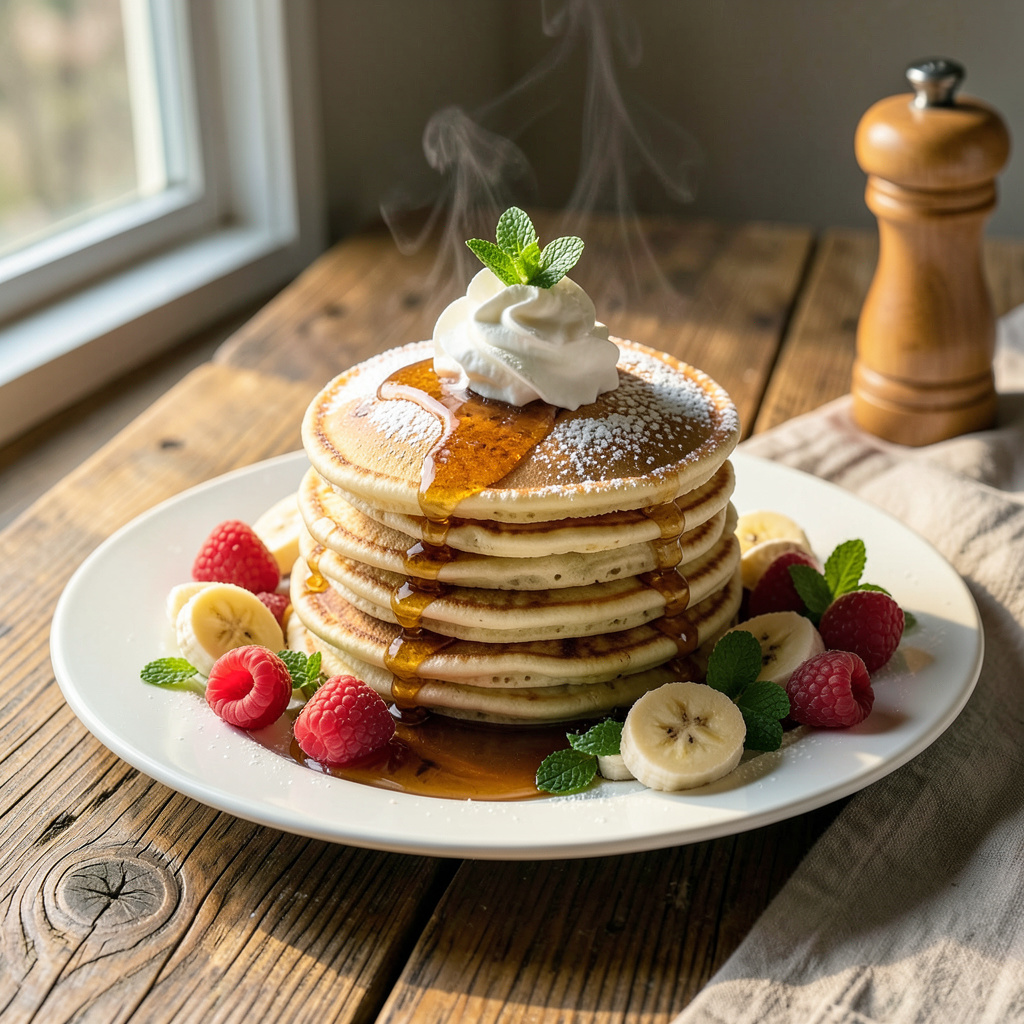
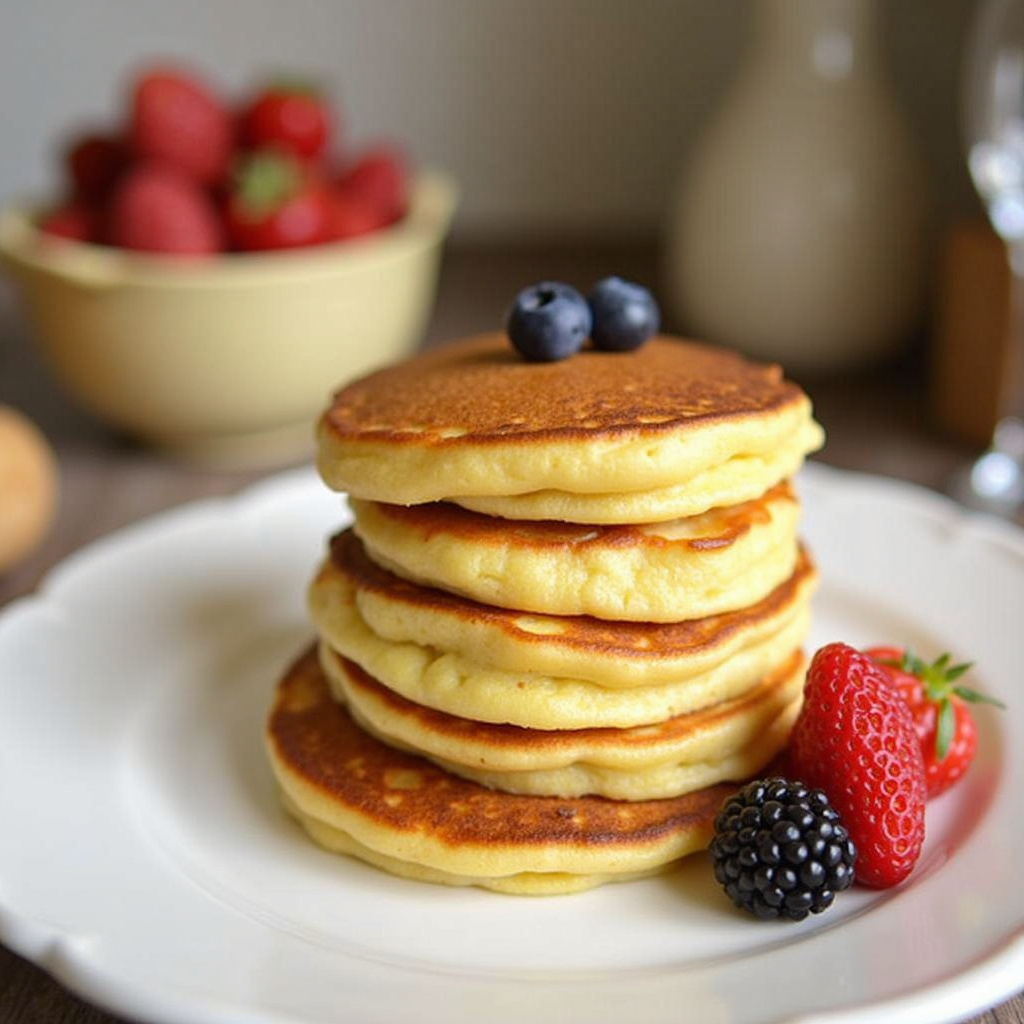
To create irresistible pancake recipes and stack them into perfect towers, you must master high-leavening batters and structural stability. Success relies on consistent heat, the correct ratio of acid to baking soda for lift, and using internal supports or high-viscosity binders when building tall, photo-ready stacks that remain stable and delicious.
The humble pancake has undergone a significant evolution. In 2026, the focus has shifted from simple breakfast fare to an architectural and culinary art form. Achieving the perfect "tower" is no longer just about the recipe; it is about understanding the physics of crumb structure and the chemistry of leavening agents. Whether you are aiming for the jiggly heights of a Japanese soufflé or the reliable density of a classic buttermilk stack, the principles of heat management and moisture control are universal.
The Science of the Perfect Pancake Foundation
Before diving into specific recipes, it is essential to understand the structural requirements of a pancake intended for stacking. A pancake that is too thin (like a crepe) or too fragile (like certain gluten-free varieties without binders) will collapse under the weight of a five-high stack.
The Role of Leavening Agents
Most irresistible pancake recipes rely on a combination of baking powder and baking soda. In 2026, culinary standards emphasize the "double-acting" nature of modern baking powders, which release gas both when moistened and when exposed to heat. However, for maximum lift, the addition of an acid—typically buttermilk, yogurt, or lemon juice—is required to react with baking soda. This reaction creates carbon dioxide bubbles immediately, which are then "set" by the heat of the griddle.
Gluten Development and Resting
Overmixing is the primary enemy of the pancake. When wheat flour is hydrated and stirred, gluten proteins (glutenin and gliadin) bond together. Excessive stirring creates a "tough" network, resulting in rubbery pancakes. To achieve a tender crumb that can still support weight, mix until the dry ingredients are just incorporated. Lumps are not only acceptable; they are preferred.
Furthermore, resting the batter for at least 15 to 30 minutes is a non-negotiable step. This allows the flour to fully hydrate and the gluten to relax. A relaxed batter expands more evenly, providing the uniform thickness required for a stable tower.
1. The Ultimate Fluffy Buttermilk Stack (The Foundation)
This is the gold standard for stacking. The acidity of the buttermilk creates a tender crumb, while the thickness of the batter ensures the pancake stays circular and uniform.
Ingredients and Preparation
- 2 cups All-purpose flour
- 2 tsp Baking powder
- 1 tsp Baking soda
- 1/2 tsp Salt
- 2 tbsp Sugar
- 2 cups Fresh buttermilk (shaken)
- 2 Large eggs
- 4 tbsp Melted unsalted butter (cooled)
The Process: Whisk the dry ingredients in a large bowl. In a separate vessel, whisk the eggs into the buttermilk, then slowly incorporate the melted butter. Fold the wet into the dry. Let it sit for 20 minutes. Use a 1/3 cup measure to ensure every pancake is the exact same diameter—this is the first secret to a perfect tower.
Why it works for towers: The buttermilk pancake has a "medium-dense" structure. It is airy enough to be pleasant but has enough protein integrity from the eggs and buttermilk to resist compression when stacked.
2. Japanese Soufflé Pancakes (The Engineering Challenge)
Japanese soufflé pancakes are the ultimate test of a cook's ability to manage height. These are not poured; they are built. They rely on a stabilized meringue for their incredible verticality.
The Meringue Method
The secret lies in the egg whites. You must whip the whites with sugar until they reach stiff peaks. This air-filled matrix provides the height. The "yolk base" is kept minimal, using very little flour and a touch of milk.
The Stacking Secret: Because these are so light, they are prone to "deflating." To stack these into a tower, you must cook them with a lid on the pan to create a steam-chamber effect. This sets the exterior proteins quickly, allowing the interior to stay airy without collapsing. When stacking, use a "staggered" cooling method: let each pancake sit for 30 seconds on a wire rack before placing it on the stack.
3. Lemon Ricotta Clouds (The Moisture Master)
Ricotta adds weight and moisture, making these the most "irresistible" in terms of mouthfeel. However, they are heavy.
Balancing Weight and Lift
The moisture in ricotta can make a pancake "wet." To ensure they can be stacked, you must drain your ricotta through cheesecloth for at least an hour. This removes excess whey that would otherwise weigh down the batter and lead to a soggy center.
Pro Tip: Add the lemon zest to the sugar and rub it in with your fingers before mixing. This releases the oils (limonene) for a more intense flavor without adding liquid volume. When stacking lemon ricotta pancakes, place a thin layer of lemon curd between each level to act as a "culinary glue."
4. Double Chocolate Chunk Towers (The Structural Heavyweight)
Chocolate pancakes often struggle with being too dry or too fragile. By using Dutch-processed cocoa and high-fat inclusions, you create a pancake that tastes like a brownie but behaves like a breakfast cake.
Managing Melted Inclusions
When you add chocolate chunks, they melt and create "weak spots" in the pancake's structure. To stack these, ensure the chocolate chunks are small and evenly distributed.
The Stacking Secret: Use a "chocolate ganache" as your stacking medium. A warm ganache has high viscosity; as it cools between the layers, it acts as a structural stabilizer, preventing the pancakes from sliding off each other.
5. Blueberry and Almond Flour (The Gluten-Free Anchor)
Almond flour provides a wonderful nutty flavor but lacks the gluten "stretch" needed for height. In 2026, the use of psyllium husk or xanthan gum as a binder is standard for creating stackable gluten-free pancakes.
Preventing "The Squelch"
Blueberries burst when heated. In a stack, this juice can lubricate the layers, causing the tower to slide (the "squelch" effect). To prevent this, toss your blueberries in a light coating of starch before folding them into the batter. This absorbs the initial burst of juice and keeps the structural integrity of the pancake intact.
Comparison of Pancake Characteristics for Stacking
The following table compares the five recipes based on their suitability for high-tower construction and their structural properties.
| Recipe Type | Structural Integrity | Moisture Level | Difficulty | Best "Glue" for Stacking |
|---|---|---|---|---|
| Buttermilk | High | Medium | Low | Salted Butter & Maple Syrup |
| Soufflé | Low (Fragile) | High | High | Light Whipped Cream |
| Lemon Ricotta | Medium | Very High | Medium | Lemon Curd or Honey |
| Double Chocolate | Very High | Low | Medium | Chocolate Ganache |
| Blueberry/Almond | Medium-High | High | Medium | Nut Butter or Greek Yogurt |
Expert Tips for Stacking Perfect Pancake Towers
Building a tower that doesn't lean requires more than just a good recipe. It requires an understanding of friction, heat, and gravity.
1. The Uniformity Principle
A tower is only as stable as its base. Use a mechanical scoop or a squeeze bottle to ensure every pancake is the exact same size. If the bottom pancake is smaller than the ones above it, the center of gravity will shift, leading to an inevitable collapse. Aim for a 4-inch diameter for maximum stability.
2. The Temperature Gradient
Never stack pancakes directly from the griddle. If you put a piping hot pancake on top of another hot pancake, the trapped steam will soften the surfaces, making them slippery. Allow each pancake to rest on a wire rack for 45 to 60 seconds. This allows the "steam flash" to dissipate, resulting in a firmer surface that creates more friction between layers.
3. The "Invisible Skewer" Trick
For professional photography or extremely tall towers (6+ pancakes), food stylists often use a hidden wooden skewer. However, for edible towers, you can use a center-weighted topping. By placing a heavier dollop of butter or thick yogurt exactly in the center of each layer, you create a "pinning" effect that keeps the stack from shifting horizontally.
4. Viscosity and Syrups
Standard maple syrup is thin and acts as a lubricant. If you want a tall stack to stay standing for more than a few minutes, use a "reduced" syrup or a fruit compote with a higher pectin content. According to culinary studies on fluid dynamics in food presentation, higher viscosity liquids increase the "shear resistance" between layers, effectively "locking" the stack in place.
Common Mistakes and How to Troubleshoot Them
Even with the best recipes, things can go wrong. Understanding the "why" behind the failure is key to correction.
- Problem: The pancakes are "rubbery."
- Cause: Overmixing or using flour with too high a protein content (like bread flour).
- Solution: Switch to pastry flour or ensure you leave lumps in the batter.
- Problem: The stack keeps leaning to the left.
- Cause: Your griddle is not level, or you are flipping the pancakes too late, causing one side to be more "domed" than the other.
- Solution: Use a level to check your cooking surface and flip when the bubbles around the edges just start to pop.
- Problem: The bottom pancake is squashed flat.
- Cause: The pancakes are too heavy or the crumb is too weak.
- Solution: Increase the egg white content in your batter to provide more protein-based structural support.
Essential Tools for 2026 Pancake Artistry
To achieve these results, certain tools are highly recommended:
- Electric Griddle with Digital Temperature Control: Maintaining a precise 375°F (190°C) ensures even browning without burning the exterior before the interior is set.
- Offset Spatula: This allows for a clean lift without deforming the edges of the pancake.
- Digital Scale: Measuring ingredients by weight rather than volume is the only way to ensure the consistent batter density required for stacking.
FAQ
How do I keep a pancake stack warm without it getting soggy?
The best method is to place the pancakes in a single layer on a wire rack set over a baking sheet in an oven at 200°F (93°C). Never stack them in the oven; the trapped steam between layers will turn them "gummy" before you even begin the final assembly.
Can I make the batter the night before?
For most recipes, no. The leavening agents begin to react the moment they hit the liquid. If the batter sits overnight, it will lose its "lift," and you will end up with flat, dense discs that cannot support a tower. However, you can mix the dry ingredients and the wet ingredients separately and combine them in the morning.
What is the best flour for high-stacking pancakes?
A blend of all-purpose flour and a small amount of cornstarch (about 10%) is ideal. The cornstarch interferes with gluten formation, ensuring a tender bite, while the all-purpose flour provides enough structure to handle the weight of the toppings.
Why do my pancakes have a "ring" around the edge?
This is usually caused by using too much fat on the griddle. Instead of pouring oil, dip a paper towel in oil and wipe the surface. This creates a "micro-film" of fat that allows for even browning across the entire surface rather than "frying" the edges.
How many pancakes can safely be stacked?
Without internal support, 5 to 6 pancakes is the limit for a standard buttermilk recipe. For Japanese soufflé pancakes, 3 is usually the maximum before the bottom layer begins to compress significantly.
Final Recommendation
To master the art of the pancake tower in 2026, start with the Classic Buttermilk recipe. It is the most forgiving and provides the best structural foundation for learning the physics of stacking. Once you can consistently produce five identical, 4-inch pancakes that stand perfectly straight, graduate to the Japanese Soufflé for a challenge in delicate engineering. Always remember: the secret is in the rest (for the batter) and the cooling (for the stack).